


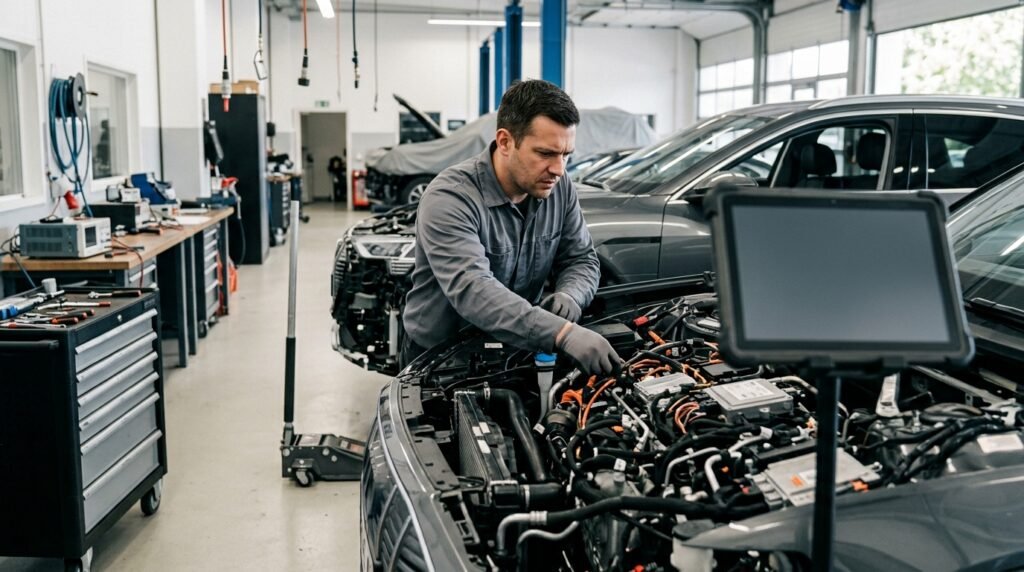
AI systems engineering problems are design, testing, or integration flaws in a vehicle’s AI components that cause malfunctions, safety risks, or reduced reliability. These issues impact driver assistance features, infotainment, and core powertrain controls on most new cars.
If you’ve ever had your adaptive cruise control randomly brake for no reason, or your infotainment screen freeze mid-drive, you’ve run up against an AI systems engineering problem firsthand. Most new U.S.
cars rely on dozens of embedded AI systems to handle everything from lane keeping to EV battery management, but rushed development cycles and unproven tech mean these systems often come with hidden flaws.
This guide covers the most common AI systems engineering problems drivers encounter, how to spot early warning signs, what steps to take if your car’s AI malfunctions, and how these issues impact long-term ownership costs.
We’ll also break down which vehicle segments are most prone to AI glitches, and what regulators are doing to address these widespread flaws.

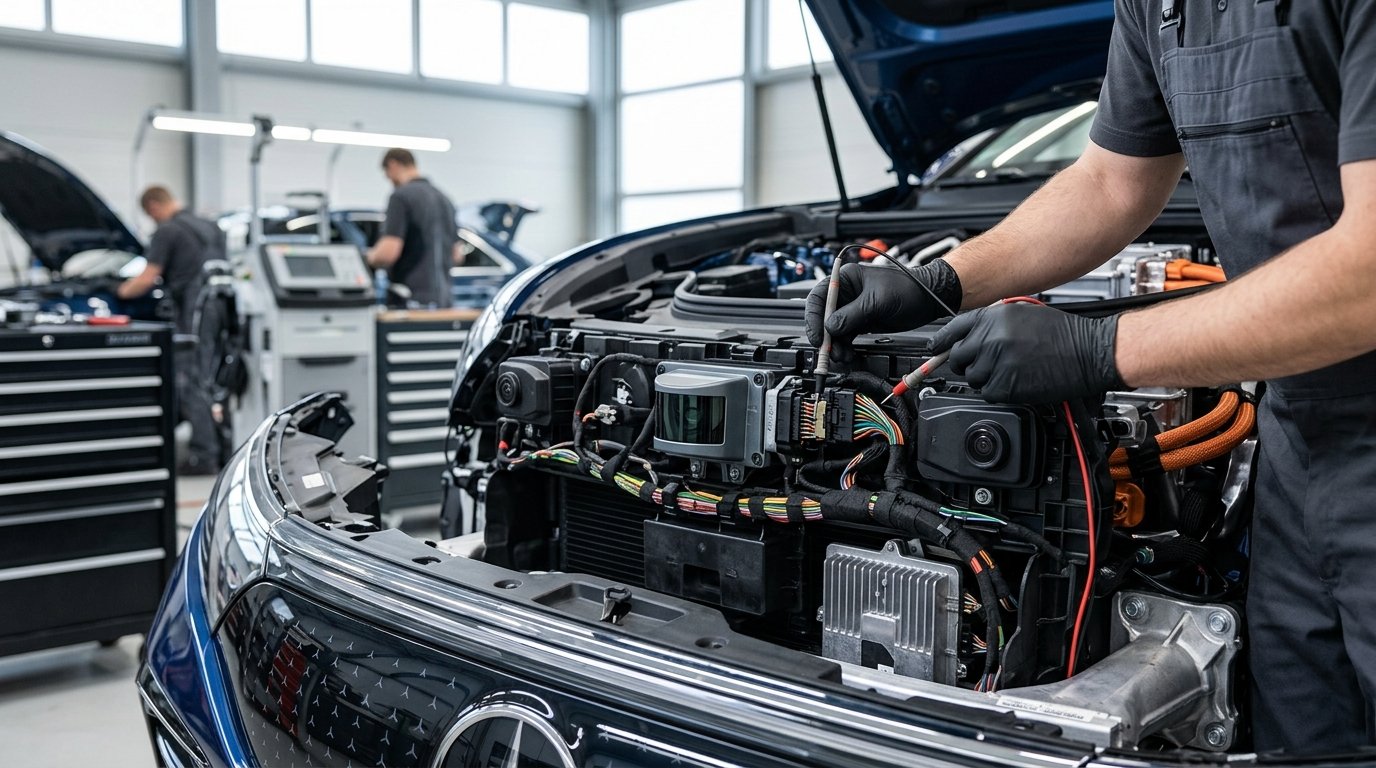
Contents
- 1 What Is an Automotive AI Systems Engineering Problem?
- 2 Most Common AI Systems Engineering Problems Drivers Face
- 3 How to Spot AI Systems Engineering Problems Early
- 4 What to Do If Your Car Has an AI Systems Engineering Problem
- 5 Which Cars Have the Most AI Systems Engineering Problems?
- 6 The Future of AI Systems Engineering in Cars
- 7 Frequently Asked Questions
- 8 Conclusion
What Is an Automotive AI Systems Engineering Problem?
Not every car glitch counts as an AI systems engineering problem. These are specific, systemic flaws rooted in how the AI is designed, built, or integrated into the vehicle, not random one-off software bugs or user error.
AI systems in cars include driver assistance tech (adaptive cruise, lane keep, automatic emergency braking), infotainment and voice control systems, EV battery and thermal management AI, and even predictive maintenance algorithms. An AI systems engineering problem occurs when there’s a flaw in the core design, training data, hardware integration, or testing process for that AI, not just a temporary software hiccup.
For example, a lane-keep system that consistently drifts out of its lane on straight, clear roads because its training data didn’t include enough rural road footage is an AI systems engineering problem, not a random bug.
Common Categories of Automotive AI Engineering Flaws
These flaws fall into four core categories, each with distinct impacts on drivability and safety.
- Training data gaps: AI models trained on incomplete or biased datasets that fail to recognize common road scenarios, objects, or driving conditions.
Hardware integration flaws: Poor compatibility between AI processing hardware (like cameras, radar, or onboard computers) and the AI software running on it.
Testing oversights: Inadequate real-world testing that fails to catch edge case failures before the vehicle goes to market.
Edge case design failures: AI systems not programmed to handle rare but predictable scenarios, like unusual road signage or extreme weather.
Training data gaps are the most common AI systems engineering problem for driver assistance systems, as many AI models are trained in controlled lab conditions rather than real-world U.S. driving environments.
Most Common AI Systems Engineering Problems Drivers Face
These flaws manifest in a range of annoying, disruptive, and sometimes dangerous issues you may notice in your daily drive.
Driver Assistance AI Flaws
The most frequently reported AI systems engineering problems affect ADAS features. This includes adaptive cruise control that accelerates or brakes erratically when following slower vehicles, lane-keep assist that drifts across lane lines on straight highways, and automatic emergency braking that triggers for stopped traffic on overpasses or shadowy objects on the road.
These issues almost always stem from training data gaps: the AI was not trained on enough real-world scenarios to distinguish between actual hazards and false positives.
Infotainment and Voice Control AI Flaws
Infotainment systems rely on AI for voice recognition, navigation routing, and app integration, and AI systems engineering problems here are extremely common. Issues include voice assistants that misinterpret simple commands (like “call mom” as “call the pizza place”), navigation that routes you through closed roads or construction zones, and screens that freeze or crash when multiple apps are open.
These flaws usually stem from poor hardware-software integration or incomplete testing of third-party app compatibility.
EV and Powertrain AI Flaws
Electric vehicles and modern gas-powered cars use AI to manage battery thermal levels, optimize fuel efficiency, and predict component wear. AI systems engineering problems in this category include EVs that overheat in hot weather due to flawed thermal management AI, gas cars that shift roughly or lose power when the AI mispredicts driver acceleration inputs, and predictive maintenance alerts that trigger for non-existent issues.
These flaws often stem from edge case design failures, where the AI was not programmed to handle extreme temperatures or unusual driving patterns.
Autonomous Driving AI Flaws
For vehicles with Level 2+ or higher autonomous driving features, AI systems engineering problems can have severe safety consequences. This includes AI that fails to recognize stopped emergency vehicles, pedestrians in low light, or lane merges from on-ramps.
These issues are almost always tied to training data gaps or inadequate real-world testing of edge case scenarios.
Do not disable ADAS features to work around AI glitches, as this can void your warranty and increase crash risk if you rely on the system unexpectedly.
How to Spot AI Systems Engineering Problems Early
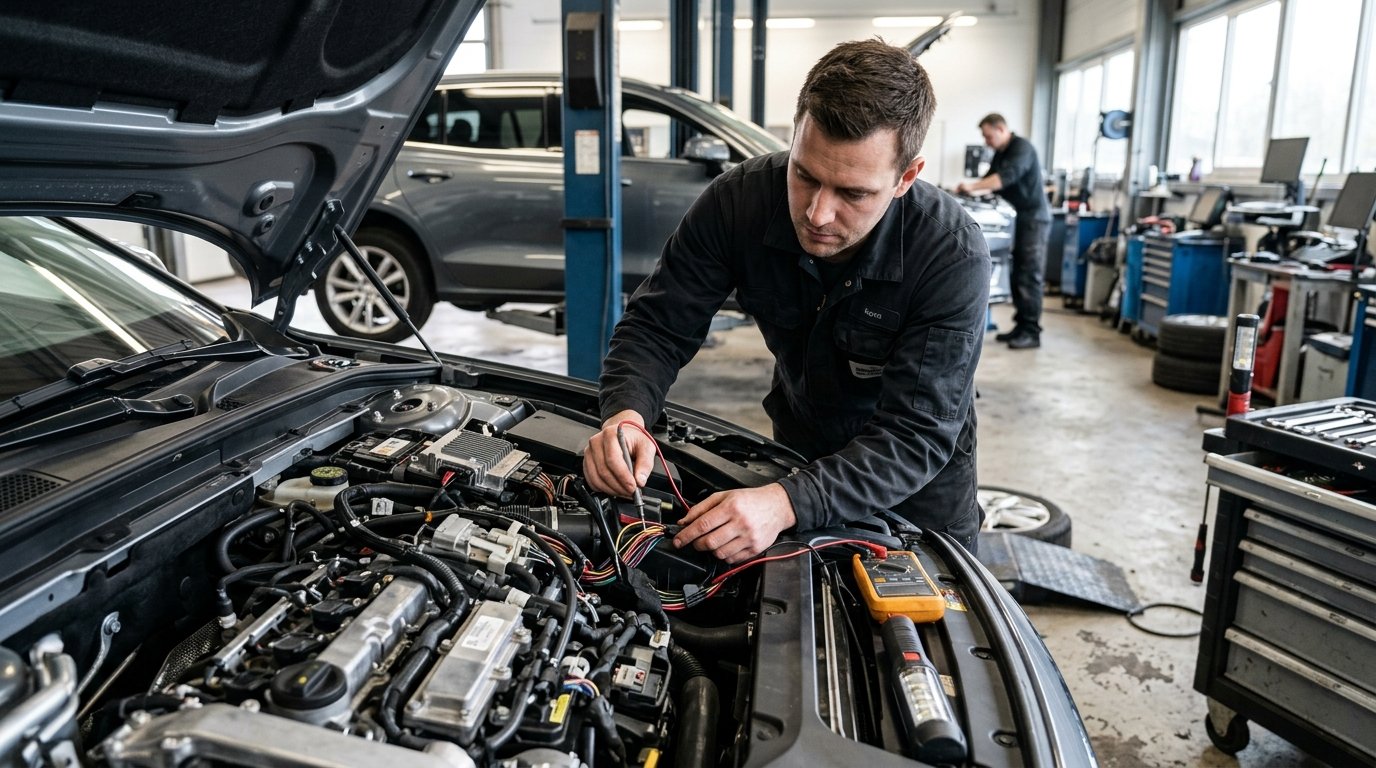
Many AI systems engineering problems start small before turning into major safety risks or expensive repairs. Watch for these early warning signs:
These red flags often appear weeks or months before a full system failure.
- Driver assistance features trigger false warnings or fail to activate in clear, predictable scenarios (e.g., lane-keep assist doesn’t engage on a straight, marked highway).
- Infotainment or voice control regularly misinterprets commands or crashes when performing basic functions.
- Your car triggers unexplained maintenance alerts for systems that have no obvious issues.
- ADAS features behave erratically in specific conditions (e.g., automatic emergency braking triggers only when driving into low sun).
- The car’s AI seems to “learn” bad habits over time, like accelerating too quickly when you resume cruise control after slowing down.
What to Do If Your Car Has an AI Systems Engineering Problem
If you’ve identified a likely AI systems engineering problem, taking the right steps early can save you money and keep you safe on the road.
Follow this step-by-step process to address the issue:
1. Document the issue: Record video of the malfunction (from a dash cam or passenger seat) and note the exact conditions when it occurs (time of day, weather, road type, speed) to share with your dealer or manufacturer.
2. Check for technical service bulletins (TSBs): Manufacturers often issue TSBs for known AI systems engineering problems, which outline free or low-cost fixes for affected vehicles. You can search for TSBs using your VIN on the NHTSA website or your manufacturer’s owner portal.
3. Schedule a dealer appointment: Bring your documentation to an authorized dealer and specifically request a diagnostic for the affected AI system, rather than a general checkup.
4. Escalate to the manufacturer if needed: If the dealer cannot replicate or fix the issue, contact the manufacturer’s customer service team directly, as many will cover repairs for known AI systems engineering problems even out of warranty.
In most cases, manufacturers will cover repairs for confirmed AI systems engineering problems via warranty, even if your vehicle is out of its standard bumper-to-bumper warranty period, as these are considered design defects. For widespread issues affecting thousands of vehicles, NHTSA may open an investigation, which can lead to mandatory recalls and free repairs for all affected owners.
Which Cars Have the Most AI Systems Engineering Problems?
AI systems engineering problems are not evenly distributed across the auto market, with some segments and brands far more prone to these flaws than others.
The table below breaks down common AI systems engineering problems by vehicle segment and risk level:
Summarizes Table of AI Systems Engineering Problems
The table below summarizes the relevant differences at a glance.
| Vehicle Segment | Common AI Systems Engineering Problems | Risk Level |
|---|---|---|
| New mass-market gas-powered cars (2022–2024) | ADAS false braking, infotainment freezes, predictive maintenance false alerts | Low to Moderate |
| New EVs (2021–2024) | Thermal management AI flaws, ADAS edge case failures, navigation routing errors | Moderate |
| Luxury and premium vehicles (2020–2024) | Overly complex ADAS glitches, voice control misinterpretation, autonomous driving edge case failures | Moderate to High |
| Used vehicles with retrofitted ADAS | Poor hardware-AI integration, frequent false alerts, system disconnections | High |
Note that risk level refers to the likelihood of the issue causing a crash or safety incident, not just annoyance. Retrofitted ADAS systems, often installed by third parties on older cars, carry the highest risk of AI systems engineering problems, as they are rarely integrated or tested to the same standards as factory-installed systems.
The Future of AI Systems Engineering in Cars
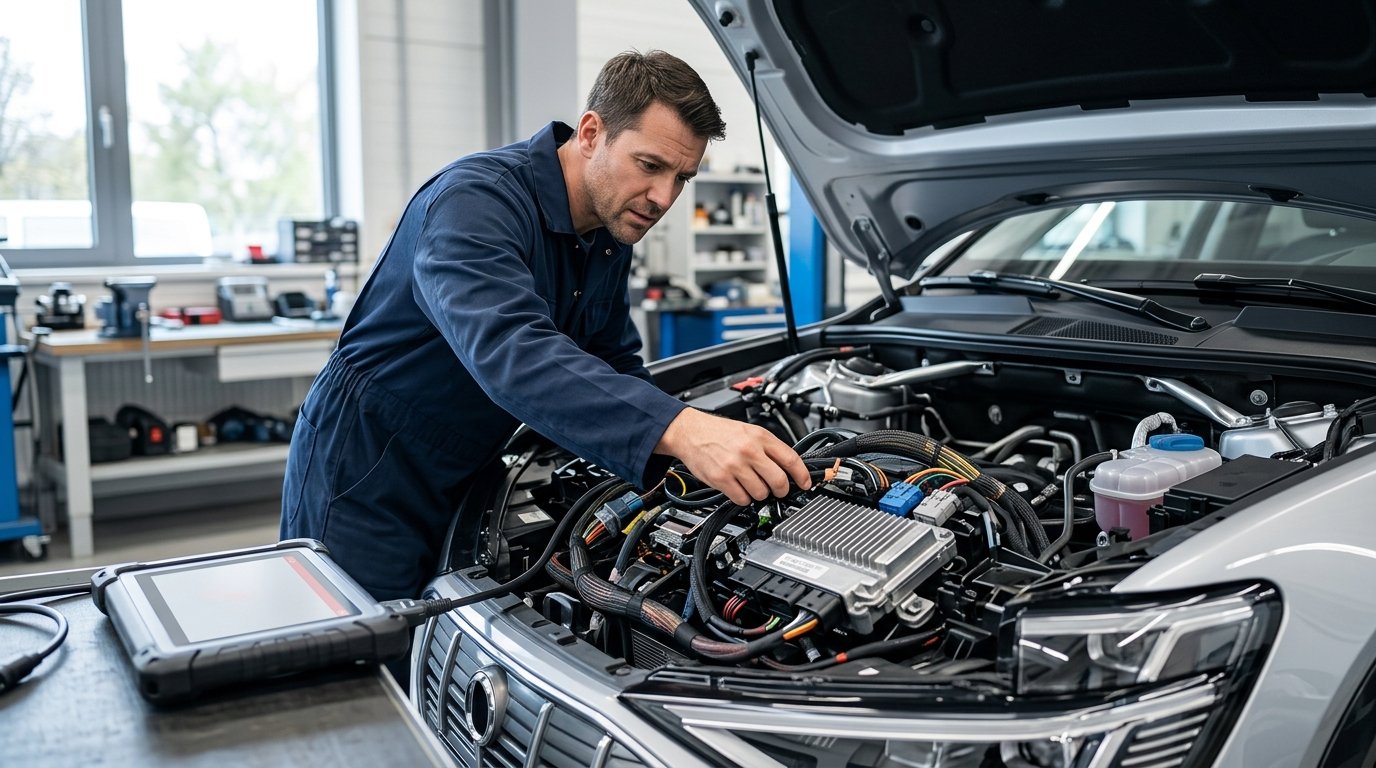
Regulators and automakers are slowly addressing widespread AI systems engineering problems, but full resolution will take years.
NHTSA has proposed new mandatory testing standards for ADAS AI systems, requiring automakers to test AI performance across a wider range of real-world conditions before selling vehicles in the U.S. Many automakers are also shifting to more rigorous training datasets that include U.S.
rural roads, extreme weather, and rare edge cases to reduce training data gaps. For drivers, this means newer 2025 and later model year vehicles are likely to have fewer AI systems engineering problems than older models, though no vehicle is completely free of AI flaws right now.
When shopping for a used car, ask the dealer for records of any AI or ADAS software updates, as many manufacturers release fixes for known AI systems engineering problems after a vehicle is sold.
Frequently Asked Questions
Below are answers to the most common questions drivers have about AI systems engineering problems in cars:
Q: What is an AI systems engineering problem in a car?
A: An AI systems engineering problem is a systemic flaw in how a vehicle’s AI is designed, built, or integrated, not a random one-off bug. These issues cause malfunctions, safety risks, or reduced reliability of AI-powered features.
Q: Are AI systems engineering problems covered by warranty?
A: Most confirmed AI systems engineering problems are covered by manufacturer warranty, as they count as design defects. Even out-of-warranty vehicles often qualify for free repairs if the issue is widespread.
Q: Can I fix an AI systems engineering problem myself?
A: No, AI systems engineering problems require manufacturer-approved software updates or hardware replacements to resolve. DIY fixes can void your warranty or cause further system malfunctions.
Q: Which car brands have the fewest AI systems engineering problems?
A: As of 2024, mainstream brands with simpler ADAS systems report fewer AI systems engineering problems than luxury brands with complex autonomous features. No brand is completely free of AI-related flaws today.
Q: Do AI systems engineering problems make cars unsafe to drive?
A: Most AI systems engineering problems only cause minor annoyances, like infotainment freezes. Severe flaws affecting ADAS or autonomous systems can increase crash risk if the driver relies on the faulty feature.
Q: How often do automakers release fixes for AI systems engineering problems?
A: Automakers release software fixes for known AI systems engineering problems every few months on average. More severe flaws may require hardware recalls, which are less common but still issued regularly.
Conclusion
AI systems engineering problems are an unavoidable reality of modern car ownership, but they don’t have to ruin your driving experience or put you at risk. Most issues are minor and easily fixed via free manufacturer software updates, while severe flaws are almost always covered by warranty if reported early.
To minimize your risk, avoid relying solely on AI-powered driver assistance features, and report any recurring malfunctions to your dealer or NHTSA as soon as you notice them. When shopping for a new or used car, prioritize models with simpler, well-tested ADAS systems over vehicles with unproven autonomous driving features.
As automakers improve AI testing standards and training datasets, AI systems engineering problems will become less common over time, but staying informed about known issues for your specific vehicle will always be your best defense against unexpected glitches.


