Anti-seize on brake pads prevents corrosion and reduces friction. Apply it to the back of the pads and caliper pins, but never on the braking surface. It helps improve performance and longevity.
Anti-seize on brake pads is a lubricant designed to reduce friction and prevent rust or corrosion between metal surfaces. Brake pads are subjected to constant friction, high temperatures, and exposure to moisture, which makes them prone to damage and rust. Anti-seize can help prevent these issues by forming a protective barrier that ensures smooth operation and minimizes wear.
Though it might seem like a simple step, the proper application of anti-seize can improve the performance and lifespan of various brake system components. While brake pads are critical for stopping a vehicle, the surrounding parts, such as calipers, sliders, and the rotor, also need proper lubrication to function well. This guide will dive into the uses of anti-seize on brake pads and how it contributes to vehicle safety.
Contents
What Is Anti-Seize and Why Is It Important?
Anti-seize is a high-temperature, lubricating compound used to prevent rust, corrosion, and seizing of metal parts. It is typically made from a combination of metals, such as copper, aluminum, or graphite, and is designed to withstand extreme temperatures. Anti-seize compounds are commonly used in various mechanical and automotive applications to prevent the sticking of metal parts, ensuring they move freely without causing damage.
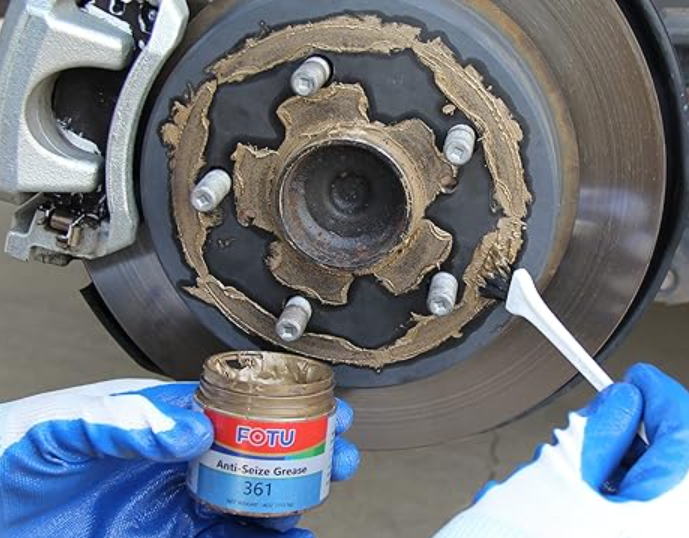
When applied to the back of brake pads, caliper pins, and the hardware that holds the pads in place, anti-seize helps protect these components from rust, which can result from exposure to moisture, road salt, and grime. Over time, rust can cause the brake pads to seize in place, making it difficult to remove or replace them when needed.
Without anti-seize, the metal components of the brake system can corrode, causing brake pads to stick and wear unevenly. This can result in costly repairs, inefficient braking performance, and potential safety issues. Applying anti-seize on brake pads reduces the likelihood of corrosion, keeping the braking system functioning smoothly.
When Should Anti-Seize Be Used on Brake Pads?
Although anti-seize is beneficial, it’s not necessary to apply it to every brake component every time. Below are the situations when you should consider using anti-seize on brake pads:
1. When Replacing Brake Pads
If you’re replacing your brake pads, applying anti-seize to the relevant brake components is a good idea. It helps protect the hardware from rust and makes the new brake pads easier to remove when they wear out. Applying anti-seize during the brake pad replacement process is one of the most effective ways to ensure that the braking system works smoothly and efficiently.
2. In Areas with High Humidity or Salt Exposure
For vehicles located in coastal areas or regions where road salt is frequently used in winter, applying anti-seize is essential. The exposure to moisture and salt accelerates the process of rust formation. Anti-seize provides a protective layer that shields metal parts from rust, preventing them from seizing over time.
3. On High-Performance or Heavy-Duty Vehicles
High-performance vehicles, off-road vehicles, or trucks used for towing may experience more stress on the braking system. These vehicles often engage in heavy braking, which can lead to higher temperatures and more wear on the brake pads. In such cases, anti-seize can help maintain brake performance and prevent parts from seizing or wearing prematurely.
4. When Installing Brake Components that Will Be Removed Often
If you work on your vehicle frequently and tend to replace or inspect brake components often, applying anti-seize can save time and effort. It ensures that brake pads and other components can be easily removed without excessive force, reducing the risk of damage.
How to Apply Anti-Seize on Brake Pads
Properly applying anti-seize on brake pads is essential to ensure that the compound is effective and does not interfere with the braking process. Here’s a step-by-step guide to applying anti-seize to brake pads:
Step 1: Prepare the Brake Components
Before applying any anti-seize compound, it’s essential to clean the brake components thoroughly. Dirt, grease, and old lubricants must be removed from the brake pads, calipers, and rotors to ensure a clean surface for the anti-seize to work effectively. Use a brake cleaner to spray and wipe down the parts. This ensures that no debris or contaminants will be trapped by the anti-seize, which could affect braking performance.
Step 2: Apply Anti-Seize to the Back of the Brake Pads
Apply a thin, even layer of anti-seize to the back of the brake pads, where they make contact with the caliper bracket. The back of the pads is where you’re most likely to encounter corrosion and rust. You don’t need to apply anti-seize to the brake pad surface that contacts the rotor, as this could affect braking performance. A small amount of anti-seize is enough-too much can create unwanted lubrication that could lead to braking issues.
Step 3: Apply Anti-Seize to Caliper Pins and Slides
Brake caliper pins and slides should also be lubricated with anti-seize. These moving parts allow the brake pads to move smoothly in the caliper and apply even pressure to the rotor. If these components are not properly lubricated, they may seize or become difficult to move, leading to uneven braking and excessive wear on the pads and rotors. Apply a thin layer of anti-seize to the caliper pins and slides during the installation of new brake pads.
Step 4: Ensure Even Application
Once you’ve applied anti-seize to the necessary parts, ensure that it’s spread evenly. Avoid applying excess compound, as this can cause the anti-seize to spread into areas where it’s not needed. Remember, the goal is to reduce friction and prevent corrosion, not to over-lubricate the components.
Step 5: Reassemble the Brake System
After applying anti-seize to the relevant parts, carefully reassemble the braking system. Install the brake pads into the caliper and make sure that all parts are aligned correctly. Tighten any bolts or fasteners as per the manufacturer’s specifications.
Where Not to Apply Anti-Seize on Brake Pads
While anti-seize is helpful in many parts of the braking system, there are certain areas where it should not be used. Here’s where you should avoid applying anti-seize:
1. On the Brake Pad Surface
Never apply anti-seize to the surface of the brake pads that makes contact with the rotor. The braking performance will be compromised if there’s any lubrication on the pad surface, as it can cause inconsistent braking and uneven pad wear. The rotor and the brake pad surface need to maintain a high level of friction for the braking system to function properly.
2. On the Rotor Surface
Similarly, anti-seize should never be applied to the brake rotor surface. The rotor is a critical component that must remain clean and free of any contaminants or lubricants. Any lubricant on the rotor can reduce the friction necessary for the brakes to work effectively, leading to decreased braking power and performance.
Potential Drawbacks of Using Anti-Seize on Brake Pads
While anti-seize provides several benefits, it is essential to use it correctly. Overuse or incorrect application of anti-seize can lead to issues such as:
- Slippery Braking Surface: If anti-seize is applied to the wrong areas, such as the brake pad or rotor surface, it can create a slippery surface that reduces braking power. This can be dangerous and may lead to longer stopping distances.
- Excessive Lubrication: Too much anti-seize can result in excess lubrication, causing it to spread to areas where it’s not needed, leading to uneven wear and reduced braking performance.
- Cost: High-quality anti-seize can be expensive. If applied incorrectly or too liberally, you may end up wasting the product and having to reapply it.
Related Article
Brake Caliper Bolts Seized
Why Do Brake Calipers Seize?
Frequently Asked Questions
Here are some FAQs about anti-seize on brake pads –
1. Can I apply anti-seize to all types of brake pads?
Yes, anti-seize can be applied to most types of brake pads, but always follow the manufacturer’s guidelines for your specific brake system. Some high-performance or ceramic pads may have special requirements.
2. How often should I apply anti-seize on brake pads?
You should apply anti-seize whenever you replace the brake pads or during routine brake system maintenance. It doesn’t need to be reapplied frequently, but regular inspection is necessary.
3. Can anti-seize affect my braking performance?
If applied incorrectly (such as on the braking surface of the pad or rotor), anti-seize can negatively impact braking performance. Always apply it to the back of the pads and other appropriate components.
4. Is anti-seize suitable for all weather conditions?
Yes, anti-seize is particularly effective in wet or salty conditions, as it prevents rust and corrosion. It works well in areas that experience moisture or harsh weather conditions.
5. Can I use other lubricants instead of anti-seize?
Other lubricants like brake grease or high-temperature lubricants can also be used, but anti-seize is preferred for its superior corrosion resistance and high-temperature performance.
Conclusion
Applying anti-seize on brake pads can significantly improve the performance and longevity of your vehicle’s braking system. It reduces corrosion, prevents parts from seizing, and makes brake pad replacement easier. However, it’s important to use it correctly and apply it only to the appropriate parts. Always avoid applying anti-seize to the braking surfaces of the pads or rotors, as this can reduce braking efficiency and create safety issues.