


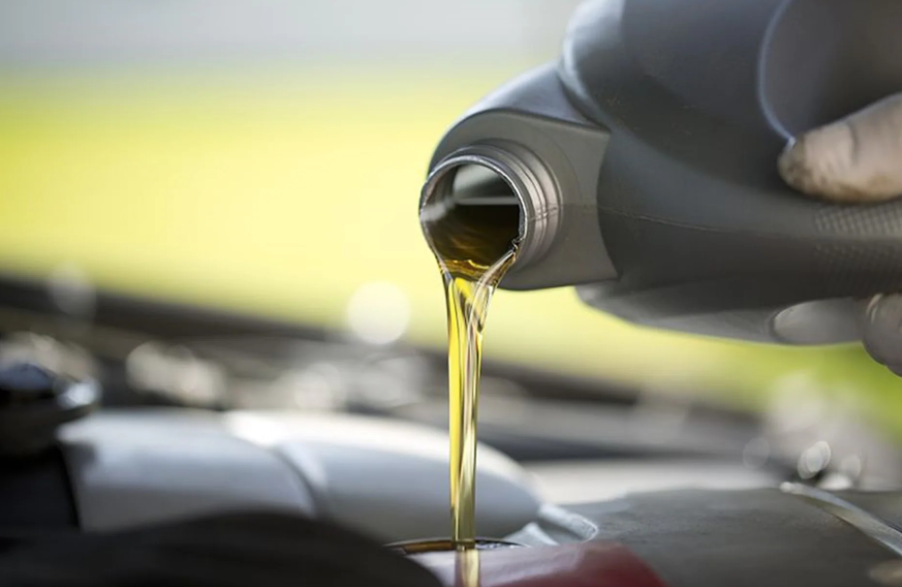
Are engine additives worth it? Engine additives can help improve performance in older or troubled engines, but they offer minimal benefits for well-maintained, modern vehicles. They should be used as a supplement to regular maintenance.
The automotive industry has a plethora of products that claim to improve your vehicle’s performance, and engine additives are one of the most heavily marketed products. The promises sound too good to be true: cleaner engines, improved fuel economy, and a longer engine lifespan. However, many vehicle owners wonder if the several engine additives on the market are worth the cost.
In this engine additives guide, we will look at the promises engine additives make, the different kinds, and if they really do what they claim to do. By the end of this guide, you will be able to decide if the engine additives are worth the expense or if they are a waste of money.

Contents
What are Engine Additives?
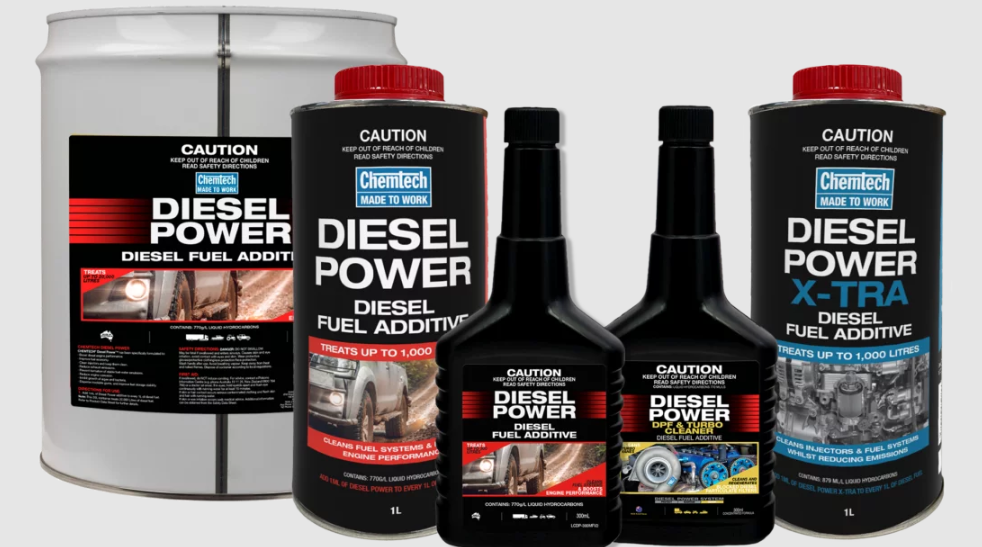
Engine additives are specialized chemical compounds that are created to improve the functioning of a specific engine operation. Engine additives are marketed to wash, preserve, and enhance engine performance at a fraction of the cost of engine repairs. Additives are designed to be mixed with fuel, oil, or engine coolant.
Various kinds of engine additives exist on the market with each one designed to fix certain issues or problems with the engine. Fuel additives, oil additives, octane boosters, and antifreeze additives are a few examples of engine additives.
Types of Engine Additives
To determine if engine additives are worth it, you need to first fully grasp what additives are available and what they do. Here are a few examples of the most commonly used engine additives.
1. Fuel System Additives
Fuel system additives interact with the internal systems of the vehicle’s engine including the fuel injectors, combustion chambers, and intake valves, cleaning and protecting these systems. From time to time, these systems build up dirt and sludge which can negatively affect the engine’s efficiency, result in muddy idling, and even increase the fuel consumption.
- Fuel Injector Cleaners: This type of engine additive removes dirt and carbon build up from fuel injectors which helps the engine receive the appropriate amount of fuel for combustion. Fuel injectors that are clean improve efficiency of combustion, increase power, and ultimately improves fuel efficiency.
- Fuel Stabilizers: Fuel stabilizers are used to keep fuel fresh, especially if the vehicle is going to be stored for a long time. Fuel can degrade over time, especially in the presence of moisture and air, leading to gum and varnish. Fuel stabilizers prevent this, saving the quality of the fuel and stopping harmful deposits from forming in the engine.
2. Oil Additives
Oil additives can help improve the lubricating and protective quality of engine oil. These oil additives help to decrease friction, and prevent wear, helping the engine to run smoothly for a long time.
- Viscosity Improvers: These additives are meant to help maintain the right thickness, or viscosity, of the engine oil, regardless of if it is hot or cold. Engine oil needs to be thin enough to flow freely when the engine gets cold, but thick enough to lubricate when the engine gets hot. Viscosity improvers help add this balance to engine oil.
- Detergents and Dispersants: These oil additives help keep an engine clean, and prevent built up sludge and carbon deposits. These additives keep dirt, soot, and a lot of different harmful contaminants suspended in the engine oil, and can be filtered out when the engine oil is changed.
- Anti Wear Additives: Your car’s engine contains many moving parts. Over time, these parts can become damaged due to friction. Engine anti wear additives reduce friction between these moving parts. These additives form a smooth, protective layer over metal engine parts. This protects metal parts from touching each other, and helps them wear down less over time.
- Octane Boosters: Fuel additives also include octane boosters. Octane booster fuel additives increase the octane rating of gasoline. Higher octane ratings can increase engine performance. Pre-ignition and knocking can occur without a higher octane rating. Knocking can occur when stressful situations like heavy acceleration and high speed driving occur. Octane boosters also stop an engine from knocking with an increased fuel octane rating.
3. Octane Boosters
Octane boosters and higher performance engines are used with high compression ratios. Most daily use vehicles don’t require higher octane fuel, so they do not need octane boosters or higher performance engines.
4. Antifreeze Additives
Coolant additives are also known as antifreeze additives. Antifreeze additives help protect a vehicle’s cooling system from high and extreme temperatures. Antifreeze additives help prevent rust, corrosion, and the build up of scale in the engine cooling system and radiator.
By keeping the coolant effective for a longer periods of time and improving heat transfer, the life of the cooling system can be extended by antifreeze additives. They can also be used to prevent freezing in extreme cold, allowing the engine to stay cool in difficult winter situations.
Are Engine Additives Effective?
We can now attempt to determine whether the various types of engine additives work.
1. Additives For Fuel Systems
One of the most popular types of additives is fuel system additives. They include what are known as injector cleaners. Loads of drivers say that after fuel system cleaner, they experience better engine performance with improved acceleration and better throttle response. Particularly on older vehicles, fuel system cleaners are good at improving clogged fuel flow.
It’s worth stating that fuel system cleaners will not fix engines that are already seriously damaged because of carbon build up. If an engine has been neglected and needs extensive cleaning or repairs done, a professional service would be your best bet. On most cars, fuel system cleaners are able to really help sustain and improve an engines performance over time even if it is not noticeably cleaner.
2. Oil Additives
Certain engines can benefit from some oil additives, such as anti-wear compounds and viscosity modifiers. Oil additives that reduce friction and wear can help engines run smoother. Viscosity additives are a “good” thing to have as it can improve performance in vehicles with “extreme uses” at low and high temperatures.
When talking about oil additives, modern engines that have been designed with high quality oils render these additives unecessary. In fact, most automotive engineers say don’t use oil additives, and for the most part, they are correct. If your engine isn’t old or if you aren’t having specific issues, such as an engine that is prone to wear, you’re probably better off without the additives.
3. Octane Booster
Octane boosters can help high performance cars because they help with knocking and pre-ignition. But in the case with most cars, octane boosters do not help because most cars, including modern cars, are designed in such a way that they use modern unleaded fuel, and therefore using an octane booster will not lead to any improvements to performance and/or fuel economy.
In the case of tuned high performance cars, octane boosters can help, but they should never be seen as a substitute for proper tuning and should never be seen as a substitute for routine maintained to the engine.
4. Antifreeze Additives
In the case of badly designed climates with wet and dry freezing and extreme heat cycles, antifreeze additives are helpful because they protect the radiator and the entire cooling system. There will be less damage to antifreeze additives and they will extend the life of the radiator and the cooling system.
In regular and most cases, antifreeze additives are not needed and as long as a good and proper antifreeze is used, and if the cooling system is maintained on a regular basis. But for older cars that have older and aging cooling systems, or in areas that are experiencing extreme climates, antifreeze additives can be of help.
Are Engine Additives Worth It?
Engine additives do have their benefits. Whether engine additives work is entirely up to the user and their purpose for the additive. Different types of engine additives solve different problems.
Engine additives work best for older vehicles or those with specific problems, such as poor fuel economy or engines that are idling rough. Engine additives are not as good with newer vehicles that have already been maintained.
Engine additives help just for a short amount of time and for a short amount of work that needs to be done. Engine additives do not replace standard procedures, like changing the oil, using the correct gas for the engine, and maintaining the engine.
Frequently Asked Questions
Here are some FAQs about engine additives –
1. Do engine additives increase fuel efficiency?
Some engine fuel additives increase fuel efficiency by cleaning the fuel injectors and combustion chambers. The increase is not always guaranteed depending on the engine.
2. Do modern cars need oil additives?
High quality oil for modern vehicles does not need additives. Older vehicles may benefit from oil additives.
3. Can octane boosters improve engine performance?
Yes, octane boosters can help prevent knocking in high-performance engines and custom-modified engines. But, boosters are not needed in most everyday cars that run on regular unleaded gas.
4. Do fuel system additives work?
Yes, fuel system additives that claim to clean fuel injectors and unclog fuel lines can improve fuel burn and engine efficiency and fuel efficiency.
5. Should I use antifreeze additives in my vehicle?
Yes. If you live in extremely low temperatures and/or your vehicle is older and has a worn-out cooling system, antifreeze additives can be helpful. But, newer vehicles with better antifreeze don’t need them.
Conclusion
Some engine additives can improve your engine’s performance in certain situations. However, they are not a substitute for proper maintenance.
Drivers who don’t use engine additives likely don’t think they’re necessary. On the other hand, some drivers who do use additives find them effective. Additives may be more beneficial for older, more complex vehicles or those with performance issues. These vehicles may experience greater improvement from additives.
The decision to use engine additives depends on the driver’s needs and the vehicle’s condition. When used properly, additives can offer additional protection. However, they shouldn’t be relied upon as a primary solution for performance improvement.


