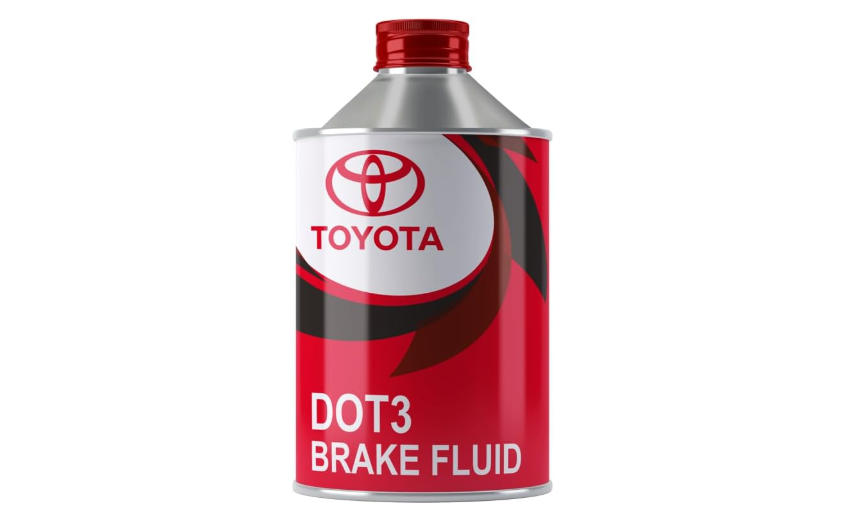
Toyota Brake Fluid Manufacturers: Quality You Can Trust
Toyota brake fluid manufacturer provides high-performance fluids tailored for Toyota vehicles, ensuring safety and reliability. These fluids are designed to […]

Toyota brake fluid manufacturer provides high-performance fluids tailored for Toyota vehicles, ensuring safety and reliability. These fluids are designed to […]
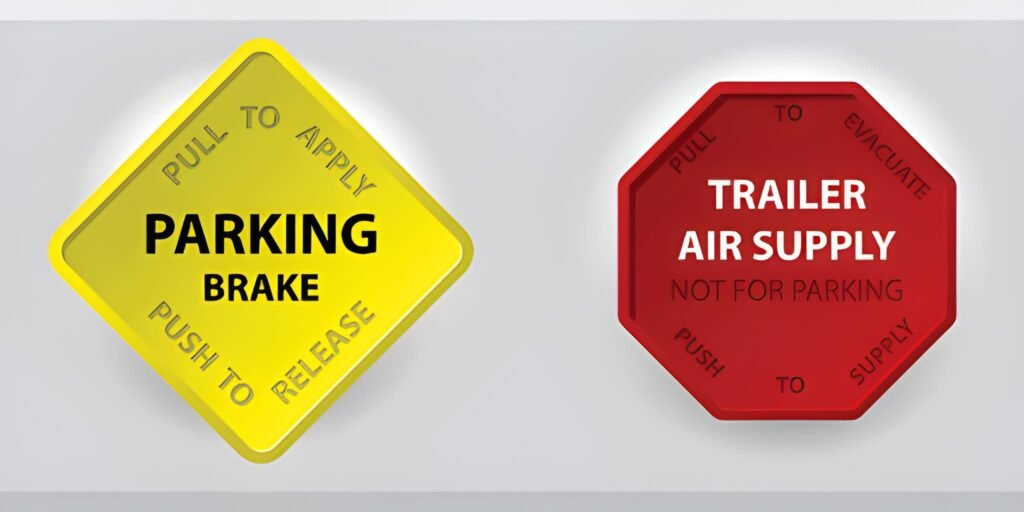
When should you test your parking brakes CDL? You should test your parking brakes during the pre-trip inspection, ensuring they

Parking brake unavailable car won’t start usually means a malfunction in the electronic parking brake system. It’s often caused by
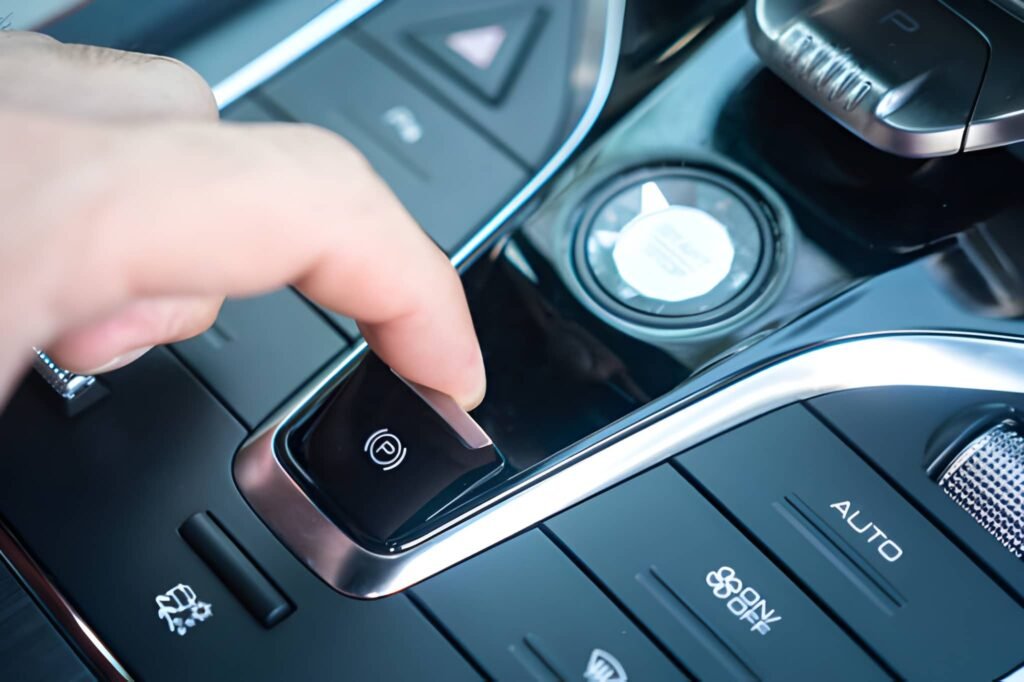
Should you always use your parking brake? Yes, you should. Using your parking brake helps prevent your car from rolling,
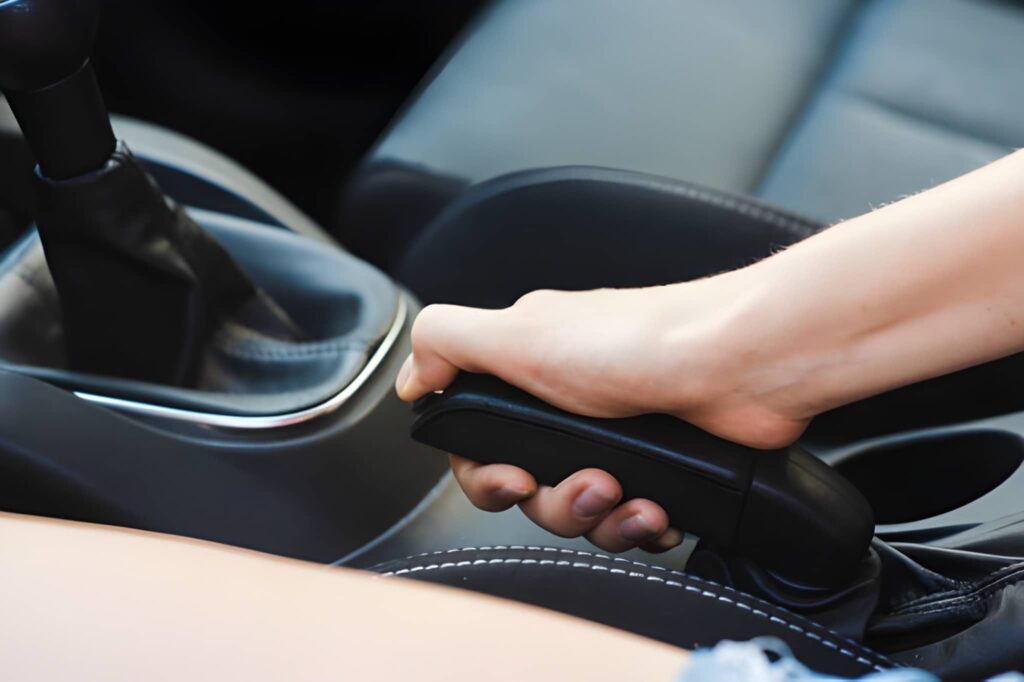
Parking brake not holding can be caused by several issues, such as worn-out cables, damaged brake shoes or pads, rust
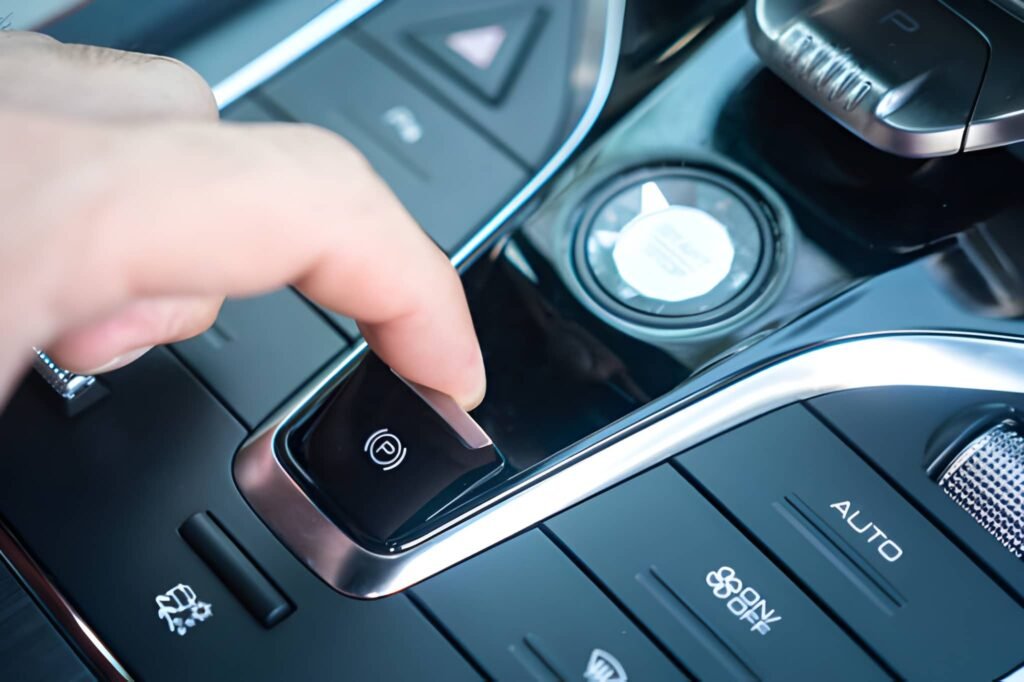
Leaving your parking brake on overnight is usually safe, but doing it often can cause wear or sticking. Learn when
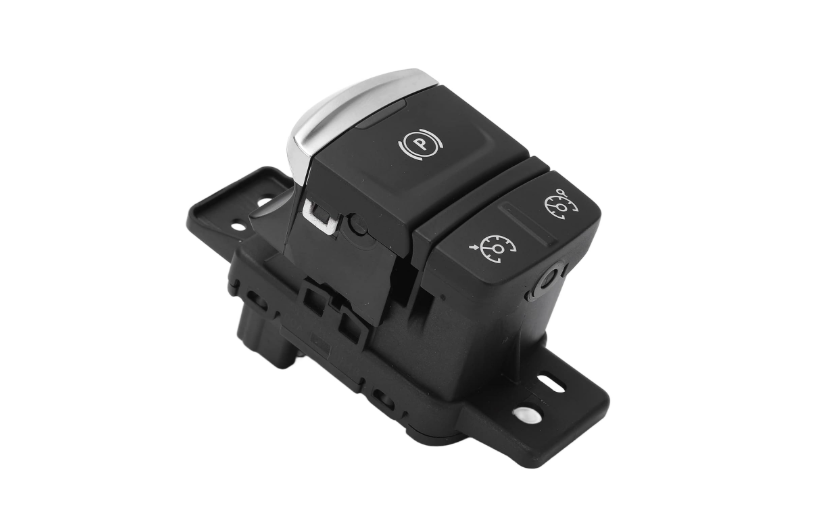
A faulty parking brake switch can cause the parking brake light to stay on or prevent proper brake engagement. It’s

Parking brake shoe replacement is needed when the parking brake stops holding the vehicle or makes noise. Replacing the shoes
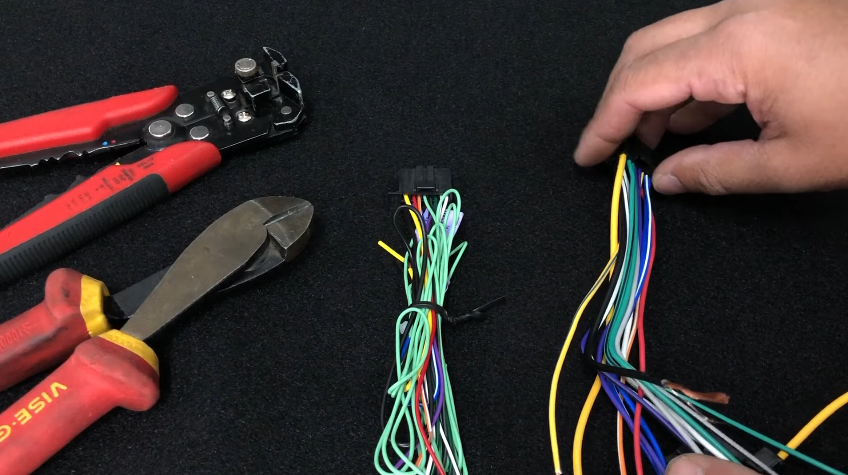
Bypass parking brake Pioneer involves disabling the parking brake safety feature, allowing access to video and other functions while driving.