


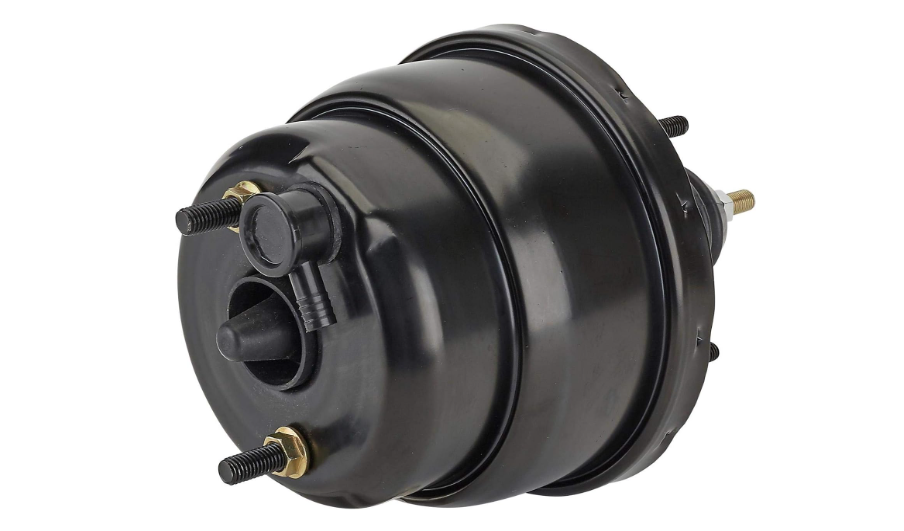
Bad brake booster symptoms include a hard brake pedal, longer stopping distances, and hissing sounds. These issues arise when the booster fails to assist braking, making it harder to stop the vehicle.
The brake booster is a critical component in a vehicle’s braking system. It amplifies the force exerted on the brake pedal, making it easier for the driver to stop the vehicle with less effort. When the brake booster fails or begins to malfunction, it can lead to noticeable changes in braking performance. Recognizing these issues early can help prevent more severe damage to your braking system, ultimately keeping you safer on the road.
This guide will dive deep into the various symptoms of a bad brake booster, explaining the cause behind each issue and providing solutions for how to fix them. Whether you’re a new driver or an experienced car owner, understanding these signs is essential for maintaining the safety and performance of your vehicle.


Contents
Common Symptoms of a Bad Brake Booster
The brake booster plays a crucial role in enhancing the braking performance of your vehicle by reducing the effort needed to apply pressure on the brake pedal. When it begins to fail, several symptoms may arise, which can significantly affect your driving experience and safety. Let’s take a closer look at the most common signs that indicate a bad brake booster.
1. Hard Brake Pedal
A hard brake pedal is one of the most common signs that your brake booster is failing. When the brake booster operates properly, it uses vacuum pressure to reduce the effort required to press the brake pedal. However, when the booster begins to fail, you’ll notice that the brake pedal becomes stiffer, making it harder to stop the vehicle.
- What Happens: The brake booster uses vacuum pressure to assist the braking system, reducing the amount of effort you need to apply on the brake pedal. When there’s a loss of vacuum or a fault in the booster, the pedal becomes hard and requires significantly more pressure to slow or stop the vehicle.
- Possible Causes:
- Vacuum leak: The vacuum hose may crack or detach, reducing pressure and causing the pedal to become stiff.
- Internal failure of the booster: Over time, the components of the brake booster (e.g., the diaphragm) wear out, leading to reduced functionality.
- Faulty master cylinder: If the master cylinder is damaged, it can exacerbate braking issues and cause the brake pedal to feel hard.
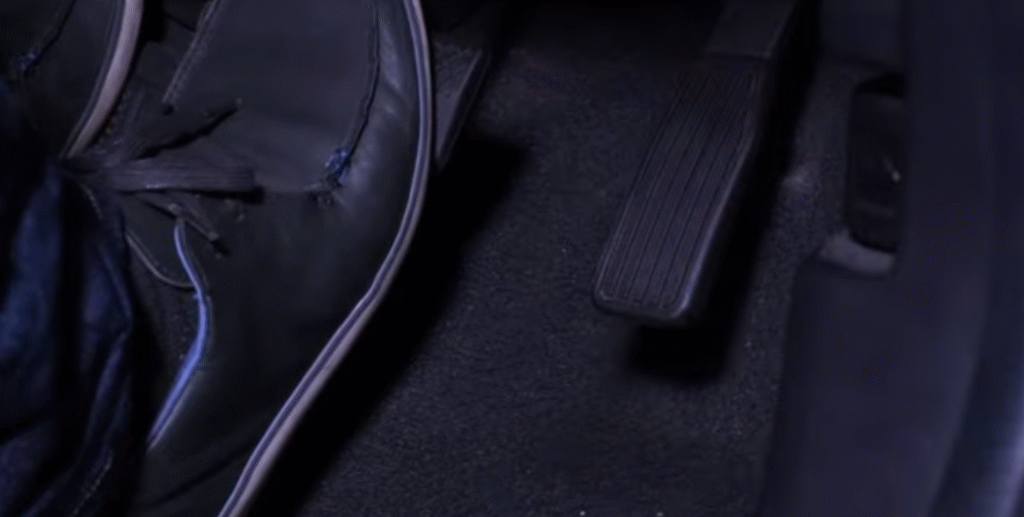
2. Brake Pedal Sinks to the Floor
If you notice the brake pedal sinking to the floor when you apply pressure, this could indicate a serious issue with your brake booster. This symptom is more dangerous because it suggests that your braking system is not responding as it should, and you might not be able to stop the vehicle effectively.
- What Happens: A failing brake booster may not create the correct amount of vacuum pressure required for normal braking operation. Without that pressure, you might need to apply far more force to the pedal, and sometimes, the pedal will sink slowly to the floor.
- Possible Causes:
- Leaking brake fluid: A loss of brake fluid can cause the master cylinder to fail, and when fluid levels are low, the pedal may sink.
- Damaged brake booster diaphragm: The internal diaphragm can crack or wear out over time, preventing the booster from assisting in brake pedal application.

3. Hissing Sound from the Brake Pedal
A hissing sound coming from the brake pedal area is another clear sign of a malfunctioning brake booster. This noise occurs when air escapes from the vacuum system, typically due to a vacuum leak within the brake booster itself.
- What Happens: The brake booster relies on vacuum pressure created by the engine to assist with braking. If the diaphragm inside the booster tears or a vacuum hose becomes cracked, air can leak out, causing a hissing noise when you press the brake pedal.
- Possible Causes:
- Cracked or worn diaphragm: The diaphragm inside the brake booster helps maintain vacuum pressure. If it becomes damaged, it leads to air leaks.
- Faulty vacuum hose: A cracked or loose vacuum hose can cause the system to lose pressure, leading to a vacuum leak and a hissing sound.
- Internal failure of brake booster: In some cases, internal damage to the brake booster could lead to this issue.
4. Increased Stopping Distance
If your vehicle is taking longer to stop than usual, it could be a symptom of a bad brake booster. This problem arises because the braking system is not receiving the assistance it needs from the booster to slow the vehicle efficiently.
- What Happens: Without proper vacuum assistance, the brake pedal requires more pressure to engage, meaning it can take longer to apply enough force to bring your car to a complete stop. This increased stopping distance may not be as noticeable at low speeds, but it becomes much more dangerous at higher speeds.
- Possible Causes:
- Failure of the brake booster diaphragm: The diaphragm in the brake booster helps generate the necessary vacuum to assist braking. If it’s damaged, you might need to exert more force on the pedal.
- Loss of vacuum pressure: A leak in the vacuum system can cause a drop in vacuum pressure, resulting in reduced braking assistance.
5. Engine Stalls When Brakes Are Applied
In some cases, the malfunction of a brake booster can affect the vehicle’s engine performance. This occurs when there’s a disruption in the vacuum system, which both the brake booster and the engine rely on to function properly. If you experience engine stalling when applying the brakes, it’s important to get the brake booster checked.
- What Happens: A malfunctioning brake booster can disrupt the balance of vacuum pressure in the engine. If the engine’s vacuum system is compromised, it can cause the engine to stall when the brakes are applied.
- Possible Causes:
- Damaged brake booster diaphragm: If the diaphragm ruptures, it can cause a vacuum leak that interferes with the engine’s operation.
- Vacuum hose issues: If the vacuum hose is cracked or disconnected, it can affect both the brake system and the engine’s vacuum, causing the engine to stall.
6. Warning Lights on the Dashboard
Though not directly related to the brake booster, a failing brake booster can affect the overall braking system, which may trigger the brake warning light on your dashboard. If the booster is malfunctioning, your vehicle may not brake efficiently, which could lead to the activation of the ABS or brake system warning light.
- What Happens: When the brake booster fails, the vehicle’s computer system may detect issues with braking performance. This could cause the brake system warning light to illuminate.
- Possible Causes:
- Low brake fluid levels: Low fluid levels can trigger warning lights, especially if the brake booster is not functioning properly.
- Sensor issues: The failure of components like the brake booster can interfere with the brake system’s sensors, causing warning lights to come on.
What Causes Brake Booster Failure?
Brake booster failure is often a gradual process, and it’s important to understand the root causes so you can identify potential issues early. Common causes of brake booster failure include:
1. Vacuum Leaks
Since the brake booster relies on vacuum pressure to operate, any leak in the system can cause it to malfunction. Cracks in the vacuum hoses or seals can allow air to escape, reducing the vacuum pressure needed for proper braking.
2. Damaged Diaphragm
The diaphragm inside the brake booster is responsible for separating the vacuum chambers. Over time, this diaphragm can crack or tear due to age, heat, or pressure, leading to a loss of vacuum pressure and compromised braking power.
3. Master Cylinder Failure
A failing master cylinder can place extra stress on the brake booster. When the master cylinder is damaged or worn out, it can disrupt the functioning of the booster, resulting in braking issues.
4. Wear and Tear
Brake boosters, like any other vehicle component, have a limited lifespan. Over time, parts inside the brake booster may wear out, and this wear and tear can result in reduced functionality, leading to the symptoms mentioned above.
How to Diagnose and Fix a Bad Brake Booster
Diagnosing a bad brake booster typically requires a series of tests. If you experience any of the symptoms listed above, follow these steps:
1. Visual Inspection
Start by visually inspecting the brake booster and vacuum hoses for any visible cracks, wear, or leaks. Look for any signs of fluid or air leakage around the booster and its associated components.
2. Vacuum Test
Use a vacuum gauge to check the vacuum pressure in the brake booster. A low reading could indicate a problem with the booster or a vacuum leak.
3. Listen for Hissing Sounds
Press the brake pedal and listen closely for any hissing sounds, which indicate a vacuum leak. If you hear a hiss, this may point to a crack or hole in the brake booster diaphragm or vacuum hose.
4. Check the Brake Fluid Level
Ensure that the brake fluid levels are within the recommended range. Low brake fluid can indicate a leak somewhere in the braking system, which could also affect the brake booster.
5. Consult a Professional Mechanic
If you’re unable to diagnose the issue yourself, it’s important to seek the help of a professional mechanic. A brake booster replacement is typically a complex procedure that should be performed by an expert.
Preventing Brake Booster Issues
Although brake boosters will naturally wear out over time, there are a few things you can do to prolong their lifespan:
- Regular maintenance: Schedule regular brake inspections to check for any issues with the brake booster and the entire braking system.
- Vacuum system checks: Inspect the vacuum lines regularly for cracks or leaks.
- Proper brake fluid maintenance: Make sure your brake fluid is topped up and change it as recommended by your vehicle’s manufacturer.
- Promptly address warning lights: If your brake system warning light illuminates, take immediate action to diagnose and fix the issue.
Frequently Asked Questions
Here are some FAQs about bad brake booster symptoms –
1. What is a brake booster, and why is it important?
A brake booster amplifies the force applied to the brake pedal by using vacuum pressure. This makes it easier to stop your vehicle, reducing the effort required to apply the brakes. Without it, braking would be much harder and less effective.
2. How much does it cost to replace a brake booster?
The cost of replacing a brake booster varies depending on the make and model of your vehicle, but it typically ranges from $300 to $800, including labor costs.
3. Can I drive with a bad brake booster?
It’s not recommended to drive with a malfunctioning brake booster. A bad brake booster will make it much harder to stop your vehicle, significantly increasing the risk of an accident. Get it repaired as soon as possible.
4. How long does a brake booster last?
A brake booster can last between 100,000 to 200,000 miles, depending on maintenance and usage. However, it may begin to show signs of wear after several years of use.
5. What happens if the brake booster fails?
If the brake booster fails, it will make the brake pedal harder to press, reduce braking efficiency, and increase stopping distance. In some cases, it can also cause the engine to stall when the brakes are applied.
Conclusion
A malfunctioning brake booster can significantly impact your vehicle’s braking ability, compromising your safety on the road. Understanding the symptoms of a bad brake booster, such as a hard brake pedal, increased stopping distance, and engine stalling, can help you diagnose the issue early. Timely repairs and regular maintenance can prevent major braking system failures and ensure your vehicle’s safety.
If you notice any of the symptoms mentioned in this guide, it’s important to consult a professional mechanic to resolve the issue promptly.


