


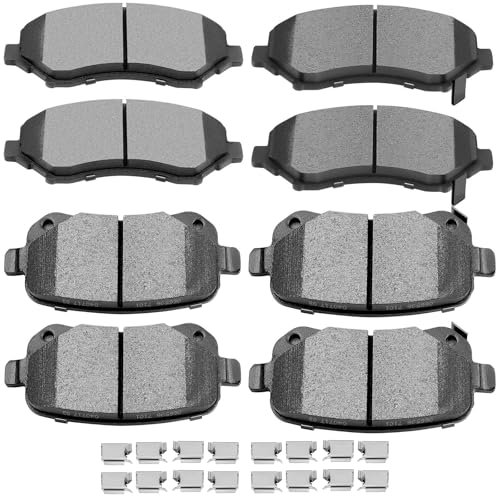
Best aftermarket brake pads provide improved performance and durability. Ceramic pads are great for daily use, while semi-metallic ones offer strong stopping power for performance driving.
Choosing the right aftermarket brake pads for your vehicle will enhance its stopping power, safety, and comfort, making it an important consideration. With so many options available, picking the right brake pads for your vehicle can feel overwhelming. There are a variety of aftermarket brake pads designed for every purpose, whether you are replacing worn out brake pads, or performing an upgrade.
This comprehensive guide will explain everything you need to know about aftermarket brake pads, including the various materials available and the benefits of each, to assist you in making the best choice for your vehicle.
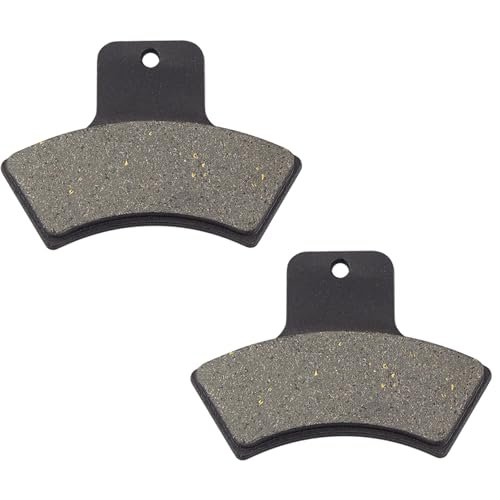
Contents
- 1 What are Aftermarket Brake Pads?
- 2 Types of Aftermarket Brake Pads
- 3 How to Find Quality Aftermarket Brake Pads for Your Car
- 4 Top 5 Best Aftermarket Brake Pads for 2026
- 5 How to Maintain Aftermarket Brake Pads
- 6 Frequently Asked Questions
- 7 Conclusion
What are Aftermarket Brake Pads?
Aftermarket brake pads can be defined as brake pads manufactured and marketed by independent companies. They are developed to be compatible to a broad spectrum of vehicles and are used as substitutes for the original equipment manufacturer (OEM) brake pads. In certain respects, these pads can help improve your vehicle’s performance by increasing stopping power, quieting operation, producing less brake dust, and lasting longer.
Aftermarket pads, unlike the OEM stock brake pads which are manufactured so that they meet the minimum quality standards, offer an INFINITE number of compositions and performance characteristics. This wide variety grants the consumer the power to select brake pads that will best suit his/her driving needs and style.
Types of Aftermarket Brake Pads
Aftermarket brake pads come in several different types, each suited for different driving conditions and vehicle types. The three main types are ceramic, semi-metallic, and organic (NAO) brake pads. Let’s break down each one:
1. Ceramic Brake Pads
Ceramic brake pads are among the most popular choices for aftermarket brake pads due to their superior quietness, low dust production, and long lifespan. These pads are made from a combination of ceramic materials, bonding agents, and other materials such as copper. They are ideal for daily drivers who seek quiet and smooth braking.
Key Features of Ceramic Brake Pads:
- Quiet Operation: Ceramic brake pads are known for their quiet operation. The materials used in their construction produce minimal noise during braking.
- Low Dust Production: Ceramic pads generate less brake dust compared to other materials, which keeps your wheels cleaner and reduces the need for frequent cleaning.
- Smooth Braking Performance: Ceramic brake pads provide a smooth and consistent braking experience, making them ideal for city and highway driving.
- Long Lifespan: Ceramic brake pads tend to last longer than their semi-metallic and organic counterparts, offering value for money in the long run.
Best for:
- Daily driving
- Sedans and light vehicles
- Drivers who prioritize low dust and quiet operation
Top Brands:
- Brembo
- Bosch QuietCast
- Akebono ProACT
2. Semi-Metallic Brake Pads
Semi-metallic brake pads are made from a blend of metal fibers, such as steel or copper, combined with other materials like graphite, resins, and friction modifiers. These brake pads are known for their exceptional stopping power, especially under heavy braking and high temperatures, making them the go-to option for performance vehicles and trucks.
Key Features of Semi-Metallic Brake Pads:
- High Stopping Power: Semi-metallic pads offer excellent braking power, even in high-temperature conditions, making them ideal for performance driving or heavy-duty vehicles.
- Durability: These pads are built to last, especially under high stress or heavy loads, and are resistant to brake fade.
- Noise and Dust: One downside is that semi-metallic pads can be noisier and produce more dust compared to ceramic pads. However, this can be mitigated with high-quality designs.
- Heat Resistance: Semi-metallic pads can handle heat better than other types of pads, making them perfect for aggressive driving, towing, or off-roading.
Best for:
- Trucks and SUVs
- Performance vehicles
- Drivers who engage in aggressive driving or towing
Top Brands:
- Raybestos
- ACDelco Professional
- Hawk Performance
3. Organic (NAO) Brake Pads
Organic brake pads, also known as Non-Asbestos Organic (NAO) pads, are made from natural materials such as rubber, carbon compounds, and resins. These brake pads are softer and provide smooth braking with minimal noise. They are ideal for light-duty vehicles and city driving.
Key Features of Organic Brake Pads:
- Quiet Operation: Organic brake pads are some of the quietest options available, making them a great choice for drivers who prioritize a smooth and noiseless driving experience.
- Soft on Rotors: These pads are gentle on your vehicle’s rotors, causing less wear and tear over time.
- Lower Cost: Organic brake pads are often more affordable compared to ceramic or semi-metallic options.
- Faster Wear: While organic pads offer a quiet and smooth ride, they tend to wear out faster than ceramic and semi-metallic pads, especially in heavy traffic or aggressive driving.
Best for:
- City driving
- Light vehicles with minimal braking demands
- Budget-conscious buyers
Top Brands:
- Wagner ThermoQuiet
- Bosch Blue Disc
- EBC Greenstuff
How to Find Quality Aftermarket Brake Pads for Your Car
Choosing the right aftermarket brake pads isn’t as easy as simply picking the cheapest option. There are variables like how you drive, the vehicle you own, and what environment you drive in. Here are some ways to ensure you pick the right option.
1. Fitment to the Car
Before anything else, you need to ensure that the brake pads you are buying fit to your car. Many brake pads fit to multiple car models, however, it is always better to check than make assumptions. Buying brake pads that are too big or too small compared to the recommended sizes, will hinder your ability to brake. This can also lead to noise from your brake pads, and reduce the overall safety of your car.
2. Consider the Driving Style
Brake pads will need to be changed based on your driving style.
High-Speed Driving: If you do a lot of high speed or aggressive driving, then you need your brake pads to be able to withstand a lot of heat. In this case, prefer semi-metallic pads as they do a lot better compared to others in those situations.
Everyday Driving: For everyday driving or daily commutes, you should instead opt for ceramic brake pads as they do much better in these situations. For daily commute brake pads, you would want something that is really quiet, and does not create a lot of brake dust.
Heavy-duty usage: If you own a truck, SUV, or you regularly tow large loads, then semi-metallic pads would be more appropriate, given their heat resistance and durability.
3. Requirements and Performance
Determine what performance level you expect from your brake pads.
Standard performance: If you want standard performance and a brake pad with minimal noise, then ceramic pads would be a good option.
Heavy-duty: If your vehicle is loaded heavily, or if you brake at high temperatures frequently, then semi-metallic brake pads would be more appropriate.
4. Brake pads cost vs their lifespan
Organic brake pads are cheaper, but they generally tend to wear out quickly. Whereas, ceramic brake pads tend to be more expensive, but they last longer as well, and need less maintenance. So, consider your budget and how often you want to replace the pads.
Top 5 Best Aftermarket Brake Pads for 2026
Here are some of the best aftermarket brake pads you can buy for 2026 based on performance, durability, and customer reviews:
1. Brembo Ceramic Brake Pads
Brembo is a globally recognized brand in the performance automotive industry, and their ceramic brake pads are designed for everyday driving with a focus on low dust, quiet operation, and durability.
Features:
- Made with advanced ceramic materials for superior performance
- Low dust and quieter than traditional brake pads
- Long-lasting and ideal for daily driving
2. Hawk Performance HPS 5.0 Semi-Metallic Brake Pads
Hawk Performance offers premium brake pads with aggressive friction materials, making them perfect for performance vehicles. These pads deliver excellent stopping power and heat resistance.
Features:
- High-performance friction material for increased braking power
- Excellent heat resistance, ideal for aggressive driving
- Longer lifespan compared to standard pads
3. Akebono ProACT Ultra-Premium Ceramic Brake Pads
Akebono is a trusted name in automotive parts. Their ProACT ceramic pads offer quiet, clean, and consistent performance. They’re known for providing excellent stopping power in a wide range of driving conditions.
Features:
- Low noise and dust
- Superior stopping power for everyday use
- Long-lasting and affordable
4. Wagner ThermoQuiet Ceramic Brake Pads
Wagner ThermoQuiet brake pads feature a patented design that minimizes noise, making them perfect for drivers who want a quieter ride without sacrificing braking performance.
Features:
- Unique technology to reduce noise and vibration
- Easy to install and long-lasting
- Great value for the money
5. EBC Greenstuff 2000 Series Organic Brake Pads
EBC Greenstuff pads are organic and designed for everyday vehicles that prioritize quiet and smooth operation. These pads are softer and cause minimal rotor wear.
Features:
- Smooth braking performance
- Soft and quieter compared to semi-metallic pads
- Affordable and easy to install
How to Maintain Aftermarket Brake Pads
Aftermarket brake pads need consistent care to maximize their potential. Here’s how it’s done:
Brake Pad Inspections: Check your brake pads whenever your car isn’t showing top performance. Inspect your pads every 12,000 miles. Check for signs of cracks and damage. If your pads show signs of excessive wear, consider replacement for your own safety.
Follow The Bedding in Process: New pads will have to complete a bedding-in process. As you’re driving, avoid aggressive braking to allow the pads to make as much contact as they can with the rotor.
Take Off The Dust: In the process of braking, pads can accumulate a lot of dust debris which can, in turn, make your brake pads and braking system wear out a lot quicker. To avoid this, it is a good idea to clean your pads and the brake system regularly.
Frequently Asked Questions
Here are some FAQs about aftermarket brake pads –
1. Are aftermarket brake pads better than OEM?
Yes, aftermarket pads outperform OEM pads in both performance and durability. OEM pads do not outperform aftermarket pads because they do not offer different materials engineered for different types of driving.
2. How long do aftermarket brake pads last?
The lifespan of aftermarket brake pads varies based on the type of material used. For instance, it is expected that ceramic brake pads will last 30,000 to 70,000 miles. For semi-metallic brake pads, it is expected to be less than that of ceramic if it is to be used in performance conditions.
3. Can I put aftermarket brake pads on myself?
Sure, putting on aftermarket brake pads is a job that most people with basic skills can handle. Remember that there is no shame in seeking help from a mechanic.
4. Do brake pads affect braking performance?
The quality of brake pads can greatly influence the braking performance. Stopping power, noise, and overall ride comfort can be affected if the pads have been upgraded.
5. Do ceramic brake pads cost more and are they worth it?
If you prefer a vehicle that is quieter and has no brake dust then you will appreciate the cost of ceramic brake pads. Everyday driving will be more convenient with them as they last longer than organic and semi-metallic pads.
Conclusion
Selecting quality aftermarket brake pads can improve your vehicle’s braking performance, safety, and comfort. Each type of brake pad, whether ceramic, semi-metallic, or organic, comes with unique advantages. For instance, ceramic pads tend to be quiet and clean. Semi-metallic pads perform better at extreme temperatures while organic pads tend to be better for city driving because of the more affordable and smoother ride.


