


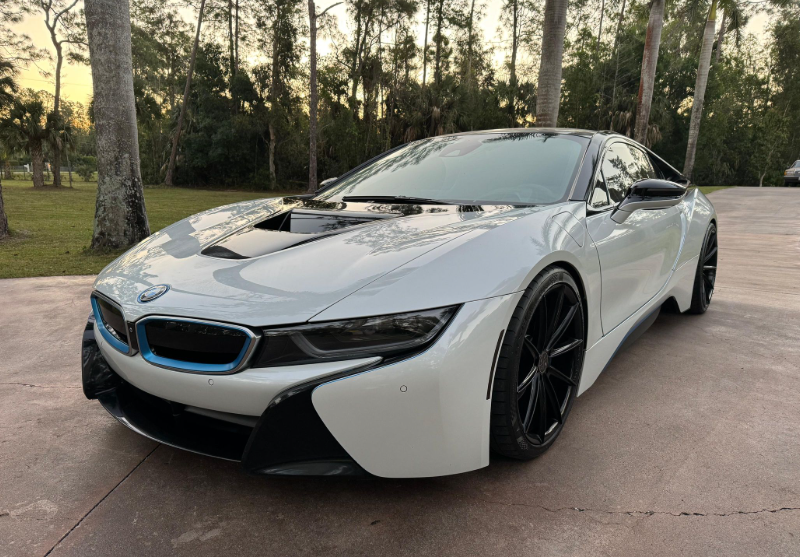
The engine in BMW i8 is a hybrid system combining a 1.5-liter turbocharged engine with an electric motor. It delivers powerful performance and excellent fuel efficiency.
The engine in BMW i8 is a remarkable example of the future of sports car engineering. Rather than relying solely on traditional combustion engines, the i8 integrates a hybrid powertrain that combines a turbocharged three-cylinder engine with an electric motor. This innovative approach helps achieve a blend of both performance and environmental responsibility. The result is a car that not only offers incredible acceleration and handling but also delivers excellent fuel efficiency compared to traditional sports cars.
In this article, we will dive into the details of the engine in BMW i8, including how its hybrid powertrain works, its key components, performance specifications, and how the combination of electric and gasoline power contributes to the i8’s unique driving experience. We’ll also explore the impact of the i8’s engine on the automotive market, comparing it to other high-performance vehicles and understanding how it fits into BMW’s vision for the future of mobility.

Contents
- 1 How the Engine in BMW i8 Works
- 2 Performance of the Engine in BMW i8
- 3 Comparison to Other Hybrid Sports Cars
- 4 Legacy and Impact of the BMW i8 Engine
- 5 Frequently Asked Questions
- 6 Conclusion
How the Engine in BMW i8 Works
The engine in BMW i8 is part of an innovative hybrid powertrain that combines a small but powerful gasoline engine with an electric motor. This hybrid system delivers impressive performance while maintaining efficiency, with each component working in harmony to provide the best driving experience possible.
The Hybrid Powertrain Concept
The engine in BMW i8 operates within a hybrid framework. A hybrid vehicle uses two different power sources: an internal combustion engine (ICE) and an electric motor. The combination of these systems allows for increased efficiency, reduced emissions, and better fuel economy, all while retaining the performance that BMW is known for.
In the case of the i8, the system is designed to seamlessly blend the two power sources, offering the best of both worlds. The gasoline engine provides traditional power, while the electric motor delivers instant torque, which is perfect for acceleration. Together, they provide the kind of performance that a traditional sports car engine can offer, but with a focus on efficiency and low emissions.
1. The Gasoline Engine: A Compact 1.5-Liter Turbocharged Three-Cylinder
At the heart of the engine in BMW i8 is a 1.5-liter turbocharged three-cylinder gasoline engine. This engine may seem small compared to traditional high-performance engines, but it packs a punch. Thanks to the TwinPower Turbo technology developed by BMW, this engine produces impressive power and torque for its size.
Key Features of the Gasoline Engine:
- Turbocharged for increased power and efficiency
- Three-cylinder layout for compactness and lightness
- Output: Approximately 228 horsepower (170 kW)
- Torque: Approximately 236 lb-ft (320 Nm)
Despite its small displacement, the turbocharged engine can achieve remarkable acceleration, thanks to the forced induction from the turbocharger, which increases the air intake to improve combustion efficiency. The compact size of the engine also contributes to the car’s low weight, which is an important factor in improving handling and overall performance.
2. Electric Motor: Instant Torque and Silent Performance
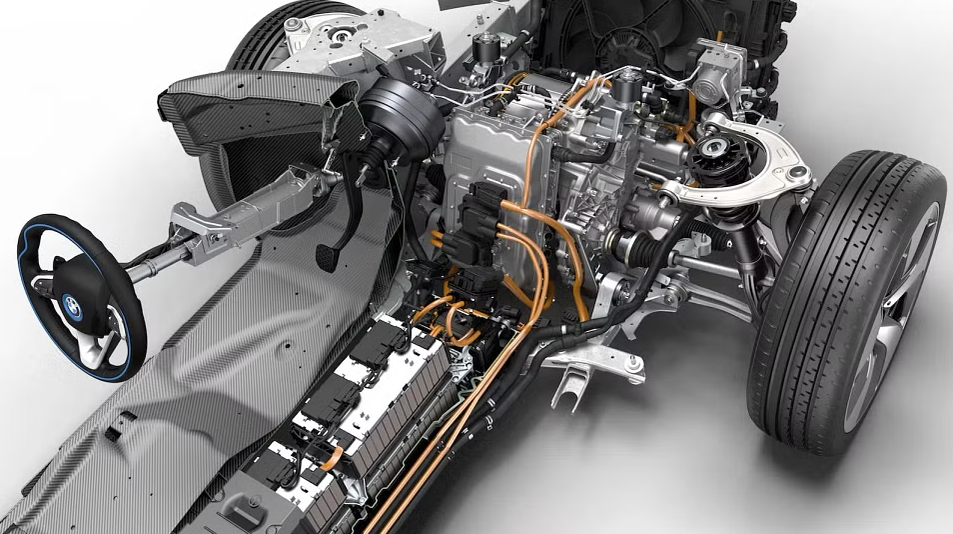
The engine in BMW i8 also features a powerful electric motor that works in tandem with the gasoline engine. The electric motor is located at the front axle, providing all-wheel-drive performance in combination with the rear-mounted gasoline engine.
Key Features of the Electric Motor:
- Power output: Approximately 131 hp (98 kW)
- Torque: Instant torque delivery with 184 lb-ft (250 Nm)
- Location: Front axle (providing all-wheel-drive capability)
- Energy source: 11.6 kWh lithium-ion battery
The electric motor provides significant power to the i8 and contributes to the car’s ability to operate in electric-only mode, also known as eDrive mode. In this mode, the i8 is capable of driving short distances (around 15–23 miles) without using any gasoline.
One of the key benefits of the electric motor is the instant torque it provides. Electric motors can deliver their maximum torque from a standstill, unlike gasoline engines, which need to rev up to produce peak power. This makes the i8 feel fast off the line and offers smooth acceleration without the need for gear shifts.
3. Battery System: Lithium-Ion Power
The engine in BMW i8 also relies heavily on its lithium-ion battery to power the electric motor. The battery is an essential component of the hybrid system, providing energy for electric-only driving and acting as a buffer for the powertrain when both systems are working in tandem.
Battery Specifications:
- Capacity: 11.6 kWh (in later models)
- Charging time: Approximately 2.5 hours via a standard 220-volt outlet
- Range: 15–23 miles (electric-only range)
The battery is recharged through the regenerative braking system or by plugging the vehicle into an external power source. The i8’s battery also plays a crucial role in managing energy between the electric motor and gasoline engine, ensuring that the vehicle always has the right balance of power and efficiency.
4. Intelligent Power Management System
The engine in BMW i8 is part of a sophisticated intelligent energy management system that optimizes the power distribution between the gasoline engine and electric motor. The system continuously monitors the driving conditions, deciding when to engage the electric motor, the gasoline engine, or both for maximum performance and efficiency.
In eDrive mode, the vehicle runs solely on electric power for short distances. In Hybrid mode, both the gasoline engine and electric motor work together to balance fuel efficiency and power. Finally, in Sport mode, both systems are used at full capacity to provide maximum performance for an exhilarating driving experience.
Performance of the Engine in BMW i8
The performance of the engine in BMW i8 is a testament to the potential of hybrid powertrains in sports cars. While it may not have the raw horsepower numbers of some traditional performance vehicles, the combination of the gasoline engine and electric motor delivers an impressive driving experience.
Key Performance Figures:
- Combined horsepower: 369 hp (total from both the gasoline engine and electric motor)
- Combined torque: 420 lb-ft (570 Nm)
- 0–60 mph (0–100 km/h): Approximately 4.2 seconds
- Top speed: Electronically limited to 155 mph (250 km/h)
The electric motor’s instant torque delivery and the twin-turbocharged engine allow the i8 to accelerate quickly, offering a thrilling driving experience. Despite the hybrid setup, the i8 doesn’t compromise on performance, making it one of the most dynamic and efficient sports cars in its class.
Fuel Economy and Eco Benefits
One of the main advantages of the engine in BMW i8 is its excellent fuel economy, thanks to the hybrid powertrain. The i8 delivers impressive fuel efficiency compared to traditional sports cars, while also offering low emissions.
Fuel Efficiency:
- Fuel economy (combined): Around 28 mpg (EPA)
- Electric-only range: Around 15–23 miles
- MPGe (Electric-only driving): Approximately 76 MPGe
This makes the i8 a green sports car alternative, offering the performance expected from BMW while keeping its environmental footprint in check. With increasing global focus on sustainability, the i8 serves as a prime example of how high-performance vehicles can integrate hybrid technology for both efficiency and thrill.
Comparison to Other Hybrid Sports Cars
The engine in BMW i8 set the standard for hybrid sports cars when it was introduced. However, since then, other manufacturers have followed suit with their own hybrid or fully electric performance vehicles. Here’s how the i8 compares to some of its competitors:
1. McLaren P1
- Power: 903 hp (combined electric motor and gasoline engine)
- 0-60 mph: 2.8 seconds
- Price: $1.15 million
The McLaren P1 focuses more on extreme performance, but its price tag is far higher than that of the BMW i8.
2. Porsche 918 Spyder
- Power: 887 hp
- 0-60 mph: 2.5 seconds
- Price: $845,000
The Porsche 918 Spyder has a greater emphasis on track performance, boasting significantly more horsepower than the i8.
3. Audi R8 e-Tron
- Power: 456 hp (electric only)
- 0-60 mph: 3.9 seconds
- Price: $165,000
While the Audi R8 e-Tron is a fully electric vehicle, it competes with the i8 in terms of technology and performance but lacks the gasoline engine that provides the i8 with extended range.
Compared to these ultra-performance vehicles, the BMW i8 strikes a balance between performance and efficiency, with a relatively lower price tag and more accessible features for everyday use.
Legacy and Impact of the BMW i8 Engine
The engine in BMW i8 helped shift how people think about sports cars. Instead of sacrificing efficiency for performance, the i8 showed that hybrid technology could deliver both.
Though production ended in 2020, the i8 remains a benchmark for hybrid sports cars and a symbol of how electrification can coexist with driving excitement.
Related Article
BMW B58 Engine Problems
BMW N20 Engine Problems
BMW N63 Engine Problems
Frequently Asked Questions
Here are some FAQs about engine in bmw i8 –
1. What engine does the BMW i8 use?
The engine in BMW i8 is a 1.5‑liter turbocharged three‑cylinder gasoline engine paired with an electric motor.
2. How much horsepower does the i8 engine produce?
The combined output of the gasoline engine and electric motor is approximately 369 horsepower.
3. Can the BMW i8 run on electricity alone?
Yes, the BMW i8 can drive on electric power alone for short distances (approximately 15–23 miles).
4. How fast can the BMW i8 go?
The BMW i8 has a top speed of around 155 mph, and it can accelerate from 0-60 mph in about 4.2 seconds.
5. What is the fuel efficiency of the BMW i8?
The BMW i8 offers around 28 mpg combined for gasoline and has an MPEGs of about 76 when driving in electric-only mode.
Conclusion
The engine in BMW i8 is more than just a gasoline engine. It is a key part of a hybrid powertrain that blends performance, efficiency, and innovation. The car combines a turbocharged 1.5-liter three-cylinder engine with a powerful electric motor. This design allows the i8 to excel in both acceleration and fuel economy. The hybrid engine delivers instant torque, strong combined power, and flexible driving modes. Even after production ended, the i8’s engine remains a standout example of hybrid engineering in a performance car.
Whether for its hybrid engine or high-performance driving, the i8 offers both excitement and practicality. BMW succeeded in creating a car that combines traditional performance with modern hybrid technology. The i8 stands as a symbol of what’s possible in the future of sports cars.


