Brake Booster Check Valve Replacement is important when the valve fails, causing stiff brakes and delayed response. Replacing it restores proper vacuum pressure for smoother, safer braking.
The brake booster check valve is an essential component in your vehicle’s braking system. Although it’s not something most car owners think about regularly, it plays a crucial role in ensuring that your vehicle’s brakes function properly. If you’re experiencing issues like stiff brake pedals, delayed braking, or unusual sounds while applying the brakes, it might be time to consider replacing the brake booster check valve.
In this comprehensive guide, we will explore the importance of the brake booster check valve, how to identify if it needs replacement, and walk you through the step-by-step process of replacing it yourself.
Contents
What is a Brake Booster Check Valve?
The brake booster check valve plays a critical role in maintaining the vacuum pressure needed for the brake booster to function properly. Without this small but vital component, your vehicle’s braking system could experience significant issues, affecting safety and performance.
The Function of a Brake Booster
Before diving into the specifics of the brake booster check valve, it’s important to understand the role of the brake booster itself. The brake booster, often referred to as the power brake booster, uses vacuum pressure to make it easier to apply pressure to the brake pedal. This allows the driver to use less force when pressing the brake pedal, providing a smoother, more controlled braking experience.
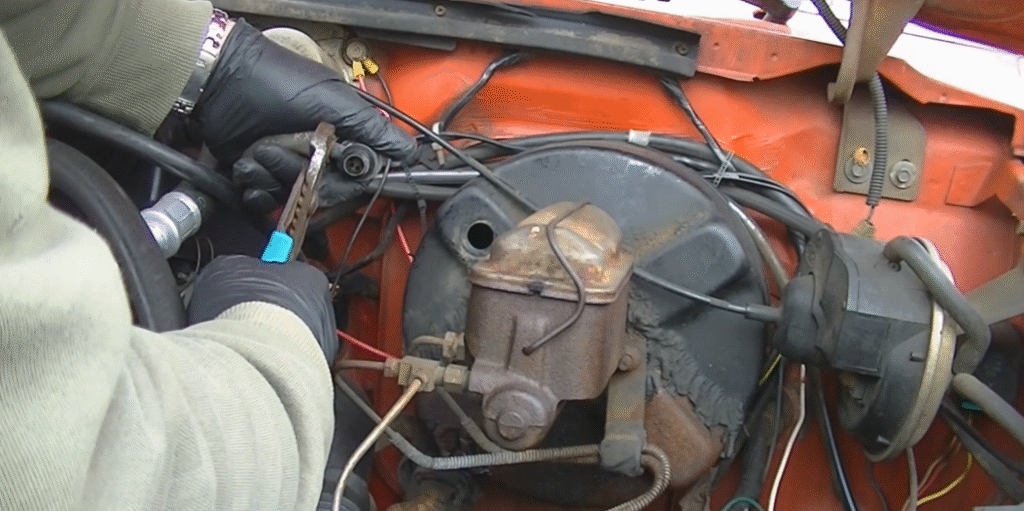
The brake booster is typically located on the driver’s side of the vehicle, near the firewall, and it is connected to the brake master cylinder and the vacuum source.
The Role of the Check Valve
The brake booster check valve is a one-way valve located between the vacuum hose and the brake booster. Its primary purpose is to maintain vacuum pressure within the brake booster. This is important because the vacuum pressure assists in the operation of the power brake system, making it easier to apply the brakes.
The check valve ensures that vacuum pressure does not leak out of the booster, allowing the brakes to function properly. Without this valve, the vacuum system would be compromised, leading to hard brake pedals and inefficient braking.
Signs of Brake Booster Check Valve Needs Replacement
Knowing when your brake booster check valve needs replacement is crucial to avoid dangerous driving conditions. There are a few common symptoms of a faulty or failing check valve:
1. Stiff Brake Pedal
A hard or stiff brake pedal is one of the most common signs that brake booster check valve may be malfunctioning. If you find that it requires more effort than usual to apply the brakes, it’s likely that the vacuum pressure in the brake booster is being lost. This could be due to a bad check valve that is no longer maintaining proper vacuum pressure.
2. Hissing Noises When Braking
If you hear a hissing or whistling sound when you press the brake pedal, this could be an indication that air is escaping from the brake booster system. A leaking check valve allows air to escape, causing a loss of vacuum and resulting in abnormal braking performance.
3. Unresponsive or Weak Brakes
A failing brake booster check valve can cause a delay in braking response or weak braking performance. When this happens, your vehicle’s braking system won’t engage as effectively, leading to potential safety hazards. If your brakes feel less responsive than usual, it could be due to an issue with the check valve.
4. Difficulty with Brake Pedal Release
In some cases, a malfunctioning check valve can make it difficult to release the brake pedal after applying pressure. This may feel like the brakes are sticking or dragging, which can be a sign of internal problems with the brake booster system.
5. ABS Warning Light
Though not always the case, a faulty brake booster check valve can cause an error with the anti-lock braking system (ABS). If the vacuum pressure is not being maintained properly, the ABS system may not function as it should, and you could see the ABS warning light illuminate on the dashboard.
Step-by-Step Guide to Replacing the Brake Booster Check Valve
Replacing a brake booster check valve is not an overly complicated task, but it does require some mechanical knowledge and attention to detail. If you’re comfortable working with basic car maintenance, you can perform this replacement yourself.
Tools You Will Need
Before you begin, make sure you have the necessary tools for the job. You will need:
- Socket wrench and extensions for removing bolts
- Flathead and Phillips screwdrivers
- Vacuum pump (optional, for testing the brake booster)
- Brake cleaner to clean any dirt or debris
- Replacement brake booster check valve (specific to your vehicle make and model)
Step 1: Locate the Brake Booster and Check Valve
The brake booster is usually found on the driver’s side of the engine bay, near the firewall. It’s a large, round, metal component that connects to the brake master cylinder and the vacuum system.
The check valve is typically located along the vacuum hose that connects to the brake booster. The valve is small, round, and usually plastic, and it’s installed in the vacuum line to prevent air from flowing back into the brake booster.
Step 2: Inspect the Check Valve
Before proceeding with the replacement, carefully inspect the check valve for any visible signs of damage or wear. Common issues include cracks, leakage, or a buildup of dirt around the valve. If you find any issues, it’s time to replace the valve.
Additionally, verify that the new check valve is the correct size and model for your vehicle. Consult your car’s manual or seek help from an auto parts store to ensure compatibility.
Step 3: Disconnect the Vacuum Hose
Using a wrench or screwdriver, loosen the clamp securing the vacuum hose to the brake booster and check valve. Carefully remove the vacuum hose from the valve, ensuring not to damage the hose or any surrounding components.
Step 4: Remove the Old Check Valve
The old check valve is usually held in place with a simple snap-on or screw-on design. Depending on your vehicle, you may need to use a small screwdriver to pry off the old check valve.
Be cautious while removing the check valve to avoid damaging the vacuum hose or any other parts of the braking system.
Step 5: Install the New Check Valve
Take the new brake booster check valve and insert it into the vacuum hose. Ensure it is properly seated and secure. If the valve uses a clamp, tighten it to ensure a firm connection.
Step 6: Reconnect the Vacuum Hose
Once the new check valve is installed, reconnect the vacuum hose to the brake booster. Ensure that the hose is securely attached and there are no leaks.
Step 7: Test the Brakes
Start your vehicle and allow it to run for a few minutes. Press the brake pedal a few times to check for proper brake booster operation. If the brakes feel smooth and responsive, the replacement is complete.
If you notice any strange sounds, difficulty with the brake pedal, or delayed response, check the installation again and ensure that everything is connected properly.
Troubleshooting Brake Booster Check Valve Issues
Even after replacing the brake booster check valve, you may encounter problems. Below are some troubleshooting tips to help resolve any issues that may arise:
1. Check for Vacuum Leaks
If your brakes still feel unresponsive or stiff, you might have a vacuum leak somewhere in the system. Inspect the vacuum hose and check valve connections for any visible cracks or loose fittings. A small vacuum leak can cause a significant loss of braking efficiency.
2. Verify Proper Valve Orientation
Ensure the new check valve is installed in the correct direction. Most brake booster check valves are directional, meaning they allow vacuum pressure to flow in one direction only. If installed incorrectly, it could cause problems with braking performance.
3. Inspect the Brake Fluid Level
If your brakes are still not performing as expected after replacing the check valve, it might be related to low brake fluid. Check the brake fluid levels and ensure that they are within the manufacturer’s recommended range.
4. Examine Other Brake Components
If the problem persists, it could be due to issues with other brake components, such as the master cylinder, brake pads, or calipers. A complete brake inspection may be required to diagnose the root cause.
Frequently Asked Questions
Here are some FAQs about brake booster check valve replacement –
1. How do I know if my brake booster check valve is bad?
Common signs of a bad brake booster check valve include stiff brakes, hissing noises when braking, and unresponsive or weak braking. If you notice any of these symptoms, it’s time to replace the check valve.
2. Can I drive with a bad brake booster check valve?
It’s not advisable to drive with a faulty brake booster check valve. Doing so can lead to dangerous braking conditions, such as difficulty stopping or delayed braking response.
3. How much does it cost to replace a brake booster check valve?
The cost for parts and labor varies by vehicle model, but you can expect to pay anywhere from $50 to $200 for the replacement. Labor costs depend on the mechanic’s hourly rate.
4. How long does it take to replace a brake booster check valve?
Replacing the brake booster check valve usually takes about 1-2 hours, depending on the vehicle and your experience.
5. Can I replace the brake booster check valve myself?
Yes, with the right tools and some basic knowledge of car mechanics, you can replace the brake booster check valve yourself. However, if you’re unsure, it’s always best to seek help from a professional mechanic.
Conclusion
Replacing the brake booster check valve is an essential maintenance task that can significantly improve the performance and safety of your vehicle. While the replacement process is relatively simple, it’s important to follow the proper steps to ensure the job is done correctly.
If you notice symptoms like stiff brakes, hissing noises, or unresponsive braking, don’t delay in replacing the check valve. By taking care of this problem early, you can avoid further damage to your vehicle’s braking system and ensure that your vehicle remains safe to drive.