


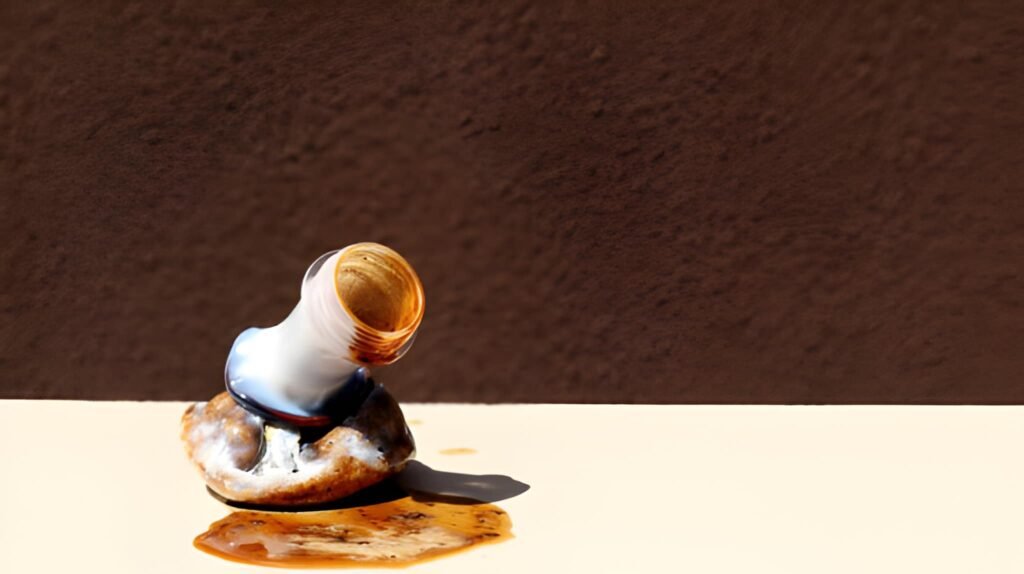
Brake fluid pool shock happens when brake fluid collects in unwanted areas, causing reduced braking performance. It’s usually due to leaks, contamination, or poor maintenance. Regular checks and fluid changes help prevent this.
The hydraulic fluid that makes the braking system in any car work is the brake fluid. It helps to transmit pressure from the brake pedal to the car to help the car stop or slow down. But, with time, fluid may leak to other areas, or get contaminated, or get sticky. That sticky state is referred to as a state called the brake fluid pool shock.
Over time, brake fluid can become sticky, and that’s what brake fluid pool shock means. It is when the brake fluid is gathering in some places and because of those areas, the brake system stops working, or system functions poorly. There is brake fluid that is collected or stagnant, and not flowing or circulating enough. Since the brakes need a lot of fluid to operate, certain areas can be hazardous.
In this piece, we will walk through some of the reasons, symptoms, how to prevent, and maintain brake fluid.

Contents
What Is Brake Fluid Pool Shock?
An unbalanced system caused by brake fluid that is collected in some areas and unbalanced is what brake fluid pool shock is. In the braking system, if the fluid is stagnant or improperly brake fluid, where the brakes become less effective, or not effective, and are inoperative, this is what pool shock. This is seen in cases of leakage, or an excess of this fluid, or when a line’s seals are broken down.
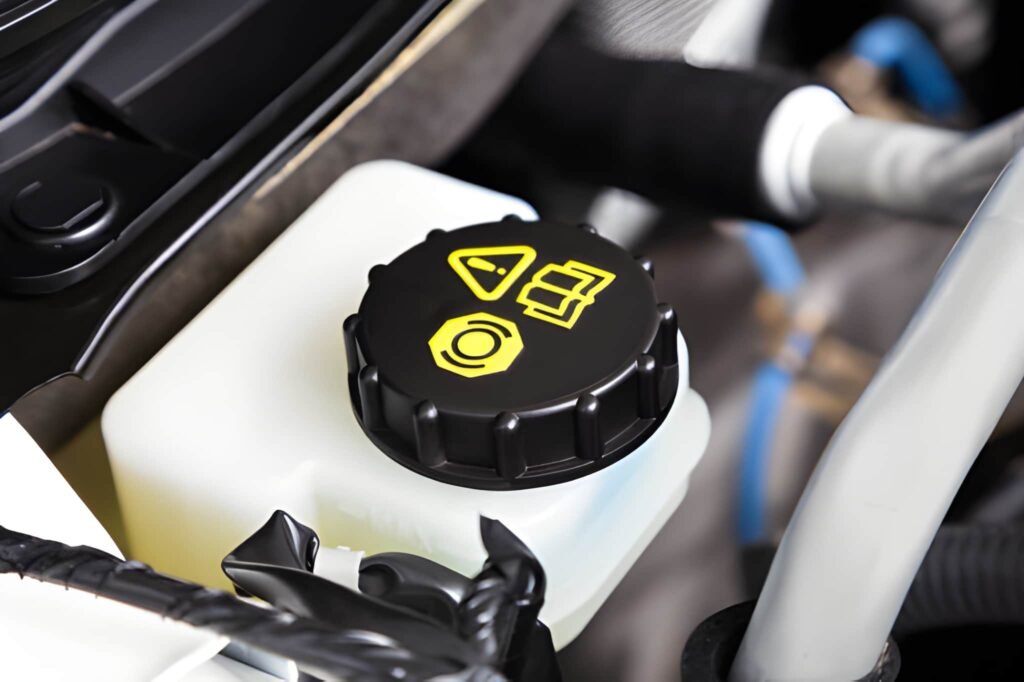
Brake fluid should have no obstructions as it flows through the brake lines to the brake pads and calipers from the reservoir where it is stored. Fluid pooling inside certain areas (master cylinder, brake lines, and seals) can be the root cause of contamination, brake corrosion, and brake failure.
What Causes Brake Fluid to Pool?
It is critical to understand the causes of brake fluid pooling to address the problem. Here are the common causes:
1. Contamination of brake fluid
Brake fluid can easily be contaminated with dirt (of any kind) and water. Being hygroscopic, brake fluid attracts moisture from the air and it’s locks in as a contaminant. Water and dirt cause corrosion inside the braking system. The brake system will then perform poorly and can cause safety issues. Because of water contamination, the brake fluid will boil at a lower level and can cause the fluid to pool as dirt will collect near the critical areas of the system.
- Water: Moisture can cause rust and corrosion inside brake components.
- Dirt: Small particles can clog the fluid lines and affect hydraulic pressure.
- Contaminants: Oil and grease can cause systems to fail by breaking down brake fluids.
2. Worn Brake System Components
Multiple components such as hoses and seals that are part of the brake system along with the master cylinder can be damaged by the overall deterioration of the car. When components of the system fail, they can cause the system to leak brake fluid or to pool fluid in areas that are not conducive to the normal operation of the system.
For example, the worn seals of a master cylinder can cause a brake fluid leak that can then collect in a part of the brake system that cannot function to make the system operate poorly. This can result in a brake system to not be able to operate evenly or adequately, and that can cause a brake system to fail.
3. Lack of Proper Maintenance of Brake Fluids
Keeping the brake system in a properly functioning state can be done by properly maintaining the system. Inadequate maintenance of the system can lead to inadequate brake fluid to be spread within the system. This poor distribution can cause the brake system not to function correctly. This is from a contaminated substance that can be moisture or dirt and combined with an old brake fluid that has lost its efficacy. That poor substance can lead to poor brake systems to have areas of low pressure within the system.
The manufacturer may recommend an alternative time frame for changing the brake fluid, but it is suggested to be done every two years. Keeping the brake fluid levels with in the recommended levels will also ensure that the brake systems continue to function as desired, and will also prevent the brake fluid from pooling in places it should not be, as well as preventing the brakes from operating efficiently.
4. Brake Fluid Overfilling
Many people may think it is a good idea to top off the brake fluid, but it is actually a good idea to not top it off. If there is too much fluid in the brake reservoir, it can lead to even more problems. If there is too much fluid, the lines may become too pressurized and the fluid may be forced out of the system, which can lead to a leak in the brake system. If there is too much fluid in the lines, it may lead to what is termed brake fluid shock.
5. Leaking Brake Lines
The pooling of brake fluid may be due to the lines leaking. If the lines leak, which is common with a brake system due to rust, damage, or just the age of the system, and if this is the case, the brake lines are compromised, and brake fluid will seep out. This will also lead to a compromised ability to slow down and stop the vehicle. The pooling of brake fluid may also occur around the master cylinder, the wheels, or the calipers.
6. Too Much Heat from Brakes
Every time the brakes are used, heat is created. The most extreme case is when the brakes are used down steep hills or when the driver has to do an emergency stop. In these cases, the brake fluid experiences rapid heating, and once that fluid becomes too hot, it can breakdown and cause vapor lock or brake fade. If the brake fluid is contaminated (either by moisture or dirt), heat can accelerate breakdown and cause vapor lock too.
Signs of Pooling Brake Fluid Shock
Signs of pooling brake fluid shock can indicate the problem before the situation gets worse. Here are some of the common signs of pooling brake fluid or fluid breakdown.
1. Brake Pedal Feels Soft or Spongy
Your brake pedal feels soft or spongy. This is a sign of a problem in the hydraulic system. Pooling or dirty brake fluid causes air bubbles or a low pressure situation in the system. This causes the brake pedal to feel soft and in some cases causes it to sink to the floor.
2. Sudden Loss of Braking Power
Pooling brake fluid causes the brake system to work harder in order to gain the balance. This causes the vehicle to take a longer time to stop than it is supposed to. It can also make the braking system feel unresponsive. This can cause serious risk to you and everyone else on the road. It is a big risk, especially when it comes to emergency brakes.
3. Strange Sounds When Braking
A lack of circulation in the brake fluid can cause the brake mechanism to dry out or even break. This can cause squeaking, grinding, or hissing noises to sound when you engage the brakes. These noises mean that the brake system needs repairs, or there is pooling brake fluid in the system.
4. Leaking Brake Fluid
One of the more simple signs of brake fluid pooling is noticeable fluid leaks. If there is a puddle of brake fluid near the wheels, this is a sign of possible fluid pooling. Leaks can also happen due to broken brake lines or corroded parts.
5. Brakes Heating Up
If the brakes are very hot, the brake fluid can boil. Ignition can also happen which is the complete failure of the brakes. If your brakes are overheating or you can smell something burning while using the brakes, it is due to poor circulation of the fluid or breakdown of the pooling.
Tips to Avoid Pool Shock of Brake Fluid
Shock Pooling is something which you can avoid by monthly checks on the pool, and regular maintenance to keep the filtering and pumping systems of the pool working correctly. Ensure optimal functioning of your brake system by undertaking the following preventive measures.
- Checking the Brake Fluid: Be in the habit of checking your car’s brake fluid monthly. This could tell you whether the brake’s systems are functioning correctly or not. Make sure your brake dust is not at the ‘low’ level mark as that could mean your brake systems are overheating, and are due for a replacement.
- Brake Fluid Changes: Your brake’s fluid systems are recommended to be changed every 2 years due to a natural degrading of the fluid systems which are caused by moisture, dirt, and metal shavings, which the fluid systems brake down. By changing the brake fluid systems, it can reduce the possibility of sediment pool forming for brake systems.
- Inspect Leaks and Damaged Parts: Before the pool checking, your brake systems line, calipers, and crossing tubes should be checked for leaks, as fluid which leaks can create a trapped pool which can significantly reduce the systems’ braking capabilities. Ensure that the systems’ worn parts are replaced.
- Don’t Overfill the Brake Fluid Reservoir: It is crucial to maintain the correct levels of fluid in the brake fluid reservoir. Overfilling the reservoir can build excess pressure in the system, potentially forcing brake fluid out of the lines and into unwanted areas. Always fill to the recommended levels.
- Regular Brake System Flushes: Pooling brake fluid is still a possibility even if you can’t see it. This is because the brake fluid can become contaminated and degenerate. For this reason, it is good practice to have your brake system fluid flushed every 24 months. It is best to have the flush performed by a qualified technician to ensure that all the old fluid is replaced.
- Correct Brake Fluid is a Must: Different brake fluids have different properties, and this means that they can be either compatible or incompatible with your brake system. Because of this, it is critical to use the type of brake fluid that your vehicle’s manufacturer recommends. Using the incorrect type of brake fluid can cause pooling and can damage and compromise the functionality of your brakes.
Frequently Asked Questions
Here are some FAQs about brake fluid pool shock –
- What leads to the pooling of brake fluid in the braking system?
Contaminated brake fluid, neglect, old seals, brake line leaks, and brake fluid overfilling can cause pooling of brake fluid. This pooling occurs because these factors cause brake fluid to circulate improperly.
- What are the indicators of brake fluid needing replacement?
Replace brake fluid if it is dark, cloudy, or if you notice your brake pedal is soft, you’re experiencing decreased braking ability, or you’re hearing noises from the brake system. These conditions are a result of fluid contamination and are signs fluid is not working.
- Is it ok to drive a car that has pooling brake fluid?
If you notice brake fluid pooling then you must not drive the car. This is because pooling brake fluid can lead to reduced braking capacity and, in the worst case, brake failure. It is important to even avoid driving the car to address the cause of pooling.
- What is the recommended average of replacing brake fluid?
Your car brake fluid replacement is due every one to two years per car manufacturer recommendation. This is done to prevent brake fluid contamination and to strike an optimal balance of competing fluid performance.
- What do I do if I see brake fluid pooling?
If you see brake fluid pooling, check for leaks or damage at the brake lines, seals, and master cylinder. Repair or replace any damaged components, and flush the brake system.
Conclusion
When you experience pooling of brake fluid, it can stem from a variety of reasons: leaks, contamination, and even negligent maintenance. Regardless, pooling fluid can reduce the functionality of your brakes and even cause you to lose the ability to stop at all. To guarantee safety, do your best to make sure fluid levels are maintained and check for leaks and other damage. Regular monitoring of fluid levels will make sure your brakes are working and will help keep you safe from potential accidents.


