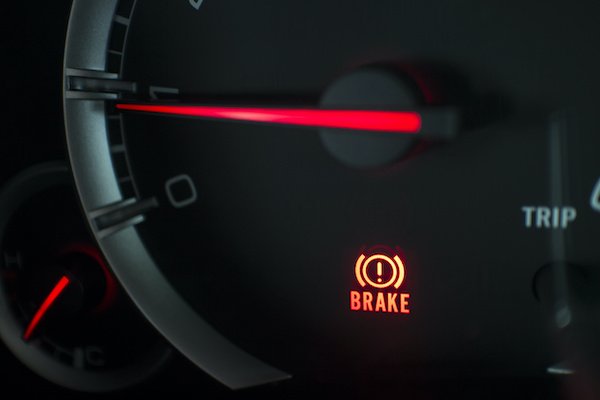
Brake pad warning light indicates that there may be an issue with the braking system, such as worn-out brake pads or low brake fluid levels. It’s crucial to address the issue promptly by inspecting the brake pads and fluid to prevent potential safety risks or further damage.
The most important warning lights on your dashboard are indicator lights for your brake system. Knowing what each light means and what your brake system needs are really important in making sure you don’t have to pay for expensive repairs or brake system failure. This guide will help you understand what each warning light means, what can cause each light to come on, how to identify what each warning light means, and what you can do about it after each warning light comes on.
Contents
- 1 What do the Lights on the Dashboard Mean?
- 2 Meaning of Brake Pad Warning Light
- 3 What Causes the Brake Pad Warning Light to Come On?
- 4 What to Do with the Brake Pad Warning Light
- 5 What to Do When the Brake Pad Warning Light Comes On
- 6 How to Avoid the Brake Pad Warning Light
- 7 Frequently Asked Questions
- 8 Conclusion
What do the Lights on the Dashboard Mean?
The lights on the dashboard indicate problems with the braking system, including worn brake pads. They can also be lit due to low brake fluid, or, on some vehicles, due to problems with the brake light sensors. Most vehicles are built with a brake pad wear sensor that will make the light indicate that the pads are at, or, very close to, their minimum thickness and that the pads need to be replaced.
Some new car models show the possibility of the brake pads warning light being integrated with individual brake pad sensors. If the sensor detects that the pad has reached a certain minimum thickness, a sensor on that pad will trigger the warning light. This is also the reason why some warning lights may also indicate a brake fluid level that is low, so it is very important to pay attention to the warning lights.
Meaning of Brake Pad Warning Light
Depending on the manufacturer, the lights may come in different colors and shapes, with some being more pronounced and serious in their meanings. Here are some common manufacturer brake warning lights:
- Red Light: brake warning lights that are red generally come with more serious and demanding issues that should not be ignored. Great fluid may be low, a serious dried out brake system may be present, or issues may be hanging dangerously close to causing the brakes to fail. This is an emergency.
- Amber or Yellow Light: Brake warning lights that are illuminated in amber or yellow are generally not as serious in their implications as red lights. The absence of your brake pads or fluid is highly likely and yes, although the situation is not an emergency you may want to act, especially if you are a bit concerned.
What Causes the Brake Pad Warning Light to Come On?
Worrying when your brake pad warning light comes on is justified, and it’s important to figure out the cause of the issue. Below are the most common reasons this light pops on.
1. Brake Pads that have Worn Out
The most common cause for the brake pad warning light to come on is actually worn out brake pads. Because of the material the brake pads are made out of, they create heat and friction, which wears the pads down, and they are constantly in contact with the brake rotors. Many modern vehicles are equipped with the capability to sense the friction material of brake pads. When the material reaches a certain threshold, a sensor is triggered and the brake pad warning light comes on.
How to Identify Worn Brake Pads
Take a look through the spokes of your wheel to see if they are some brake pads that are visibly different from the others. You can quickly see that brake pads are worn out when they dip below 1/4 of an inch. If you’re still in doubt, you can always have a mechanic do a thorough inspection and then that will determine if they need to be replace.
2. Low Levels of Brake Fluid
Low brake fluid can also cause the brake pad warning light to appear. Fluid is crucial to creating the hydraulic pressure needed for the brake system to work. Without enough brake fluid, the system can fail or brake pads can wear unevenly. If brake fluid is low, the sensor usually triggers the light to alert the driver to fill the brake fluid.
Why Brake Fluid In the System Goes Down
Fluid loss can be due to a leak present in the brake lines or a worn master cylinder. If your brake system fluid is low, you should fill it up, and it is a good idea to check for leaks. If fluid loss is a constant problem, it is time to have an inspection done by a mechanic.
3. Counting Break Pad Wear Sensors
Several vehicles have their brake wear light connected to a brake wear sensor. These sensors are connected to each brake pad, and are designed to measure the thickness of a brake pad. If a sensor notes that the break pad (s) have been used to a minimum thickness, that sensor activates the illustrated pad on the dashboard. This start to the light is the most accurate way to replace identifier in a vehicle, so brake changes can be performed when the pads are at a safe thickness and at peak effectiveness.
4. Broken Parts in the Brake System
There are faults in the brake systems aside from the low brake fluid and worn brake pads that light up the warning light. Malfunctions from the brake line, brake caliper, and or anti-lock brake systems can light up the brake warning light. It is highly advised that these faults are checked by a brake repairer, especially when the brake pads and the brake fluid are in good condition.
5. Engaged Parking Brake
The warning light may be triggered by something as simple as the parking brake being engaged. Some cars even have a feature that tells the driver that the parking brake has been engaged while the vehicle is in motion. If that feature is on, the parking brake should be fully disengaged, and you should be able to drive.
What to Do with the Brake Pad Warning Light
When the brake pad warning light comes on, it is essential that you gauge what the situation is. Here’s a guide to simple diagnostics that can be performed to help figure out the warning light brake pad diagnostics.
1. Look at the Pivot Pads
Check the brake pads to see if they are truly worn out. If you can see the pads through the wheel, there could be remnants of the pad that are too thin to be visible. If the pad is 1/4 inch thick, it’s time for replacement. Sometimes, you will want to remove the wheel to see the entire pads.
2. Is Brake Fluid Present?
Check the brake fluid reservoir that is located under the hood. If the brake fluid is at a low level, that could be the answer to the warning light. If there is a low level of brake fluid, be sure to understand that low fluid could mean a leak in the brake fluid reservoir.
3. Is the Parking Brake Engaged?
It is essential that you make sure the parking brake is fully disengaged. If the parking brake is still engaged, you will see the warning light remains on. Releasing the parking brake will turn off the warning light.
4. Have your Brakes Inspected
You might be having another problem in your brake system, if your brake pads and brake fluid levels are fine. If you are still uncertain of the condition of your brake system, it’s better to have it diagnosed by a professional. Mechanics repairs the braking system and break warning system by looking at brake sensors, brakes calipers and so on.
What to Do When the Brake Pad Warning Light Comes On
When the brake pad’s warning light switches on, you have to do something about it to avoid threatening the safety of your car. The following are the actions you should take:
1. Stop Driving Right Away (If Red Warning Light Comes On): You need to stop driving immediately if the warning light is red. The warning lights may be signaling your brake fluid is low or there is a problem with your braking system and it should be dealt with immediately. Driving with a warning light can result in brake failure and is a serious risk to you and other road users.
2. Check for Brake Pad Wear and Brake Fluid Level: A yellow or amber light means you need to check wiped pads and fluid every time they arrive at an amber light. If your brake fluid is low, you can refill it and check for any leaks. If your brake pads are worn, get them replaced.
3. Replace Brake Pads: If your brake pads are worn, it’s time to replace them. Worn brake pads can lower your brakes efficiency, which can cause worsen your stopping distances and can even damage your rotors even more. It’s a good idea to replace your brake pads so your car can continue to run good.
4. See a Mechanic: If you are unable to figure out why you are getting warning lights or the problem still exist after fluid and pads have been checked, see a mechanic. There might be more to your problem that may require a professionals to find and fix.
How to Avoid the Brake Pad Warning Light
There is no brake light warning lift that is for no reason. If you would like to avoid it, regular maintenance and a bit of good drivng is required. The following is a good little list of tips for brake pads and brake systems to avoid any problems.
Monitoring Brake Inspections: As part of a car maintenance routine, fluid levels and brake pads should be checked routinely. Depending on usage, brake pads should be checked every 12,000 miles, so during more routine mechanics visits, check brake pad wear, cracks, and other damage.
Habits of Monitoring Driving: Aggressive Driving with sudden stops and quick braking wastes brake pad usage. Try to extend the lifespan of brake pads and keep warning lights from needing to be serviced as long as possible.
Replace Brake Pads on Time: Even though warning lights are designed to alert drivers of worn out pads, it is sensible to be more provident to replace worn pads before the more worn out brakes. This protects other brakes parts, such as the rotors, from excessive damage.
Regularly Check and Top Up Brake Fluid: Check your brake fluid levels as part of your monthly inspections. When brake fluid is low, air can get into the brake lines, making your brake system less efficient. If your brake fluid keeps going low, you probably have a leak somewhere.
Don’t Overload Your Vehicle: The more weight in your vehicle, the more strain you put on your brake pads. If you regularly tow trailers or carry heavy loads, you’re going to have to replace your brake pads a lot more frequently. To minimize the need for brake pad replacements, avoid overloading the vehicle and make sure to distribute the weight evenly to reduce strain on the braking system.
Quality Brake Pads: The quality of your brake pads can determine whether or not your brake pad warning light is going to come on. Most of the time, the more expensive the brake pads, the better. This is because they will last longer, perform better, and generate less brake dust. Less brake dust means less wear on your brake rotors.
Frequently Asked Questions
Here are some FAQs about brake pad warning light –
1. Is it safe to drive with the brakes warning lights on?
Red lights mean there is a serious problem and you should stop driving. Yellow or amber lights are less urgent, but it is a serious problem and should be checked immediately after you notice it.
2. When is it necessary to change brake pads?
Brake pads usually need to be changed whenever you reach the interval which is between 30,000 to 70,000 miles. And also, it depends on the type of vehicle, driving habits, and type of brake pads you use. If you have a lot of inspections you begin to understand the signs of changing brake pads.
3. Where do you see the brake oil?
In the engine bay, there is a part to the brake fluid reservoir. The fluid should be between the two captions which are Lower than “MIN” and higher than “MAX”. If it is lower then you should add the appropriate brake oil for your vehicle.
4. Can rotors be damaged by worn brake pads?
Yes, brake pads that are worn down too much can cause damage to the rotors. Worn pads can cause the metal part of the pads to make contact with the rotors, resulting in grooves and scoring or worse damage. This issue can be avoided by replacing the brake pads regularly.
Conclusion
When your brake pad warning light comes on, it is your vehicle’s way to tell you it needs immediate attention to your brake system. If you were to click the warning sign on your dashboard, it would tell you the possible issues; it may range from having worn out brake pads, low brake fluid to having a bigger brake issue. Regardless how big or small the issue is, addressing it immediately, saves you and your vehicle from further damage and ensures a safe drive.
It is a big safety risk to ignore your brake system warning lights, the risk includes brake system failure that can potentially take your life or bankrupt you. Consider your vehicle’s brake system a risk to your life, a system that needs to be maintained properly, driven with care and attention.