Can low brake fluid cause squeaking? Yes, low brake fluid can cause squeaking by reducing hydraulic pressure in the braking system. This leads to uneven brake pad contact with the rotors, increasing friction and creating noise.
While many motorists pay attention to common vehicle issues like tire wear or engine failure, some less frequent repair issues are just as important: braking system problems. The brake system is the most critical safety system in a vehicle; while the engine accelerates the vehicle, the brakes are the most necessary system to control the vehicle’s speed, which is vital to avoid collisions and keep all road users safe. One less frequent repair issue that motorists may experience is brake squeaking.
Even though most people associate brake noise with worn-out brake pads or some obstruction in the brakes, people often overlook the potential cause of it: low brake fluid.
We will assess the potential of low brake fluid causing a brake squeak, the function of brake fluid, and the symptoms of low brake fluid, as well as the repair of brake squeaking and helpful tips for brake maintenance.
Contents
The Importance of Brake Fluid Levels
How much brake fluid you have matters when it comes to how that fluid keeps brakes working properly. A brake fluid level that is too low means there is not enough pressure to engage the brakes, and that could hurt how effectively the brakes stop your vehicle. In addition to brake fluid losing their ability to stop the car, the brakes may start to squeak and could even brake completely.
Can Low Brake Fluid Cause Squeaking?
While squeaking brakes are most commonly linked to worn brake pads, low brake fluid can also contribute to or exacerbate this issue in certain situations. Here’s how:
1. Less Paddle Pressure
The fluid is responsible for sending pressure when the brake is pulled to the brakes. If fluid levels are low, the pressure can drop, which leads to a poor or malfunctioning brakes which leads to one or more of the brake pads not touching the the rotors directly and evenly, which leads to shaking and the squeaking noises that you hear or the brakes.
When brake fluid is low, brake pads might not push rotors enough when making contact, with noise being a result of that interaction. One may encounter squeaking when braking from low speeds, as this is primarily when the issue is present.
2. Air in the Brake Lines
A low level of brake fluid is a cause of a number of issues, one of which being the potential entrance of air into brake lines. Because fluid is a non-compressible substance, it is vital for the transmission of the pressure required to push the brake pads into place. However, air acts differently. It is compressible, which negatively impacts brake performance when present in the lines, as fluid levels remain low.
When the lines contain air, one can expect softer and spongy brake pedals. Along with this, the brake pads may not be engaging, as the riding position does not properly apply pressure to the pads, resulting in a step of the process being skipped. This will lead to jerky movements, and the result of brake pads vibrating or scraping against the rotors will in turn cause squeaking.
3. Increased Contact Between Brake Parts
When there isn’t enough brake fluid, the brakes may not work as effectively, causing the brake pads to move against the rotors more. This may increase wear and tear on the brake pads, making them more uneven. As the pads move against the rotors, they may start to make squeaking and squealing sounds. This can happen more frequently if the brake pads are older or if the car has been driven for a long time with low brake fluid.
4. Insufficient Lubrication of Brake Parts
Brake fluid also works as a lubricant for the system’s other moving pieces, such as the shims and brake pad of the caliper. So, when the fluid is low, there may be too little brake oil to properly lubricate the system, causing more friction and more noise.
If the brake parts aren’t lubricated, metal can rub together and cause damaging squeaks, and/or grinding sounds. This can damage the brake parts further and lead to even more expensive repairs.
Signs of Low Brake Fluid
If you think low brake fluid could be causing squeaking and other problems with your vehicle’s brakes, there are some signs you need to watch for in order to try to prevent serious problems down the road.
1. Soft/Spongy Brake Pedal
One of the first signs of low brake fluid is a soft brake pedal. Low brake fluid means that air can get into the brake lines, and the pressure needed to engage the brake becomes ineffective. Therefore, the harder you press the pedal, the softer and spongier it will feel.
If the pedal is pressing down softer than usual, or it goes down further than normal, you need to check the fluid levels.
2. Further Pedal Travel
Another sign of low brake fluid is further brake pedal travel. If the level of brake fluid is low, the pedal may sink further down before the brake engages. This is a huge safety concern, because it can cause a significant delay in the braking process.
3. Warning Sign to Check Brakes
Low brake fluid can be dangerous, so almost every new car comes with a feature that will warn you when your brake fluid is low. If you see that warning sign, you need to check your brake fluid.
4. Noises When Stopping
As was mentioned, low brake fluid will create some issues with your brakes, and will cuase a grinding, squeaking, or squealing to be present when you brake. This is due to unequal pressure on the brake pads, or an increase in friction caused by the brake pads and the brake rotors.
You need to check the fluid if you want to stop being the cuase of excessive noises. You should also check the brakes for any other problems.
How to Check Brake Fluid
Brake fluid is important for your vehicle’s braking system to perform safely. Follow the instructions below to check fill levels and to make sure everything stays in the best condition.
- Find the Brake Fluid Reservoir: The reservoir is usually found near the back of the engine and is often a small, clear container that is easy to see the fluid level. Most will have a “min” and “max” line that show fluid fill levels.
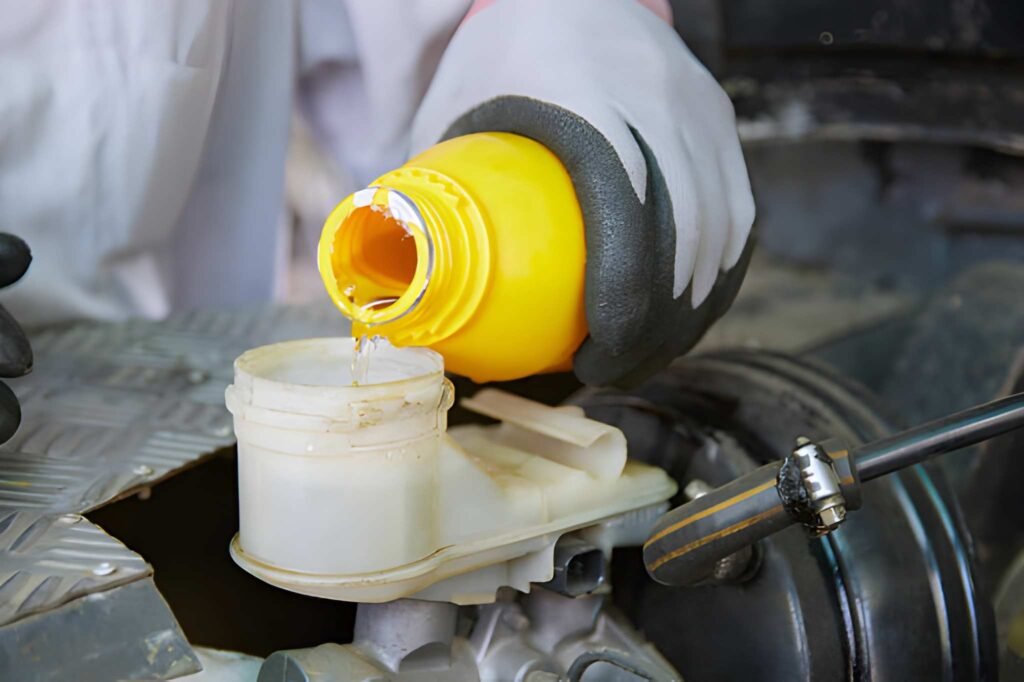
- Check the Fluid Level: To check the level, look and see if the fluid is between the “min” and “max” levels. If it is lower than the minimum line, add fluid until it is at the line. Only use the suggested brake fluid for your vehicle, as many are incompatible.
- Check For Leaks: If, after checking the fluid level, the fluid level is low, there is likely a leak in the brake system. Check the brake lines, calipers, and the master cylinder for any type of leak. Should you find any fluid leaking, have a professional mechanic repair it.
- Old Brake Fluid Replacement: Over the course of a couple of years, the brake fluid needs to be changed to a fresh fluid, and the system also needs to be cleaned of any residual debris. A good fluid change will prolong the life of the braking system and also prevent obstruction-related issues such as squeaking.
What to Do If Low Brake Fluid Causes Squeaking
If low brake fluid is causing squeaking or other brake performance issues, here’s what you should do:
- Brake Fluid Top Up: If the brake fluid is low, top it up with the appropriate fluid. If the squeaking is still present after adding fluid, it is possible that the brake pads are beyond their life or that other brake components are damaged.
- Examine the Brake Pads and Rotors: Inspect the surface of the brake pads and the condition of the rotors. Damaged brake pads can create a squeaking sound and, if the brake pads are too thin, they may need to be replaced. Furthermore, if the rotors are warped, they might need to be resurfaced or replaced. Making sure the brake pads and rotors are in good condition can fix squeaking problems that may be caused by low brake fluid.
- Bleed the Brakes: If adding brake fluid does not fix the issue, the brakes may need to be bled. Bleeding the brakes gets rid of air in the brake lines and allows the fluid to fully travel to all parts of the braking system. This air can cause the brakes to feel spongy. This procedure needs to be done in a specific way so it may be best to let a professional mechanic handle it, especially if you don’t have a lot of experience with brake system maintenance.
- Go to a Mechanic: If the squeaking continues even after examining the brake pads and refilling the brake fluid, you should consider having the whole brake system checked out professionally. A qualified mechanic will be able to check and fix the master cylinder, brake calipers, and other brake system components. This will ensure that your brake system is working safely and properly.
Frequently Asked Questions
Here are some FAQs about squeaking, because of low brake fluid –
- Can low brake fluid cause squeaking?
Yes, low brake fluid can cause squeaking due to low hydraulic pressure causing the brake pads to be applied unevenly, which causes excessive friction of the brake pads against the rotors.
- How do I know if my brake fluid is low?
Signs of low brake fluid include a soft brake pedal, one that feels spongy, excessive pedal travel, warning lights, and also squeaking, grinding, and squealing noises.
- How often should brake fluid be replaced?
Per the manufacturer’s guidelines, brake fluid should be changed every 1 to 2 years, or every 24,000 to 30,000 miles. The fluid does absorb contaminants and moisture over time, which causes the fluid to lose effectiveness.
- Is it safe to drive if there is not enough brake fluid?
Driving without brake fluid is unsafe under any circumstances. Brake fluid is vital to responsive braking, and when it is low, a driver will experience less braking power, and there is a potential risk of complete brake failure. Always take care of any problems and fill your brake fluid when it is low.
- What are the most common causes of brake squeaking?
When your brakes squeak, the first thing you want to do is take a look at the brake fluid. If it is low, fill it up and then take a look at the brake pads. If the brake pads look worn down, they will need to be replaced. If the noise is still present after this, it is best to take your car to a brake specialist so they can look for any other problems.
Conclusion
Low brake fluid can cause squeaking and other issues by affecting brake performance. Inadequate fluid leads to air entering the system, causing a spongy pedal feel and delayed response. This increases friction and noise. Regularly checking and topping up brake fluid is essential to prevent these problems, including noise and potential brake failure. If noise or performance issues arise, it’s important to fix the problem by filling the fluid, inspecting the brakes, and consulting a professional if needed. Proper brake maintenance ensures safety and control.