


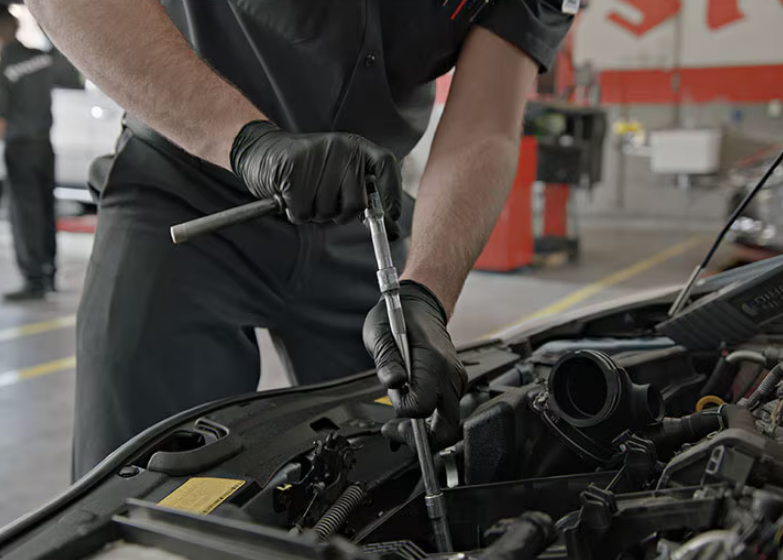
Car engine tune up keeps engines running smoothly by inspecting and replacing worn parts. It improves performance and fuel efficiency.
The engine tune-up of a car keeps the car working in the best way possible. Like all machines, a car’s engine needs to be looked after if it is to work well. A car’s engine tune-up improves the way it uses fuel and keeps it working good for longer. For new cars, tune-ups are needed less and so while they are still needed, they are less frequent. Older cars need more engine tune-ups to keep working in an efficient way. The more regularly an engine tune-up is done, the more an engine’s good working condition is maintained and it helps to avoid more expensive repairs in the future.

Contents
Car Engine Tune-Up
Car engine tune-ups are measures done in the engine so that it is kept working in the best way possible. For older cars, tune-ups would also be adjusting the engine’s ignition timing, carburetor, and air and fuel mixtures. Modern cars are more advanced as they have fuel injectors and other electronic sensors and so the methods have changed. Even so, the purpose of a tune-up continues to be the same; to make sure the engine continues to work efficiently and to fix anything that could affect the engine’s performance.
Why Is a Car Engine Tune Up Important?
A car engine tune up is a beneficial part of caring for your car. Here’s why it is important:
1. Improved Engine Performance
To be able to achieve an engine’s fullest potential a tune up needs to be done. This is done by replacing worn down parts, cleaning important parts of the engine, and making adjustments to make the engine run even better. This can help restore a car’s lost power and efficiency, and can help make it feel like a new car to the driver by providing a better response and driving experience along with having a better response when the driver presses the gas pedal.
2. Better Fuel Efficiency
Fuel is money. As different components of an engine begin to wear down, it causes the engine to do more work. This can be caused by having worn down filters, rigid spark plugs, and others. This can cause the car to run more efficiently and the driver can notice the savings in fuel costs over time.
3. Lower Emissions
A poorly running engine normally emits a large amount of toxic gasses. A tune up can help with ensuring the engine’s combustion process is done successfully to help decrease the number of toxic gasses. A tune up can help with pollution and give a driver a peace of mind.
4. Engine Longevity
Routine engine tune-ups help catch minor issues early on, preventing serious engine problems that would require expensive repairs. This not only saves you money, but it extends the life of your engine, and allows you to keep your vehicle on the road for longer.
5. Avoids Unplanned Engine Issues
If you neglect to resolve issues with your engine, it can lead to sudden breakdowns that leave you stuck in an inconvenient situation. Regular tune-ups give your engine the best chance to address minor issues before they become serious problems that require expensive repairs.
How Often Should You Get A Tune-Up?
When it comes to timing an engine tune-up, it is dependent on the type of car, age of the vehicle, and previous maintenance performed on the car. Older vehicle models needed engine tune-ups performed every 10,000 – 20,000 miles, however, the frequency of tune-ups has been significantly reduced with advancements in engine technology.Many vehicles currently require tune-ups after every 30,000 to 100,000 miles.
Knowing the right timing for your vehicle is suggested, and can be discovered in your owner’s manual or on your manufacturer’s website. Some of the newer vehicles even notify you of performance issues using monitored electronic systems in the vehicle, so you can get tune-ups on time.
There are several signs that can mean you need a tune-up. Some of these signs are:
- rough or uneven idling or stalling
- less miles per gallon (decreased fuel efficiency)
- issues starting (hard starts) or stalling (engine misfires)
- the check engine light being on
- engine making weird sounds and or shaking (vibrations)
It’s time to schedule a visit for a tune-up if you notice any of these issues. (midas.com)
What Happens During a Car Engine Tune Up?
To make sure the engine runs as smooth as possible, a mechanic that specializes in car engine tune ups does a lot of different jobs. One of the jobs is:
1. Reviewing and Changing the Spark Plugs
The job of the spark plugs is to start burning the fuel and air mixture located in the engine’s cylinders. As time goes on, the spark plugs can get old. This causes and leads to the engine idling roughly, misfires and the fuel efficiency decreasing (getting worse). While you are getting a tune up, a mechanic is supposed to check the spark plugs and change any of the spark plugs that are old or broken.
2. Check and Replace Ignition Components
The ignition system has ignition wires, ignition coils, and distributor caps. If any of these parts ignition components fail or become worn they could affect performance. A tune up examines and repairs such faults.
3. Change Engine Air Filter
The air filter keeps harmful dirt particles away from the engine. It’s normal for air filters to get dirty and clogged over time. A clean air filter helps in optimizing engine performance. It’s one of the cheapest engine performance upgrades you can ever get.
4. Cleaning the Fuel System
The fuel system brings the engine the right quantity of fuel to operate optimally. If the fuel filter is dirty or fuel injectors are clogged, it reduces the efficiency and performance of the engine. A mechanic will clean and change any components in the fuel system during a tune up.
5. Checking and Replacing Fluids
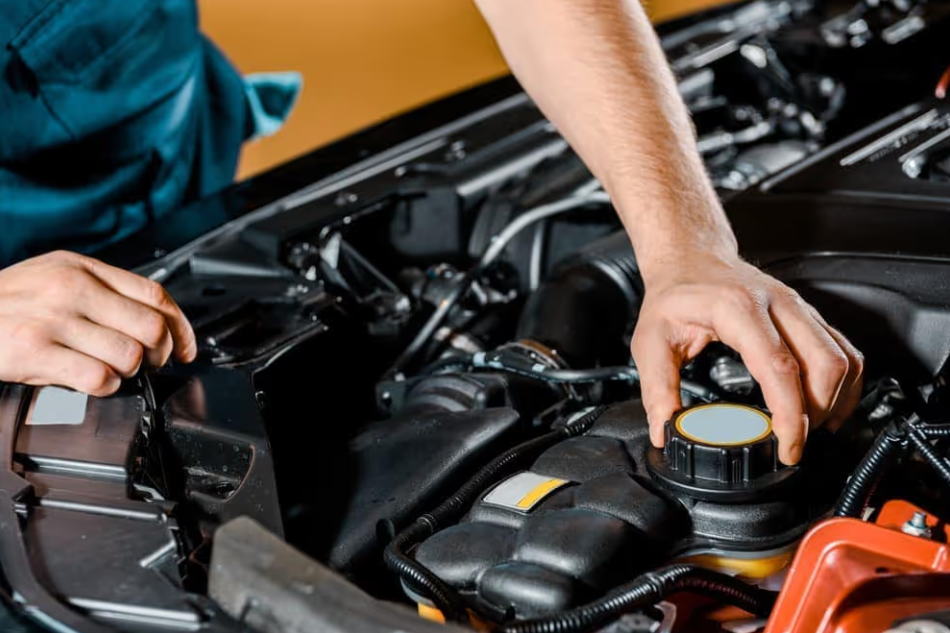
Your vehicle’s engine oil, transmission fluid, brake fluid and coolant are the most essential fluids for keeping your car running smoothly. A tune-up will check all fluids levels, top them off, and change fluids that are old or low.
6. Inspections of Belts and Hoses
Hoses and belts are important to run the alternator, which is essential to the cooling system, and other critical components. Belts that are worn or cracked can cause sudden breakdowns, and hoses that are defective can cause fluid leaks. Inspections of these components and replacements when necessary are all included in a tune-up.
7. Charging System and Battery Test
A vehicle is started using the battery, while the charging system maintains a charge in the battery. Battery tests are automated part of tune-ups to ensure the battery is able to hold a charge. A battery that is weak or has reached the end of its life will be replaced during a tune-up.
DIY vs. Professional Tune Ups
Some car owners attempt to do engine tune ups on their own to save some cash. There are some tasks that are easy to do such as spark plug replacement, air filter replacement, fluid top off, etc. These can be done with basic tools at home. Other tasks such as inspects & cleans of the fuel system and batteries will need professional tools and experience.
If you are confident with basic car maintenance, go for a DIY tune up. However, if you are not, it is better to see a mechanic. Plus, if you do see a mechanic, you can rest assured that all parts are checked and that the mechanic will find and fix the small stuff before they become big problems.
Common Myths about Car Engine Tune Ups
There are many misconceptions about car engine tune ups. Learning the truth behind these misconceptions can save you time and money, and can keep your engine performing as it should.
Myth 1: Tune-ups are only for old cars
It’s true that older cars need tune-ups more often. However, that does not mean that newer cars do not need tune ups. Modern vehicles need tune ups to keep their performance and efficiency at their best.
Myth 2: You Never Need A Tune-Up if the Car is Running Fine
Just because a car is running fine doesn’t mean it won’t be running fine next week. It’s a good idea to get a car a tune-up to help find the small issues that can turn into big problems. It’s a good idea to get a tune-up to save you money down the line from all the work that could come up because you just never know.
Myth 3: Tune-Ups are Expensive and Unneeded
With no regular maintenance done to a car that could help save it a lot more work down the line, a tune-up is a lot more expensive than the work that can come up. It can take time to get a tune-up, but it can be worth it with how much money you can get back in performance, fuel is cheaper too, and in the end it can be worth it.
Frequently Asked Questions
Here are some FAQs about car engine tune up –
1. What is a car engine tune-up?
A car engine tune-up is a service to improve engine functioning. Important engine components like spark plugs, air filters, and components in the fuel system are assessed and replaced.
2. How Many Miles Before A Car Tune Up?
Depending on car make and model, this can differ. However, a general ballpark is every 30,000 – 100,000 miles.
3. Can I Do A Tune Up On My Car?
You can definitely perform a tune up on your car, but there are parts that require professional help. This includes the fuel system cleaning and diagnostic part of the tune up.
4. What Signs Show That A Car Needs A Tune Up?
Engine misfires, poor fuel economy, and check engine lights are all signs that a car needs a tune up.
5. How Expensive Are Tune Ups?
When measured on a scale with major engine repairs, which are required if tune ups are neglected, the price of a tune up is very reasonable.
Conclusion
Driving is more than simply getting from A to B, and an engine tune-up can get you there easily. It can save you tons in the fuel department and get you good in the emissions department and it can save the engine to extend its life. You can get in the tune-up that is able to keep you safe, and keep the car working great for a long time. A car is your investment and you can keep it well with a tune-up.
It can help keep the investment safe and can keep the car on the road and it can keep the car working. You can save tons with a car and you can get more with a tune-up. It’s a good idea to get a tune-up and while the car is your investment it’s a good idea to get a tune-up. It can help keep the car working and on the road.


