


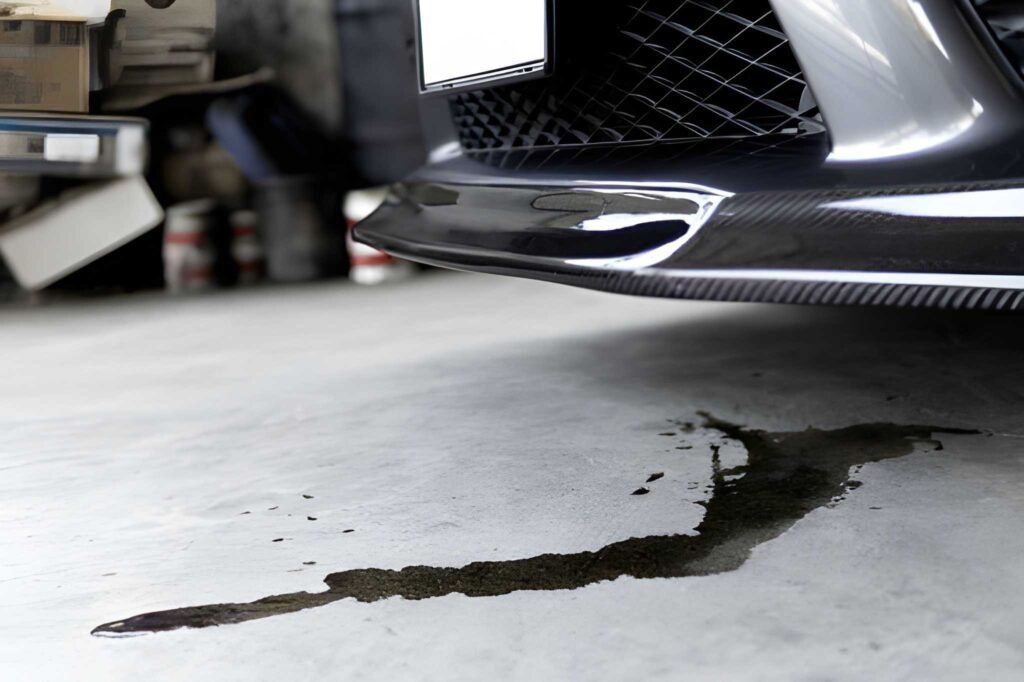
Does brake fluid leak when car is off? Yes, brake fluid can leak when the car is off due to pressure in the system or damaged components like brake lines or seals. This can cause a gradual loss of fluid.
Your vehicle’s braking system relies on brake fluid. A brake fluid leak can cause major problems, from diminished braking ability to complete brake failure. One of the more prevalent questions among car owners is whether the car can leak brake fluid while off. The vehicle’s brakes may seem inactive when not running, but leaks can still occur.
This article will examine whether brake fluid can leak with the engine off, possible reasons for the leaks, how to recognize them, and how to fix them.

Contents
How Brake Fluid Works: Role in the Braking System
Prior to examining the causes and the answer to brake fluid leaks, it is best to comprehend the function of brake fluid within the braking system.
1. Pressure Transmission
When brake fluid is moved, mechanical pressure is created. This pressure pushes the brake pads or shoes onto the brake rotors or drums. This is how the car is slowed down. Without brake fluid, the car cannot be stopped, and the entire braking system is useless.
2. Brake Fluid Types
In different cars, different types of brake fluids are used. The main types are DOT 3, DOT 4, DOT 5, DOT 5.1, and the type of brake fluid used is determined by what is recommended for the vehicle. The most commonly used brake fluid is the glycol brake fluid used in normal cars.
The DOT 5 brake fluid used in classic cars and some performance vehicles is non-hygroscopic, which means that it does not absorb moisture. Because of this, different types of brake fluids must not be mixed together, as it can result in a brake system failure.
Why Does Brake Fluid Leak?
A brake fluid leak can have a multitude of issues. Even when your car is not running you may have brake issues. Here’s some possible reasons why.
1. Damaged Brake Lines
The master cylinder is where the car’s brake fluid starts moving from. It moves down the brake lines, which are typically made of a stronger metal or a super steel blend. After years of use the protective coating can crack or rust, making issues worse out on the roads. Even when the vehicle isn’t on, leaking lines will cause the fluid to escape the system. The brake system is pressurized, and it will cause fluid to leak.
2. Broken Master Cylinder
The master cylinder is the section of your car’s braking system that holds the brake fluid reservoir. When the pedal is pressed, it pushes the brake fluid through the system. The cylinder could be damaged, and seals could wear out, which is when the brake fluid leaks out of the cylinder. After the car has been parked, a small leak could bleed the brake fluid, and the system could lose pressure. Even when the car is turned off, a damaged master cylinder can leak and affect the brake performance.
3. Broken Brake Calipers or Wheel Cylinders
The brake Calipers and the Wheel Cylinders put pressure on the pads or the shoes that create friction and slow the car down. These parts can wear out over time. Seals and gaskets in the Calipers or Cylinders can also fail with time; this results in a leak of brake fluid. This could happen when the car is running, or when it is turned off. If a brake caliper or a wheel cylinder is broken, it could leak a small amount of brake fluid on the ground, even when the car is not running.
4. Cracked or Leaking Brake Fluid Reservoir
The brake fluid reservoir contains the brake system fluid. It is usually located close to the master cylinder, which allows you to easily check the fluid level. With time, the fluid reservoir may develop cracks from stress or heat. If the brake fluid reservoir cracks, fluid can leak when the car is off. Because the brake fluid system is always under pressure, a damaged reservoir can cause a slow and steady leak.
5. Worn Brake Fluid Seals
The brake system uses a series of seals to hold the fluid in, and to stop the system from leaking. With time, the seals can wear from age, heat, or moisture exposure. Worn seals can leak brake fluid, and they can do so when the car is in the park. Some seals can leak slowly, making the loss of brake fluid difficult to notice.
Does Brake Fluid Leak When Car is Off?
Yes, brake fluid can leak even when the car is off. A car’s braking system should be inactive when the engine is off, however, the system is pressurized to some extent. Fluid in the system is under pressure, and even the smallest of issues, such as a cracked brake line, a worn master cylinder seal, or a leaking brake caliper can cause fluid to escape the system.
Here’s why this can happen:
1. Pressure in the Brake Systems
Even when the car is off, the brake system can still have some pressure. This could happen because the brake pedal is pressed while the car is parked or because some fluid has not returned to the reservoir. If brake components are leaking, fluid will escape.
2. Expansion of Brake Fluid
Different temperatures will cause brake fluid in a brake system to expand. If the brake system is hot and the car turns off, it will cool down causing the fluid to expand and leak out of compromised points in the system. This happens after heavy braking, or in very hot weather, and then parking the car.
3. Small, Continuous Leaks
There might be some instances where a brake fluid leak is happening but it is extremely slow. A small, slow leak is sometimes hard to notice which is when a worn out seal, or a small crack in a brake line, will be the reason for the brake fluid to gradually leak. This slow leak can lead to major problems of losing brake fluid and losing braking power.
Signs of a Brake Fluid Leak
Identifying the source of a brake fluid leak in your car can be extremely important in maintaining your vehicle. You can look for the following signs that can point to a leak in the brake fluid.
1. Fluid Stains
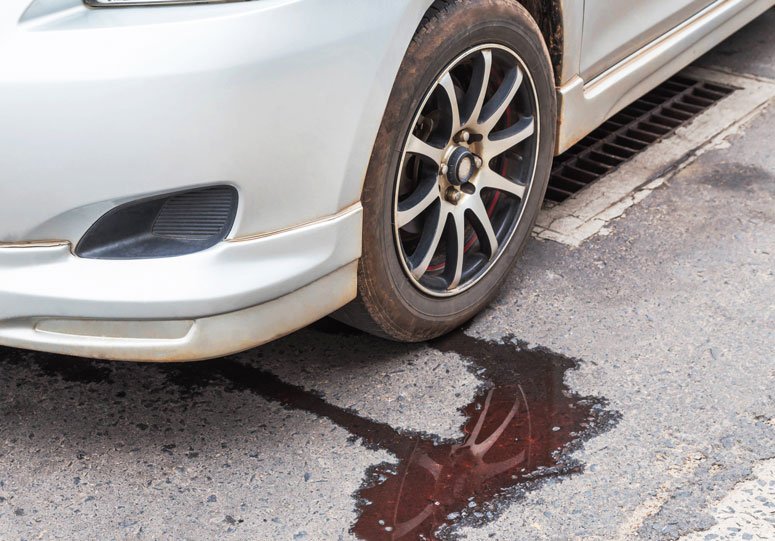
The most apparent sign of a leak in brake fluid would be fluid stains that are underneath the car, especially after a car has been parked for a while. Check the color of the brake fluid to determine if it’s brake fluid, which could be a clear, or yellowish fluid, and could be darker after braked are used.
2. Spongy Brake Pedal
The feeling of a soft or spongy brake pedal can also be a sign that there is a leak of some sort. The spongy feeling is caused by a difference in the hydraulic pressure within the brake line and is a signal to the driver that there is fluid that is missing.
3. Brake Fluid Warning Notifications
A number of dashboards have indicators that notify you when there is insufficient brake fluid. If you experience a hydraulic leak in the brake system, the reservoir fluid will drop low enough to trigger the sensor, causing the indicator to light up. If you notice the brake fluid warning indicator, you should pull over, check the fluid level, and if low, check the entire brake system and look for a leak.
4. Longer Distance to Come to a Complete Stop
A reduction of fluid in the reservoir impacts the braking power of the vehicle, therefore, making the vehicle harder to stop. If you notice a reduction in the vehicle’s ability to respond to commands and take a longer distance to stop, it may be due to a leak in the brake fluid reservoir. It is important to always fix the braking system, immediately, to avoid accidents.
What to Do if You Find a Brake Fluid Leak
If there is a leak in the brake fluid, here’s what to do to fix that:
1. Stop Driving Immediately: If you think you have a leak in the brake fluid, the safest action to take is to stop driving the vehicle immediately. Driving with little or no fluid in the brake reservoir is dangerous, as it may lead to brakes not working at all, and failure can put you and other people on the road in a dangerous situation.
2. Take a look at the brake fluid level: Before starting to repair the leak, check the brake fluid level in the master cylinder. If the fluid level is low, you should fill it up with the correct type of brake fluid for your car. Make sure to follow these instructions on the type of fluid to use. Using the wrong fluid can create a lot of new problems for you.
3. Check your brake system for leaks: Check the brake lines, master cylinder, calipers, and brake fluid reservoir to see if any of these are leaking. If you see any leaks, this would help you figure out where the problem is. If you do not see any leaks, you should have a professional look at the car.
4. Fix the leak: As soon as you see where the leak is coming from, it is important to fix it as soon as possible. You may end up needing to replace some of the brake lines, seals, or even the master cylinder. If you do not want to do it yourself, it may be better to take the car to a mechanic.
5. Testing the Brakes: Once the repair is done, test the brakes to see if they’re working properly. The brake pedal should feel firm, and the vehicle should stop easily. If the brake pedal is soft, it may need to be bled to remove the air that’s trapped in the system.
Frequently Asked Questions
Here are some FAQs about the brake fluid leak –
- Can brake fluid leak when the car is off?
Yes, if the brake system is pressurized and the components are old, then fluid can leak from the system when the car is off.
- How do I find out if I have a leak in my brake fluid?
Check for stains or puddles under the car, and don’t forget the brake fluid light on the dashboard. A soft or spongy brake pedal could also be a sign.
- What do I do if I have found a leak in my brake fluid?
Check the brake fluid level, and inspect the brake system for leaks. Drive again only after you have repaired the brake system.
- Is it safe to drive with a brake fluid leak?
Absolutely not. You could suffer from brake failure, which means you could cause a serious accident.
- How frequently should I check for leaks in my brake system?
Regular maintenance can reduce the chances of breaks leaking, but it’s smart to inspect your brake system for leaks every six months, or when you notice any changes in how the brakes perform.
Conclusion
It does. If the brake lines are old, the master cylinder is broken, the calipers are leaking, and more, the brake fluid can leak when the vehicle is off. If you see signs that brake fluid is leaking, you should fix the problem as soon as you can. Your brakes may not be safe. If you check brake fluid levels frequently and take care of the system, you may be able to prevent brake fluid leaks from other problems and be able to drive your vehicle safely.


