


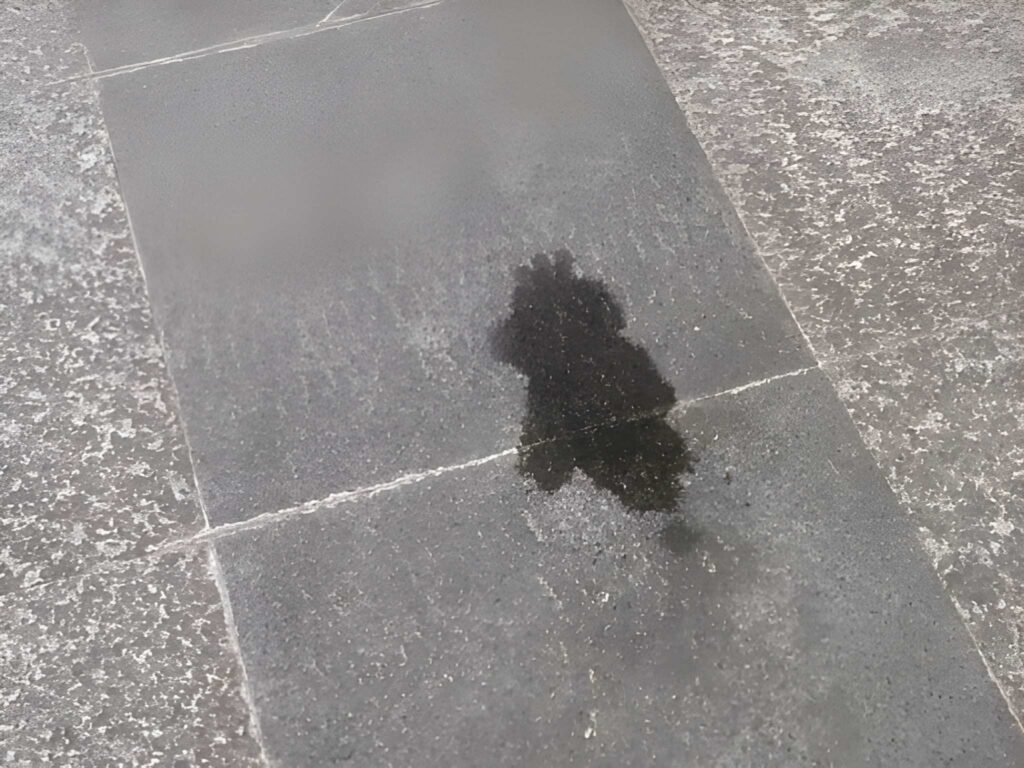
Does brake fluid stain concrete? Yes, brake fluid can stain concrete. When brake fluid spills on concrete, it can seep into the material’s porous surface, causing discoloration. The stain may become permanent if not cleaned up quickly.
Does brake fluid stain concrete? It sure can! If brake fluid spills, it will go into tiny pores in concrete, and concrete is porous. Brake fluid damages concrete because it is made of chemical compounds—specifically glycol ethers—which can break down oils and other things. Although brake fluid is a necessary part of your vehicle, it can cause damage and discolor concrete surfaces if the spill is not taken care of immediately.
This article will explain the damage that brake fluid can cause, whether it will stain your concrete, and how to clean or prevent stains if they do occur.

Contents
- 1 The Science Behind Brake Fluid Stains
- 2 Why Glycol-Based Brake Fluid is More Likely to Cause Stains
- 3 How to Prevent Brake Fluid from Staining Concrete
- 3.1 1. Act Quickly – Clean Up Any Spills Immediately
- 3.2 2. Use Concrete Sealers to Protect Your Driveway/ Garage Floor
- 3.3 3. Concrete Needs Maintenance
- 3.4 How to Get Brake Fluid Stains out of Concrete
- 3.5 1. The Best Option is a Concrete Cleaner (or Degreaser)
- 3.6 2. Paste Of Water And Baking Soda
- 3.7 3. Method Of Poultice
- 3.8 4. Pressure Washing for More Extensive Areas
- 3.9 5. Industrial Concrete Stain Removers
- 4 Why Brake Fluid Stains on Concrete Should be Avoided
- 5 Frequently Asked Questions
- 6 Conclusion
The Science Behind Brake Fluid Stains
Here, we will teach you how brake fluid stains concrete and how it relates to the other components within concrete. This section will explain the chemical makeup of brake fluid, and how it interacts with concrete to cause discoloration.
Concrete and Brake Fluid
Car brake fluids either consist of glycol or silicone based compounds. A more commonly used brake fluid type is the glycol based one, and this fluid is chemically active, which means it can break down and destroy oils, grime, and numerous other materials. Concrete is made up of many minerals with different permeabilities and when brake fluid is introduced, it can easily breakdown the concrete because it is very permeable.
Concrete, just like many other porous materials, contains tiny pockets of air, or pores, and these pores help different liquids and materials settle deep into the concrete.
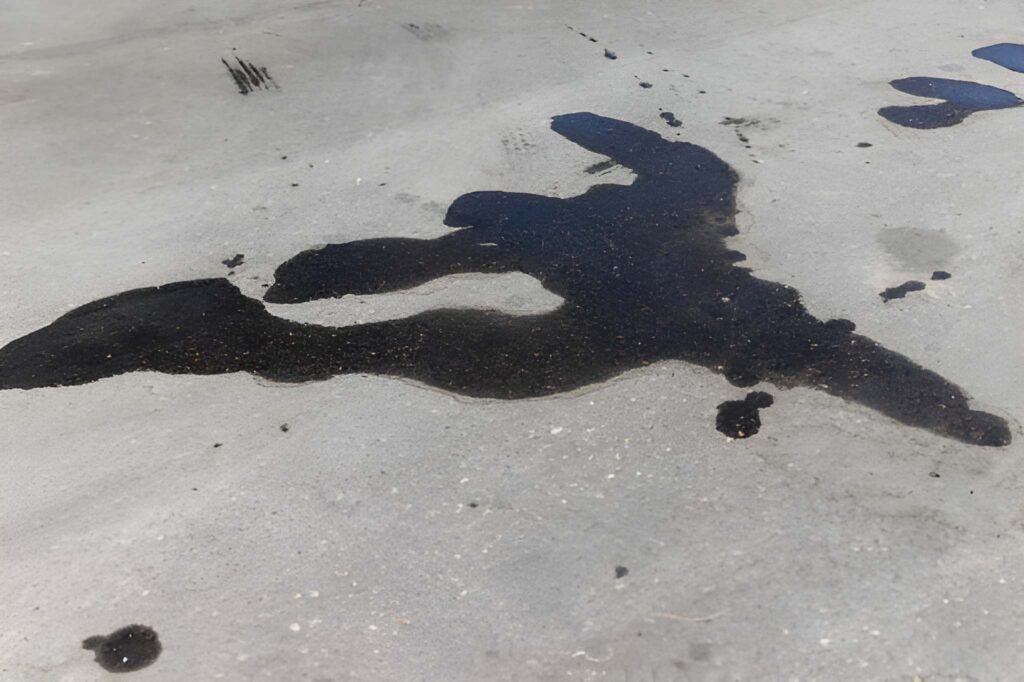
Once concrete has brake fluid spillage, there is an interaction with the type of minerals and other compounds present within the concrete. When this process occurs, a stain is created. The brake fluid is created from the glycol based fluid, which means it can destroy other substances and advance deeper into the pores of the concrete. The result of the untreated spillage is irreversible damage to the concrete and it will appear to be permanently stained or discolored.
Absorption of Brake Fluids and Concrete’s Porosity
Concrete has a naturally porous structure, allowing it to absorb liquids. While the micro-pores in concrete help it permit vapor diffusion, they also permit the absorption of liquids like brake fluid, oils, chemicals, and the staining initiated by these substances. Each time a brake fluid stain appears on concrete, the brake fluid penetrates the concrete, triggering a permanent stain formation, reacting to various concrete components.
Why Glycol-Based Brake Fluid is More Likely to Cause Stains
Moisture absorption and fluid breakdown are characteristic of brake glycol fluids, like DOT 3, DOT 4, and DOT 5.1. These fluids also readily penetrate concrete and produce stains. Silicone brake fluids (DOT 5) are less likely to stain concrete, but in many cases, they may also lead to concrete discoloration if they rest on the surface. Glycol fluids, in contrast, are more chemically active and therefore stain concrete more readily and excessively.
How to Prevent Brake Fluid from Staining Concrete
Even though some things are impossible to prevent, we can attempt to mitigate some of the risks that come along with brake fluid stains on concrete.
1. Act Quickly – Clean Up Any Spills Immediately
The quickest way to avoid brake fluid stains on concrete surfaces is to clean it up as quickly as possible. Concrete is a porous material, so it can potentially absorb a significant amount of brake fluid if it is not removed right away. Spills can be blotted with cloths and paper towels, and that should be enough to prevent concrete from soaking up the fluid.
Cleaning the area with water and a mild detergent should also be done to get rid of fluid residue. Less time left on the spill, the more likely it is to avoid permanent concrete damage.
2. Use Concrete Sealers to Protect Your Driveway/ Garage Floor
Concrete sealers act as an added protective layer for your driveway/garage floors. A good quality sealer will make the concrete less porous. This means liquids like brake fluid will not seep in and stain your concrete. Most water-based sealers are made to repel oil, grease, and other chemicals.
Once you seal the concrete, the concrete will stain less and cleaning will also be made easier due to the sealed concrete surface not allowing the liquids to go into the concrete. Make sure you follow the instructions that the manufacturers provide to achieve the best results.
3. Concrete Needs Maintenance
To avoid concrete/oil stains, have the surface cleaned regularly. Use a dedicated concrete cleaner as well as a pressure washer to clean oil and stains that may be embedded in the surface. This will also lessen on the stains that may be caused by a brake fluid spill.
Concrete is less likely to become stained if it is cleaned regularly. It also makes cleaning up the concrete floors and removing stains easier.
How to Get Brake Fluid Stains out of Concrete
Concrete stains caused by brake fluid spills are typically not easy to remove, but it’s certainly not impossible, and hopefully, this article will help you out!
1. The Best Option is a Concrete Cleaner (or Degreaser)
Concrete stains caused by brake fluid spills are typically not easy to remove, but it’s certainly not impossible, and hopefully, this article will help you out! Concrete cleaners and degreaser are made to clean burnt oil and grease. Concrete brake fluid stains can be broken down using specialized cleaner tools. Make sure to apply the cleaner in a small stained area, scrub the area a bit and rinse. Sometimes you will need to clean the stained area multiple times to fully remove the stain. ( this is very common ).
2. Paste Of Water And Baking Soda
For a more natural option, a paste made of water and baking soda can work on the brake fluid stain. You can make the paste by mixing baking soda with water. After creating the paste, apply the paste to the area with the stain. After the paste has been on the area for about 15 to 20 minutes, scrub the area with a brush and then rinse the area with water.
3. Method Of Poultice
A paste-like mixture is known as a poultice. This mixture usually includes an absorbent material (like baking soda, clay, or talc) and a solvent (like water, acetone, or hydrogen peroxide). For you to create a poultice for the stains of brake fluid, you need to combine an absorbent material with a solvent until you achieve a paste consistency. After you make the paste, apply it to the stain and use plastic wrap to cover it. You should then allow the paste to stay for a number of hours or even overnight.
The poultice will be able to absorb the brake fluid out of the concrete. When the poultice has dried enough, you can then remove the poultice, scrub the area, and use water to rinse it.
4. Pressure Washing for More Extensive Areas
If the brake fluid stain extends over a larger section of the concrete, you may consider using a pressure washing for stain removal. The high pressured water may be able to develop and wash away the stain leaving the concrete looking as good as new. Just be sure to choose the right pressure for the surface to avoid damaging the concrete.
5. Industrial Concrete Stain Removers
When all other options have been exhausted, you may have to use a concrete stain commercial remover specifically made to tackle tough stains such as brake fluid. Keep in with the manufacturer’s labels, as with these products, eye and skin protection is a necessity.
Why Brake Fluid Stains on Concrete Should be Avoided
Preventing stains from brake fluids is important since brake fluids are chemicals. Concrete weakened by fluids may deteriorate from further structural supplements. Once stains become set they become more difficult and expensive to remove.
Stains are also difficult to remove because while concrete is considered to be a chemically durable material, it is still susceptible to chemical damage and stains. To maintain the cosmetic appearance of your concrete and to lessen the damage, clean spills and a concrete sealer should be applied.
Frequently Asked Questions
Here are some FAQs about removing brake fluid stain from concrete –
1. Will brake fluid stain sealed concrete?
Sealed concrete will stain brake fluid, but it will take some time. brake fluid stains in sealed concrete are are damageable to non damages to non sealed concrete. Simply put, stained.
2. How will I know if my concrete has been sealed?
You will know if concrete has been sealed by performing a water test. No water soaked in seep, bed will form and water will be all the evidence required.
3. How long does it take for brake fluid to stain concrete?
Concrete can start to stain with brake fluid upon contact, but the longer the fluid stays on the concrete, the more permanent the stain will be.
4. Is brake fluid dangerous to concrete?
If the concrete is porous, then with time, brake fluid will degrade concrete. Cleaning the concrete can help reduce the long-term effects.
5. Can I stop the staining of brake fluid with a DIY sealant?
You can use a DIY sealant to protect your concrete, but a professional grade sealant will give you better results.
Conclusion
Can concrete get stained from brake fluid? Yes. However, there are some practices that can prevent or minimize stain damage from concrete. Having concrete’s semi-porous nature, it can absorb fluid and stain from fluid. If a stain occurs, it can be cleaned by using degreasers, baking soda, and other cleaning methods. Sealers can be used to prevent stains, and maintenance can maximize stain prevention.
These things protects concrete from stains. stains can brake fluid from staining works cleaning left fluid stains to will Protects concrete from stains. Taking some brake fluid stains, cleaning, and erosion stain cleaning methods will keep concrete in OSHA standards safe.


