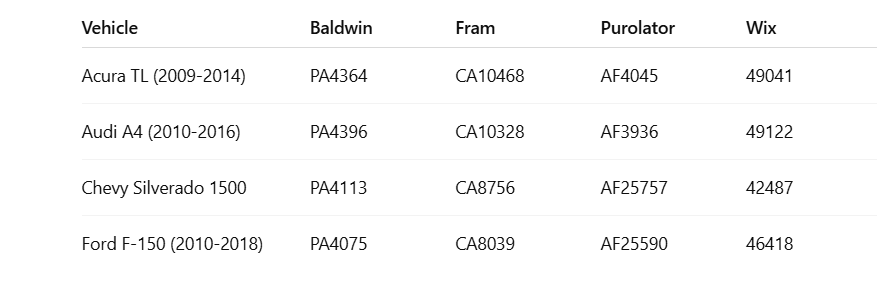
Engine air filter cross reference chart helps match air filter part numbers from different brands, ensuring compatibility with your vehicle. It simplifies the process of finding an alternative filter, making it easier to compare specifications, availability, and price.
An engine air filter cross reference chart allows you to compare and match air filter part numbers from different manufacturers. This tool is invaluable for car owners, mechanics, and vehicle enthusiasts who want to ensure they’re selecting the right air filter for their specific vehicle. The cross reference chart shows which filters from various brands are compatible with each other, making it easier to find alternative options and ensure a perfect fit.
Using a cross reference chart is particularly useful if you can’t find the original filter brand, if you’re considering performance upgrades, or if you want to compare prices between brands. In this article, we’ll explain how these charts work, how to use them, and why they matter for maintaining your vehicle’s engine health.
Contents
- 1 What is an Engine Air Filter Cross Reference Chart?
- 2 Key Components of an Engine Air Filter Cross Reference Chart
- 3 How to Read an Engine Air Filter Cross Reference Chart
- 4 Common Brands and Filters in the Cross Reference Chart
- 5 How Cross Reference Charts Help With Vehicle Maintenance
- 6 Common Mistakes to Avoid When Using a Cross Reference Chart
- 7 Frequently Asked Questions
- 8 Conclusion
What is an Engine Air Filter Cross Reference Chart?
An engine air filter cross reference chart is a tool that allows you to compare and find equivalent air filters across multiple brands. Manufacturers often use different part numbers for their filters, but their specifications (such as size, design, and performance) may be very similar or even identical. The cross reference chart provides the means to match these different part numbers to help ensure that you’re using a filter that fits and functions as intended.
The chart will typically list:
- Brand Name
- Filter Part Number
- Compatible Vehicle Models
- Alternate Brands and Part Numbers
It serves as a quick way to identify compatible filters from different brands, so you don’t need to stick to just one manufacturer. This is particularly helpful when the original brand’s filter is unavailable, too expensive, or you simply want to explore better alternatives.
Why is It Important to Use a Cross Reference Chart?
The importance of an engine air filter cross reference chart lies in its ability to simplify the process of selecting the right filter. Here’s why it matters:
- Time-Saving: Rather than searching through endless catalogs or websites, you can quickly find the correct air filter part number.
- Cost-Effective: Different brands offer the same filters at varying prices. By using the chart, you can compare prices and make an informed choice.
- Availability: Sometimes, the exact filter you need from a particular manufacturer may not be in stock. A cross reference chart helps you find alternatives from different brands.
- Ensures Compatibility: It guarantees that the filter you choose is compatible with your vehicle’s engine, ensuring that airflow remains unrestricted and that contaminants are filtered out properly.
Key Components of an Engine Air Filter Cross Reference Chart
An engine air filter cross reference chart contains several key pieces of information that help you find the correct filter for your vehicle. Below are some of the most important elements you’ll encounter when using the chart:
1. Vehicle Make, Model, and Year: The chart lists the make, model, and year of the vehicle for which the filter is designed. This helps ensure that the filter is compatible with your specific vehicle.
2. Part Numbers: Part numbers are essential for identifying and cross-referencing air filters from different brands. By matching the OEM part number with alternatives in the engine air filter cross reference chart, you can ensure compatibility with your vehicle.
- OEM Part Numbers: These are the original equipment manufacturer (OEM) part numbers used by the vehicle’s manufacturer.
- Aftermarket Part Numbers: These part numbers come from third-party companies that produce filters compatible with your vehicle.
3. Filter Brand: Different brands produce filters with varying levels of quality and performance. The chart lists the major brands and their part numbers, making it easy to compare options.
4. Specifications: Each filter is characterized by various specifications, such as:
- Filter Dimensions: The length, width, and height of the filter.
- Airflow Capacity: The amount of air the filter can pass through, typically measured in CFM (cubic feet per minute).
- Material: Filters may use paper, foam, or synthetic materials to capture debris.
- Efficiency: The percentage of particles the filter can trap, which affects how clean the air entering the engine will be.
How to Read an Engine Air Filter Cross Reference Chart
Understanding how to read an engine air filter cross reference chart is key to ensuring that you choose the right filter. Here’s how to do it:
Step-by-Step Process of Reading the Chart
To effectively use an engine air filter cross reference chart, follow these simple steps to find the compatible air filter for your vehicle. By matching part numbers and specifications, you can easily find the right filter across multiple brands.
- Identify the Vehicle Information: Start by identifying your vehicle’s make, model, and year. This is crucial for ensuring compatibility with the filter.
- Find the Original Part Number: Find the original OEM part number for the air filter. You can often locate this on the filter itself or in the vehicle’s manual.
- Search for Cross References: Look up the OEM part number in the cross reference chart. You’ll find matching filters from different brands that are compatible with your vehicle’s specifications.
- Compare Specifications: Make sure the alternative filters meet the necessary specifications (e.g., airflow capacity, dimensions, and filtering efficiency).
- Choose the Best Option: After comparing part numbers and specs, select the filter that best meets your needs. Consider factors like price, performance, and availability.
Common Brands and Filters in the Cross Reference Chart
Many brands manufacture engine air filters that are designed to fit specific vehicles. Here’s a breakdown of some popular brands and their air filter offerings that you’ll often see in a cross reference chart:
1. Fram Filters: Fram is one of the most well-known air filter brands, and their filters are widely available. The Fram Extra Guard and Fram Tough Guard are two of their most popular options.
2. Purolator Filters: Purolator offers high-quality filters, such as the PurolatorBOSS and PurolatorONE series. These filters are known for excellent filtering efficiency and long-lasting performance.
3. Baldwin Filters: Baldwin is a trusted brand in the commercial and heavy-duty vehicle space, offering filters that provide superior filtration for trucks and large vehicles.
4. Wix Filters: Wix is known for its extensive catalog of filters that fit a wide range of vehicles. The Wix Air Filters are often considered high-performance filters that are used in both consumer and commercial vehicles.
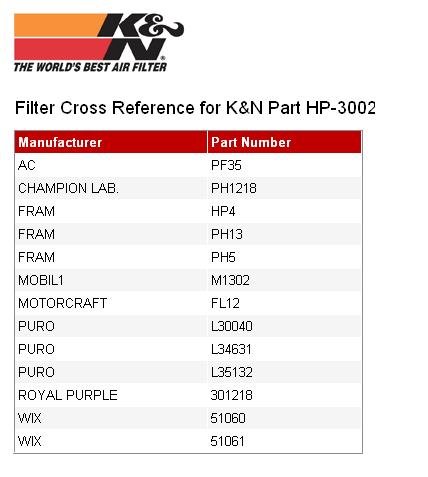
5. K&N Filters: K&N is famous for its high-flow air filters that are used in both stock and modified vehicles. K&N’s air filters are reusable and offer superior airflow for high-performance engines.
6. AEM Filters: AEM offers dry flow air filters, which are designed for high-performance and off-road vehicles. These filters are particularly popular among racing enthusiasts.
How Cross Reference Charts Help With Vehicle Maintenance
An engine air filter cross reference chart plays a crucial role in maintaining your vehicle. Here’s how:
- Ensures Proper Airflow: Choosing the right air filter ensures that the engine receives the correct amount of airflow. An air filter that’s too small or too large for the application can restrict airflow or fail to filter properly.
- Prevents Engine Damage: The primary function of the air filter is to keep dirt, debris, and contaminants out of the engine. A poor-quality or ill-fitting filter can allow harmful particles to enter the engine, leading to increased wear and reduced engine performance.
- Improves Fuel Efficiency: A clean air filter allows the engine to breathe more easily, leading to better fuel combustion. This can improve fuel efficiency, saving you money at the pump.
- Increases Engine Lifespan: Regularly replacing the air filter ensures the engine remains protected, preventing premature wear and extending its lifespan. An air filter that’s clogged with debris can reduce engine efficiency and accelerate engine damage.
Common Mistakes to Avoid When Using a Cross Reference Chart
Although using a cross reference chart is a great way to find compatible air filters, there are a few common mistakes to avoid:
1. Ignoring Filter Specifications: Some people only focus on part numbers when choosing filters. However, it’s essential to compare all relevant specifications, such as dimensions, airflow capacity, and efficiency. A filter may fit physically but may not offer the performance needed for optimal engine protection.
2. Choosing the Cheapest Option: While saving money is important, don’t compromise on quality. A lower-cost air filter may not offer the same level of filtration efficiency as a premium filter. Always look for a good balance between price and quality.
3. Not Replacing Filters Regularly: Engine air filters need to be replaced at regular intervals to maintain engine performance. Even if a filter seems to be working fine, over time, it becomes clogged with dust, dirt, and debris. Follow the manufacturer’s recommended replacement schedule.
Frequently Asked Questions
Here are some FAQs about the engine air filter cross reference chart –
1. What is an engine air filter cross reference chart?
An engine air filter cross reference chart shows equivalent filters across multiple brands, helping vehicle owners identify the right filter for their engine.
2. Why should I use a cross reference chart?
Using a cross reference chart ensures compatibility between brands and allows you to choose the best filter based on price, availability, and performance.
3. How do I find the right air filter for my car?
Find your vehicle’s OEM part number, then consult the cross reference chart to find compatible filters from various brands.
4. Can I rely on online cross reference tools?
Online tools are helpful, but confirm fit and measurements before buying. Information is meant for general guidance.
5. Why is choosing the right air filter important?
The air filter prevents dirt and debris from entering the engine, protecting internal parts and helping maintain performance.
Conclusion
An engine air filter cross reference chart is a valuable tool for comparing and selecting compatible air filters across brands. It helps you save money, find alternatives, and ensure the correct fit for any vehicle. Using this chart, you can confidently match filters like Fram, Purolator, Baldwin, and others for proper engine protection and airflow. Although charts are guides and should be verified with measurements, they make the process of finding equivalent filters much easier. With the right chart and a careful check, you can keep the engine running clean and efficient for years.