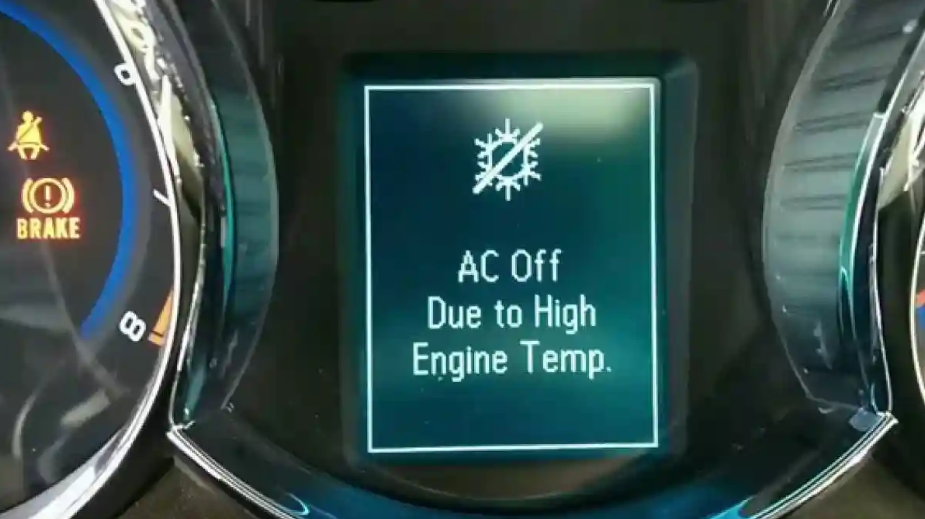
Engine hot AC off means the engine is overheating, and the air conditioning system has been automatically disabled to reduce the load on the engine. This happens to help prevent further overheating and damage to the engine components.
Most drivers never want to see the warning “Engine Hot AC Off.” With the warning sign, the engine temp is running too high and is likely overheating. To protect the engine, the AC turns off due to the extra strain the AC puts on the engine. The overheating problem can cause serious damage to the radiator, thermostat, engine block, etc. Learning the reasons behind the warning, the causes, and the appropriate actions to take is essential.
The purpose of this article is to examine the causes of overheating, the function of the AC system, and how to solve the problems.
Contents
- 1 What Does ‘Engine Hot AC Off’ Mean?
- 2 Why the AC is Disabled
- 3 Why the Engine Overheats and the AC Turns Off?
- 4 What Happens When the AC Turns Off?
- 5 How to Address the “Engine Hot AC Off” Warning
- 6 Frequently Asked Questions
- 7 Conclusion
What Does ‘Engine Hot AC Off’ Mean?
The ‘Engine Hot AC Off’ message is warning that the engine is getting too hot. To protect the engine from getting even hotter, the engine load is reduced by turning off the air conditioning. This warning is actually designed to protect the engine by turning off the AC, so that the AC compressor doesn’t further overload the engine. Most newer vehicles have a system where the AC design helps cool the engine, but if the engine is too hot, then it’s designed to turn off the AC to help cool the engine.
Why the AC is Disabled
Now the engine AC compressor is a load on the engine that actually also provides power to the AC system. So, if the engine is too hot, it makes it even harder to cool the engine if you then add load from the AC system. So the warning message is telling the driver that the system is trying to relieve load by turning off the AC.
Why the Engine Overheats and the AC Turns Off?
When the engine overheating light and AC turn off light come on, it’s important to figure out the cause of the problem. Overheating can be a simple problem, like low engine coolant, or a more serious mechanical problem. Here are the most common reasons:
1. Engine Coolant Level
Low engine coolant levels can cause the engine to overheat. The engine coolant circulates around the engine and absorbs the heat of the engine. If the coolant drops below a certain threshold, the engine coolant can no longer regulate the engine temperature.
Cause: Engine coolant can leak out of a broken hose or radiator, a bad radiator cap, or a damaged radiator.
Effect: This will cause the engine to run hotter, which will trigger the engine overheating light and AC will turn off light to prevent further damage.
Signs of Engine Coolant Loss:
- Engine temperature gauge reading too high.
- Coolant reservoir is low.
- Engine coolant leaks around the vehicle.
How to fix it
If the coolant level is low, add more to the reservoir as needed, just make sure to use the right coolant compatible with your vehicle. If the coolant level continues to drop, you need to have your vehicle checked for leaks in the cooling system.
2. Defective Radiator
The radiator is an important part of the vehicles cooling system. It facilitates the cooling of the engine by transferring heat absorbed by the coolant. If the radiator is defective, it means there is blockage in the radiator, leaks in the radiator, or fractures in the radiator. It means that the radiator does not cool the engine to an adequate extent. This causes the engine to overheat. It, therefore, also causes the defect in the engine to show the Engine Hot AC Off message.
Cause: Defective radiator, dirty radiator, dirty radiator fins, or defective radiator housing.
Effect: Poor heat depression and engine overheating.
Signs of radiator problems:
- Puddles of coolant or leaks by the radiator
- Engine overheating with low coolant levels.
- Engine overheating, even at low speeds or when the vehicle is idling.
How to fix it
If you find leaks, holes, or blockages of any kind in the radiator, inspect the radiator. If you find the blockage of the radiator is serious, you may need to have the radiator replaced. If the problem is moderate, you can have the radiator flushed.
3. Stuck Thermostat
The thermostat is responsible for regulating engine coolant. If the thermostat is functioning correctly, and the engine is hot, then the thermostat will open and allow cool engine coolant to flow through it to bring the engine temperature down. If the thermostat is stuck closed, then coolant cannot flow through it and will ultimately cause the engine to overheat.
Cause: Stuck or malfunctioning thermostat resulting in improper coolant flow.
Effect: Ineffective engine cooling, resulting in engine overheating and the alert warning.
Symptoms Indicating Stuck Thermostat:
- The engine temperature indicator climbs to unsafe levels quickly
- The engine is hot even though there is enough coolant.
What needs to be done:
The stuck thermostat needs to be replaced. This repair is fairly simple and inexpensive in the grand scheme of things, but it will be helpful in avoiding future issues with overheating.
4. Damaged or Worn-Out Water Pump
The water pump is responsible for the circulation of coolant within the engine and radiator. If the water pump is damaged or worn, the engine won’t receive adequate coolant circulation and thus will overheat.
Cause: Wear and tear, damaged seals, or a broken impeller inside the water pump.
Effect: Poor coolant circulation, leading to engine overheating.
Signs a Water Pump is Faulty:
- An odd noise such as whining or grinding that comes from the engine area.
- The engine temperature gauge is rising to dangerous levels.
- Coolant is leaking around the area of the water pump.
How to Fix It
More complex repairs that may need the help of a professional are to replace the water pump that is worn out or damaged.
5. The Cooling Fan is Broken or Malfunctioning
The cooling fans are supposed to keep the engine from overheating by blowing out air that comes from the radiator. In case the cooling fans do not work, the engine may not be able to cool itself, even with a good radiator and good coolant.
Cause: A fan motor that is faulty, a fuse that has blown, or wiring that is damaged.
Effect: The airflow is reduced and that could lead to the engine overheating.
Signs of Issues with the Cooling Fans:
- The engine temperature increases, especially when it is standing still.
- The fans are not turning on and the engine is hot.
How to Fix It
Check the fans along with the motors and the wiring, and replace anything that is damaged. The fuses and relays may need to be examined as well.
6. AC System Overload
The air conditioning system can lead to engine overheating. If the engine load increases and the “Engine Hot AC Off” warning alert is triggered, the issue can stem from a clogged condenser, a dirty compressor, plugged stepper motors, or even a failing compressor that creates friction and heat to make the compressor work harder.
Cause: Blockage or dirt buildup in the stepper motors, a dirty compressor, or low refrigerant levels in the system.
Effect: Increased engine load, resulting in overheating.
Signs of a/c system issues:
- The AC is not providing enough cooling.
- When the AC is in use, loud or unusual sounds can also be heard.
What to do
Hire a professional to check your air conditioning system. He will be able to assist A/C repairs, and refrigerant additions, stepper motors, check compressors, and overall air conditioning function.
What Happens When the AC Turns Off?
When the engine is too hot to use AC it means the AC will automatically turn off as a way to offload the burden on the engine so it can cool more efficiently.
What are the Benefits of Turning on AC?
Reduced Engine Load: The AC compressor uses engine power, and by disabling it, the engine can focus more on cooling.
Less Burden on the Engine: The AC compressor takes a certain amount of engine power so it can more easily cool down when it is turned off.
Prevention of More Severe Damage: It reduces the workload on the engine too.
What are the Drawbacks of Turning the AC off?
Less Comfort: The cabin will become warmer, especially in hot weather.
More Discomfort: Long drives can become uncomfortable really easily when you are relying on the AC for comfort to cool down.
How to Address the “Engine Hot AC Off” Warning
The “Engine Hot AC Off” warning light indicates your engine requires immediate attention. Here is what you can do if you see this warning light:
1. Pull Over and Let the Engine Cool: If you see this warning light and you’re driving, find a safe place to pull over. Shut off your engine. The warning light could mean your engine is at a critical temperature. Allowing the engine to cool for twenty minutes is one way to try to avoid critical damage or critical repairs to your engine.
2. Check Coolant Level: If you’re overheating, you need to make sure that you have adequate coolant before you begin driving again. If your coolant level is insufficient it is likely contributing to your overheating.
3. Check for Leaks: You should do a visual inspection for leaks of your: radiator, hoses, and water pump. Leaks, especially coolant leaks, are a common reason for engines overheating.
4. See a Mechanic: If the above steps do not resolve the warning light, it is time to see a mechanic to have them do a diagnostic. The mechanic can determine if the radiator, thermostat, water pump, or AC is the cause of your overheating.
Frequently Asked Questions
Here are some FAQs about engine hot AC Off warning message –
1. What action should be taken when the warning appears?
Safe stop your vehicle, allow the engine to cool, and check the coolant level. While you can check for leaks, if your engine is hot, this can be dangerous. If needed, take it to a mechanic.
2. Can Engine Hot AC Off warning occur when the coolant is low?
Definitely. Engine coolant issues are one of the primary initiators of engine overheating, which causes the warning.
3. Can I continue driving the car if this warning is present?
No, this can cause severe engine damage.
4. What action can be taken to avoid the overheating engine warning?
To avoid the warning, you can check the coolant level, and have the radiator and AC systems serviced regularly. This is referred to as maintenance.
Conclusion
The “Engine Hot AC Off” warning indicates that the engine is overheating, and the AC system has been deactivated to reduce the load on the engine. Ignoring this issue can lead to severe and costly damage to the engine. It is important to regularly inspect the coolant, radiator, thermostat, and AC system to keep the engine in good condition. By taking preventative measures, the “Engine Hot AC Off” warning can be avoided.