


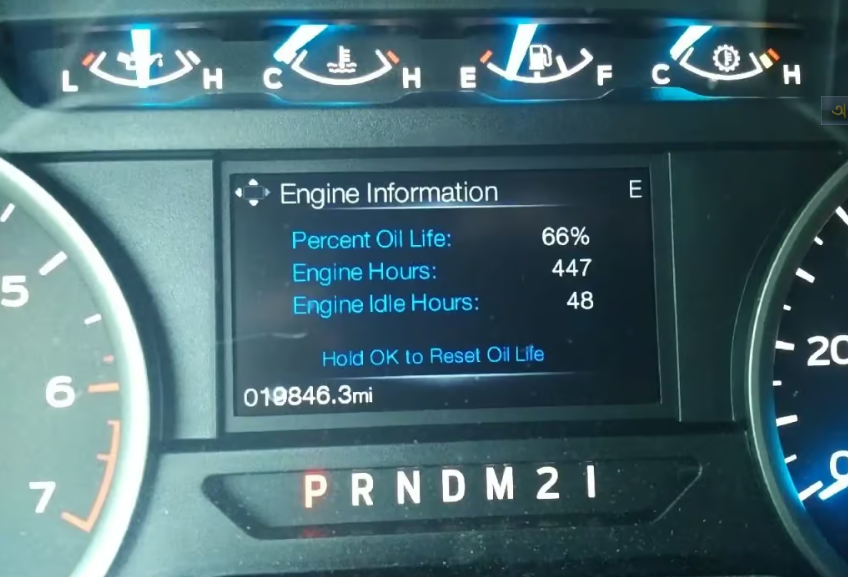
Engine hours to miles conversion estimates travel distance by multiplying engine hours with average speed. It helps track vehicle wear and plan maintenance, especially for idle-heavy usage.
Calculating the number of miles from the engine hours helps identify how far a vehicle has traveled based on the time the engine has run. Engine hours helps understand the wear on the engine, including idle times. Unlike an odometer, engine hours shows the time the engine has run. Engine hours converted helps to plan engine maintenance, assess the wear of the engine, and of the engine, and helps determine the operational costs.
Calculating the miles from engine hours helps understand the need of a vehicle in construction, or a fleet vehicle, or in an industry using a fleet of vehicles and construction vehicles and equipment that run in equipment with an engine that has a lot of idle time or a lot of time during which the engine is running without adding miles, helps understand the engine.

Contents
- 1 What are Engine Hours?
- 2 Why are Engine Hours Important?
- 3 Why Do People Change From Engine Hours To Miles
- 4 How to Convert Engine Hours to Miles
- 5 Factors Affecting the Conversion
- 6 Practical Example of Engine Hours to Miles Conversion
- 7 Practical Use in Fleet Management
- 8 Benefits of Engine Hours to Miles Conversion
- 9 Frequently Asked Questions
- 10 Conclusion
What are Engine Hours?
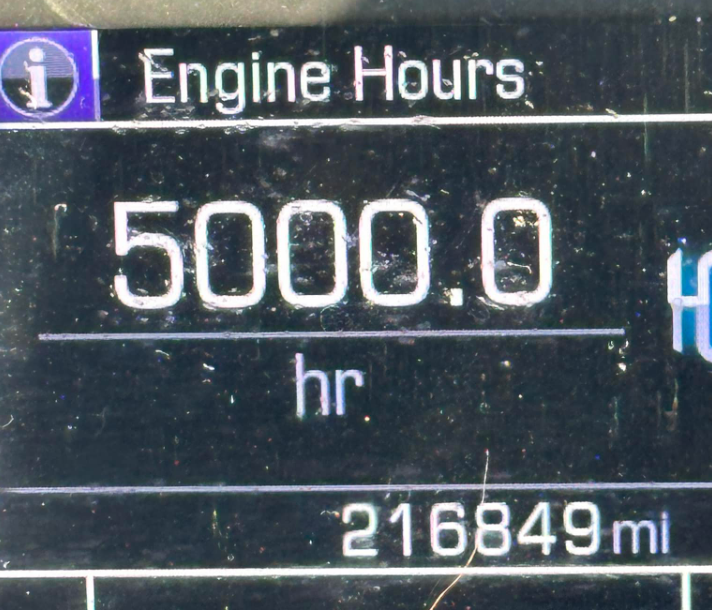
Simply put, engine hours are used to help figure out how much time an engine has been used, whether it was moving, or even if it was just idling. An hour meter, which acts like a stopwatch, can help keep track of time. Even if the engine was not moving, the meter tracks time. This helps keep track of the life cycle of an engine, and helps determine how much operational time an engine has.
Why are Engine Hours Important?
The odometer and engine hours recording devices track two very different pieces of information. An odometer tracks distance, while an engine hour meter tracks how much time an engine has been used, This helps track the wear and tear on an engine. Even if an engine is just idling, it will use fuel, and damage internal components. This is the cause of internal engine wear and tear, and is part of the reason idling is bad.
As an example, a construction vehicle can have a lot of hours on the meter, even if the vehicle has not driven for a long time. This is a great cause of wear and tear to the internal components of the vehicle, and is part of the reason construction vehicles wear out some components (engine, oil filter, fuel filter, etc.) more quickly than a standard vehicle.
There are more oil changes and filter changes on construction vehicles due to the increased idling and more hours on the engine meter than standard vehicles have.
Why Do People Change From Engine Hours To Miles
When converting engine hours to miles, you take into account the distance travelled based on the actual usage of the vehicle instead of the reading on the the vehicles odometer. Converting engine hours to miles becomes very useful when estimating the distance travelled with regard to vehicle maintenance, the condition of the vehicle, and the varying vehicle usage in different driving conditions whether city driving or highway driving.
Below are some common practices of converting engine hours to miles.
1. Vehicle Servicing
Manufacturer’s guides and manuals typically have suggested servicing intervals based on the distance travelled as read on the vehicle’s odometer. In order to have the vehicle serviced based on the actual usage of that vehicle, conversion of engine hours to miles becomes useful in estimating when service on the vehicle needs to take place without relying on the distance travelled as read on the odometer. This practice is especially important for vehicles/engines that have idled for long periods of time or have been placed under a lightweight load.
For instance, a vehicle that spends a lot of time idling may require more frequent oil changes than a similar vehicle with fewer miles but comparable engine hours.
2. Insights on Wear and Tear
When considering engine wear, engine hours are more telling than just miles. The odometer could be showing low mileage, but the engine could be in worse shape than engines on vehicles that are driven long distances due to long operating hours. This is often the case in vehicles that are road worthy, but are used for heavy duty operations like construction and mining. Those engines that are idle for long periods will be worse than engines that are driven long distances at high speeds.
3. Resale and Valuation
Noting the engine hours and odometer readings of a vehicle is key to accurately valuing a vehicle. A vehicle that has low mileage but high engine hours has been used to a great extent on an operational basis and has less road wear. The opposite is also true. A high mileage vehicle with low engine hours hasn’t been used to a great operational extent, which is indicative of driving primarily on highways. This is for the better because highway driving is less wear and tear on the engine.
When converting engine hours to miles, the estimate of the vehicle’s operational history is better. This can be a plus when determining the valuation when purchasing or selling.
4. Fleet Management
In fleet management, engine hours conversion to miles is helpful to analyze vehicles working in diverse conditions. For example, some vehicles may be used for city driving where there is heavy stop-and-go traffic and more idling, whereas others may be used primarily for highway driving. Having insight into miles and engine hours helps fleet managers to better understand how each vehicle is used, and how much wear and tear each vehicle is experiencing.
How to Convert Engine Hours to Miles
The conversion process is fairly simple and involves multiplying the total engine hours by an average speed. This method assumes that the vehicle operates at a relatively consistent speed during its operation. Here’s the general formula for converting engine hours to miles:
Miles = Engine Hours × Average Speed
For example:
- If a vehicle runs for 100 engine hours at an average speed of 30 mph, the estimated distance would be:
100 hours × 30 mph = 3,000 miles
However, this conversion assumes that the vehicle is running at an average speed for the entire 100 hours. Real-world conditions may require adjustments to account for factors such as:
- Idle time: Time spent with the engine running but not moving. This can be calculated separately and given an equivalent miles per hour (often 10–25 mph depending on the vehicle type).
- Low-speed operation: Vehicles used in city traffic or off-road environments often run at much lower speeds than highway vehicles, which impacts the conversion factor.
Factors Affecting the Conversion
When converting engine hours to miles, several factors can influence the accuracy of the calculation. Understanding these variables is key to obtaining a more reliable estimate of a vehicle’s operational performance and wear.
1. Vehicle Speed
The average speed of the vehicle during operation is the primary factor in calculating engine hours to miles. Vehicles that travel at higher speeds, such as trucks on highways, will cover more miles in the same number of engine hours compared to vehicles that travel at lower speeds, like delivery vans in urban areas.
2. Idle Time
Idling time adds engine hours but no miles. For example, construction equipment or emergency vehicles often have high engine hours without accumulating many miles. Many fleet management systems now account for idle hours, allowing a more accurate conversion by applying a multiplier based on typical idling speeds.
3. Vehicle Type
The type of vehicle significantly affects the conversion. For instance:
- Heavy-duty trucks running on highways may average 60-70 mph, converting engine hours into miles at a faster rate than a delivery van that moves at an average speed of 20-30 mph.
- Construction equipment that operates under load at low speeds or remains stationary for long periods will have lower miles per engine hour.
4. Road Conditions
The terrain and driving environment also play a role in engine performance. Off-road vehicles or those used for stop-and-go city driving will likely have a lower average speed than those operating on highways.
Practical Example of Engine Hours to Miles Conversion
Let’s walk through a couple of practical examples using the formula:
Example 1: Highway Truck
- Engine Hours: 250
- Average Speed: 60 mph (on highway)
Miles = 250 hours × 60 mph = 15,000 miles
This truck is primarily used for highway driving, so the conversion is relatively straightforward.
Example 2: Delivery Van in the City
- Engine Hours: 300
- Average Speed: 20 mph (due to stop-and-go traffic)
Miles = 300 hours × 20 mph = 6,000 miles
This delivery van travels a lot in the city, meaning frequent stops and slower speeds lead to fewer miles per engine hour.
Example 3: Construction Equipment
- Engine Hours: 400
- Average Speed: 10 mph (due to off-road, low-speed operation)
Miles = 400 hours × 10 mph = 4,000 miles
Though the construction equipment has been used for 400 hours, the miles traveled is relatively low due to its slow operational speed.
Practical Use in Fleet Management
For fleet managers, engine hours to miles conversion can help:
- Schedule maintenance: Knowing the equivalent miles helps managers schedule timely oil changes, filter replacements, and more.
- Assess performance: Managers can track the wear and tear of vehicles that are heavily idling or running under load, helping to predict failures before they occur.
- Optimize fuel consumption: By understanding engine hours, fleet managers can also identify inefficient usage patterns, like excessive idling or underutilization.
Benefits of Engine Hours to Miles Conversion
Converting engine hours to miles offers several advantages that go beyond simple distance tracking. Understanding this conversion can help improve maintenance planning, optimize vehicle usage, and provide more accurate insights into engine wear and vehicle performance.
1. Accurate Maintenance Planning
Using engine hours to determine when to service vehicles ensures that maintenance is done at the right time, even for vehicles that don’t accumulate many miles but are heavily used.
2. Improved Operational Efficiency
By monitoring engine hours, fleet managers can detect idle time or inefficient driving, leading to optimized routes and fuel savings.
3. Enhanced Vehicle Valuation
The engine hours to miles conversion offers a better understanding of a vehicle’s actual wear, which is helpful when valuing or selling a vehicle. It provides a more accurate picture than just relying on mileage.
Frequently Asked Questions
Here are some FAQs about engine hours to miles –
1. How do I convert engine hours to miles?
Simply multiply the total engine hours by the vehicle’s average speed during operation. Adjust for idle time if necessary.
2. Can I use this method for all vehicles?
Yes, the method can be applied to any vehicle, including cars, trucks, and heavy machinery. Adjust the average speed based on the vehicle’s typical use.
3. What factors influence the conversion?
Vehicle speed, idle time, road conditions, and vehicle type all play a role in accurately converting engine hours to miles.
4. Why is engine hours to miles conversion important for maintenance?
It helps schedule maintenance based on actual engine usage, not just distance traveled, ensuring vehicles are serviced at the optimal time.
5. How do idle hours affect engine hour to mile conversion?
Idle hours contribute to engine wear but don’t result in miles traveled. You can adjust for idle time by applying a multiplier to estimate its impact on engine wear.
Conclusion
Converting engine hours to miles provides essential insights into how a vehicle is being used, helping to improve maintenance schedules, optimize fuel consumption, and assess overall wear and tear. This method allows fleet owners, vehicle managers, and individual car owners to better plan for maintenance, track performance, and make more informed decisions about vehicle operation and value.
By understanding the conversion process and considering factors such as speed, idle time, and vehicle type, you can ensure a longer lifespan for your vehicles and reduce unexpected repairs.


