


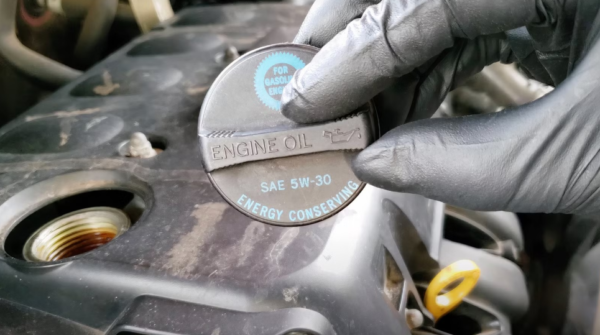
When it comes to car maintenance, one of the most important, yet often overlooked, tasks is ensuring that your vehicle has the right amount of engine oil. Whether you’re changing the oil yourself or relying on a mechanic, knowing the exact oil capacity for your vehicle is essential. Too little oil means your engine won’t be properly lubricated, leading to friction and potential overheating. Too much oil can cause the engine to suffer from high pressure, oil foaming, and leaks.
The engine oil capacity chart helps take the guesswork out of oil changes by providing the precise amount of oil needed for different makes and models. In this guide, we’ll explain how to use this chart, the factors that affect oil capacity, and the best practices for maintaining proper oil levels in your engine.

Contents
What is Engine Oil Capacity?
Engine oil capacity refers to the amount of oil an engine requires to ensure proper lubrication and functioning. This includes the oil that fills the oil pan, oil filter, and other components within the engine. Every vehicle has a specific oil capacity based on its engine size, design, and the manufacturer’s specifications.
The correct oil level is essential for ensuring smooth operation, efficient fuel consumption, and long engine life. If the engine is underfilled, parts will experience excessive wear and tear, increasing the risk of engine failure. On the other hand, overfilling can lead to increased pressure, which could cause the engine to overheat or leak oil. Using the correct oil capacity helps ensure that the engine performs optimally and remains in good condition.
Why Engine Oil Capacity Matters
The right amount of oil plays a key role in your engine’s overall health. Here’s why it matters:
- Lubrication: Oil reduces friction between the engine’s moving parts, preventing wear and tear.
- Heat Dissipation: Oil helps absorb and transfer heat away from critical components, preventing overheating.
- Cleaning: Engine oil helps clean the engine by picking up dirt, sludge, and debris, which is then filtered out.
- Pressure Management: Oil maintains the necessary pressure for seals and hydraulics, keeping your engine’s internal systems functioning.
Using the correct oil capacity helps maintain oil pressure and prevents foaming, which is caused by overfilling. Overfilled oil leads to poor lubrication and can damage the engine components over time. Similarly, underfilling the engine with oil can lead to high temperatures, inadequate lubrication, and potential engine damage. Therefore, using a reliable engine oil capacity chart for all vehicles ensures you get the proper oil volume.
Factors That Affect Engine Oil Capacity
Several factors can influence how much oil a vehicle requires. These include the engine size, design, and even the presence of additional components that hold oil. Here are the primary factors:
1. Engine Size and Displacement
The larger the engine, the more oil it will need. Engine size is typically measured in liters (L) or cubic inches (CID) and refers to the total volume of the engine’s cylinders. Larger engines, such as V6 or V8 engines, require more oil to lubricate the larger number of parts, while smaller engines like 4-cylinder engines need less oil.
For example:
- Small 4-cylinder engines typically require 3.5–5 liters (3.7–5.3 quarts).
- V6 engines often need 5.5–7 liters (5.8–7.4 quarts).
- V8 engines generally require 6.0–8.0 liters (6.3–8.5 quarts).
- Diesel engines may need as much as 7.0–12.0 liters (7.4–12.7 quarts), especially for larger vehicles like trucks and heavy-duty models.
2. Engine Design
Certain engine designs require more oil. For example, turbocharged engines and supercharged engines often need more oil due to the additional components, such as cooling systems and lubrication channels, that support the forced induction system.
Engines with dual overhead camshafts (DOHC) or Variable Valve Timing (VVT) can have more complex internal systems and additional oil pathways, increasing oil capacity.
3. Oil Filter Volume
Oil filters are an important part of the oil system, and they hold some of the oil. When you change the oil, it is important to replace the filter as well, as it contains used oil. This is why the total oil capacity often includes the volume required to fill the oil filter as well.
For example, when an oil change is completed, the oil filter holds a small but significant amount of oil. If you only top off the oil, you might be missing the amount required by the filter, leading to inaccurate oil levels.
How to Use an Engine Oil Capacity Chart
Using an engine oil capacity chart for all vehicles is straightforward, but knowing how to read it properly is key to maintaining engine health. Here’s a step-by-step guide on how to use the chart:
1. Identify the Make, Model, and Engine Type
Before looking at the oil capacity, you need to know the exact make (brand of the vehicle), model (type of vehicle), and engine size. These are often found in the vehicle’s owner manual or on the engine’s specification plate. For example, a Toyota Camry 2.5L or a Chevrolet Silverado 5.3L V8.
2. Refer to the Chart
Once you have this information, refer to the engine oil capacity chart for your specific vehicle. Many online databases and websites offer oil capacity charts for different vehicles, or you can use the manufacturer’s guidelines. Make sure to note whether the chart refers to total capacity, including the filter, or just the amount required to fill the engine after a drain.
3. Add Oil Gradually
After draining the old oil, add the new oil slowly, keeping an eye on the dipstick to ensure that you don’t overfill the engine. If your vehicle is equipped with a turbocharged engine, a larger engine, or additional accessories, it’s essential to keep the oil level within the recommended range.
4. Verify the Oil Level
Once the oil is added, check the engine oil level using the dipstick. Start the engine, let it run for a minute, and then shut it off. After waiting a few moments for the oil to settle, use the dipstick to ensure the oil level is correct. Add more oil if needed, but be sure not to overfill.
Sample Engine Oil Capacity Chart by Vehicle Type
Below is an example of an engine oil capacity chart for all vehicles:
| Make & Model | Engine Type | Oil Capacity (Liters) | Oil Capacity (Quarts) |
|---|---|---|---|
| Toyota Camry 2.5L | 4‑Cylinder | 4.4 L | ~4.6 qt |
| Honda Civic 1.5L Turbo | 4‑Cylinder Turbocharged | 3.7 L | ~3.9 qt |
| Ford F‑150 3.5L V6 | EcoBoost Turbocharged | 6.0 L | ~6.3 qt |
| Chevrolet Silverado 5.3L V8 | V8 EcoTec3 | 8.0 L | ~8.5 qt |
| BMW 328i 2.0L | 4‑Cylinder | 5.7 L | ~6.0 qt |
| Nissan Titan 5.6L V8 | V8 | 7.7 L | ~8.1 qt |
| Subaru Outback 2.5L | Boxer 4 | 4.4 L | ~4.6 qt |
| Ford Mustang 5.0L V8 | V8 | 7.0 L | ~7.4 qt |
(Note: Always refer to the vehicle’s owner manual or trusted sources for exact oil capacity values.)
Oil Capacity Ranges by Engine Type
The oil capacity varies depending on the size and type of engine. Below are general ranges for different engine categories:
- 4-Cylinder Engines: Typically use 3.5–5.5 liters (3.7–5.8 quarts).
- V6 Engines: Often need 5.5–7.0 liters (5.8–7.4 quarts).
- V8 Engines: Ranges between 6.0–8.0 liters (6.3–8.5 quarts).
- Diesel Engines: Larger vehicles, such as trucks and heavy-duty vehicles, may require 7.0–12.0 liters (7.4–12.7 quarts).
- Electric Vehicles: Most electric vehicles do not require engine oil, but may have oil or fluid systems for cooling or the transmission.
Practical Tips for Oil Changes
To ensure your engine stays healthy and operates at its best, here are some important tips for oil changes:
1. Always Use the Right Oil Type: The oil type (e.g., synthetic, semi-synthetic, conventional) matters. Always follow the manufacturer’s recommendations for the right oil viscosity (e.g., 5W-30, 10W-40). Using the wrong oil type can affect performance and cause engine damage over time.
2. Change the Oil Regularly: Follow the manufacturer’s suggested oil change interval, typically every 3,000 to 7,500 miles depending on the vehicle and oil type. Frequent oil changes keep the engine running smoothly and extend its lifespan.
3. Keep an Eye on the Oil Level: After an oil change, regularly check the oil level, especially if you notice any leaks. Top off the oil if necessary, but always check the dipstick to avoid overfilling.
4. Replace the Oil Filter: Always replace the oil filter when changing the oil. The filter traps debris and contaminants from the oil, keeping your engine running clean.
Frequently Asked Questions
Here are some FAQs about engine oil capacity –
1. What is engine oil capacity?
Engine oil capacity is the total amount of oil an engine needs to operate correctly, including the oil in the pan, oil filter, and other parts of the engine.
2. How can I find out my vehicle’s oil capacity?
Check the owner’s manual, consult with your dealership, or refer to an online engine oil capacity chart for all vehicles for accurate information.
3. What happens if I put too much oil in my engine?
Overfilling can cause high pressure, leading to oil foaming, leaks, and potential damage to engine seals and components.
4. Can I use the same oil capacity for all vehicles?
No, oil capacity differs by engine type and model. Always refer to a vehicle-specific oil capacity chart.
5. Do electric vehicles need engine oil?
No, electric vehicles don’t use engine oil. However, they may need other types of fluid for cooling or transmission systems.
Conclusion
A correct engine oil capacity chart for all vehicles is a an important tool for anyone performing an oil change or managing engine maintenance. Oil levels directly impact engine performance and longevity. By using the right amount of oil, you ensure optimal lubrication, efficient cooling, and protection against wear and tear.
Regularly checking and changing the oil helps your vehicle run efficiently and avoids costly repairs. Always refer to the chart for your specific vehicle to ensure the correct amount of oil is used and avoid potential damage to the engine. Happy driving!


