Engine sputters and tachometer stops working often result from faulty sensors, ignition system issues, or fuel delivery problems. Fixing these components can restore engine performance and tachometer functionality.
The combination of engine sputters and tachometer stops working is a frustrating experience for car owners. When the engine sputters, it usually indicates a problem with the fuel and air mixture or an issue with the ignition system, causing the engine to misfire or run unevenly. A tachometer failure, on the other hand, means the engine’s RPM (revolutions per minute) is no longer being displayed on the dashboard, which can leave drivers unsure of the engine’s current performance.
These two problems are often connected and might share a common underlying cause. In this blog post, we’ll explore the potential causes of these issues and offer solutions to help you restore your vehicle’s performance.
Contents
- 1 What Is Engine Sputtering?
- 2 The Tachometer and Its Role in the Vehicle
- 3 Common Causes of Engine Sputtering and Tachometer Malfunctions
- 4 Step-by-Step Diagnosis for Engine Sputtering and Tachometer Failure
- 5 Solutions to Fix Engine Sputtering and Tachometer Malfunctions
- 6 Frequently Asked Questions
- 7 Conclusion
What Is Engine Sputtering?
Engine sputtering refers to a situation where the engine is misfiring or not running smoothly. It feels like the engine is stalling, or there’s a hesitation or roughness in acceleration. This problem can be more noticeable at low speeds, idle, or when accelerating. Sputtering usually occurs when the air-fuel mixture inside the engine cylinders isn’t burning efficiently, causing an imbalance that leads to a rough ride.
When an engine sputters, it means that something is interfering with the combustion process. Sputtering is commonly accompanied by shaking or stalling, particularly when the engine is under load. While some sputtering may be minor and infrequent, it can also become more frequent and severe if left unaddressed, possibly causing permanent engine damage over time.
The Tachometer and Its Role in the Vehicle
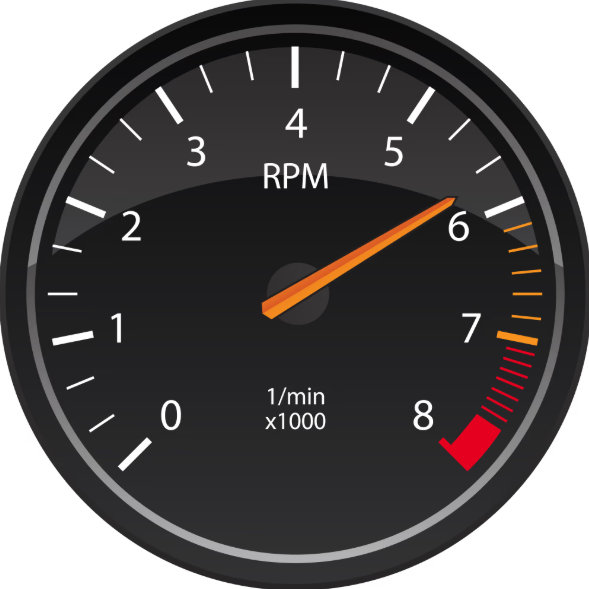
The tachometer, also known as the RPM gauge, is an essential instrument on the vehicle’s dashboard that measures the engine’s revolutions per minute (RPM). This reading provides insight into how fast the engine is running, which is especially important for manual transmission vehicles and for monitoring the health of the engine.
The tachometer is powered by electrical signals from the engine’s sensors, which monitor the crankshaft, camshaft, and other components related to engine speed. A working tachometer allows drivers to keep an eye on their engine’s performance, especially during acceleration and deceleration. When the tachometer stops working, it can leave drivers in the dark about their engine’s RPM and performance, making it difficult to determine when to shift gears or when the engine is experiencing abnormal conditions.
Common Causes of Engine Sputtering and Tachometer Malfunctions
When engine sputters and tachometer stops working at the same time, several underlying issues can be responsible. Here are the most common causes:
1. Faulty Engine Sensors
Modern vehicles rely heavily on sensors to monitor and control various aspects of engine performance. Sensors such as the crankshaft position sensor and camshaft position sensor send vital signals to the engine’s control unit (ECU), which interprets them and sends feedback to the tachometer. When one of these sensors fails, it can cause both engine sputtering and tachometer malfunction.
- Crankshaft Position Sensor: The crankshaft position sensor monitors the speed and position of the crankshaft, which is critical for synchronizing the engine’s ignition and fuel injection systems. If this sensor malfunctions, it can lead to a rough-running engine and prevent the tachometer from receiving accurate RPM signals.
- Camshaft Position Sensor: The camshaft position sensor helps to control the timing of fuel injection and ignition. A failure here can disrupt engine combustion and fuel delivery, leading to sputtering.
2. Ignition System Problems
The ignition system is responsible for igniting the fuel-air mixture in the engine’s cylinders. If components such as spark plugs, ignition coils, or the ignition control module become faulty, the engine may misfire, resulting in sputtering. When the ignition system fails, it can also disrupt the signals sent to the tachometer, causing it to freeze or stop working altogether.
- Spark Plugs: Worn or dirty spark plugs can prevent the engine from firing correctly. This results in sputtering and uneven engine performance. The absence of a proper spark also means that the tachometer may not display accurate readings, as it is receiving inconsistent signals.
- Ignition Coils: Ignition coils are responsible for creating the spark needed to ignite the fuel in the engine. A failed ignition coil can cause engine misfires and disrupt the tachometer’s ability to measure engine RPM correctly.
3. Fuel System Issues
The fuel system is responsible for delivering the correct amount of fuel to the engine. A clogged fuel filter, malfunctioning fuel pump, or dirty fuel injectors can all prevent proper fuel delivery, which leads to sputtering.
- Fuel Pump: If the fuel pump is weak or failing, it may not be able to provide consistent fuel pressure to the engine. This results in poor engine performance and sputtering, especially at higher speeds. If the fuel system isn’t delivering the right amount of fuel, the tachometer may stop responding, as the engine is not running at its optimal RPM.
- Fuel Injectors: Dirty or clogged fuel injectors can cause uneven fuel delivery, which leads to engine sputtering. When the injectors are not working properly, the air-fuel mixture becomes unbalanced, resulting in rough engine performance.
4. Electrical Problems and Wiring Issues
A malfunctioning tachometer is often the result of electrical problems within the vehicle’s wiring system. If the wiring between the engine sensors and the tachometer is faulty or corroded, the tachometer may not receive the necessary signals to display the engine’s RPM.
- Loose or Damaged Wires: Wires that are frayed, broken, or loose can interrupt the electrical flow, causing the tachometer to stop functioning. This can also lead to engine sputtering, as the sensors are not providing accurate data to the engine control unit (ECU).
- Faulty Grounding: Poor grounding of the electrical components can cause intermittent faults in the tachometer reading. The engine’s sensors rely on proper grounding to send signals to the ECU and the tachometer. If the grounding is faulty, both the engine performance and the tachometer can be affected.
5. Vacuum Leaks
A vacuum leak occurs when there is an unintentional hole or crack in the vacuum hoses connected to the engine. Vacuum leaks allow unmetered air to enter the engine, disrupting the air-fuel mixture. This leads to engine sputtering, particularly during idle or low-speed driving. Vacuum leaks can also interfere with sensor signals, which may cause the tachometer to malfunction.
6. Throttle Body and Air Intake Issues
The throttle body and air intake system regulate the amount of air entering the engine. If the throttle body becomes clogged or the air intake is dirty, it can prevent the engine from receiving enough air to burn the fuel properly. This results in sputtering and uneven engine performance.
- Throttle Body: A clogged or malfunctioning throttle body can restrict airflow, leading to rough idling and sputtering. This, in turn, can confuse the tachometer, causing it to display inaccurate readings.
- Air Filter: A dirty or clogged air filter can restrict airflow to the engine, causing it to sputter. Without enough air, the engine’s combustion process is hindered, leading to poor performance and tachometer malfunctions.
Step-by-Step Diagnosis for Engine Sputtering and Tachometer Failure
If you experience both engine sputtering and tachometer issues, follow these steps to diagnose the problem:
Step 1: Check for Engine Codes
Start by using an OBD-II scanner to check for any error codes stored in the engine control unit (ECU). If the crankshaft or camshaft sensors are faulty, the scanner will likely reveal these issues. Error codes can provide valuable insight into the root cause of the sputtering and tachometer malfunction.
Step 2: Inspect the Ignition System
Check the spark plugs and ignition coils for signs of wear or damage. Worn-out spark plugs should be replaced, and ignition coils should be tested for proper function. If the ignition system is the cause of the sputtering, replacing the damaged components should restore engine performance.
Step 3: Examine the Fuel System
Measure the fuel pressure using a fuel pressure gauge. If the pressure is too low, it could indicate a problem with the fuel pump or fuel filter. Inspect the fuel injectors for clogs or dirt. If the fuel system components are the source of the issue, cleaning or replacing them will help eliminate sputtering.
Step 4: Check for Wiring Issues
Inspect the wiring between the sensors and the tachometer. Look for any loose connections, frayed wires, or signs of corrosion. Repair or replace any damaged wires to restore proper communication between the engine and the tachometer.
Step 5: Look for Vacuum Leaks
Inspect the vacuum lines for any cracks or leaks. If you find any, replace the damaged hoses. This will restore the correct air-fuel mixture and prevent sputtering.
Step 6: Clean the Throttle Body and Air Intake System
If the throttle body or air intake system is clogged, clean them thoroughly. A clean throttle body ensures proper airflow into the engine, reducing sputtering and improving overall engine performance.
Solutions to Fix Engine Sputtering and Tachometer Malfunctions
Addressing engine sputtering and tachometer malfunctions requires a systematic approach to identify and fix underlying issues. By focusing on key components such as sensors, ignition systems, and fuel delivery, these problems can be resolved, restoring both engine performance and dashboard functionality.
1. Replace Faulty Sensors
If the crankshaft or camshaft position sensor is faulty, replace it. This will fix both the sputtering and tachometer issues, as these sensors play a crucial role in providing engine data to the ECU and the tachometer.
2. Tune Up the Ignition System
Replace worn spark plugs and faulty ignition coils. A healthy ignition system is key to preventing engine sputtering and ensuring that the tachometer receives accurate readings.
3. Repair or Replace Fuel System Components
Replace a clogged fuel filter or a malfunctioning fuel pump. If fuel injectors are dirty, clean them to ensure proper fuel delivery to the engine.
4. Fix Electrical Problems
Repair or replace damaged wiring and ensure that all connections are secure. Fixing electrical issues will restore the tachometer’s function and ensure that the engine receives proper signals from the sensors.
5. Address Vacuum Leaks
Replace damaged vacuum hoses to eliminate vacuum leaks. This will restore the correct air-fuel mixture, eliminating sputtering and improving engine performance.
Frequently Asked Questions
Here are some FAQs about engine sputters and tachometer –
1. Can engine sputtering and tachometer failure happen without warning?
Yes, engine sputtering and tachometer failure can occur suddenly, especially if there’s a malfunction in critical components like the ignition system or sensors.
2. How can I prevent engine sputtering in the future?
Regular maintenance, including spark plug replacements, fuel system cleanings, and sensor checks, can prevent engine sputtering.
3. Can a clogged fuel filter cause tachometer problems?
A clogged fuel filter can lead to poor fuel delivery, causing engine sputtering. While the tachometer may not directly be affected by the fuel filter, it can stop working if the engine’s performance is compromised.
4. How do I know if my tachometer is broken?
If the tachometer needle doesn’t move or gets stuck at a particular RPM, it may be broken or malfunctioning due to sensor or electrical issues.
5. Is it safe to drive a car with a sputtering engine and a non-working tachometer?
It’s not safe to drive with a sputtering engine, as it can lead to further engine damage. A non-working tachometer also makes it harder to monitor engine performance. Get your vehicle inspected and repaired promptly.
Conclusion
When an engine sputters and tachometer stops working, it’s important to identify the underlying cause as soon as possible. Faulty sensors, ignition problems, fuel delivery issues, electrical faults, vacuum leaks, and throttle body problems are all common culprits. By diagnosing and addressing these issues, car owners can restore smooth engine performance and accurate tachometer readings.
Regular maintenance, such as replacing spark plugs and cleaning sensors, can prevent many of these problems from occurring in the first place. With the right approach, the engine will run smoothly, and the tachometer will accurately reflect engine performance, making driving safer and more enjoyable.