A faulty parking brake switch can cause the parking brake light to stay on or prevent proper brake engagement. It’s usually due to wear, wiring issues, or corrosion and can be fixed by replacing the switch.
Car owners always have to deal with the switch for the parking brake. It is a pretty small part of the braking and safety systems of the car. It’s supposed to keep the parking brake set and tell the driver with warning lights. If the switch goes bad, there are problems like always illuminated warning lights, a parking brake that can’t be set, or a brake that can’t be released. Knowing what can break this switch, how to figure out the problem, and how to fix it can save time and stress and avoid high costs.
We’ll cover everything there is to know about faulty parking brake switches in this article. We’ll talk about the parking brake switch and how it works, the symptoms when it is not functioning correctly, how to resolve faulty parking brake switches, and how to determine the problems it may have. If you are unfamiliar with car mechanics or need to learn about some basic car care, this article will be a great guide for you.
Contents
- 1 What Exactly is a Parking Brake Switch?
- 2 Signs of a Bad Parking Brake Switch
- 3 Diagnosing a Faulty Parking Brake Switch
- 4 Common Causes of a Faulty Parking Brake Switch
- 5 Repairing a Broken Parking Brake Switch
- 6 Methods to Avoid A Faulty Parking Brake Switch
- 7 Frequently Asked Questions
- 8 Conclusion
What Exactly is a Parking Brake Switch?
Most switches in modern cars are connected to the car’s warning systems; most have warning systems that monitor the brakes. A parking brake switch fulfills that exact purpose. A parking brake switch can determine if the parking brake is engaged or if the parking brake is disengaged. The parking brake switch is an electrical switch that is on the parking brake lever and, or on the parking brake pedal. The switch communicates with the car’s computer to determine if the brake warning light should be on.
When you engage the parking brake, the switch sends a signal to the computer, and the warning light is on. When the parking brake is released, the switch sends a signal of disengagement to the computer, this signal turns the warning light off.
There are other systems in the car that are also affected by the parking brake switch, like the gear shift and the anti-lock brake system (ABS). A malfunction in the parking brake switch can signal the warnings incorrectly. A faulty switch can also affect other systems in the car that rely on the parking brake switch. When this happens, problems with the brakes can occur.
Signs of a Bad Parking Brake Switch
A bad parking brake switch can be a big issue, as many things can go wrong. Recognizing issues before they get worse is a good habit to get into. Here are a couple of problems that can occur when switches malfunction.
1. The Parking Brake Light is Constantly Illuminating
A big indicator of bad switches is when the brake lights are turned on, even when the parking brakes are not engaged. For example, the lights can remain on after the parking brake has been turned off. This means that the brake switch isn’t released even though the parking brake switch is turned to the off position.
This is the most commonly occurring issue when the switch is not working. This is the most common problem, and means that the switch is not detecting the position of lever or the brake pedal.
2. The Parking Brake Light will Flicker
Another sign of malfunction switches is brake lights that will turn on and off or flicker. Loose connections or old wires that need to be replaced are the most common explanations. This can cause light to turn on even when the parking brakes are not engaged.
If the parking brake indicator light is blinking, this shows the switch is most likely broken.
3. Problems Pulling Up or Pushing Down on the Parking Brake
The parking brake switch could be broken, causing the parking brake to be stuck on or off. You might find it hard to pull the lever up, or push the brake pedal down. On the other hand, the parking brake could remain stuck to not allowing the car to roll.
If you are having problems with the parking brake, then the parking brake switch or the wires might be broken.
4. Problems Using the Parking Brake
With using the parking brake, you might experience strange problems like breaking sounds, or hopping on the brake pedal. These noises might be coming from broken parking brake switch.
If you notice strange sounds like clicking or grinding with the parking brake, there could be an issue with the switch.
5. Other Warning Lights on the Dashboard
In the case of a broken parking brake switch, other warning lights on the dashboard, like the brake fluid warning light or the ABS light, may turn on. This can happen due to miscommunication of the switch with the system, or a wiring problem that involves several systems of the vehicle. Because multiple warning lights turning on can mean there is a problem with the vehicle’s electrical system that relates to the parking brake switch, this is something to note.
Additional warning lights mean that a professional should take a look at the vehicle to see if the problem is linked to the parking brake switch.
Diagnosing a Faulty Parking Brake Switch
Diagnosing parking brake switches can be challenging. However, following a few steps can make the diagnosis easier.
1. Inspect the Parking Brake Lever or Pedal
Begin the inspection by visually checking to see if the parking brake lever/pedal is positioned correctly. Occasionally, the parking brake can become jammed or misaligned, potentially creating problems with the switch. Pay close attention to the lever/pedal to see if it’s engaged or released. If it appears to be jammed, attempt to move it to see if it can be freed.
2. Parking Brake Switch Inspection
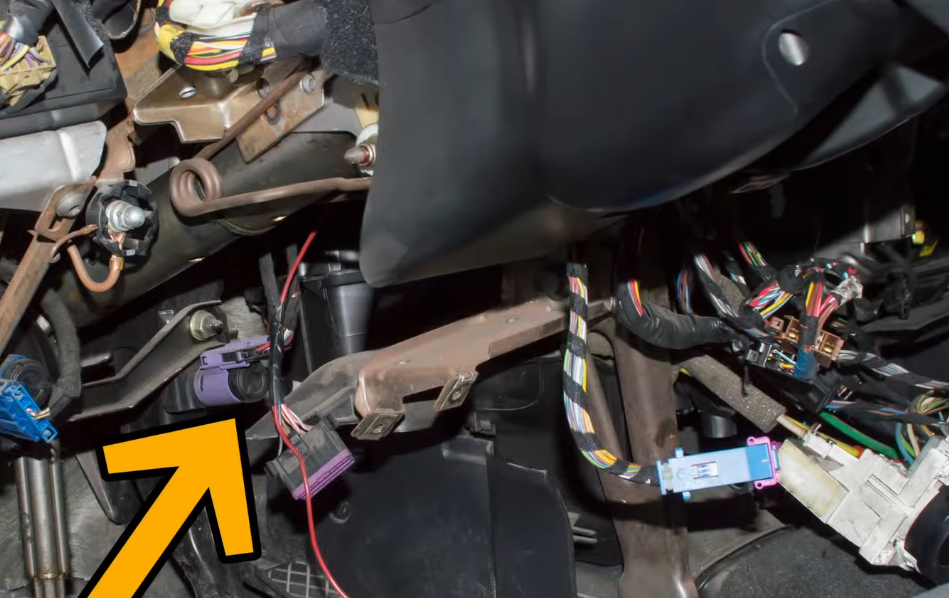
After examining the lever/pedal, the next thing to do is look for the parking brake switch. In most cars, this switch is positioned near the parking brake lever (for manual transmission) or the parking brake pedal (for automatic transmission). Getting to the switch may require the removal of certain panels/covers.
Look for any cracks, wear, or corrosion issues on the switch. If the switch is damaged, it is most likely going to need to be replaced, but it is also possible that the switch could be cleaned or dried off if moisture is the issue.
3. Verifying the Electrical Connections
Next, you will want to look at the connection to the parking brake switch. Using the multimeter, check the voltage to and from the switch. If the multimeter gives you readings that are not in the expected range, you could have an issue with the switch or wiring. Check for loose, corroded or damaged wires that could be causing the electrical issues.
4. Apply a Diagnostic Scan Tool
In the event that you have not been able to identify the problem with simple tests and look, you will need to an OBD-II scanner (On-Board Diagnostics) to look at the diagnostic error codes for the parking brake system. This tool is a level higher than the simple tests as it will connect to the car’s computer system and look for any codes related to the electrical issues with the brake system.
If there is a fault in the parking brake switch, the diagnostic scan will tell you exactly what the problem is, and will help isolate the issues to just the parking brake switch. A scan tool is more effective than just looking and simple tests will be able to pinpoint the exact issues.
5. Examine the Fuses for the Brake System
The parking brake switch might not be functioning due to a blown fuse. Most cars feature a fuse dedicated to the brake or parking brake systems. Look for the specific fuse in the fuse box and see if it is blown. If it is, replace it with a fuse that has the same amperage.
A fuse that is blown can interrupt power to the parking brake switch, thus hindering its function.
Common Causes of a Faulty Parking Brake Switch
There are several factors that can lead to a faulty parking brake switch. Here are some of the most common causes of failure.
1. Wear and Tear
Since the parking brake switch is a component of the car, it can be damaged over time. If you use the parking brake often, it may take a toll that can lead to a decline in the switch’s performance. The internal parts of the switch can become damaged and stop it from sending the proper signals to the car’s electrical system.
2. Moisture and Corrosion
Moisture can result in damaging of the parking brake switch and wiring. Some people who live in areas that are really humid or that drive in wet conditions may find moisture that plugs into the switch that causes rust or corrosion. This corrosion can lead to a reduced functionality of the switch and cause the warning light to remain lit, or cause other electrical issues.
3. Switch Misalignment
The parking brake lever and pedal switches might be misaligned, causing the switch to not properly detect the brake position. A misaligned switch might not engage and disengage properly, causing the warning lights to stay on and the parking brake to be hard to use.
4. Frayed Wiring and Connections
This problem might not even be with the switch, it may be the wiring or electrical connections leading to the switch. Corroded, loose, or damaged wires might partially or completely interrupt the signal to the vehicle, causing the parking brake light to stay on or the switch to not work.
5. Internal Mechanism Failure
Internal logic components of the parking brake switch may eventually suffer from some failure. If parts such as the electrical contacts, springs, and similar components, suffer from corrosion or wear, the switch will no longer work as it should. Internal problems will often require the entire switch to be replaced.
Repairing a Broken Parking Brake Switch
Now that you have determined which parking brake switch is broken, the next step is to repair it. There may be a few different options depending on the brake switch problem:
1. Replacing the Parking Brake Switch
If the switch is damaged or broken, a solution would be to buy a new switch to replace the old one. Switches are inexpensive, and particularly if you know a bit about the electronics in a car, it should be a pretty basic task. Here’s how to do a switch replacement.
Step-by-step process to replace a parking brake switch
Based on the previous analysis, if the parking brake switch is broken and needs to be replaced, it would be most efficient to follow a detailed step-by-step process to complete the repair successfully. First, we’ll explain how to take out the old switch to assist you in replacing the seating and restoring full functionality to your brake system.
1. Finding the Brake Switch
The parking brake switch can be found right by the parking brake lever (in a manual car) or the parking brake pedal (in an automatic car). Depending on how your vehicle is constructed, you may need to take off some soft panels or moldings to be able to get to the switch.
2. Disconnecting the Battery
When working on your car’s electrical system, always make sure to remove the negative terminal of the car’s battery first to avoid any electrical shorts and accidents.
3. Removing the Old Switch
Once you have access to the old switch, unclip the electrical wiring harness and remove the old switch by unscrewing or unfastening anything that is holding it in place.
4. Installing the New Switch
Place the new switch in the same position and make sure it is aligned. Then, reconnect the electrical wiring, tighten the screws, and fasten anything to secure the switch.
5. Reconnect the Battery and Test
Once you have replaced the old switch with the new one, reconnect the battery and test the new parking brake switch to make sure it works correctly. Try to engage and disengage the parking brake, and see if the warning light is working in correlation with the new switch.
If you prefer, you can always consult a mechanic to assist you in replacing the switch if you don’t want to do it yourself.
2. Cleaning the Switch and Wiring Connections
If there is built up corrosion or dirt that is starting to make the parking brake switch malfunction, it can be cleaned to restore the parking brake switch to working order. If you need to do this, you can follow these steps:
1. Getting to the Parking Brake Switch
If you need to access the parking brake switch, you may have to take off other panels or any other trim that is in the way.
2. Contact Cleaning
Using a contact cleaner, spray the electrical connections on the contact board and clean off any dirt or corrosion. Be sure to wipe off the connectors to avoid moisture build up.
3. Clean the Switch Housing
If you see any moisture or dirt within the switch housing, you can use a dry cloth or compressed air to eliminate the moisture or dirt.
4. Reconnect the Wiring and Test
After cleaning the switch and connections, reconnect everything and test to see if the parking brake light operates normally.
3. Adjusting the Parking Brake Lever or Pedal
A misaligned parking brake lever or pedal can sometimes be the reason for the switch not working. If you think the lever or pedal is misaligned, you can adjust it to activate the switch. This may involve:
- Changing the tension on the parking brake cable.
- Repositioning the lever or pedal if it’s crooked or stuck.
If you feel the adjustments are complex, it’s best to leave the work to a professional mechanic.
4. Repairing Damaged Wiring and Connections
If the damaged parts are the wiring or electrical connections, then you will need to fix or replace the damaged components. Broken wires can keep a switch from working correctly. Repairing broken wires is done by:
1. Finding Damaged Wires
With a multimeter, check the wires that go to and from the parking brake switch to see if there is continuity. You need to replace the wiring if you find any broken sections.
2. Wiring Replacement
Use a wire cutter to remove the broken sections. Then, use a wire stripper and install new wiring along with the correct connectors. Make sure to seal all exposed connectors with electrical tape or heat shrink tubing, so you don’t run into these issues again.
3. Pulling the system to test
Once you have replaced the broken sections, you can test the system and see if the parking brake switch works.
4. Change a blown fuse
If the malfunction is caused by a blown fuse, you can fix that by replacing the blown fuse. Find the fuse box that is related to the brake and replace that fuse with a new one that is the same amperage. To prevent problems with the electronics, use the correct fuse rating. Then test the parking brake system to make sure it is working fine.
Methods to Avoid A Faulty Parking Brake Switch
Some wear and tear is always expected for any component of your vehicle, including the parking brake switch. However, there are ways to minimize the occurrence of a faulty parking brake switch. Here are tips that will help the parking brake system last longer:
- Regular System Inspections: Consider making inspections of the parking brake system a routine. This will help to catch any major issues before they happen. Get into the habit of visually checking the parking brake lever or pedal for any signs of damage or misalignment. Make sure that the parking brake warning light is functioning. If you notice that the light is not working, this is usually a sign that the parking brake switch is faulty.
- Avoid Moisture Buildup: Parking brake switch failure is often caused by two main things: Moisture and dirt. To minimize corrosion and dirt build up, be sure to keep the area surrounding the parking brake system clean and dry. If you live in areas that are frequently rainy or humid, be sure to dry the area surrounding the parking brake switch.
- Avoid Overusing the Parking Brake: It can be necessary to use the parking brake in your car, but using it when the car isn’t parked will engage the switch unnecessarily, which can lead to increased wear on the switch and the brake system.
- Promptly Replace Components That Show Signs of Damage: If the parking brake switch or another part of your brake system shows signs of damage, have it replaced immediately. Regular upkeep helps avoid creating major issues that can lead to expensive repairs.
Frequently Asked Questions
Here are some most asked questions about a faulty parking brake switch –
- What would make a parking brake switch break?
Wear and tear, moisture or corrosion, misalignment, faulty wiring, or problems with internal components can all cause the switch to malfunction.
- What are the symptoms of a faulty parking brake switch?
Your switch may be faulty if the parking brake warning light stays lit, or if the warning light flickers, or if you have a hard time engaging or disengaging the brake. You may also hear strange noises and feel mechanical resistance when using the parking brake.
- Is it possible to repair a faulty parking brake switch on my own?
If you have experience working with car electronics, then yes, you can repair or replace the faulty switch. If you do not have experience, though, it is recommended to contact a professional.
- Is there a set cost for changing a parking brake switch?
The pricing for changing a parking brake switch depends on the kind of car you have. Normally, pricing for the switch itself can go from $20-$100. Then you add the labor cost which can range from $50-$150. If you conduct the work yourself, you will only pay for the switch.
- Can other issues be caused by a bad parking brake switch?
Yes. Other warning lights on the dashboard can start displaying. The ABS system can be impacted, and the parking brake can be improperly engaged or not at all which can cause the parking brake system to not work. To avoid these other issues, make sure to fix the brake switch quickly.
Conclusion
A damaged parking brake switch can cause various issues, affecting your vehicle’s safety and function. It may keep the brake warning light on, make the brake hard to engage or disengage, or cause electrical problems. Keeping the switch in good condition is crucial to maintaining a safe and functional parking brake system. Identifying and fixing these issues ensures the system works properly.