


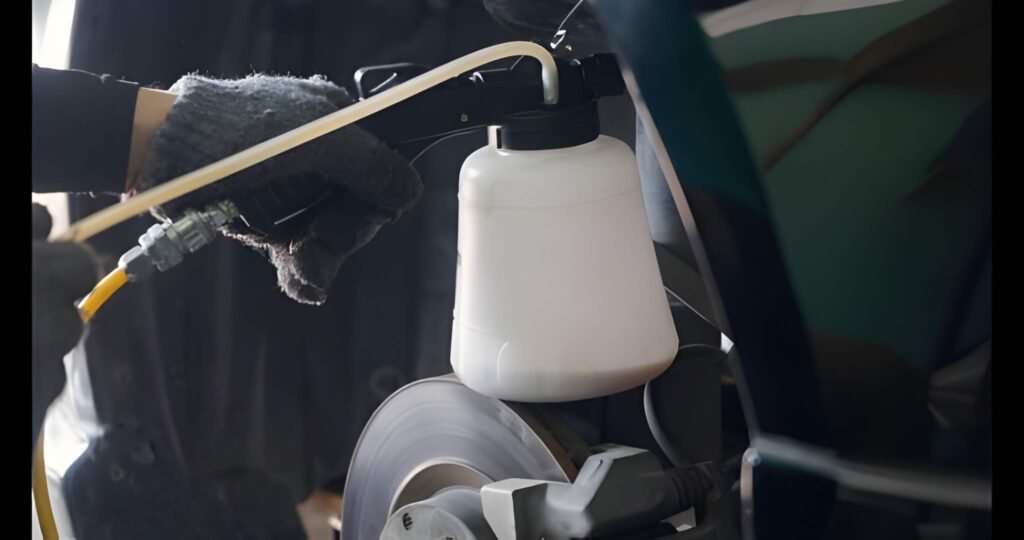
Firestone brake fluid flush services are critical to the safety and driver’s satisfaction of the driving experience in the vehicle. For brake pedal actuation, fluid is used. Fluid is used to transfer the driver’s input on the brake pedal to the brakes and act on them. Sadly, brake fluid is not immune to the effects of dirt and moisture, and other contaminants. A brake fluid flush will not only allow dirty brake fluid to be cleaned, but the fluid will be restored to its optimal condition.
This guide covers the Firestone brake fluid flush and its importance. It explains how to perform a Firestone brake fluid flush and how often it should be done. It also highlights the benefits of regularly flushing your brake fluid.
Contents
What is Firestone Brake Fluid Flush?
The Firestone brake fluid flush is, to put it simply, an emptying and a cleaning of the dirty fluid in the brake lines and replacing the fluid with clean and new fluid. This helps keep the braking system’s hydraulic braking system functioning properly so safe, and efficient braking is possible. During the brake fluid flush, a technician will do something called a brake bleed, which is the removal of the air in the brake lines so the driver will experience a smoother braking experience and so the brake pedal will have a more consistent feel.
At regular intervals, brake fluids need to be changed. Over time, the fluids absorb moisture, causing the effectiveness of brakes to diminish, particularly in extreme braking situations. Because of the moisture, the fluid’s boiling point is lowered. To further complicate matters, brake fluids absorb dirt and other contaminants that cause brake parts to corrode. Changing brake fluids regularly keeps brake systems from corroding and allows brakes to work properly.
What are the Benefits of Firestone Brake Fluid Flushes?
There are numerous benefits from Firestone brake fluid mixes. Here are three of the most important.
1. Avoiding Brake Fade
In order to keep brakes effective, brake fluid must never boil. When brake fluid absorbs moisture, the boiling point is drastically reduced. This is particularly concerning when rapid deceleration is needed. If brake fluid absorbs moisture in these extreme situations, the fluid is almost guaranteed to boil. In order to keep water from boiling in the brake fluid, it must be changed regularly. Because of this, reliability in the performance of brakes is guaranteed.
2. Stops Brakes From Rusting
Over time, brake fluid absorbs moisture. This will cause rust and corrosion in parts of the brake system, like the master cylinder, brake lines, calipers, and the ABS (Anti-lock Braking System). Moisture will cause metals break down and weakens the entire brake system. Firestone’s brake fluid flush will help remove all the moisture filled brake fluid.
3. Consistent Pedal Feel
Inconsistent brake fluid contamination will cause the brake pedal to feel different. For example, a spongy pedal will be cause by air bubbles in the fluid, and dirty fluid will cause less pedaling response. With regular brake flush, the fluid in the system will be kept clean and free from air bubbles and will keep the pedal firm and the response good.
4. Maintains Hydraulic Pressure
The brake system uses hydraulic pressure to function. Hydraulic pressure is transferred via brake fluid from the brake pedal to the brake parts. If the fluid is dirty or degraded, it may cause the brake system to reduce its ability to build, or maintain, hydraulic pressure, thus leading to diminished braking ability. A brake fluid flush allows the system to restore its hydraulic pressure so that the braking system can be relied upon to function as expected.
5. Maintenance That Saves Money
Although brake fluid flushes seem like an additional cost, neglecting the service is much more expensive. Often, the cost of brake fluid flushes is much less than the cost of brake system repairs, such as master cylinder, caliper, or ABS component replacements. Clean brake fluid repairs, rather than brakes neglect. Corroded brake system parts = neglected brake fluid maintenance.
Brake Fluid Flush Frequency
The age of the vehicle, driving patterns, and the type of brake fluid used are just some elements that determine the frequency of brake fluid flushes. Flushes are generally recommended every 2-3 years, but some vehicles need them more often. Reasons for needing more frequent flushes include:
- Driving Conditions: The demand on the braking system can increase due to driving patterns, such as short frequent trips, driving heavy traffic, or towing. These patterns can lead to more frequent brake fluid flushes.
- Weather: The longevity of brake fluid decreases due to humidity. Fewer flushes can occur in areas with low humidity, but as humidity increases the brake fluid should be checked more frequently and flushes should increase.
- Brakes Are Spongy: It’s never good to hear weird sounds while braking, experience a spongy brake pedal, or notice less stopping power. These changes are usually an indication that something is isn’t right – the brake fluid is either contaminated or it’s not doing its job. The best option is to get a brake fluid flush ASAP.
- Dashboard Light Screaming: If the brake light on the dashboard is lit it can mean a number of things. It’s possible that the brake fluid is low, the fluid is contaminated, or for any other reason. Getting a brake fluid system flush can be the answer to the issues the system is experiencing.
Firestone Brake Fluid Flush Process
The Firestone brake fluid flush process is relatively simple but does involve specialized tools and expertise to do it properly. Here is a step-by-step overview of the process a technician performs when flushing brake fluid.
1. Vehicle Lift
In order to flush the brake fluid the car has to be lifted to get to the brake parts. Most of the time this is achieved using a hydraulic lift or a set of jack stands for safety. Before the flush can be done, the technician has to make sure the car is secure.
2. Finding the Brake Fluid Reservoir
The technician needs to check the underside of the hood on the driver’s side to find the brake fluid reservoir. Once the reservoir is located, the technician opens it to inspect the fluid. If the fluid is dark, murky, and the level is low, it is an indicator that it is time for a brake fluid flush.
3. Old Brake Fluid Removal
The next step is for the technician to drain old brake fluid from the brake lines. This step involves opening the bleeder valves on each brake calipers or each wheel cylinder so that the fluid has the inclination to flow out. The technician may choose to do this with either a vacuum pump or by a manual means.
4. Brake System Flushing
Having removed the old fluid, the next step is to flush the brake system with a new fluid. This procedure ensures that there is removal of any remaining particles and also ensures that any contaminant or air from the system is removed. The fresh fluid is pumped via the brake lines and in so doing, pushes any remaining particles and also moisture.
5. Brake Bleeding
The last step is for the technician to bleed the brakes. This is done by opening the bleeder valves and allowing any air trapped in the brake lines to escape. The air trapped may reduce the brake system response and so bleeding the brakes is necessary to enhance system response.
6. Refill Brake Fluid Reservoir
Once the bleeding and flush process is complete, the technician refills the brake fluid reservoir with the proper fluid for the make and model of the vehicle. It is important to put in the proper type of brake fluid (DOT 3, DOT 4, DOT 5.1, or mineral oil).
7. Brake Testing
Finally, the technician will test the brakes to make sure everything is functioning as it should. A vehicle test drive might be done to evaluate the feel of the brake pedal as well as the stopping power of the vehicle. The technician will make the appropriate adjustments as needed to ensure the system is working in proper order.
Brake Fluid Flush Types
Brake fluid must be replaced regularly, but what kind of brake fluid is best for your vehicle? Firestone’s brake fluid flush service typically incorporates the following types of fluid:
DOT Brake Fluid: DOT brake fluid is one of the most common types of brake fluid. It also comes in grades such as DOT 3, DOT 4, and DOT 5.1. The difference between each grade of fluid is its boiling point and its moisture absorption rate. DOT brake fluid is one of the most universally accepted types of brake fluid, but some vehicle manufacturers require certain grades for best performance.
Brake Fluid Based on Mineral Oil: Most brake fluid systems in most American and Asian vehicles are based on DOT brake fluid. However, some European vehicles operate using brake fluid based on mineral oil instead of DOT fluid. Mineral oil does not absorb moisture, so the brake fluid does not need to be flushed as frequently as a DOT fluid, but it is critical to keep DOT brake fluid away from any vehicle systems using mineral oil, as the two types of brake fluid are completely incompatible.
Signs You Should Get A Firestone Brake Fluid Flush
There are multiple signs that can indicate that it’s time for a Firestone brake fluid flush. If you experience any of the following signs, it is best to schedule a brake fluid flush as soon as you can:
Soft or Spongy Brake Pedal: If the brake pedal feels soft or spongy when pressed, it could indicate that there is air in the brake lines or the fluid is contaminated.
There is a reduction in your braking ability: If you feel that your brakes are less responsive or that you have an increased stopping distance, it could mean that the brake fluid needs to be replaced.
Your brake warning light is on: If you see the brake warning light show up on your dashboard, it could be that there is low brake fluid or that the fluid is contaminated.
Brake fluid gets contaminated: If the liquid in your brake fluid reservoir looks dark or cloudy, it is a sign that your brake fluid is dirty, and needs to be replaced.
Strange Sounds or Vibrations: It’s common to experience strange noises, vibrations, or pulsations when you are braking. This could be a result of having old brake fluid, or brake fluid that is contaminated.
Frequently Asked Questions
Here are some FAQs about firestone brake fluid flush –
1. What is a Firestone brake fluid flush?
A Firestone brake fluid flush removes old and contaminated fluids put new fluids to keep the brake systems components from becoming damaged.
2. How often should I get a Firestone brake fluid flush?
Brake fluids will last 2 or 3 years in your brake system, but it can very with your driving.
3. Can I do a brake fluid flush on my own?
If you want to flush brake fluid and do it yourself, you can, but if you want to have it done correctly and safely, get a professional technician to do it.
4. What kind of brake fluid do you use to do a Firestone brake fluid flush?
The kind of brake fluid that can be used depends on what your car needs. The majority of cars will need DOT fluid, but for some European models, it will need to be mineral oil.
5. What are the symptoms of needing a brake fluid flush?
The symptoms for needing a brake fluid flush are a spongy brake pedal, less braking ability, a brake warning light, brake fluid that has been contaminated, and strange noises or vibrations when braking.
Conclusion
Periodic maintenance of your vehicle is necessary to allow the brake system to brake fluid flush Firestone part fluid flush brake system helps brake system to helps brake system to operate efficiently and safely. As the flush removes old and the replaces it with new fluid. Fresh fluid improves your stopping ability and replaces any corroded components within your brake system and allows it to avoid expensive repairs in the future.
If you want to is to keep your vehicles brake system in the best shape possible and you have seen or felt a change in your vehicles stopping ability, then you can flush the brake to keep your brake system in the best shape possible.


