The GM L87 engine recall oil issue is caused by defective piston rings, leading to excessive oil consumption in affected vehicles. This problem, primarily affecting models from 2019 to 2022, can result in engine damage if not addressed. GM is offering free repairs, including piston ring replacements, to resolve the issue.
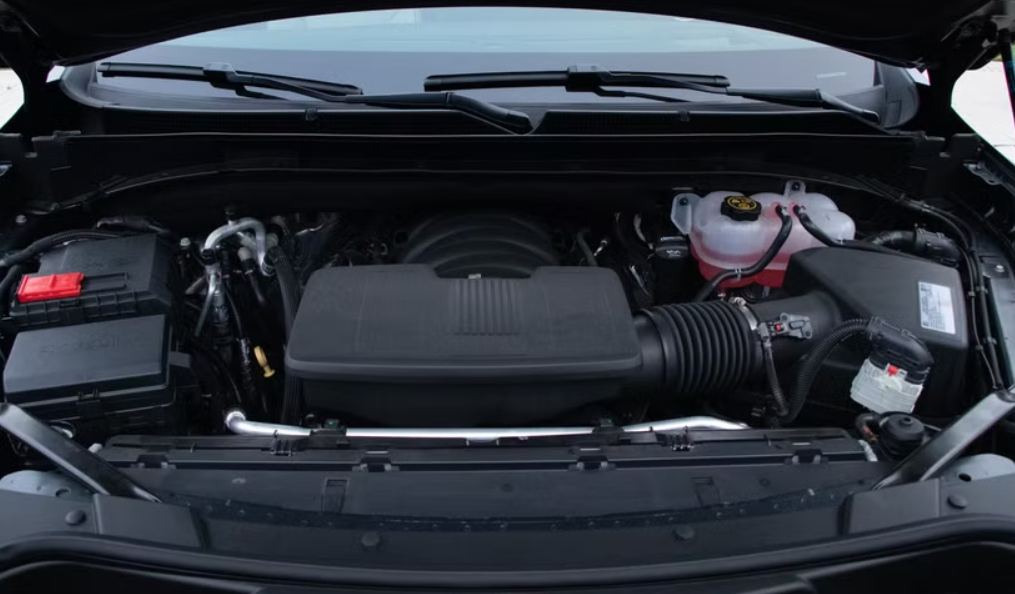
The GM L87 engine is a 6.2-liter V8 engine found in certain models from Chevrolet, GMC, and Cadillac like the Chevrolet Silverado, GMC Sierra, and Cadillac Escalade. The L87 engine is a powerful unit with great efficiency and overall performance. The L87 has a great reputation as a V8 engine option. Despite its great performance, a number of cars with the L87 engine are having a big problem with high oil consumption.
The excessive oil consumption is the result of piston rings. These piston rings do not seal the oil system and the combustion chamber. This results in oil leaking and higher than normal oil consumption. Customers are worried about the performance and longevity of these engine, resulting in GM having to recall these vehicles.
This blog post will cover the GM L87 engine recall oil issues, what this means for consumers, what GM is doing about the issues, and important information for owners of the vehicles that are affected.
Contents
- 1 What Is The GM L87 Engine Recall?
- 2 Why Is Oil Consumption a Concern?
- 3 Key Causes Behind the GM L87 Engine Recall Oil Issue
- 4 GM Addressing the GM L87 Engine Recall Oil Issue
- 5 How to Check if Your Vehicle is Affected by the GM L87 Engine Recall
- 6 GM L87 Engine Recall Oil Issue Impacts
- 7 GM L87 Engine Recall Oil: Is It Safe to Drive?
- 8 GM L87 Oil Consumption Problem Best Practices
- 9 Frequently Asked Questions
- 10 Conclusion
What Is The GM L87 Engine Recall?
A vehicle recall is a request to return a vehicle to the manufacturer due to defects or safety issues. In this case, GM L87 engines are burning to much oil due to faulty piston rings. Repeated cases of burning oil caused GM to recall the L87 engines, by law, they are required to recall all vehicles affected.
Faulty piston rings are leaking oil into the combustion chambers at a rapid rate. Leaving the problem unattended can lead to serious damage to the engine. Every engine will eventually begin to burn oil, but it should never be at an alarming rate.
Why Is Oil Consumption a Concern?
Excessive oil consumption is more than just an inconvenience for car owners—it can lead to significant engine problems. Here’s why:
- Engine Lubrication Failure: For Engine components to function they need to be lubricated. The components of an engine are metal, and metal on metal friction can lead to serious damage to the engine. The oil is also used to cool the components of the engine, and is crucial to the operation of the engine. If the engine is operating with low oil levels, the components of the engine can grind against one another and cause serious damage.
- More Frequent Maintenance: If the engine burns a lot of oil, the owner will have to spend money on more frequent oil changes because of how much oil they will be burning, more frequent oil changes depict more money spent on maintenance.
- Potential for engine failure: If an owner chooses to ignore the oil consumption issue, the owner will run the engine dry of oil, the engine can seize and the owner will have to spend money on extensive repairs, and in extreme cases the owner will have to spend money on a new engine.
- The engine will suffer: The engine will perform worse due to low oil. Fuel consumption will go up due to the engine running poorly and accelerating will take longer and the engine will run roughly and jitter a lot.
Because of the problems listed above, GM had to issue a recall so that the oil consumption problems wouldn’t get worse.
Key Causes Behind the GM L87 Engine Recall Oil Issue
Knowing the factors that caused the oil consumption with the GM L87 engine can help you know what went wrong and take precautions in the future. The main reason for the recall was piston ring defects, but that was not the only reason. Let’s see what each of these was.
1. Bad Piston Rings
During the operation of the engine, the piston rings create a seal around the piston and the combustion engine chamber, and prevent oil from entering the chamber and burning. This is not the case with the L87 engine. In this engine, the piston rings fail to create a seal and therefore oil seeps into the combustion chamber. This is the primary reason for the excessive burning of oil.
The L87 piston rings were classified as a defect due to the piston rings being a manufacturing defect. This affected a large number of L87 engines manufactured between the years 2019 and 2022. This means the older the vehicle is within this time frame, the more likely it is to be affected.
2. Manufacturing Defects
Aside from the defective piston rings, there may be other manufacturing defects in the construction of the engine that may be contributing to oil burning problems. For example, if the construction of the engine is imprecise in the alignment of the piston, cylinder walls, and piston rings, this may lead to seals that are not tight enough which results in the burning of oil in large quantities.
Although GM are not known to lack in quality in their manufacturing process, in the case of the L87 engine manufactured in the years stated above, quality seems to be lacking. This quality defect is one that GM has admitted to and has begun working to remedy.
3. Oil Quality Used
The main concern is defected piston rings, but the type of oil used in the engine can also aggravate the issue. Using the incorrect oil can lead to faster oil consumption, and also the formation of engine sludge from oil quality, leading to severe engine problems.
GM specifies what quality oil to use in the L87 engine. Owners must have the specified oil quality to reduce the chances of consumption of the oil, and to have an optimal engine performance.
4. Engine Age
Wear and tear is expected in any engine, but if the piston rings or other parts are defective, they can cause premature wear. With the GM L87 engine, the problem is that the wear is happening way too early, and from excessive oil consumption in just a few years of use.
GM Addressing the GM L87 Engine Recall Oil Issue
GM has steps to take about the oil burning issue with L87 engines. GM will be working on resolving the issue to make certain the affected owners will be offered help.
1. Checking the Engine and Repairing it
While GM has begun free inspections for the consumers, the consumers are still finding piston ring defects, and GM has begun the free inspections. GM will repair, replace, or remove the engine. Some certified GM service centers fully replace the engine, and that is the center’s responsibility.
2. Monitoring the Oil Consumption
GM will also monitor the rate of the oil consumption of the affected vehicles over the period of time to determine the gravity of the problem, and whether it can be repaired or needs to be replaced. In addition, GM is also monitoring the rate of the oil consumption of the vehicles in order to know if there are some other vehicles and engines that are needing to be repaired.
3. Warranty Extension
GM is also providing a vehicle warranty extension service for the consumers that own the vehicles with affected engines. The owners can be free of worry in case of an oil consumption problem, because they will not be charged for the consumption problem repairs, as that will be the responsibility of GM.
4. Free Oil Changes and Vehicle Inspections
In an attempt to help owners of vehicles with the L87 engine recall, GM will be providing complimentary oil changes and vehicle inspections. This is to help consumers maintain their vehicles and help with any oil consumptions issues before they become serious problems.
How to Check if Your Vehicle is Affected by the GM L87 Engine Recall
If you have a GM L87 engine recall, and you are wondering if your vehicle is affected, you can find out by doing the following.
- GM Recall Website: GM has a recall site, a site where you can enter your VIN and find out if your car is part of the recall. This is the best and most up to date way to check.
- GM Dealer: You can contact the GM dealer near you. They can search the recall system by VIN and tell you if your vehicle is affected.
- Review the Recall Notice: Sometimes GM will personally mail you a Recall Notice to GM L87 recall engine customers if their vehicle is subject to the recall. Recall notices have instructions for vehicle inspection and repairs.
GM L87 Engine Recall Oil Issue Impacts
There are several possible effects, some of which are major inconveniences to the possibility of the owner getting engine problems. These are the problems the engine owners are described in the following.
- More Costs on Oil Change: The cost to maintain L87 engine cars include frequent oil checks, top ups, and changes. This will post a huge cost in a short span of time. It’s a matter of how much oil is going to be used to check the level of the oil. Engine owners are described as having little time and money.
- More Engine Problems: What most L87 owners have to look forward to is the oil problem getting worse. GM L87 vehicles’ owners problems will be compounded if, despite oil consumption being a problem, the oil is not topped up. In some engine owners’ cars, when the oil dropped to a certain level, comparatively less oil can lead to greater wear and tear of the device that moves and controls the engine. This will lead to more expensive issues and problems if the device is not replaced or repaired.
- Less Effective Engine Performance: Running low on oil will negatively impact engine performance again. More oil burning engines will have less effective lubrication. Less effective lubrication means more rapid rise of engine temperature with less effective lubrication causing poor acceleration of the engine with rough idling. In the end the engine could experience overheating leading to failure.
- Oil Consumption Impact: An oil burning engine will require oil to be topped off far more frequently leading to more oil changes and even more oil disposal. The disposal and changes of the oil builds the vehicles environmental footprint. It will be very important for vehicle owners to properly dispose of the used oil to reduce the negative impact of the used engine oil.
GM L87 Engine Recall Oil: Is It Safe to Drive?
Vehicle owners often face an oil consumption problem, and they ask if they can still drive their vehicles. Well, it depends on the extent of the problem.
- If oil levels are being monitored: If the oil consumption problem is still on the minor side, and you are driving without oil, and you are oiling the engine consumption problem has also proven to be an issue and you are consuming oil, then driving should potentially still be okay and should be fine in the immediate future. However, until the oil consumption problem and engine have been repaired, long-distance highway driving should be banned until further notice.
- If oil is being critically diminished: If your engine is consuming oil significantly and you are having trouble catching up and keeping it topped off, then it is recommended to stop driving the engine. Attempting to use the engine without enough oil can cause the engine to suffer catastrophic and irreversible damage and possibly be considered dead. The extent of this problem may be beyond the realm of the possible, and therefore is highly recommended.
GM L87 Oil Consumption Problem Best Practices
Top off oil regularly: Give your oil levels a sufficient amount of time in-between stops to naturally replenish any missing and top off any consumption. You should only use the oil type recommended to your engine and only this. Aim to not encounter consumption.
The longer you use the engine the more likely you’ll further aggravate the oil consumption problem. The engine is consuming oil normal and should be protected by limitations.
Avoid heavy towing: The oil consumption issue has proven to be problematic with the engine on a normal driving limit engine and therefore it is optimal. It is extremely critical and highly recommended.
Shorten trips if possible: Shortening your trips when your vehicle is waiting for repairs is ideal, especially while it is under repair and you are driving it.
Frequently Asked Questions
Here are some FAQs about gm l87 engine recall oil –
- What is the oil consumption issue for the GM L87 engine?
When the GM L87 engine was first offered for sale, it had an oil consumption issue as a result of defective piston rings. The piston rings failed to adequately seal the combustion chamber, thus allowing oil to enter the area and be burned. This can result in excessive engine oil consumption which can result in engine damage if the defect is not remedied.
- How can I find out if my GM L87 engine is a part of the recall?
If you have questions related to whether the engine is part of the recall, you can contact recall GM’s website to enter your Vehicle Identification Number (VIN). You can also check the recall status by calling the GM dealership.
- What if my GM L87 engine is a part of the recall?
If your vehicle is part of the recall, make an appointment with the GM dealer to have the engine inspected. The dealership can make the necessary repairs free of charge, including the replacement of defective piston rings, or in some cases, the replacement of the engine.
- Can I drive my GM L87 vehicle with an oil consumption problem?
While driving is usually safe, it is important to keep an eye on your oil level and consumption. If your vehicle is consuming oil at an alarming rate it is best to avoid driving your vehicle to avoid the risk of damaging your engine.
- Will GM pay for the L87 engine oil consumption problem?
Yes, GM will pay for any repair or replacement associated with the recall. This includes the repair of defective piston rings, engine repairs, or in the event an engine needs to be replaced, the replacement of the entire engine.
Conclusion
For this reason, impacted owners of GM models with engines in the L87 series should continue to use the correct oil for their engines and follow the maintenance guidelines as advised in order to avoid the problems anticipated by excessive consumption of oil as a result of the design flaw while staying on top of the steps required for the GM L87 engine recall for oil consumption problems.