


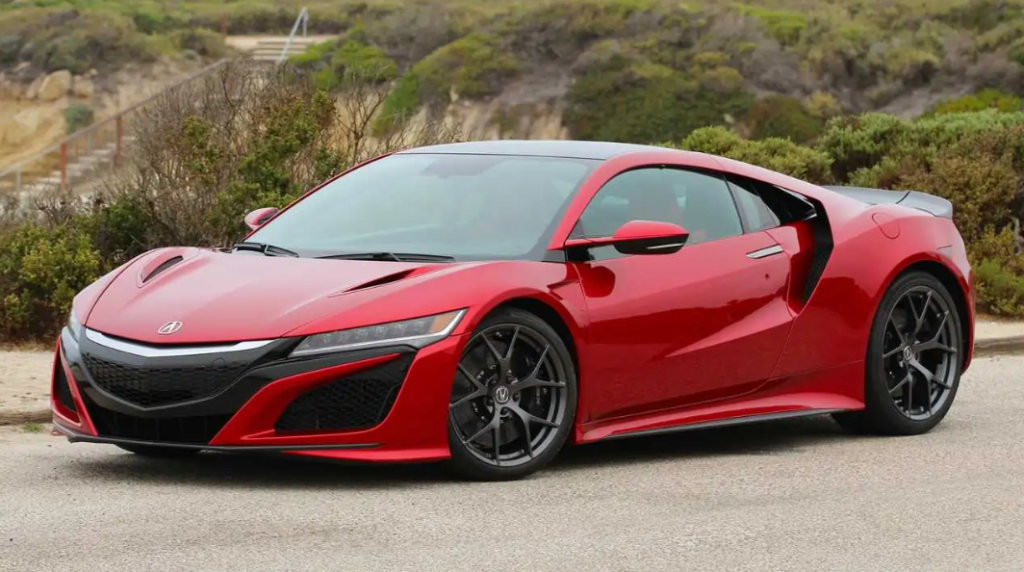
Honda Acura Engine Failures NHTSA: The NHTSA has investigated engine failures in Honda and Acura vehicles, focusing on issues like faulty components and excessive oil consumption. Recalls have been issued to address these defects and prevent further engine damage.
People think Honda and Acura are among the most reliable car manufacturers and the most loyal customers think the same. They are not perfect, just like any other car manufacturer; Honda and Acura often experience issues, one being engine failures. Throughout the years, multiple Honda and Acura models have had issues with their engines. These issues have been documented by the National Highway Traffic Safety Administration (NHTSA). Honda and Acura owners need to be educated about these issues to keep their cars out of the shops and to avoid paying large sums of money repairing the things the issues have broken.
In this article, we will focus on the National Highway Traffic Safety Administration and Honda and Acura engine problems. We will discuss, within the guide’s length restrictions, one of the components of defective engines, to NHTSA investigations and their recall processes.

Contents
Common Causes of Honda and Acura Engine Failures
A variety of factors could cause Acura and Honda vehicles to have engine failures. Some factors could be due to problems found in certain individual engine parts. Other triggers could be due to common issues that happen over time. Let’s take a look at some of the most common problems of engine failures in Honda and Acura vehicles.
1. Faulty Engine Parts
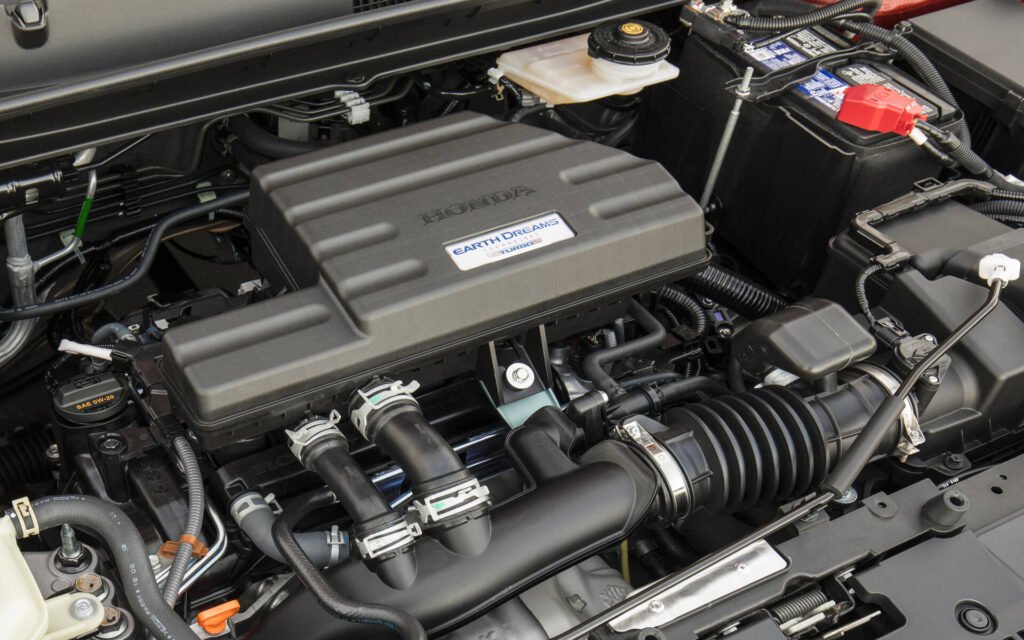
When it comes to engine failures, the more common cause is the parts of engine components that could be defective. Honda and Acura vehicles can be impacted by certain issues that happen in important engine parts, some of which could be the timing chains, camshaft sensors, or even the engine’s pistons. Without these units, an engine cannot function. If any one of them, or even several of them, fail it could lead to permanent engine damage or in some situations complete engine fail.
A famous example of this is in the Honda Accord that had issues (model years 2003 to 2007) where faulty timing chains stretched which caused some issues. If the timing chain stretches, the chain could slip or even break which results in a complete engine fail. Honda was investigated by the NHTSA when this was discovered, and Honda was then forced to recall the vehicles to address this problem.
Faulty camshaft sensors can cause timing issues in the engine’s operations, which can result in rough idles, bad performance, or total engine failure. Another common failure in a few Honda models is the piston ring failure, which is especially true for models with the more powerful 2.4-liter engines, which are four cylinders.
2. Too Much Oil Consumption
As reported, one of the most common problems that Honda and Acura vehicles experience is excessive oil consumption. Engine issues arise because certain models burn excessive amounts of oil, thus creating critical oil levels that lead to far more severe damage.
Numerous Acura models and the Honda Accord, ranging from 2008 to 2014, are notorious for this occurrence. Oil levels reach dangerously low levels. In extreme repetitions of the occurrence, entire engine seizures happen. Those owners who do not monitor the levels closely, face very costly repairs and replacements of the entire engines.
Bald, worn out, or defective valve seals, and more importantly, the piston rings, which are designed to not let oil leak into the combustion chambers, are the main contributors to oil consumption problems. Eventually, that oil seals the chambers which cause critical drops in oil levels. In contrast, the engine operations are increasing, thus creating overheating problems that will be detrimental for the engine.
3. Vibration and Poor Engine Performance
Honda and Acura vehicles often experience issues with vibration, particularly with models that contain the 3.5-liter v6 engine. The engine mounts, which secure the engine and attempt to absorb some of the vibration from the engine while it runs, are often the cause of these vibrations.
The vibration can be caused by a damaged engine mount which results in the engine being able to move too much while the car is in operation. This is a problem that can cause other issues, like misfiring and a bad response when accelerating. Engine mount problems may not seem to be a big deal, but they do contribute to the failure of other aspects of the engine, and when the problem is left alone, the overall failure of the engine is inevitable.
In less common instances, internal engine problems like damaged crankshafts and worn-out bearings can be the cause of vibrations. These problems can be the result of poor engine construction, or even a fault in the design of the engine.
4. Broken Cylinder Heads
In some cases, broken cylinder heads can also cause engine malfunctions in some models of Honda and Acura. Cylinder heads are dentre components of the engine’s combustion process. They contain the engine valves, the spark plugs and the fuel injectors and make sure that the mixture of the fuels are ignited.
In the event that a cylinder head becomes broken or damaged, it can cause a series of engine issues. Particularly, in the event of a fractured cylinder head, there can be leakage of engine oil or engine coolant, which can subsequently cause the engine to overheat or function with low compression. An even more severe cause of failure of cylinder heads, is engine overheating. If metal components in the engine go through a process of thermal expansion due to heating, it can cause the metal to fracture.
In Honda and Acura cars, some models have shown problems of failure of cylinder heads, especially the 2003 to 2007 Honda Accord and the 2003 to 2006 Acura TL. If these issues are not addressed early on, they can result in an engine malfunction or an engine failure, leading to costly repairs or even engine replacement.
5. Timing Belt Failures
The timing belt is one of the important parts of the engine, and if it fails, it can lead to engine failure. It makes sure that the camshaft and crankshaft are in sync so the engine can displaces run. If it breaks, the engine can have a valve and piston collision, causing very bad engine damage.
Before 2009, certain Honda and Acura models had timing belt failure issues. A lot of the time, the timing belt simply becomes too old. If the engine is running, a broken timing belt can lead to a very bad engine. It can cause bent valves, broken pistons, and destroyed cylinder heads.
NHTSA and Engine Failure Investigation
NHTSA provides safety services to the public through the investigation of engine failures and the initiation of recalls. Let’s explain the process and how Honda and Acura owners are educated about engine failures.
1. Recalls and Investigation
NHTSA receives, defines, and solves the engine failure problems of all vehicle manufacturers. NHTSA addresses the problems through consumer complaints, manufacturer defect reports, and on-site inspections to know the problem and why it matters to safety.
NHTSA receives reports about Honda and Acura engine failures and then investigates the problem. After the investigation, if they conclude that the problem is extensive, they will mandate the manufacturer to instate the recall.
NHTSA investigates complaints from Honda and Acura owners about the high oil consumption in their engines to see if it is a manufacturing defect. They had to recall some of their models, including the Honda Accord 2008-2014 and a few Acura models.
2. Public Awareness and Consumer Safety
Apart from the NHTSA’s Defect Investigations, the NHTSA offers services to consumers, helping them understand and stay informed about recalls and the safety of their cars. As soon as the NHTSA issues a recall for a vehicle, the NHTSA contacts the affected owner to make them aware of the recall and offers services to remedy the defect.
Car owners can utilize the NHTSA site to find recalls that affect their automobiles by simply searching the vehicle identification number (VIN). Honda and Acura owners can use this service to find out if their cars have recalls that could affect their engines.
3. Obligation of the Automaker
When the NHTSA finds a defect and/or safety concern for a model sold by Honda and Acura, the NHTSA contacts those manufacturers and they, by law, have to take action to remedy the defect. When taking action, they can choose to do a recall, and repair, or replace the defective components of the affected automobiles.
For instance, in order to avoid a possible engine failure, Honda and Acura had to replace defective timing belts that were in certain vehicle models. In the same way, the automaker had to take action on the issue of excessive oil consumption in certain models of their vehicles, so that they could repair and replace the parts to remedy the concern to the owners.
How to Protect Honda or Acura from Engine Problems
Engines can fail for many reasons, but the way to protect the engine from failure in your Honda or Acura is to do the necessary upkeep and maintenance to prevent the issues from arising in the first place. Here is how to maintain your vehicle so that the engine issues are kept to a minimum:
1. Frequent Upkeep and Maintenance: It is very important to protect your Honda or Acura from engine failure by getting your vehicle serviced and maintained to catch issues, which can assist in preserving the functioning state of the parts that can wear down with time and lead to engine failure. Simple engine maintenance, like oil changes, and engine leak checks, can prolong the time period of your engine. Incorporate your manufacturer’s suggestions to your maintenance schedule, and your vehicle will remain in optimum condition for you.
2. Monitor Recalls: To protect yourself as an owner of an Acura or Honda, it is best to stay informed about recent recalls. The NHTSA has an easy recall search by VIN number. If your vehicle is affected by related engine recalls, make a dealer appointment to get the necessary repairs.
3. Identifying Issues Early: If an engine has problems, it is best to take the car to a mechanic immediately. In the case of trouble, you may hear odd sounds, feel stronger vibrations, or lose power. Also, take the engine to a mechanic the moment it has a problem. If issues are caught early, it could save the engine from expensive damage. Regular engine inspections and monitoring the oil levels will help in the identification of potential problems.
Frequently Asked Questions
Here are some FAQs about Honda Acura engine failures NHTSA –
- What should I do if I suspect my Honda or Acura has an engine failure?
Honda and Acura deal with a plethora of engine problems on their cars. Before anything else, check to see if your vehicle has any outstanding recalls and then take it to your local NHTSA certified dealer to take a look.
- How can I find out if my Honda or Acura has been recalled for engine issues?
You can check the NHTSA site. Enter your car’s VIN (vehicle identification number), and look for any recalls concerning problems with the car’s engine. This will tell you if your car has any problems that could endanger you and your passengers with an engine failure.
- Is engine failure a problem others face in Honda-Acura vehicles?
No, incorrect engine failure can happen in any vehicle from a random manufacturer. Engine failure is not unique to Honda-Acura, but a few of their models have triggered widespread failures, and NHTSA opened investigations and resolved them.
- How can I avoid engine failures in my Honda or Acura?
To avoid engine failure, get oil changes regularly, as oil is essential for engine health. Depending on the model of the Honda or Acura and the type of oil used, the recommended oil change interval is between 5,000 and 7,500 miles. Always check the owner’s manual as the manufacturer would state their recommendations in there.
- If my Honda or Acura has a failing engine, can I still drive it?
If there is evidence of engine failure, such as odd noises, low performance, or high temperature of the engine, it is recommended to not operate the vehicle. Driving a vehicle with a failing engine increases the chance of extensive damage and costly repair.
Conclusion
Honda and Acura are some of the most reliable cars on the road, but they are still susceptible to engine troubles. Their cars are still liable to engine failure, and Honda and Acura should get familiar with the NHTSA (National Highway Traffic Safety Administration). NHTSA complaints are the start of an investigation, and NHTSA fixes their cars. Honda and Acura owners can keep their investments by doing maintenance frequently and staying on top of NHTSA releases.


