


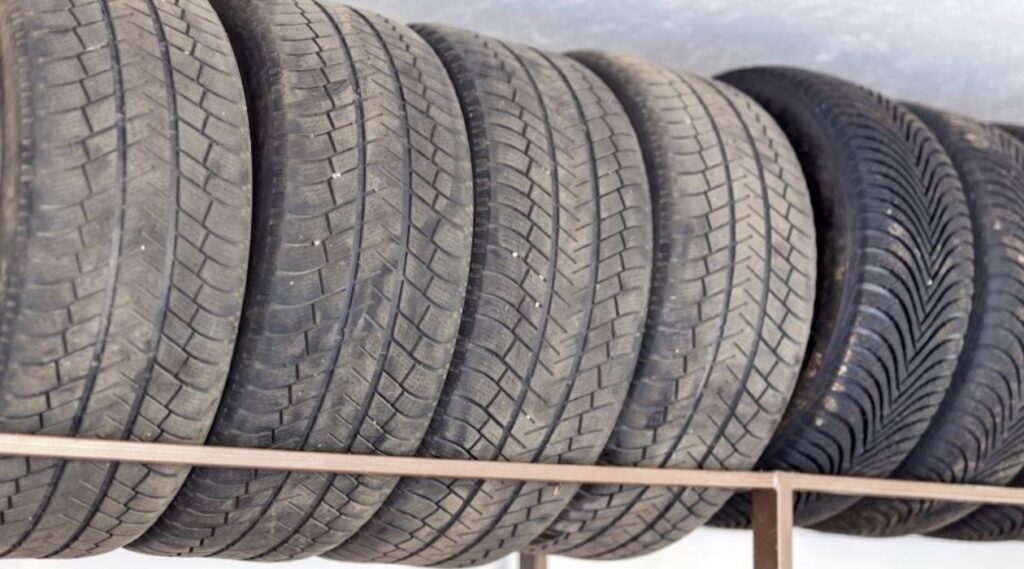
How long can tires sit unused? Tires can sit unused for up to 6 to 10 years, depending on storage conditions. However, it’s recommended to replace them after 5 to 6 years, even if they appear unused, as rubber degrades over time due to exposure to air, light, and heat.
Tires are very important parts of any and every vehicle. They are essential for safety, overall performance, as well as riding comfort. But have you ever considered how long tires can sit without being used, and still be considered okay? Understanding how time and the environment are just as important when considering the safety of your vehicle when you have to store your seasonal tires, or just have to leave your car parked for a long time.
That’s why we are going to get into how long tires can be stored and be considered okay, the actual implications of having tires sit unused for long periods of time, and the best practices for how to store tires so they are kept in a usable state.

Contents
The Lifespan of Unused Tires: What You Need to Know
When it comes to the storage of tires, the blank-slate of the tires can have a wide variety of potential outcomes. The tires, even though they are blank, are still going to break down with time. They will break down because of deterioration factors including temperature and the aging of surrounding materials and rubber.
General Lifespan: Most experts and tire manufacturers are in agreement that tires lose their safe to used status in the 6-10 years range. This agreement is for tires that have been previously used as well as tires that are considered brand new and have been stored in an appropriate manner.
Storage Conditions Matter: Temperature, humidity, light exposure, and how the tires are stored (mounted on a car, stacked, etc.) are all critical to how long tires last. Tires stored in dry, cool, dark, and caretaken conditions will last longer than those kept up in the sun, heat, and moisture.
Tire Age: The date of manufacture matters. Tires begin to degrade the minute they’re made, which means, in addition to usage, the age of the tire is important to consider. Tire usage is a major contributory factor to this loss of quality. Because of this, many organizations, such as the National Highway Traffic Safety Administration (NHTSA), recommend that tires get replaced after 6 years of usage, regardless of the tire’s apparent condition.
Why Do Tires Degrade Even When They’re Not Used?
An important question to ask is, if the tires are not being used, why are they degrading? The answer is in the chemical processes that occur stagnantly, and the physical properties of the rubber. Tires are made of many different materials, such as a combination of synthetic and natural rubber, and those materials, over time, begin to deteriorate. The deterioration can take place due to a number of varying internal and external factors.
Oxidation and Rubber Aging
One of the most obvious factors in tire degradation is oxidation and the reaction of the rubber with oxygen in the air. This causes the rubber to harden, getting small cracks in it and losing the ability to flex over time. As rubber gets harder, it loses its ability to work and increases the risk of losing a tire.
UV Light and Ozone Exposure
UV Light is present anywhere tires are, and it can break rubber compounds down. This Light can weaken bonds in the rubber, causing it to crack, and become brittle. Ozone in the air can also quickly penetrate the rubber, and in turn, cause the rubber to deteriorate faster.
The degradation of rubber compounds is Obvious. Tires that are stored in dry, and darker, and cooler places lose rubber compounds slower.
Heat and Humidity
Heat and humidity can worsen the conditions dry rot tires like being stored hot and humid, the rubber tire can soften and be less effective as the oils in the rubber evaporate. With moisture buildup from the humidity, internal damage can occur like rust and mold, especially in tires with steel wheels.
Compression and Deformation
Tires are also stored mounted on the vehicle or stacked under other tires, this can cause compression and from compression tires can develop flat spots which leads to problems like balance and traction, and can become safety hazards in future use. The stored tires can also develop permanent deformations from being in the same position too long, which causes vibrations to be felt from the tires, leads to uneven tire wear, and ultimately a decrease in performance.
Internal Compound Loss and Dry Rot
Tires are made with compounds that help them stay flexible and durable. One of these compounds is an oil that keeps the rubber supple. Over time, however, if a tire is not used, the rubber compounds will dry out. Known as dry rotting, the oil will escape through the rubber, and leaves the tire brittle and susceptible to cracking. This condition of dry rotting causes the tire to lose structural integrity and increases the likelihood of tire failure.
Best Practices for Storing Tires to Maximize Their Lifespan
Tires are designed to be used for a certain amount of mileage and then worn out, but there are some steps you can take to maximize their lifespan, and be confident they will be safe to use after being stored for some time. Here are best practices for storing tires:
1. Store Tires in a Good Environment
The most important factor in extending the lifespan of stored tires is the environment they are kept in. Make sure that they are not stored in :
Direct Sunlight: UV rays are very harmful to the rubber and will cause the rubber to deteriorate at a faster pace.
Heat Sources: Tires should not be stored in close proximity to heaters, radiators, or places that are often very hot, like attic or garages that are kept in direct sunlight.
Moisture: make sure that the place you are storing the tires is dry, cause to much humidity can cause moisture to be trapped and start rust and/or mold.
The ideal temperature zone to store tires at is 50°F to 70°F. (10 – 21°C). Do not store tires in places that have extreme temperature shifts to avoid temperature imbalance.
2. Keep Tires Off the Ground
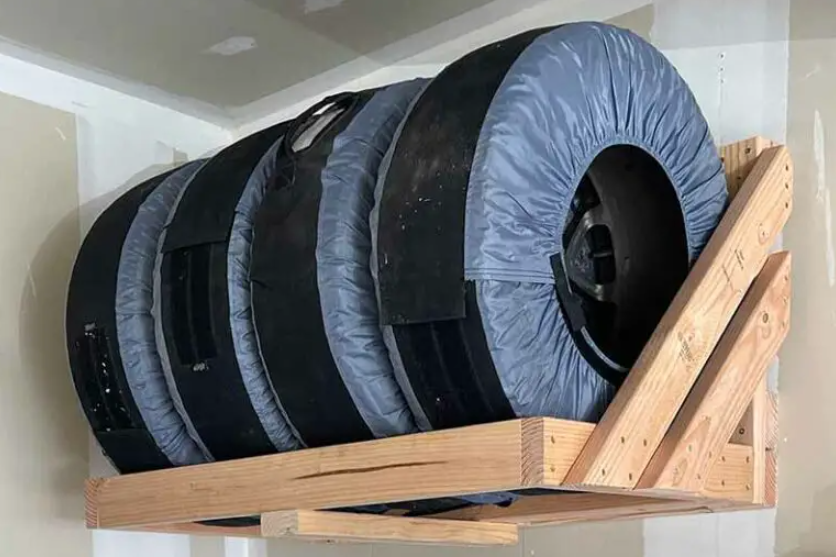
To keep tires dry, do not keep tires on the ground, as tires on the ground will soak in moisture. Moisture will contribute to the tires’ aging. Make sure tires on the ground do not dry rot. Keep tires on shelves, as kept off the ground, air will not accumulate moisture in the tires.
3. Store Tires Unmounted (If Possible)
Long term, it is best to detach tires from the vehicle and keep tires in a separate location. Leaving tires on a vehicle while storing will eventually cause the tires to deform, as the weight from the vehicle is pressing down on the tires. If you must keep the vehicle with the tires, make sure you switch where the vehicle is parked to make sure the same spot isn’t getting too much pressure on it.
4. Use Plastic Tire Bags
Put tires in airtight plastic bags to keep tires away oxygen and ozone. Sealing tires in bags contributes to limiting the air and moisture that the tires will be in contact with, and moisture is a contaminant. This is a good idea to keep tires from drying out and keep the rubber in good condition.
5. Check Your Tires Regularly
Of course it is important to regularly check your tires to see if they have any issues, and this is especially true after a five year period. Things to look for are:
- Gashes or slices in the rubber
- Areas that are dried out and rotten
- Sections that are warped or have flat spots
- Areas that are bulging or have strange bumps on the sides
If they have these issues, tires are too risky to keep. Just because they look good from the outside doesn’t mean they are safe. Sometimes tires are damaged and you won’t be able to tell immediately.
Dangers of Old, Unused Tires
Having old, unused tires might not seem like a threat, but they can still be a serious risk. Some of the issues that might occur are:
Dry Rot and Cracks: Even old, unused tires can get rubber cracks and dry rot. You might not notice these cracks even if you look closely, but they can cause serious issues and even lead to a tire blowout.
Loss of Rubber Elasticity: As tires get older and older, they lose out on their ability to absorb shocks rubber elasticity. When the rubber gets too hard, the tires won’t function and do their best. This will later on result to problems such as handling, braking, and discomfort when riding.
Flat Spots or Warping: For tires that have been put on a vehicle or stored improperly (stacked under heavy weight), flat spots or warping may occur. This will result to the tire being used on uneven wear and will cause vibrations. This can loss of balance and poor handling when driving the vehicle.
Tire Failure: Tires that have been aged and stored under poor conditions are tires that are more likely to experience internal failures while on the road. If you’re driving on a tire that may have internal problems, you may end up losing control of the vehicle and could experience a blowout.
Frequently Asked Questions
Here are some FAQs about tire storage and usage –
Q1: Do tires expire even if they’ve never been driven on?
Yes! Once they’ve been produced, tires do expire. Once there, oxidation, UV light, heat, and humidity, cause the rubber to degrade.
Q2: Where can I find the manufacture date of my tire?
Every tire has a DOT code printed on the tire’s sidewall. This code consists of 4 digits: the first 2 are the week of the year, and the last 2 are the year. This code tell you the week and year the tire was made, hence, determining the age of the tire.
Q3: Can I store my tires underground?
Yes, as long as the shed or garage is a stable temperature, cool, and has no direct sunlight or too much heat. Make sure to avoid storing tires in a damp or humid environment.
Q4: How can I tell if it’s time to replace old tires?
A tire that is 6 years or older should generally be replaced, regardless of how it looks. If you spot any signs of damage, such as cracks or dry rot, replace the tire immediately.
Conclusion
In summary, unused tires can sit for a while, but they will not last forever. The tires will eventually break down, even if they are stored correctly, because of the factors that come with the environment, and the gradual aging that will happen to the rubber over time.
To extend how long they last, store your tires in a place that is dry, cool, and dark, and place them off the ground, and if possible, put them in airtight bags. Regularly check for signs of wear, and if they are damaged, replace them, especially if they are 6 years old.
Proper maintenance of tires will guarantee that they will be in good condition for safe usage while stored.


