


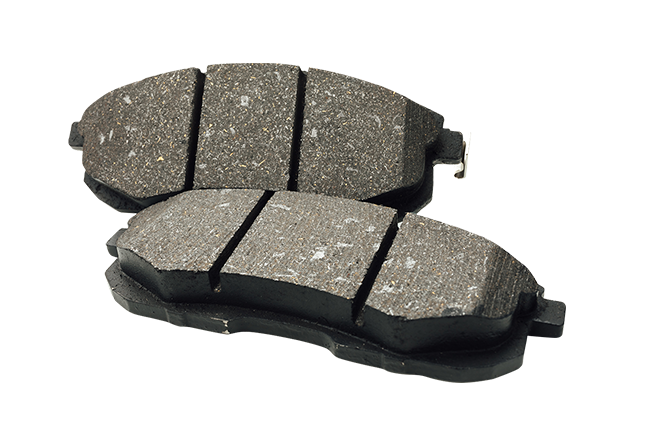
How long will 4mm brake pads last? On average, 4mm brake pads can last between 1,000 to 5,000 miles, depending on factors like driving habits, vehicle type, and road conditions. However, it’s advisable to replace them soon, as they are nearing the end of their useful lifespan.
Knowing when to replace brake pads is critical for safety. New brake pads are about 8 to 10mm thick. With time and constant use, they wear down. As brake pads wear down, they become less effective and can become too thin, potentially causing damage to the braking system. While 4mm brake pads are still functional, they are nearing the end of their life. It depends on driving habits, vehicle type, and the road.
This article focuses on the factors that affect how long 4mm brake pads last, as well as how to get the most use from them before they need to be replaced.

Contents
What Does Thickness of 4mm Mean?
Different types of brake pads have different thicknesses and each of those thicknesses correlates to a different lifespan of the brake pad. A brand new brake pad starts with thickness of about 8-10mm. Let’s break this down for further clarity:
- New Brake Pads: Brake pads with a thickness of 8-10mm are considered new and provide maximum braking power.
- 4mm Brake Pads: Brake pads with 4mm thickness are nearing their limit to be considered functional. 4mm is right at the middle of the range for pads that are new, and pads that are completely worn down.
- 3mm Brake Pads: 3mm brake pads are right at the recommended level for almost every manufacturer. Once brake pads reach this point, they become a) highly likely to develop an issue with the rotor, and b) result in a drastic drop in the efficiency of the brakes.
- Worn Out Pads: Pads that are at 2mm or less are completely worn out and are on the verge of causing an issue with the brake pads. At this point, the brake pads should be replaced almost immediately.
It is safe to say that the minimum needed to be considered before the 4mm brake pads are replaced is the 4mm measurement. 4mm brake pads are probably showing some signs of reduced performance and are probably nearing the point of no return. It’s even more critical to get those pads replaced if you’re driving under more demanding conditions.
How Many Miles Can Be Driven With 4mm Brake Pads?
There are truly countless driving conditions and countless vehicles that each use a different material to create the brake pads, so miles driven can be anywhere between 1000 and 5000 miles. 4mm brake pads can last anywhere in between 1000 miles driven to 5000 miles driven. Miles driven depend on countless driving conditions and countless vehicles that each use a different material to create the brake pads.
1. Driving Conditions
The conditions under which you drive your vehicle can impact the rate of wear on the brake pads and can result in a drastic difference. City driving often involves rapid brake wear and more frequent use of the brakes. In contrast, driving on the highway or in a rural area may require less frequent use of the brakes. This will ultimately lead to the pads lasting longer.
- City Driving: In a congested urban area, more frequent use of the brakes is required, which leads to faster wear of the brake pads. For this reason, 4mm brake pads may have to be replaced within the first 1000 to 2000 miles driven. Around 1,000 to 2,000 miles before needing replacement.
- Highway Driving: Driving on highways means you will use your brake pads less than you would on a regular road and so your brake pads will need to be replaced less often and could go as far as 3,000 to 5,000 miles before needing replacement. This is due to less use of the brake system being used on the highway.
- Mountain Driving: Driving on mountains and hilly roads will lead to use of brakes pads being used more often and will lead to an increase the rate of replacement of brake pads. Driving on hilly roads could lead to replacement of brake pads in as little as 2,000 to 3,000 miles.
- Heavy Traffic: If you frequently drive in stop-and-go traffic, your brake pads will wear much quicker than on highways. In this case, 4mm pads may need replacement within 1,000 to 2,000 miles.
2. Driving Habits
Driving habits will also impact the rate in which brake pads need to be replaced. Here’s how different driving styles affect 4mm brake pads:
- Aggressive Braking: When you drive aggressively and brake very hard and very fast, you are more likely to need a brake replacement in just a few hundred miles as the heat and friction caused by the aggressive brake will wear out the pads very quickly. This is true for 4mm brake pads as they could be used as an example for this aggressive braking scenario. The lifespan of the brake pads would be just a couple of hundred miles.
- Smooth Braking: With a relaxed driving style where braking is done seamlessly and gradually, the lifespan of your brake pads is extended. In cases of 4mm brake pads, smooth braking may potentially allow pads to wear down to 5,000 miles.
- Frequent Driving: Increased miles of driving will lead to the pads having decreased miles of lifespan. In the case of daily extended driving, if someone encounters a lot of traffic, 4mm brake pads can wear down to 1,000 to 2,000 miles.
3. Vehicle Type
This includes brake pads for different vehicles. In this case, heavy and large vehicles may lead to quick usage of the pads. Here’s a breakdown for 4mm brake pads per vehicle type:
- Lightweight Vehicles: For smaller cars and sedans, as the brakes are lighter, there will be lesser wear. On average, the 4mm brake pads are expected to last 4,000 to 5,000 miles.
- SUVs and Trucks: Heavier vehicles like trucks and SUVs carry greater loads on their pads leading to them to wear more so than lighter vehicles. It’s expected for them to range around 2,000 to 3,000 miles on 4mm brake pads.
- Sports Cars: There is a greater need for sports cars to have more from their brakes which include better brake pads that are high performance, but are more pricy. 4mm brake pads on a sports car may have a lifespan of 1,000 to 2,000 miles, depending on the driver and other outside factors.
4. Type of Brake Pad Material
The material used to manufacture the brake pads impacts the time taken to wear out. Each material is different when it comes to performance and durability.
- Ceramic Brake Pads: Compared to other materials, ceramic brake pads are more likely to outlast others and provide a more silent brake with less dust. For a 4mm ceramic brake pad, the mileage lifespan is 3,000 to 5,000 miles.
- Semi-Metallic Brake Pads: These pads are more durable than organic but are more likely to be more nosier and dusty. 4mm semi-metallic brake pads are said to last 2,000 to 3,000 miles.
- Organic Brake Pads: These pads are made using softer materials which is why they are the quickest to wear out. 4mm organic brake pads are said to only last 1,000 to 2,000 miles.
When Should Brake Pads be Replaced?
4mm brake pads are nearing the end of their life cycle. You should replace them when they are no longer effective. It is important to note that while 4mm brake pads will still technically function, using them will cause the vehicle’s braking system to incur even more damage.
Frequently Asked Questions
Here are some FAQs about 4mm brake pads lifespan –
1. How long do 4mm brake pads last?
4mm brake pads, on average, last approximately 1,000 to 5,000 miles. This distance can vary based on driving style, type of vehicle, and the type of material that the brake pads are made of.
2. Is it safe to use 4mm brake pads?
4mm brake pads are still functional, but are near the end of the usable brake pad range. They should be replaced soon for better performance and safety.
3. Can I do brake pads on my own?
Yes. Brake pads can be DIY-ed assuming the correct tools and knowledge are available. If unsure, it’s best to get a professional mechanic to do it.
4. How often do I check my brake pads?
Brake pads should be checked every 12,000 miles, or every routine check of the vehicle. If you start hearing squeaks or if the braking starts to feel mushy, then it’s time to check on the brake pads.
5. What can happen if I take a long time to replace brake pads?
Waiting to replace brake pads for a long time can cause damage to the other components of the brake system, including the brake rotors. Damaged brake rotors are costly to fix and will also reduce the braking performance, and the safety of the car.
Conclusion
While 4mm brake pads do have some life left, they are nearing the end of that life and have to be replaced to preserve optimal braking performance, which, on average, 4mm brake pads last somewhere between 1,000 to 5,000 miles. This distance can also vary greatly depending on your driving style, type of vehicle, and the type of terrain you are driving on, so don’t be afraid to replace your pads to protect your braking system from further wear. This will also protect the over all safety of your car.


