How to fix milky oil in engine ran in puddles? First, drain the contaminated oil and replace the oil filter to remove any water residue. Then, inspect the engine for any water entry points, such as the air intake or damaged seals, and add fresh oil to restore proper lubrication.
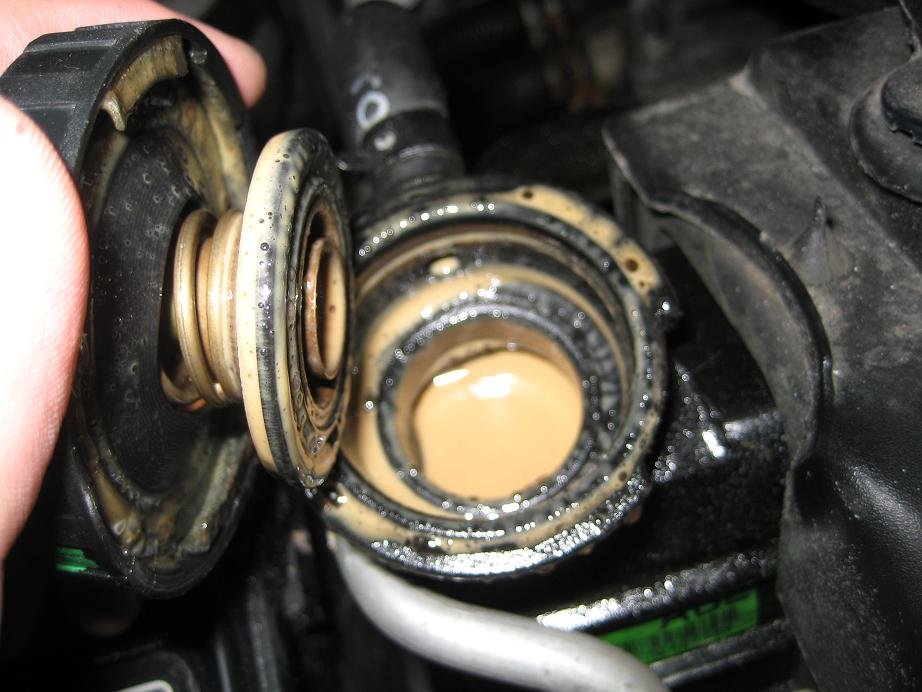
Milky oil in the engine, especially after driving through puddles, is a serious issue. The milky appearance typically indicates that water has mixed with the engine oil. If this problem is not addressed promptly, it can lead to severe engine damage due to improper lubrication and the onset of rust and corrosion.
How to fix milky oil in engine ran in puddles? First, you must understand how the water got into the oil, then follow a detailed cleaning and oil replacement process to resolve the problem. Whether it’s a minor water leak or more significant contamination, fixing this issue is crucial to maintaining engine health and performance.
Contents
Why Milky Oil Happens After Driving in Puddles
Milky oil is often a result of water contamination, and puddles are one of the common ways water enters the engine. Here’s how water can make its way into your engine and cause the oil to turn milky:
1. Water Infiltration via the Air Intake
The air intake system of your engine is responsible for drawing in air for combustion. However, when you drive through deep puddles or floodwaters, water can be sucked into the intake system. If the intake is low to the ground, water can flow into the engine, mixing with the oil in the process. The result is contaminated oil that has a milky consistency.
2. Water Entering Through the Breather Tube
The breather tube is designed to allow air to flow in and out of the engine, relieving pressure buildup. When water splashes onto the engine, it can enter through the breather tube and mix with the engine oil. This is more likely to happen when the vehicle is driven through water that reaches the engine components.
3. Engine Seal Failures or Damaged Gaskets
The engine is sealed with gaskets and rubber seals designed to prevent leaks. However, if these seals are old, worn out, or damaged, water can seep into the engine, mixing with the oil. Additionally, poorly sealed areas around the oil pan or valve covers can let in water when submerged in puddles or floodwaters.
4. Water-Driven Through a Cracked Engine Block
In severe flooding situations, if the water level is high enough, it can force its way into the engine through gaps or cracks in the engine block. This is a much rarer occurrence but can lead to significant damage and contamination if not addressed quickly.
Why Milky Oil Is Harmful to the Engine
Understanding the risks of milky oil is essential for taking the necessary action to resolve the issue. Here’s why you should never ignore milky oil:
1. Loss of Lubrication
One of the primary functions of engine oil is to lubricate the engine’s moving parts. When water enters the oil, it dilutes the oil’s ability to lubricate. This results in increased friction and wear on vital engine components, leading to potential engine damage over time.
2. Rust and Corrosion
Water in the oil accelerates the corrosion of metal engine components. This includes parts like the crankshaft, camshaft, pistons, and other internal components. Corrosion weakens the engine, causing it to fail prematurely.
3. Overheating
Oil also plays a significant role in dissipating heat. When mixed with water, the oil can no longer function efficiently as a heat transfer fluid. This can result in the engine overheating, leading to potential engine seizures or cracked engine blocks.
4. Clogged Oil Filter
The presence of water in the oil can clog the oil filter, as the filter is not designed to separate water from oil. This clogging prevents the oil filter from doing its job of removing debris, which further reduces oil circulation and compromises the engine’s performance.
5. Possible Long-Term Engine Damage
If left untreated, milky oil can lead to lasting damage, including rust in the pistons, damage to bearings, and even a total engine failure. Fixing this issue early can prevent expensive repairs and engine replacement.
How to Fix Milky Oil in Engine Ran in Puddles: A Step-by-Step Guide
Now that you understand why milky oil is dangerous, let’s walk through the steps to fix the problem.
Step 1: Drain the Contaminated Oil
The first step in resolving the issue is to remove the contaminated oil from the engine. Here’s how:
- Prepare the Vehicle: Park the vehicle on a flat, level surface and ensure the engine is cool before starting the process. Engage the parking brake for added safety.
- Lift the Vehicle: If necessary, use a car jack to lift the vehicle, ensuring it’s stable and secure on jack stands.
- Loosen the Drain Plug: Use a wrench or socket to loosen the oil drain plug. Position an oil drain pan underneath the plug to catch the oil.
- Drain the Oil: Allow the contaminated oil to drain completely. You may need to leave it draining for several minutes to ensure all the old oil is out.
Step 2: Inspect for Water Entry Points
Before replacing the oil, take some time to inspect the engine for the source of water entry. Check the following:
- Breather Tube: Ensure the breather tube is not clogged or damaged. If it is, replace it to prevent future water ingress.
- Air Intake System: Inspect the air filter and intake system. If the air filter is soaked, replace it to prevent further water damage.
- Seals and Gaskets: Check the engine seals, valve covers, and oil pan gaskets for wear or damage. Replace any faulty seals to prevent water from entering in the future.
Step 3: Replace the Oil Filter
A contaminated oil filter will only exacerbate the problem. Follow these steps:
- Remove the Old Oil Filter: Use an oil filter wrench to remove the oil filter. Place it in the container with the used oil.
- Install a New Oil Filter: Install a new, clean oil filter. Ensure it is seated properly and tightened securely.
Step 4: Add Fresh Oil
With the old oil and filter removed, it’s time to add fresh oil:
- Choose the Correct Oil: Refer to the owner’s manual for the recommended oil type for your engine. Choose an oil that matches the specifications.
- Fill the Engine with New Oil: Slowly pour the new oil into the engine. Use the dipstick to monitor the oil level, ensuring you don’t overfill.
Step 5: Check for Leaks and Monitor Performance
Once the fresh oil is added, it’s time to check for any leaks:
- Check for Leaks: Start the engine and inspect the oil drain plug and filter for any leaks. Tighten the parts if necessary.
- Monitor Performance: Let the engine run for a few minutes to circulate the new oil. Check the oil color and consistency after running the engine to ensure that the milky oil issue is resolved.
Step 6: Test Drive and Monitor Oil Condition
Finally, take the car for a short test drive:
- Check Oil Again: After driving for 500-1,000 miles, check the oil again. If it’s still milky, there may be another underlying issue, such as water still trapped in the engine or more severe contamination.
- Look for Warning Signs: Monitor engine temperature, oil pressure, and any unusual sounds or vibrations during the test drive.
Preventing Milky Oil in the Future
While fixing milky oil is essential, it’s also crucial to take steps to prevent the issue from occurring again. Here’s how to protect your engine from future water contamination:
1. Avoid Deep Puddles and Flooded Roads: One of the best ways to prevent water from entering the engine is to avoid driving through deep puddles or flooded roads. If the water reaches your engine, it increases the risk of water mixing with the oil.
2. Inspect Engine Seals Regularly: Check and replace engine seals and gaskets as needed. Worn or damaged seals are a common cause of water ingress. Regular inspections can help detect issues early.
3. Install a Higher Air Intake: If you frequently drive through areas with standing water, consider upgrading to a higher air intake system. This modification helps keep water out of the intake system, reducing the chances of water entering the engine.
4. Use a Snorkel System (for Off-Road Vehicles): If you drive off-road or in flood-prone areas, installing a snorkel intake system can significantly reduce the risk of water entering the engine. This system raises the intake point higher, keeping it above water level.
Frequently Asked Questions
Here are some FAQs about milky engine oil –
1. How long can I drive with milky oil in my engine?
It’s not advisable to drive with milky oil. If water mixes with the oil, it will reduce lubrication and cause engine damage. Address the issue immediately by draining the oil and replacing it.
2. Can I fix milky oil without replacing the engine?
Yes, fixing milky oil typically involves draining the contaminated oil, inspecting for water entry points, replacing the filter, and adding fresh oil. This can be done without replacing the engine, but you must fix the underlying cause of water ingress.
3. How often should I change engine oil after fixing milky oil?
After fixing milky oil, it’s a good idea to change the oil again after about 500-1,000 miles to ensure all water has been removed from the engine.
4. Is it possible to clean the oil if it’s mixed with water?
While you can drain the contaminated oil and replace it with fresh oil, it’s not possible to “clean” oil mixed with water. The solution is to drain the oil entirely and replace the oil filter.
5. Will fixing milky oil improve engine performance?
Yes, fixing milky oil and replacing it with clean oil will restore proper lubrication, reduce overheating, and prevent rust and corrosion, which will improve the engine’s performance and longevity.
Conclusion
Dealing with milky oil in engine ran in puddles is a common but serious issue. By following the steps outlined in this guide, you can effectively drain the contaminated oil, replace the filter, and add fresh oil to restore your engine’s health. However, it’s equally important to take preventive measures to avoid this problem in the future. Regular maintenance, inspecting engine components, and driving with caution in flooded areas can help protect your engine and prevent costly repairs down the line.