How to release parking brake: To release the parking brake, ensure the car is in “Park” or “Neutral,” then press the brake pedal and engage the appropriate release method (hand lever, foot pedal, or electronic button).
When operating your vehicle to drive, being able to take off the parking brake is one of the many things you need to be able to do. Releasing the parking brake the correct way is very important, and you should know how to do it, regardless of how long you’ve been driving for. As part of the safety features of your vehicle, the parking brake is designed to help stop your vehicle rolling when it is parked. Releasing it incorrectly can put your vehicle’s brakes at risk and cause accidents.
In this beginners guide, we will be looking at how to safely and properly remove the parking brake of your car, looking at the different styles of parking brake systems and the unique features they have.
Contents
- 1 What Is a Parking Brake?
- 2 How to Release the Parking Brake
- 3 Safety Tips When Using the Parking Brake
- 4 Frequently Asked Questions
- 5 Conclusion
What Is a Parking Brake?
The parking brake, sometimes called the emergency brake, handbrake, or e-brake, is the other type of braking system in your car. It is designed to keep your vehicle in one position when stopped, especially when the vehicle is stopped on a ramp or uneven surface.
The parking brake stops the car from moving when the other brakes aren’t on.
The parking brake usually works through a system of levers that is not connected to the car’s other brakes that use a hydraulic system to work. This means that if something were to go wrong with your normal brakes, the parking brake could work to stop the car.
There are three main styles of parking brakes in modern cars.
- Hand-lever parking brakes
- Foot-pedal parking brakes
- Electronic parking brakes (EPBs)
Because each system has a different way to release it, it’s important to know the parking brake system in your car so you don’t run into issues.
How to Release the Parking Brake
Let’s go through the steps needed to release the parking brake’s on modern cars. We’ll explain each system with some extra tips if there are issues you run into.
1. Make Sure the Car is Secure
Make sure your car is in the proper gear before taking off the parking brake.
- Automatic transmission: the car should be in Park.
- Manual transmission: the car should be in Neutral and it is good to leave the parking brake engaged while you release the other brake.
Always remember to press the brake before releasing the parking brake to avoid the vehicle rolling or moving without your control.
Why is it important to press the brake pedal?
Help you to secure the position of the car by pressing the brake pedal before releasing the parking brake. Releasing the parking brake while pressing the brake is essential to avoid the risk of rolling the car forward or backward on a hill.
2. Press the Main Brake Pedal
You keep the car in position by pressing the brake pedal. This is really important because in case you need to stop the car while releasing the parking brake, the normal brakes are used, making it safer.
How to Release a Hand-Lever Parking Brake
Most modern cars are equipped with a hand-lever parking brake, the classic design. This is a lever that is pulled to be locked in place and is positioned between the seats.
Steps to Release the Hand-Lever Parking Brake
Although removing a hand-lever parking brake is as simple as a minor function, it is also very detail-oriented, as a handful of tasks must be performed in order to make sure that your vehicle is secure. Learn here how to disengage a hand-lever parking brake properly.
- Make sure the car is parked and is in Neutral or Park.
- To stop the car from rolling, press the main brake pedal.
- Pull the hand lever, making sure you hold it tightly.
- Using the button on the lever, unlock the brake parking system by pressing it.
- While holding the brake pedal, release the lever by pushing it down.
- This releases the parking brake.
- When the lever is down all the way, the brake has been released.
Problems Associated with the Hand-Brake Lever
If the lever is stuck, and cannot be released, it may be a rust, dirt, or corrosion issue within the cable system, and it may need a professional fix as forcing it may cause some harm. To avoid this situation, it is a good idea to get the cable burned and checked with maintenance.
Releasing A Foot-Pedal Parking Brake
Foot-Pedal Parking Brakes are mainly used in vehicles such as trucks, vans, and some of the older car models. To use it, press down on the foot pedal on the left side of the brake pedal, located near the driver’s foot rest.
Foot-Pedal Parking Brake Release Process
Using a foot pedal parking brake has a little technique so that you can ensure that your vehicle is properly secured and that it won’t roll away. These are the steps to properly disengage a foot brake in a vehicle.
- Step 1: To ensure the car is secured, press down on the brake pedal.
- Step 2: PARKING Brake Pedal is located on the left side of the brake pedal.
- Step 3: Hold the foot pedal down until you feel it disengage, you may feel a spring in the pedal and a click will be heard to ensure the brake has been disengaged.
When you take your foot off the pedal, you should see the brake light on the dashboard go out. This means the parking brake is off.
What If You Don’t Release the Foot Pedal Correctly?
This is a very important step. If you forget to take your foot off the parking brake pedal, all the brakes that are on your car will be engaged. This will make driving much more difficult, and you will likely overheat the brakes very quickly, which could also damage the brake rotors. It will also negatively impact the car’s economy and performance. So, make sure the brake is fully disengaged before you start driving!
How to Release an Electronic Parking Brake (EPB)
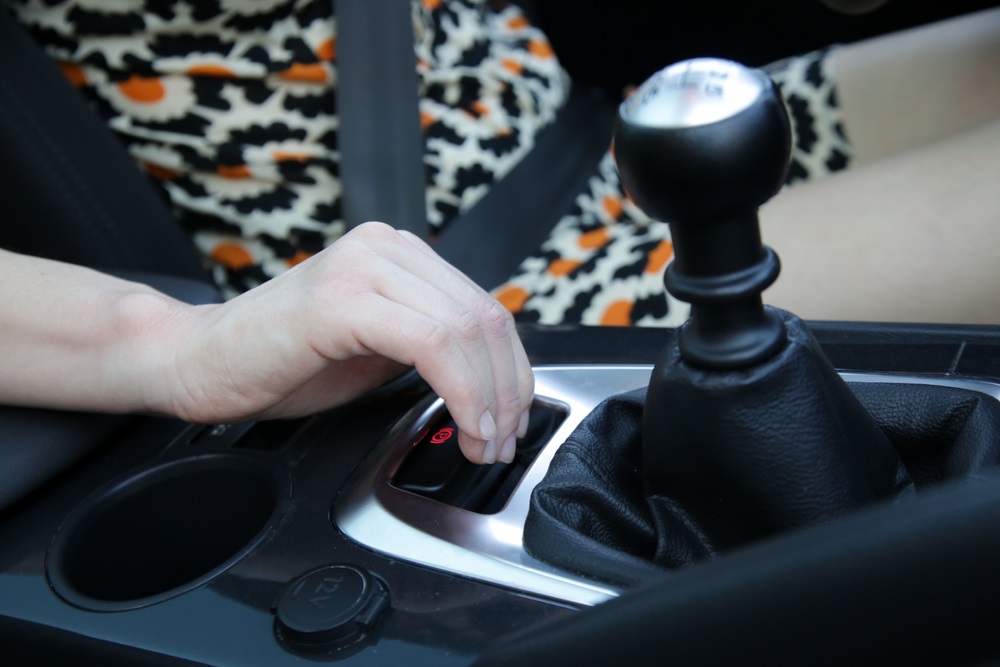
These days, most new cars are replacing the traditional mechanical parking brake with an electronic one called an Electronic Parking Brake (EPB). Instead of a parking brake lever or pedal, the EPB systems are controlled with a button or switch.
Steps to Release the Electronic Parking Brake
Disengaging electronic parking brakes is a little different than traditional systems because of the electronic controls. Follow these steps to make sure your vehicle’s EPB is properly released.
- Make sure that you are in the Driver’s Seat, and that the vehicle is in Park (for automatic transmission) or Neutral (for manual transmission).
- Make sure the vehicle is not moving by pressing the main brake pedal. You, the driver, should be the only one in control of the vehicle’s motion.
- Depending on your car’s system, you should either press or pull the EPB button, which is normally located in the middle of the passenger and driver console.
Keep pressing the brake until it sounds as if it has been released or until the brake warning indicator on the dash turns off.
What if the Electronic Parking Brake Won’t Release?
An EPB malfunction, such as a weak battery or a defective sensor, could cause the system not to release the EPB. Refer to the owner’s manual to perform simple troubleshooting. If the malfunction persists, consult a qualified vehicle technician.
More sophisticated variants might include automatic release: When you step on the accelerator or shift the car into Drive or Reverse, the system might automatically disengage the parking brake. Always ensure that you understand how to operate the system in your vehicle.
What to Do when the Parking Brake Cannot Release
In the unfortunate event that the parking brake won’t release, further troubleshooting is needed to fix this issue, and the following steps can help.
1. Inspect the Gear and Brake System
Confirm that your car is in Park (automatic) or Neutral (manual) and make sure that the brake pedal is completely pressed down.
If the car has an electronic parking brake (EPB), ensure that the ignition is on and that the battery is charged, as a low battery or electrical issue can cause the EPB to fail.
2. Bypass the Electronic Parking Brake
In some cars, there is an emergency manual release for the electronic parking brake. This release is often tucked away in the trunk or under the seats, and you can refer to the manual for step-by-step directions to the manual override.
3. Parking Brake Lever Is Stuck
If the parking brake is applied by a hand lever and it gets stuck, try to carefully jiggle the lever while pulling it to the top, as a stuck cable can sometimes get unseized by debris and corrosion. If that’s the case, have it looked at by a mechanic, as forced movement can break the cable inside it or damage the lever.
4. Foot-Pedal Brake Sticking
In the event of a stuck foot-pedal parking brake, a gentle push down of the pedal may unstick it. With stuck pedals, the spring mechanism may require some adjustment or lubrication.
Safety Tips When Using the Parking Brake
We have covered the proper way to disengage the brake but proper usage is just as important. Here’s some important safety practices to help you avoid problems:
- Always set the parking brake when you park, even if you are parked on a level surface. This will help you avoid unnecessary wear on your vehicle’s transmission and keep it securely stationary.
- If you are parked on an incline, before you disengage the parking brake, make sure the vehicle is in gear if it is a manual transmission. If it is an automatic transmission, make sure it is in the Park position. Doing this will help keep the vehicle from rolling.
- Never drive your vehicle while the parking brake is engaged. This will cause excessive wear and damage to the brake pads and rotors, as well as some other brake components.
- Regular Maintenance: It is of utmost importance that your parking brake system gets some attention during your regular maintenance checks. This includes changing out any stretched cables and worn-out pads and brake components to avoid any potentially emergency situations.
- Not Regularly Using the Parking Brake: Regular driving should not use the parking brake. It will only be used when the car is stopped and put in the parking position. Using parking brakes while driving is misuse that can damage the car and cause accidents.
Frequently Asked Questions
Here are some FAQs on parking brake release –
1. Can the parking brake be released when the brake pedal is not pressed?
Not pressing the brake pedal is not encouraged when parking brake is released. It can cause the car to move when unintentended, and especially cause more danger on hills.
2. Why is the electronic parking brake not releasing?
If the electronic parking brake is not disengaging, that may be due to a malfunction of the system. It can be a low battery issue or a sensor that is busted. Those problems should be addressed by a mechanic or in the vehicle’s guide.
3. What happens if I drive with the parking brake on?
Driving with the parking brake on is a danger to the car and the driver. It can damage the brake system by overheating the pads and rotors that causes wear. It can cause lower fuel efficiency which will in turn, cause a more expensive drive.
4. Is it okay to release the parking brake on a hill without pressing the brake?
No, it is pretty much impossible to disengage the parking brake while pressing the brake pedal. It is unsafe to disengage the parking brake on a decline without pressing the brake pedal. Always make sure the car is parked before disengaging the parking brake.
5. How often should I check my parking brake system?
Yes, it is wise to check the parking brake regularly. It is advisable to check the parking brake on a yearly basis to include it during your regular service, in the event that you experience the parking brake stiffen, notice odd sounds, or feel resistance when trying to disengage the brake you should have a specialist check it out sooner.
Conclusion
Knowing how to properly disengage the parking brake is key to your safety, and the safety of your car. Following these simple instructions for the parking brake systems, be they hand-lever, foot-pedal, or electric helps ensure your vehicle is parked properly while enabling safe and effective operation.
Maintaining the parking brake should also ensure the release mechanisms work properly. At this point, you should have enough confidence in your skills to disengage your parking brake, but if there are any issues, you are always welcome to contact a professional mechanic or refer to your vehicle owner’s manual.
Every driver needs to know the fundamentals, and the first step to building this knowledge is learning how to use the parking brake. Safe and responsible driving starts here.