


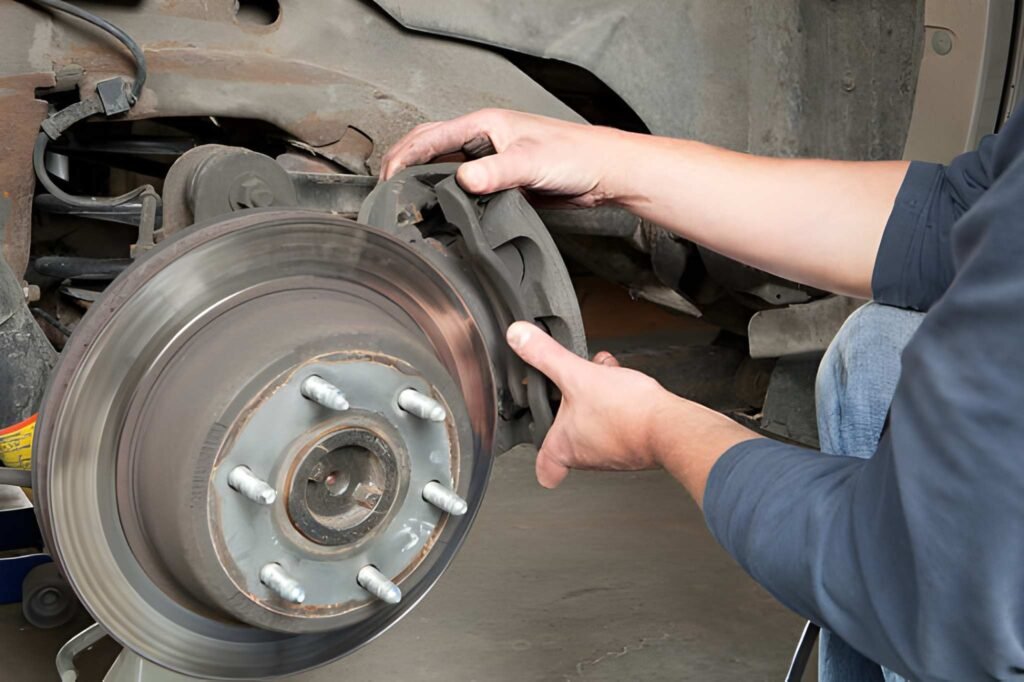
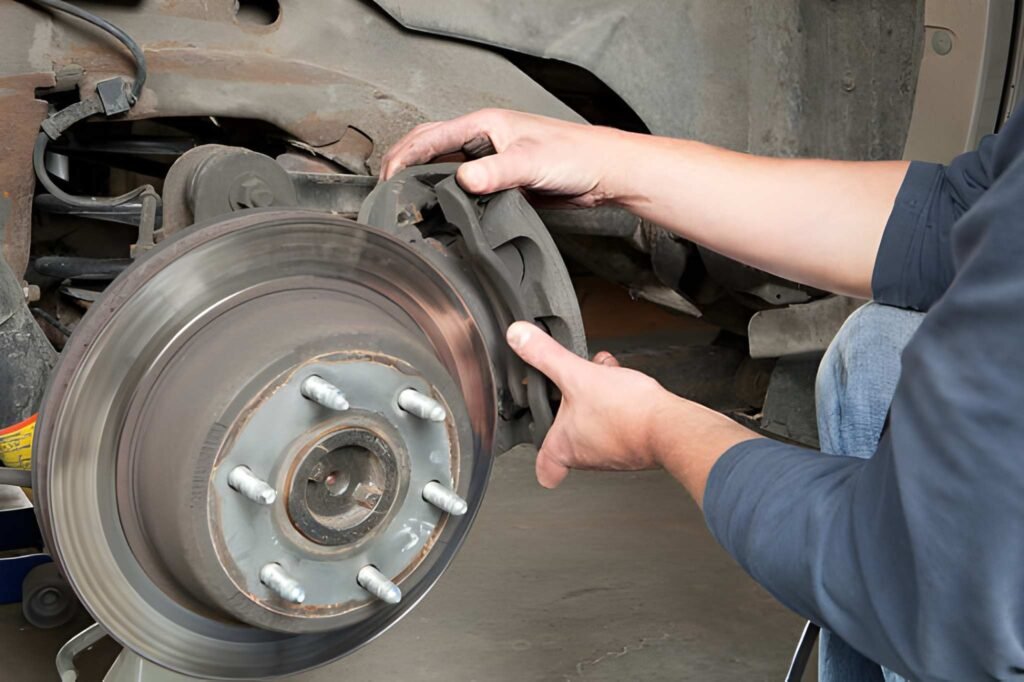
How to remove brake caliper without losing fluid: Use a brake line cap to seal the line before removing the caliper, preventing fluid loss. Always check fluid levels afterward.
Everyone who works on cars should know how to remove a brake caliper without losing brake fluid. While removing a brake caliper, most people lose brake fluid, which can cause damage to the system. Losing brake fluid can cause the brake lines to allow air to enter the brake system, leading to the brake pedal feeling soft or even causing the brakes to fail. The good thing is, with the right tools, techniques, and careful planning, losing brake fluid during brake caliper removal is achievable.
In this guide, we will walk you through the entire process, step-by-step, and how to lose as little brake fluid as possible while keeping the brake system working properly.
Contents
- 1 How to Remove Brake Caliper Without Losing Fluid
- 1.1 Step By Step Guide to Removing the Brake Caliper Without Losing Brake Fluid
- 1.1.1 Step 1: Area Preparation and Vehicle Securing
- 1.1.2 Step 2: Take the Wheels Off
- 1.1.3 Step 3: Brake Line Cap or Plug
- 1.1.4 Step 4: Loosen and Remove the Bolts on the Brake Caliper
- 1.1.5 Step 5: Take Off the Brake Caliper
- 1.1.6 Step 6: Compressing the Caliper Piston
- 1.1.7 Step 7: Check the Brake Fluid and refill if necessary
- 1.1 Step By Step Guide to Removing the Brake Caliper Without Losing Brake Fluid
- 2 More Tips and Safety Precautions
- 3 Reinstalling the Brake Caliper and Adjusting Brake Fluid Levels
- 4 Troubleshooting: What to Do If Fluid Is Lost
- 5 Frequently Asked Questions
- 6 Conclusion
How to Remove Brake Caliper Without Losing Fluid
Before starting repairs, you should always ensure you have the proper tools to complete the job. The following is a complete list of tools and equipment you will need to remove the brake caliper while losing as little fluid as possible:
- Car Jack and Jack Stands: To safely lift the vehicle off the ground.
- Brake Caliper Tool (or C-clamp): For compressing the caliper piston.
- Socket Wrench and Sockets: To remove the bolts holding the caliper.
- Brake Line Cap or Plug: To seal the brake line and prevent fluid from leaking.
- Brake Fluid Catch Container: To prevent any accidental spills or contamination of the fluid.
- Torque Wrench: To re-tighten bolts to manufacturer specifications.
- Lug Wrench: To remove the wheel bolts.
- Brake Fluid: To top off the system if necessary.
With these tools, you can remove and reinstall the brake caliper without damaging your car’s brake system.
Step By Step Guide to Removing the Brake Caliper Without Losing Brake Fluid
To remove a brake caliper without losing brake fluid, a bit of preparation and the right tools are necessary. In this part, we will guide you through the steps of removing a caliper and keeping brake fluid in the reservoir.
Step 1: Area Preparation and Vehicle Securing
To start, secure the vehicle on an even surface. In order to avoid the vehicle rolling, the parking brake must be engaged. Using a car jack, the vehicle should be lifted off the ground and then jack stands should be placed underneath for safety. The vehicle must not be relied upon to support the vehicle with only a car jack. After the vehicle has been lifted and the stands are in place, the next step is to take off the wheels.
Step 2: Take the Wheels Off
Loosen the bolts on the wheels using the lug wrench. Next, completely remove the nuts and place them somewhere safe. After this, remove the wheels and you will be able to see the brake parts. Now you can access the brake caliper and everything else you need to remove.
Step 3: Brake Line Cap or Plug
The brake line needs to be sealed to prevent brake fluid from spilling out if the caliper is disconnected. Use a brake line cap or plug; one of these will fit over the brake line that connects to the caliper. This will stop fluid from leaking out, and the brake lines will remain pressurized. Make sure you put this cap on before you take off the brake caliper.
Some cars have an ABS system, so be sure to not touch any ABS wiring or sensors when you are close to the brake line. Make sure the plug or cap is on very tight so that you don’t lose any fluid.
Step 4: Loosen and Remove the Bolts on the Brake Caliper
When the brake line is done, go ahead and use a socket wrench to remove and loosen the bolts that hold the brake caliper to the mounting bracket. Usually, there are two bolts (one at the top and the other at the bottom of the caliper). Depending on the design of your car, those bolts can be visible or even hidden behind the rotor, so make sure you can access them all.
Make sure you are using the proper socket size to remove said bolts. If the bolts seem too tight, use some penetrating oil to loosen them since the bolts on brake calipers are usually torqued to a high value and are likely to be rusty or corroded.
Step 5: Take Off the Brake Caliper
Now that the bolts are out, carefully lift the brake caliper off the rotor. Make said calipers do not hang on the brake line, as this may cause a rupture, damage, or a brake line leak. If the caliper does not come off, you may tap it with a rubber mallet. Once it is loose, you should use a brake caliper hanger to support it, or hang it off a suspension component. This will help prevent the line from sustaining damage, or the caliper fittings from snapping.
Step 6: Compressing the Caliper Piston
To replace the brake pads, you have to compress the caliper piston to make space for the new pads to be fitted. For this, you may use a C-clamp or a brake caliper tool to do this gently. It should be done slowly to prevent damaging the piston or the caliper, because the caliper system is very sensitive, and you do not want to create any unnecessary pressure.
Step 7: Check the Brake Fluid and refill if necessary
After the brake caliper is removed, it is a good time to check the brake fluid. If you have used a brake line cap or a plug, you should not have lost any fluid. If some fluid has been lost, you will have to make sure the appropriate brake fluid is used, according to the specifications of the manufacturer of your vehicle. It is important to keep a certain level of brake fluid because the braking system depends on it.
More Tips and Safety Precautions
Removing the brake caliper without losing brake fluid is possible, but there are several tips and safety precautions to avoid damaging your brake system. These reminders will help guide your process and avoid mistakes.
Do Not Let the Caliper Hang from the Brake Line
When working on a brake system, do not let the brake caliper hang from the brake line. That will put a lot of stress on the brake line and could cause leaks. Always hang the caliper from the line by using an actual brake caliper hook or by hanging it from a part of the suspension.
Use a Brake Line Plug is Safe
Using a brake line cap is usually enough, but a brake line plug gives you more safety because it is more secure. These plugs are designed to fit the brake line perfectly.
Be Cautious with Brake Fluid Spills
Spilling brake fluid can harm the finish on your car and surrounding areas. Make sure to keep a brake fluid catch container on hand to avoid this issue. If brake fluid gets on the ground, surround areas, or anywhere else, it is best to wipe it up with a clean cloth as it may do additional harm.
Reinstalling the Brake Caliper and Adjusting Brake Fluid Levels
After the caliper is removed, and the necessary repairs or replacements are made, it is time to reinstall the brake caliper. You will do the following:
Step 1: Align the Brake Caliper
Reposition the brake caliper onto the rotor. You will want to line it up with the mounting holes. Gently slide the caliper into the desired position, and then it should fit closely over the rotor. After achieving the correct alignment for the caliper, place the bolts and tighten them with your hands to keep the caliper steady.
Step 2: Bolt Caliper Bolts
Using your socket wrench, tighten the caliper bolts to the manufacturer’s specifications. Bolt tightening should be done with a torque wrench. If bolts are overtightened or undertightened, you could damage the caliper or change how the brakes function.
Step 3: Reinstall the Brake Pads (If Applicable)
If you are changing out the brake pads, then slide the new pads into the caliper bracket. Make sure the pads are aligned and seated before you reattach the caliper. If the pads are not fitting, you may need to compress the caliper piston some more with a C-clamp.
Step 4: Check Brake Fluid
After securely putting the caliper back into place, you’ll need to check and see if the brake fluid needs to be filled. Every time you change something out in the brake system, check the brake fluid as well. Make sure to use the right brake fluid as specified by the vehicle manufacturer.
Step 5: Put The Wheel Back
Once you’ve reattached the caliper and checked the fluid levels, put the wheel back onto the wheel hub and use your hand to tighten the lug nuts a bit. Use the car jack to bring the car back down to the ground and then use the torque wrench to tighten the lug nuts the rest of the way. Ensure the wheel is secured before you drive the car.
Troubleshooting: What to Do If Fluid Is Lost
If at any point you lose brake fluid, it’s important to know what to do:
- Look for Leaks: Check the brake lines and any connections to see if you can find any. If you do, fixing it should be your top priority.
- Fill the Fluid: If the fluid is considerably low, you need to add more brake fluid. Make sure to use whichever brake fluid your manufacturer specifies.
- Bleed the Brakes: If any air is introduced to the brake lines, you may need to bleed the brakes to restore full pumping pressure to the brakes.
Frequently Asked Questions
Here are some FAQs about removing brake calipers without losing fluid –
- Can I remove a brake caliper without draining the fluid?
Yes, an individual can remove the brake caliper without draining the fluid if a brake line cap or plug is used.
- How can I prevent the brake caliper from hanging by the brake line?
To prevent the finish of the brake line from being damaged, the use of a breake caliper hanger is recommended, or alternately, the caliper can be secured to a part of the suspension to avoid the line hang.
- What should I do if I lose brake fluid during the removal?
If fluid is lost, top the fluid back to the level of the lose and check for leaks. The line may also need to be bled to remove air from the system if this is the case.
- Why is checking the brake fluid level important when taking off a caliper?
The fluid level should be checked so you can confirm that there is no fluid loss that can negatively affect the braking performance and safety.
- Are brake caliper bolts reusable?
Yes, brake caliper bolts can be reused as long as they are not stripped or damaged. Just be
sure to torque them to the specified requirements of the manufacturer.
Conclusion
With the right preparation and tools, brake fluid does not need to be lost whenever a brake caliper is removed. During brake caliper removal and replacement, brake line plugs can help keep the brake fluid from being lost. The fluid can be maintained with the brake line plugs as long as the brake caliper is secured and the replacement is done with caution.
The purpose of brake line plugs is to aid in removal and replacement. Brake system maintenance and repairs is a top priority for your safety, and is a legal requirement in many places. Its operations can be adversely affected, so be certain to check fluid levels and make sure to not skip the process of putting everything back together.


