Is brake fluid clear? Yes, brake fluid is typically clear or light amber when it is new. Over time, it can darken due to moisture absorption and contamination, which can affect its performance and may require replacement. Regular monitoring of brake fluid clarity is essential to maintaining safe braking functionality.
Is break fluid clear? The answer to this question puzzles many untrained car enthusiasts, and since break fluid is one of the important components of a car’s break system, most people do not realize how little they understand the part of their system. The condition and color of break fluid can have a strong correlation to the condition and safety of a car.
In this article, we will explore the components of break fluid, the importance of its transparency, how is it altered over time, and how can you keep your break fluid in good condition?
Contents
What is Brake Fluid?
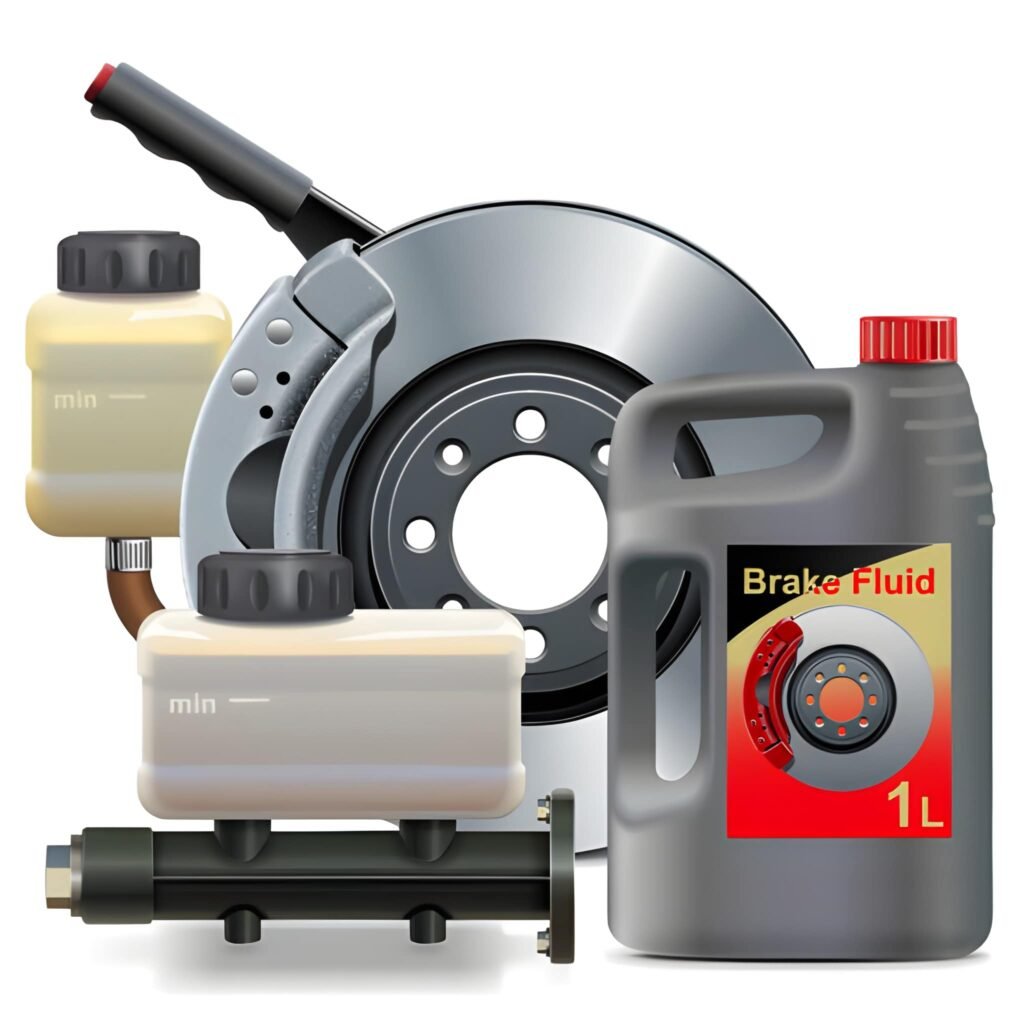
A car’s break system is a type of hydraulic system that employs the use of brake fluid to create pressure and activate the breaks. The brake pad is pushed into the brake drum and the vehicle is slowed down or stopped. The pressure is applied by the driver’s foot onto the brake pedal and this is transmitted through the fluid to the brake components.
Main Features of Brake Fluid
Brake fluid is an essential component that meets the requirements of a vehicle’s braking system. It possesses various characteristics that enable it to perform well under various conditions. The following are the characteristics of brake fluid.
Incompressibility: Brake fluid is incompressible which means it has the ability to transmit pressure throughout the system.
High Boiling Point: Brake fluid has to be able to withstand the extreme temperature that is generated during the braking process. This means that the fluid used has to be able to boil at a higher temperature.
hygroscopic: Brake fluid is able to ‘selectively permeate’ which means that it is able to absorb moisture over time. This can result in the performance and lifespan of the brake fluid decreasing.
Additives: Brake fluid has various additives in it that stop the braking system from developing rust and corrosion.
Is Brake Fluid Clear?
If you were to open a vehicle’s brake fluid reservoir, you would be able to see that the fluid is a clear or light amber color. This is the result of the fluid being clean and is a normal quality for brake fluid. The fluid’s color can also change over time and can become cloudy. This is caused by the fluid becoming contaminated which can be a result of moisture and other foreign particles.
What Color is Brake Fluid?
Brake fluid is typically clear or light amber when it’s fresh. Over time, however, it can change color due to moisture absorption and contamination, affecting its performance.
- New Brake Fluid: New brake fluid is clear or a light amber color. This color means that the fluid is works optimally without any contaminants or moisture.
- Brake Fluid that is Cloudy or Dark: Cloudy or dark fluid is a sign that the fluid is becoming less effective and should be considered for replacement. Over time, the fluid absorbs moisture from the air, causing darkening and clouding.
- Brake Fluid that is Contaminated: Brake fluid can also be contaminated from dirt or metal particles, causing it to be a darker or even black color. This can be caused by the wear and tear of the brake components or damage to the fluid system.
What Makes Brake Fluid Change Color?
New brake fluid is designed to be almost colorless or light amber. But as time goes on, the fluid undergoes a color change that affects its performance. The most common cause for the color change of the brake fluid is due to wear in the system, heat, and moisture absorption.
1. Absorbing Moisture
Brake fluid absorbs moisture from the air over time. While this is an intended characteristic since it helps keep the fluid from forming air bubbles in the brake lines, it is also an unwanted effect. Moisture lowers the fluid’s boiling point, and as moisture is absorbed, the fluid turns darker and its effectiveness decreases.
2. Exposure to Heat
A lot of heat is generated in the brake system from the friction of the brake pads and from frequent stopping or needing heavy braking. The heat generated is also fluid’s enemy as it increases the degradation of the fluid and even changes the color of the fluid. The higher the temperatures the fluid is exposed to, the poorer the condition the fluid will be in.
3. Contamination from The Brakes
Small particles from the pads, rotors, and drums can be introduced into the brake fluid from the friction of brake pad wear. Such particles can cloud the fluid and make it look murky or dark. Ignoring changing the brake fluid can compound this type of contamination.
4. Oxidation of Brake Fluid
Brake fluid can undergo oxidation when exposed to air over a long period of time. This leads to a breakdown of its chemical structure. Dark brown or black brake fluid is a sign of oxidation. This signifies that the fluid is not performing at its best and your brakes could be in danger.
Why is Brake Fluid Clarity Important?
The hydraulic braking system works best when there is clear, unclouded brake fluid in the system. Brake fluid serves the function of removing air from the system, and dull fluid means the system is not as capable of removing air.
Why does Brake Fluid Changing Color Affect Performance?
The color of brake fluid is more than just an aesthetic detail—it directly impacts the braking system’s efficiency and safety. Dark or contaminated brake fluid can lead to poor braking performance, increased wear, and potential system failure.
- Lower Boiling Point: Absorption of moisture causes the brake fluid to boil at a lower temperature, which is dangerous when there is a lot of braking going on. When the fluid is boiled, it causes air to be trapped in the fluid, which is known as “vapor lock”. This causes a reduction in the braking power.
- Corrosion: Brake fluid that has not been replaced can cause a lot of damage to the brake system and even the entire brake system can fail.
- Less Efficient Braking: When fluid is old, it can no longer transmit pressure. This causes a decrease in braking power. More pressure is needed to stop quickly.
How to Check Brake Fluid Color
In order to keep brake fluid working seamlessly, it must be checked regularly. This helps avoid problems and issues down the line. Here’s how to check the condition and color of brake fluid.
1. Identify the Brake Fluid Reservoir
You can find the brake fluid reservoir, as they are located near the master cylinder in the engine bay. It’s a clear container with a cap, usually marked with a symbol of a brake system. You will be able to find it in most cars, as it is easy to identify the white or black container with a transparent middle.
2. Observe Fluid Level and Color
The brake fluid reservoir has marked lines to indicate which sections are minimum and maximum. Any fluid that is below the minimum line must be topped with fresh brake fluid. In addition to checking the fluid level, check the color of the fluid. Fresh brake fluid is usually light or clear. If the fluid is dark, it is time to get it replaced.
3. Check for Contamination
Brake fluid can become cloudy or dirty as it is moved throughout the system. It is vital contaminated fluid is replaced to keep the brake systems efficient.
Reasons to Change Brake Fluid
Like other fluids in your car, brake fluid needs to be replaced from time to time because it breaks down. The replacement time can be different for everyone based on the type of brake fluid they use, how old their car is, or what type of driving conditions they have.
- Prevent Brake Failure: Brake fluid is less effective transmitting pressure to the brakes when it is old and has absorbed moisture. This can lead to the brakes stopping less efficiently and could lead to brake failure. Timely replacements of the brake fluid help prevent loss of brake function.
- Maintain Brake Performance: Brakes are not able to work as effectively if there is old and dirty fluid in the braking system. This is especially dangerous when stopping in emergencies. There are no hazards associated with a braking system flush.
- Prevention of Corrosion: Rust is caused by a combination of moisture, contamination, and old brake fluid, and can be found in the systems of the brake’s lines, master cylinder, and other critical systems. This is especially problematic because it can be caused by other structures that can be critical to the function of a car.
Frequently Asked Questions
Here are some FAQs about color f brake fluid –
- Why is brake fluid clear when new?
The reason brake fluid is clear or even light amber in color is because it is contaminant and moisture free. The fluid is clean and the best option for the braking system.
- What makes brake fluid turn dark?
There are several reasons why brake fluid might turn dark. Most commonly, and maybe the highest of concern, is the presence of moisture, contamination, or oxidation.
- How often do you have to change brake fluid?
Depending on the manufacturer’s recommendations and your driving conditions, brake fluid should be changed about every 1-2 years or 24,000 to 30,000 miles.
- Can I drive with dark brake fluid?
It is not a good idea to drive with dark brake fluid because the braking fluid might be contaminated and moisture has entered the brake system. This leads to decreased braking performance and even brake failure.
- Can you mix different brake fluids?
No, it is not safe to mix different brake fluids to create a combination. Always use what is recommended for your vehicle, as mixing fluids can result in damage and voodoo performance.
Conclusion
Is brake fluid clear? Yes, in fact, it is clear or light amber, but it changes colors due to contamination, moisture absorption, and even exposure to heat. It is important to monitor the condition of your brake fluid regularly. Even though the fluid is clear, it may be dark and contaminated. This can lead to further corrosion of brake components, and cause reduced braking performance, which can be extremely dangerous.
Maintaining and replacing brake fluid is an important part of the process to keep your vehicle’s braking system in good condition. When in doubt, consult a professional mechanic so that you can be sure the fluid is replaced correctly and the braking system is safe to use.