


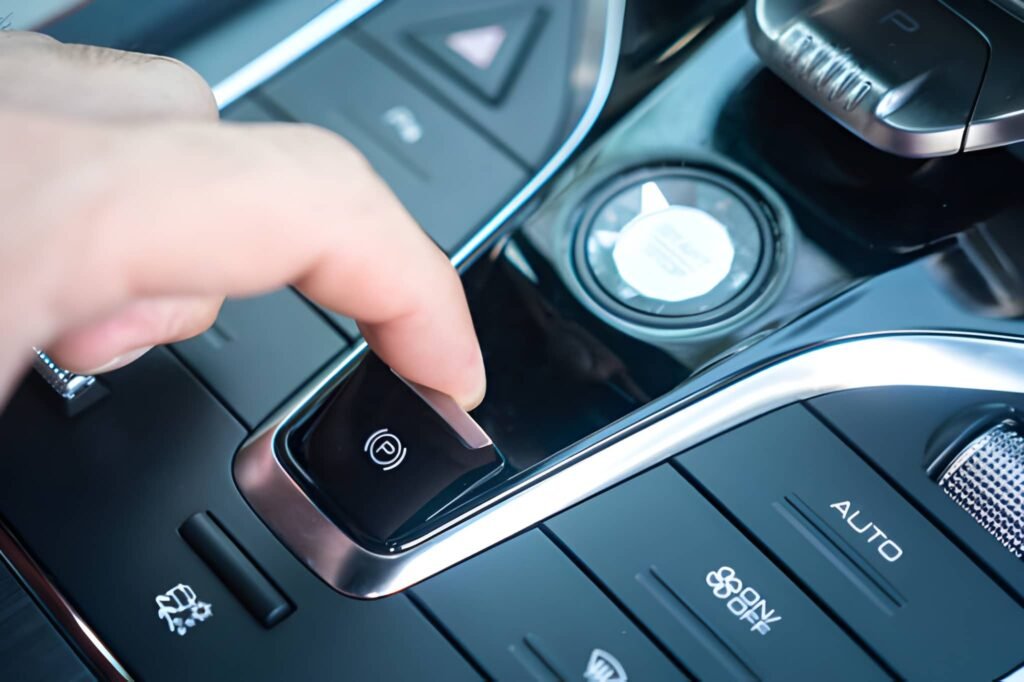
Leaving your parking brake on overnight is usually safe, but doing it often can cause wear or sticking. Learn when it’s okay, when it’s risky, and how to protect your brake system.
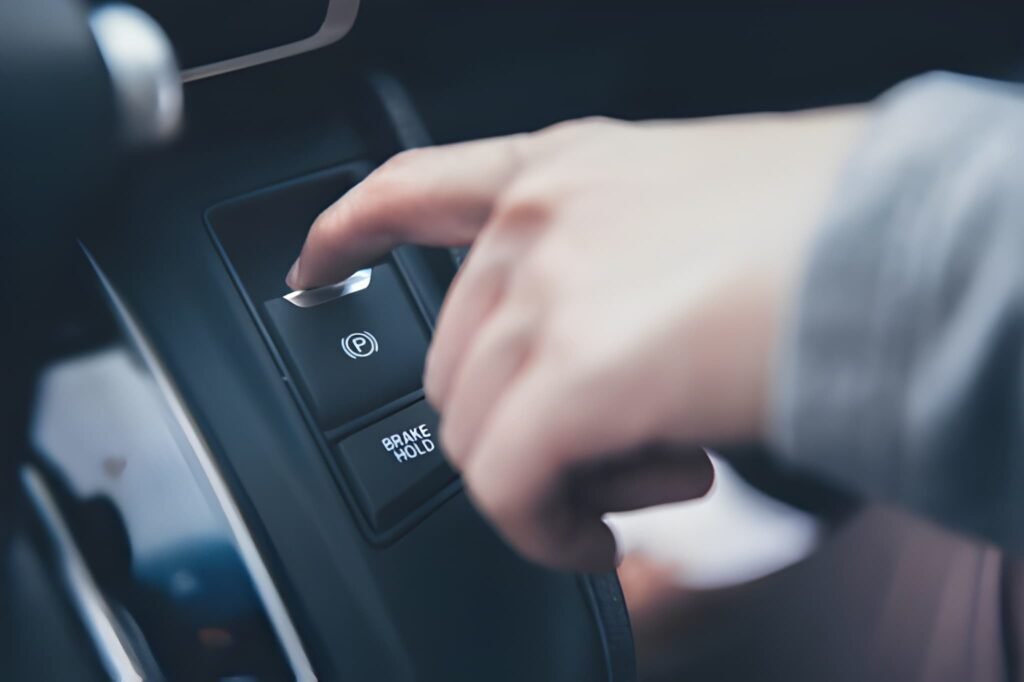
Among a range of concern for a driver’s approach to parked cars , a habit that is put to question is the act of engaging a car’s parking brake overnight. Is this a safe thing to do? A parking brake, also known as a handbrake and emergency brake, employs a separate service brake system from the one that is typically involved when the car is put in motion and thus, is free to roll backwards. Rather, this system is typically a cable system in older cars, or is an electronic actuator system in new cars.
Given the braking retentiveness of each of these systems, the handbrake is used to prevent service motion of the car on extensions of a hill or a slope. However, engaging the system for a long time could be a problem. Issues may arise that are attributable to a variety of conditions and environments such as humidity and weather as well as a result of the braking system exposed to a service hold condition for long periods of time.
This guide holds an answer for you in the form of an explanation what happens not only when parking brake is used over long periods of time, but also when the brake is used in a short period of time and what methods may be used to save your vehicle from the effects of unnecessary wear and tear, costly repairs and what approach is best to use to park the vehicle.
Contents
- 1 How the Parking Brake System Works
- 2 How Is The Parking Brake Engaged?
- 3 Risks of Keeping Your Cars Brake Engaged Overnight
- 4 When is it safe to leave the parking brake engaged?
- 5 How to Avoid Parking Brake Damage Overnight
- 6 Frequently Asked Questions
- 7 Final Thoughts
How the Parking Brake System Works
Most drivers are familiar with how the regular braking system on a vehicle works, but the parking brake system is an extra piece of safety technology that helps hold the vehicle in a stationary position when it is parked. This system is designed to work separately from the regular braking system, and instead uses cable or lever systems to create friction on the rear brakes. This keeps the car from rolling backwards, and especially helps on steep driveways.
How Is The Parking Brake Engaged?
When you use your vehicle’s parking brake, it uses cables or hydraulic pressure to respond to either the brake drums or brake discs in the rear wheels. This locks the rear wheels and stops the vehicle from rolling. The parking brake system is designed to keep the vehicle from rolling even when the engine is off.
Still, while this system is crucial when it comes to safety, it’s not designed for repeated, long-term use – like keeping it engaged overnight. Let’s see what is the outcome for the system’s components if it is used this way.
Risks of Keeping Your Cars Brake Engaged Overnight
Keeping your brake engaged does not cause damage immediately, but over time, pulling your Parking brake can damage your brake system, which can affect safety and performance. This is a problem.
1. Damage to the Wearable Parts of the Braking System
The parking brake mechanism should stay engaged temporarily. If left activated overnight the brake components like the brake shoes, cables, and drums can suffer from premature wear. The parking brake maintains pressure against the break systems. As a result, the over friction can cause components to degrade faster than normal.
The Impact on the Brake Shoes
The rear wheel brake shoes or pads are usually the component that takes most of this damage. Overtime, there is a lot of damage that can happen to these due to the constant pressure. Worn shoes can change the ease of engaging/disengaging the parking brake and can even impact stopping the car safely.
2. Rust and Corrosion Build-Up
High humidity, rain, snow, or road salt are all environmental conditions that trap moisture between the braking systems components. For example, if you leave your parking brake engaged overnight. The moisture leads to rust and corrosion, especially in the brake drum and the supporting components. Rust and corrosion on the components of the brake systems do shorten the lifespan of the brake system and are simply unsafe.
Corrosion Impact on Cables
The parking brake will become stuck even more frequently if the parking brake engaged for a long time, a more common occurrence in wet and salty conditions. Malfunctioning, stiff, or completely broken parking brake systems are a few of the rust consequences. Broken parking brake cables are especially dangerous, because it means the parking brake won’t work properly when you need it the most.
3. Difficulty Releasing the Brake
If the parking brake is on too long, there may be instances that it is difficult to release it. This is a result of the brake shoes or pads sticking to the drum or disc because of the constant pressure. When this happens, you may notice that the brake doesn’t fully disengage, which may cause your vehicle to be dragged, or to roll sluggishly when driving.
4. Possible Problems with the Transmission (for Automatic Vehicles)
Leaving the parking brake on overnight can put an unneeded strain on the automatic vehicle’s transmission. When the parking brake is engaged, it hooks up extra pressure on the transmission’s park gear. While the parking brake is designed to keep the vehicle from rolling, driving with the brake engaged instead of putting the car in “Park” can do severe damage to the transmission over time.
5. Increased Wear on Brake Pads and Drums
In the case of vehicles that use drum brakes, leaving the parking brake on can wear down the drum itself. There is designed to be space between the shoes and the drum when the brake is released, but that constant pressure can make the shoes stick to the drum. This can lead to uneven wear, and possibly damage to the drum. It can also cause the brakes to make annoying noises, such as squeaking and grinding.
When is it safe to leave the parking brake engaged?
Leaving your parking brake engaged overnight can cause problems, but there are some instances where it is safe to leave the parking brake engaged overnight. Here are some examples where it is safe to leave the parking brake engaged overnight:
1. Parking on a Steep Slope
When your vehicle is parked on a steep incline, leaving the parking brake engaged is critical to prevent the vehicle from rolling backward or forward. In these cases, the parking brake is your primary safety mechanism. However, it is still a good idea to release the brake after a few hours if you can, to avoid long-term strain on the brake components.
2. Temporary Situations
When you are temporarily parked for a short time, like a few hours during the day, it is perfectly okay to leave the brake engaged. As mentioned before, problems occur when the brake is left on for extensive periods, like overnight.
3. In Cold Weather
In extremely low temperatures, components of the parking brake can freeze, potentially leading to malfunctions. In these types of situations, there is a safety concern. Ensure that you release the parking brake when it is not needed for safety on your vehicle.
How to Avoid Parking Brake Damage Overnight
So that you do not damage the brake system, here are some tips you can use to make sure you do not leave the parking brake on for too long.
1. Only Use Parking Brakes When Necessary: If you are parking on a flat surface, you do not have to use the parking brake, especially not on every single parking encounter. On manual transmission cars, you can leave the car in gear, and on automatics, just leave it in ‘Park’ mode. Only use the parking brake when you’re on an incline or when extra security is needed.
2. Maintain Your Brakes Regularly: To make sure the braking system is working smoothly, do not neglect and set on the braking system. This includes the brake shoes, cables, and drums. Clean and lubricate the system, and do periodic brake checks to notice any of the components have suffered damage from prolonged engagements, so they can be changed in time.
3. Steer Clear of Wet Areas When Parking: Try not to park in very wet places, such as by a lake, or places with high humidity. This moisture can cause rust and corrosion, especially when the parking brake is left on. If you live in a wet or snowy area, you may want to use rust inhibitors on your brake system.
4. Be Careful When It’s Cold: If you live in a cold climate, avoid using the parking brake when it is freezing. Instead, leave the vehicle in gear or in the “Park” position and use wheel chocks to secure it.
Related Article
Pioneer Parking Brake Bypass
How to Tighten Parking Brake
How Parking Brake Works on Disc Brakes
Frequently Asked Questions
Here are some FAQs about leave your parking brake on overnight –
1. How does leaving the parking brake on overnight damage the car?
While the parking brake is engaged, the brake system will start wearing down. Soon, it will be damaged by rust, corrosion, and eventually, the brake will become difficult to release.
2. Can the parking brake be engaged with cold weather?
In extremely cold weather, ice can build up in the mechanism causing brake system damage. Instead of using the parking brake, put the car in gear or “Park” position.
3. Does the parking brake wear out if left on for a long time?
Yes, if the parking brake is engaged for too long, it can cause premature wear and tear on the brake shoes, drums, and cables, negatively impacting the performance of the system.
4. What happens if the parking brake is left on overnight?
Leaving the parking brake engaged overnight can cause rust, corrosion, and damage to the cables and shoes. It can also make the brake hard to release.
5. Should I always use the parking brake when parked?
It’s a good idea to use the parking brake when on an incline, but it is not necessary when on flat ground.
Final Thoughts
Leaving your parking brake on overnight usually does not cause immediate damage. One night will not break your vehicle. However, doing it often can lead to problems.
Over time, the brake system can wear out faster. Rust and corrosion can build up. The brake may become hard to release. In some cases, it can even strain the transmission.
To avoid these issues, use the parking brake only when needed. Do not leave it engaged for long periods. Check your brake system regularly. Always consider weather and parking conditions to keep your braking system working properly.


