


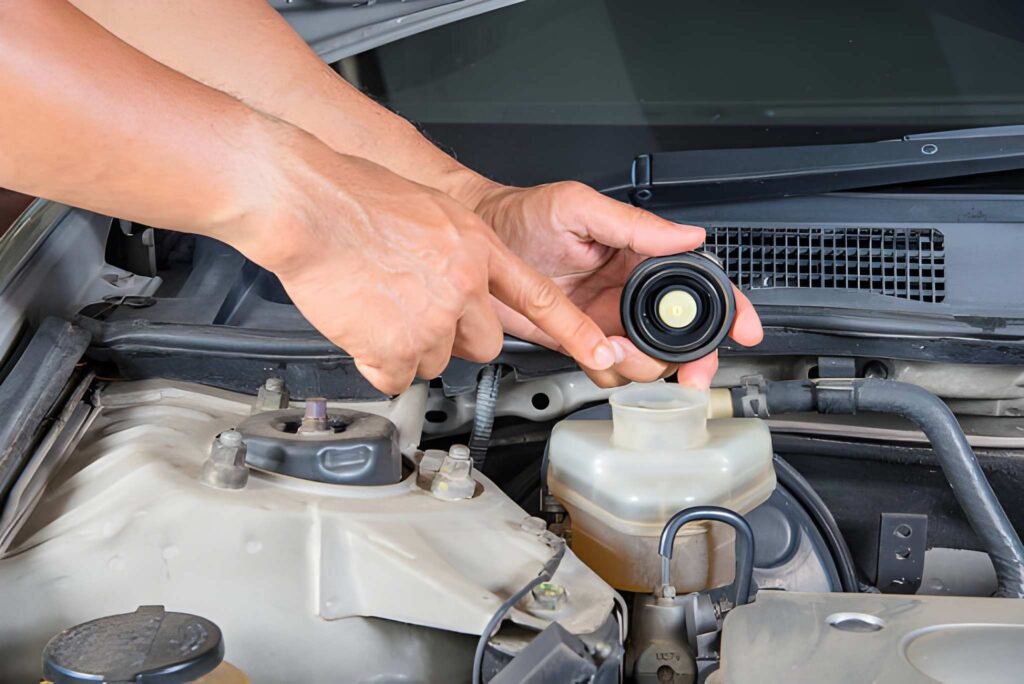
Moisture in brake fluid lowers its boiling point, causing brake fade and corrosion in brake components. Regular fluid changes prevent these issues.
Moisture contamination in brake fluid is one of the most common, and most overlooked, causes of failure in the braking system. It can greatly diminish braking efficiency, cause critical components to corrode, and introduce serious safety risks. This guide will help you understand moisture contamination in brake fluid and brake system performance.
We will help you understand how to identify moisture contamination and brake fluid maintenance, and how critical it is to your safety. Moisture contamination in brake fluid can be a secret killer to the brake system and brake system safety, and the importance of understanding it is great, especially for beginner car owners.

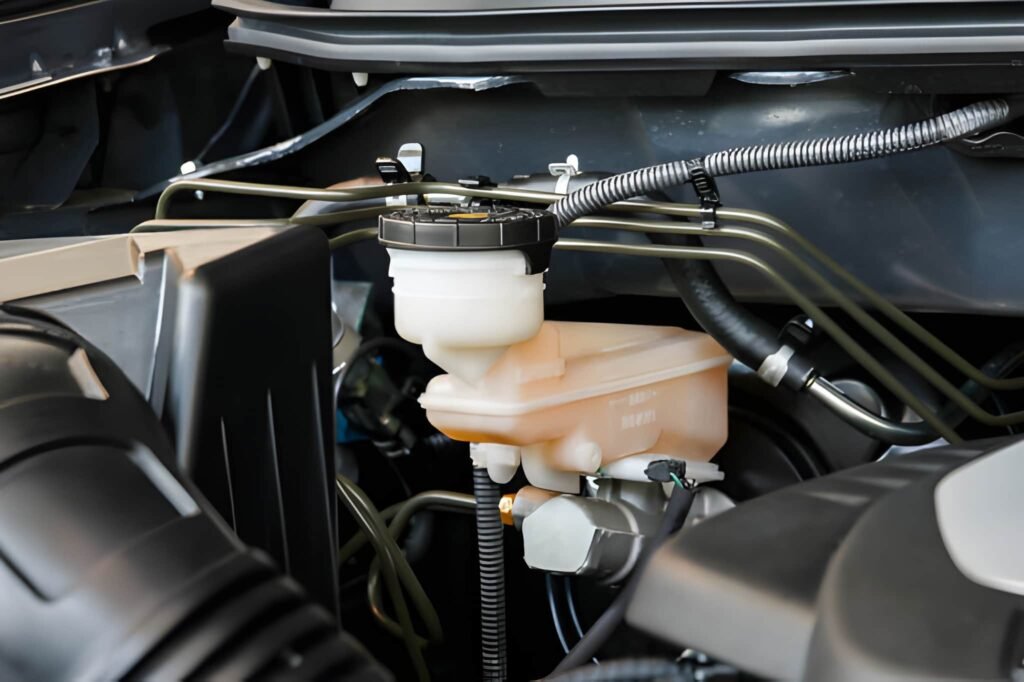
Contents
What is Moisture Contamination in Brake Fluid?
Moisture contamination in brake fluid is the water contamination that occurs when it mixes with the brake fluid. Brake fluid is designed to work in a sealed moisture free environment, but it also works with the natural sealing materials that make the system moisture free. The brake system seals and hoses will eventually fail and allow moisture to enter.
Brake fluid is naturally hydrophobic, but it does not make it moisture free. This can cause several issues including brake fluid performance and brake system performance. The more water that is in the brake fluid, the more problems it will cause.
What Is The Impact of Moisture in Brake Fluid?
Moisture in brake fluid impacts not only how well your brake system works but also how long brake components will last. Knowing the impact of moisture in brake fluid helps explain the need for routine brake fluid services.
1. Moisture Lowers The Boiling Point of Brake Fluid
Moisture in a brake fluid reservoir is a serious concern for brake fluid’s boiling point. Moisture lowers the boiling point of brake fluid. Under heavy braking, brake fluid can reach dangerously high temps. Because of this, moisture brake fluid can potentially reach its boiling point. Once brake fluid boils, it causes the formation of bubbles. Under heavy braking, this can result in braking systems that lose hydraulic pressure, which can lead to increased brake fade. This is very dangerous in an emergency situation.
2. Corrosive Effects on Brake Parts
When brake fluid absorbs moisture—and it always does—it will lead to rust and corrosion on brake components like the master cylinder, brake lines, and brake calipers. It will break down these parts, and lead to expensive repairs and brake system corrosion issues. The issue also affects the ABS (Anti-lock Braking System), and other safety components of your vehicle that use hydraulic brakes.
3. Poor Brake Performance
Moisture contamination in brake frequently produce poor performance. Brake fluid, like other hydraulic liquids, gets moisture contaminated. The contaminated fluid reduces the braking system’s efficiency, and will produce a soft and spongy feel of the brake pedal. In extreme cases, the braking performance is so poor it produces an unsafe environment.
4. Increased Wear and Tear
Moisture in brake fluid contributes to brake system components. Not only does it promote corrosion. Moisture also causes brake fluid to degrade faster. This will lead to more frequent brake fluid changes and will increase maintenance costs over time.
How Does Moisture Get into Brake Fluid?
There are several sources of moisture contamination. These include:
Seal and Gasket Deterioration: The brake fluid systems are sealed to prevent moisture contamination. However, deterioration of seals and gaskets can occur, and moisture can then enter the system.
Hydroscopic Brake Fluid: Most, if not all, brake fluids, including DOT fluid, are hydroscopic. This means they can absorb moisture from the atmosphere. This means that if the brake fluid reservoir cap is left sitting, the fluid will absorb moisture.
Environmental Conditions: Areas with high humidity, especially in wet and coastal regions, can absorb moisture brake fluid rapidly. The brake fluid absorbs moisture when it is exposed to air and moisture.
Age of Brake Fluid: The older the brake fluid, the more susceptible it is to moisture. Brake fluid, over time, becomes less effective, and it prone to moisture contamination.
How Can you Find Moisture in the Brake Fluid?
Detecting moisture in brake fluid is essential because it can cause serious issues in the brake systems. Here are some methods on checking the contamination of the brake fluid.
1. Brake Fluid Visual Inspection
The easiest way to check the brake fluid is to inspect the fluid inside the brake fluid reservoir. New brake fluid is clear or a light shade of amber. When brake fluid appears dark or cloudy, that fluid is most likely contaminated. Even though it may not be the most accurate method of moisture detection, it is a good way to check if the fluid is due for a replacement.
2. Using a Brake Fluid Tester
A brake fluid tester is a small instrument that can be dipped inside the brake fluid reservoir to check how much moisture is in the fluid. When there is an excess amount of moisture in brake fluid (more than 3-4%) the brake fluid must be replaced.
3. Check for Brake Pedal Feel
If the brake pedal feels spongy or soft, moisture may be present in the brake fluid. The air bubbles in the fluid decrease hydraulic efficiency, and creates that feeling of the pedal being less responsive.
4. Check for Brake Pedal Feel
Moisture in brake fluid may also be indicated by brake fade. Fade is when the brakes lose their effectiveness because of overheating, and when the brakes become less effective after repeating the braking process, the fluid should be checked for moisture.
The Benefits of Moisture-Free Brake Fluid
There are important advantages to preventing moisture contamination in brake fluid regarding vehicle safety and costs of maintenance:
- Better Response Time: Brake fluid free of moisture will ensure a quicker and more effective response when applying the friction brakes.
- Costly Repairs Are Avoided: Moisture free brake fluid allows the master cylinder, brake calipers, and the ABS system of the brakes to not corrode, therefore, costly repairs and replacements are less likely to be needed.
- Greater Peace of Mind: Brake fluid free of moisture guarantees that brake systems will perform to the fullest with no risk of brake fade/failure.
- Value is Realized With Regular Maintenance: Regular maintenance and a fluid change to remove moisture will save the customer costly repairs to the brakes.
Frequently Asked Questions
Here are some FAQs about moisture in brake fluid –
1. What causes moisture in brake fluid?
Over time, moisture is absorbed by brake fluid from the surrounding air, entering brake systems via seals and hoses.
2. How can moisture in brake fluid affect braking performance?
Moist brake fluid decreases its boiling point which could lead to brake fadd and a spongy brake pedal.
3. How can I check for moisture in my brake fluid?
A brake fluid tester can be used to measure moisture brake fluid, or, the brake fluid may appear cloudy or discolored.
4. How often should I replace brake fluid?
Replacing brake fluid every 2 to 3 years is suggested. If you drive in testing conditions, you should replace it more often.
5. Can I prevent moisture from getting into brake fluid?
Moisture contamination, to an extent, can be addressed by regular brake fluid changes, having the brake fluid reservoir sealed, and using good quality brake fluid.
Conclusion
Serious problems with braking can result from moisture in brake fluid, which can be easily overlooked and is rarely discussed. It decreases brake fluid’s boiling point, encourages corrosion, and decreases brake fluid’s efficiency and increases the rate at which parts of brake systems wear. Knowing the reasons and effects of moisture in brake fluid allows you to take preventative measures to keep moisture out of the brake fluid in your braking systems.
When brake systems are serviced and brake fluids are replaced regularly, it keeps the systems efficient and the stopping abilities of your vehicle safe, and, perhaps, the greatest of all, it prevents your vehicle from becoming a hazard on the road.


