


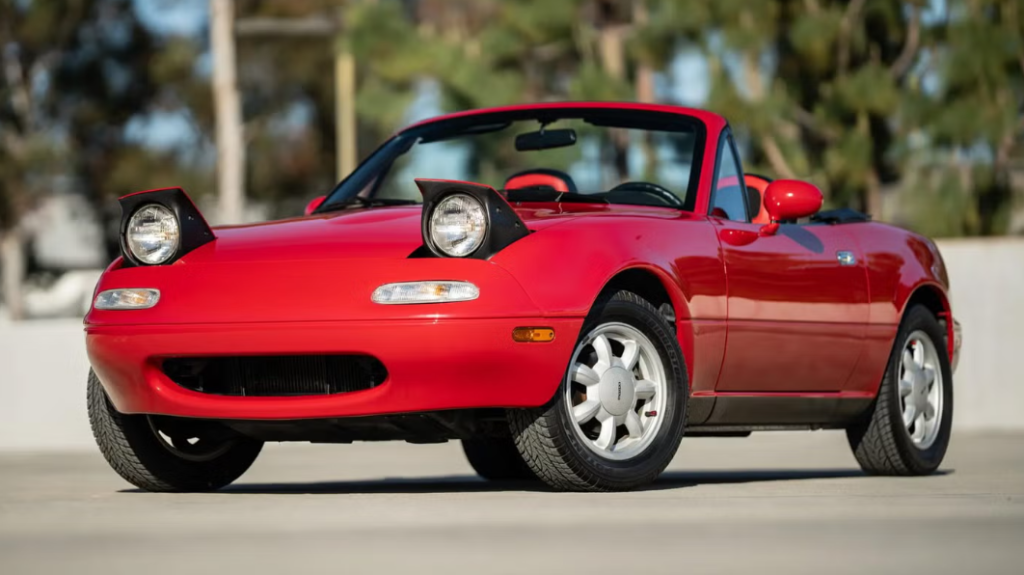
NA Miata engine noise can vary from harmless sounds to signs of mechanical issues. Common noises include ticking from worn lifters, knocking from detonation, or whining from the serpentine belt. Diagnosing the specific noise helps identify the underlying problem for proper maintenance.
The NA Miata model is known for it’s lightweight body style and easy to manage design from 1990 to 1997. Although it has a loyal fan club, every car has some known issues. Over the years there have been many NA Miata complaints and one of the complaints centers around engine sounds. These sounds could vary from one extreme to the other. It is very important that you understand the sounds your engine makes so that you don’t cause further damage to your engine.
This article is designed to further examine engine sounds on the NA Miata, how to determine the sounds you are hearing, and how to remedy the sounds. Whether you have just purchased a Miata or have one that has been in your family for a while, knowing the engine sounds is just one more way to ensure your Miata is well maintained.

Contents
Common NA Miata Engine Noises and Their Causes
Knowing NA Miata engine noise starts with recognizing the different sounds it can produce. Each noise can tell you something important about the condition of the engine and its components. Here’s a breakdown of the most common engine noises and what they typically indicate:
1. Ticking or Tapping Noise
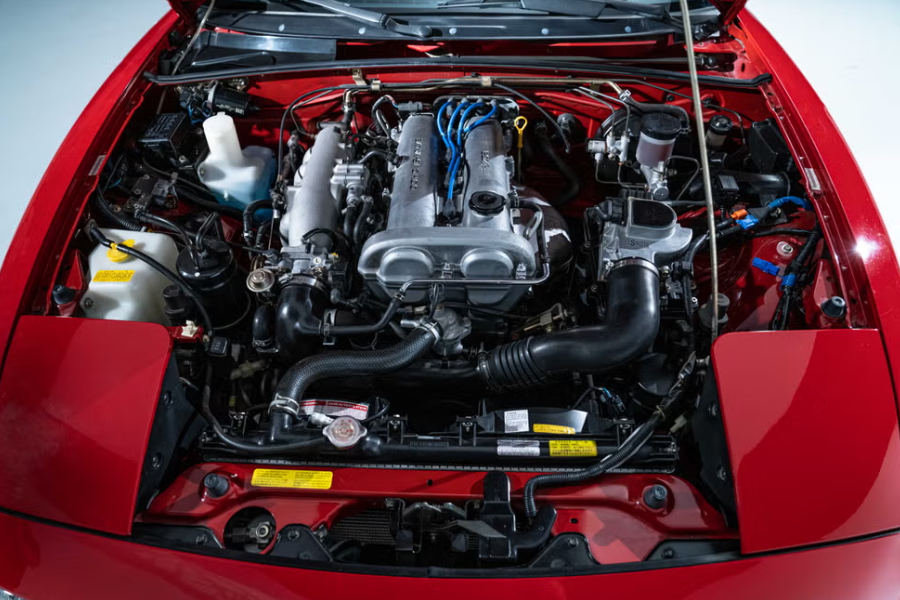
A ticking or tapping noise is one of the most common engine sounds in the NA Miata. This noise typically comes from the top of the engine and is especially noticeable at idle or during light acceleration. Here are the potential causes:
- Lifter or Valve Tappet Noise: The ticking sound can often be traced to worn hydraulic lifters or valve tappets. These components regulate the valve clearance in the engine, and when they start to wear out, they can cause a noticeable ticking sound as they struggle to make proper contact with the camshaft.
- Low Oil Pressure: Another common cause of ticking is low oil pressure. The hydraulic lifters need a constant supply of oil to maintain proper function. If the oil level is too low, or if the oil is dirty and no longer effective, it can lead to inadequate lubrication, causing the lifters to tick.
- Worn Camshaft or Timing Components: If the camshaft or timing components become worn or loose, it can lead to a ticking sound. This could be an indication that your camshaft is no longer properly timed, which could result in a performance drop.
Solution: Start by checking the oil level and quality. If the oil level is low, top it up with the manufacturer-recommended oil. If the noise continues, you may need to replace the lifters or valve tappets. In severe cases, it may be necessary to inspect the camshaft and timing components for wear.
2. Knocking Noise (Detonation or Pinging)
A knocking or pinging noise is another common issue with the NA Miata, especially under acceleration. This metallic rattle or clunking sound can signal a more serious issue. The potential causes include:
- Detonation or Pre-Ignition: This happens when the air-fuel mixture in the combustion chamber ignites prematurely. This can be due to the engine’s timing being off, using low-octane fuel, or having a lean air-fuel mixture.
- Worn Piston Rings or Bearings: If the knocking persists, it could be caused by worn piston rings, damaged bearings, or other internal engine components that are no longer functioning properly.
- Overheating or Poor Cooling: Sometimes, overheating or poor cooling can cause detonation and knocking noises. If the engine is not receiving proper cooling, the combustion chamber can get too hot, causing the air-fuel mixture to ignite too early.
Solution: First, try using higher-octane fuel, especially if you’ve been using regular-grade fuel. Also, check the timing and air-fuel mixture. If knocking continues, have the piston rings, bearings, and internal engine components inspected by a mechanic.
3. Whining or Squealing Noise
A whining or squealing noise that occurs during engine operation is often associated with belts and pulleys. Here’s what could be causing it:
- Serpentine Belt Issues: The most common source of a whining noise in the NA Miata is a worn-out or loose serpentine belt. The serpentine belt is responsible for driving essential components like the alternator, power steering pump, water pump, and air conditioning compressor. If this belt is slipping or worn, it will cause a high-pitched squealing sound.
- Alternator or Power Steering Pump Problems: A failing alternator or power steering pump can also produce whining noises. These components rely on bearings that wear over time, causing friction and noise when they’re no longer working efficiently.
- Water Pump Issues: If the water pump is on its way out, it may make a whining or groaning sound due to a malfunctioning bearing inside the pump.
Solution: Inspect the serpentine belt for wear, damage, or looseness. If the belt is cracked or worn, replace it. If the problem persists after replacing the belt, check the alternator, power steering pump, and water pump for failure and replace any faulty components.
4. Engine Hissing Noise
An engine hissing noise typically sounds like air escaping and is often accompanied by a loss of power. This noise is commonly caused by:
- Vacuum Leaks: A vacuum leak occurs when there’s a break in the vacuum hoses that connect various engine components. This can lead to a hissing sound as air escapes, and the engine may run rough or have a poor idle.
- Coolant Leaks: If the cooling system is leaking, you may hear a hissing sound as coolant vapor escapes from a damaged hose or radiator. This can also result in engine overheating if not addressed.
Solution: Inspect all vacuum lines and hoses for cracks or leaks. If you find any issues, replace the damaged hoses. Also, check the cooling system for leaks and address any coolant-related issues immediately.
5. Rough Idle or Misfiring Noise
A rough idle or misfiring noise is often a sign of engine performance issues. The sound may resemble popping or sputtering and could be caused by:
- Worn Spark Plugs: Dirty or worn spark plugs can lead to misfires, which result in a rough idle and noisy engine operation. Misfiring often causes the engine to shake or vibrate.
- Ignition Coil Failure: If the ignition coil is failing, it can cause the engine to misfire, creating popping noises. This typically occurs when one or more cylinders aren’t firing correctly.
- Fuel System Issues: A malfunctioning fuel injector or fuel system problem can cause uneven fuel delivery, leading to rough idling and misfires.
Solution: Inspect the spark plugs and ignition coils. If the spark plugs are dirty or worn, replace them. If the ignition coil is failing, replace it. Additionally, check the fuel injectors for any signs of clogging or failure.
How to Diagnose NA Miata Engine Noise
Diagnosing engine noise from your NA Miata requires examining the source, timing, and frequency of the sound. Here are a few actionable tips that can help identify the problem:
- Listen Closely: Focus on the moments the sound occurs. Does the noise happen during idle, or during fast and slow acceleration, or while carrying a load? Is the sound consistent, or only present during certain engine speeds?
- Oil Check: Oil is one of the first substances to be diagnosed when engine noise is present. Low levels of old, dirty oil can produce ticking and knocking. Verify the oil level and change the dirty oil if necessary.
- Belt Inspection: If the sound is coming to the front of the engine, inspect the serpentine belt and worn pulleys. A belt in this condition causes squealing and whining.
- Leak Inspection: A vacuum or coolant leak can produce hissing sounds. Check vacuum hoses, coolant hoses, and air hoses.
- Mechanic’s Stethoscope: Mechanic’s stethoscopes are used to pinpoint the exact source of the noise. This tool concentrates sound on specific parts of the engine making it easier to pinpoint the source of the sound.
- Look for Error Codes: Check the vehicles computer for error codes. This can help locate problems such as misfires or problems with the ignition system.
Frequently Asked Questions
Here are some FAQs about the NA Miata engine noise –
- Why is there a ticking noise coming from my NA Miata engine?
Ticking noises are the result of worn lifters, oil pressure that is too low, or dirty oil. Check the oil and if the oil is dirty, you may have to replace the lifters.
- How to solve knocking problems in Miata engines?
The knocking sound in an engine could be caused by problems in pre-ignition or detonation. The first few steps you should take are to change to a high-octane fuel, check the engine’s ignition timing, and ensure that the fuel mixture is correct. If the problem continues, you may have to check for wear in the internal components of the engine.
- What causes whining noises in NA Miatas?
Whining noises in a vehicle may be caused by a worn down serpentine belt, a failing alternator, or there may be a problem with the power steering pump. Check the belt and replace it if it is the problem, and check the alternator and power steering pump to make sure they are not contributing to the issue.
- What are the hissing sounds coming from the engine?
One of the most common reasons for hissing sounds in an engine is a vacuum or coolant leak. To fix the problem, make sure to check various vacuum hoses and the coolant hoses for any sign of damage or leaking, and replace any hoses that you see as problematic.
- How can I fix rough idle or a misfiring engine?
Rough idle and misfiring engines are usually the result of failing ignition coils or in this case, dirty spark plugs. To fix the problem make sure to inspect and change the spark plugs, and replace the ignition coil, and other components in the fuel system to check for any faulty parts.
Conclusion
Every NA Miata owner will at some point experience some form of engine noise. It is essential to know which noises are normal, and which noises indicate a problem. High performance NA Miatas will have engine noise. Distinguishing what type of noise is present is key along with identifying the problem early on. This will help the Miata retain its performance.
Whether it be a ticking noise from the lifters, a knocking noise due to detonation, or a squealing noise from a belt, identifying the noise will help you fix it. This is crucial to keeping the NA Miata running at an optimal level. NA Miatas will have engine noise and with the proper maintenance, and early repairs engine noise will not become a larger issue.


