


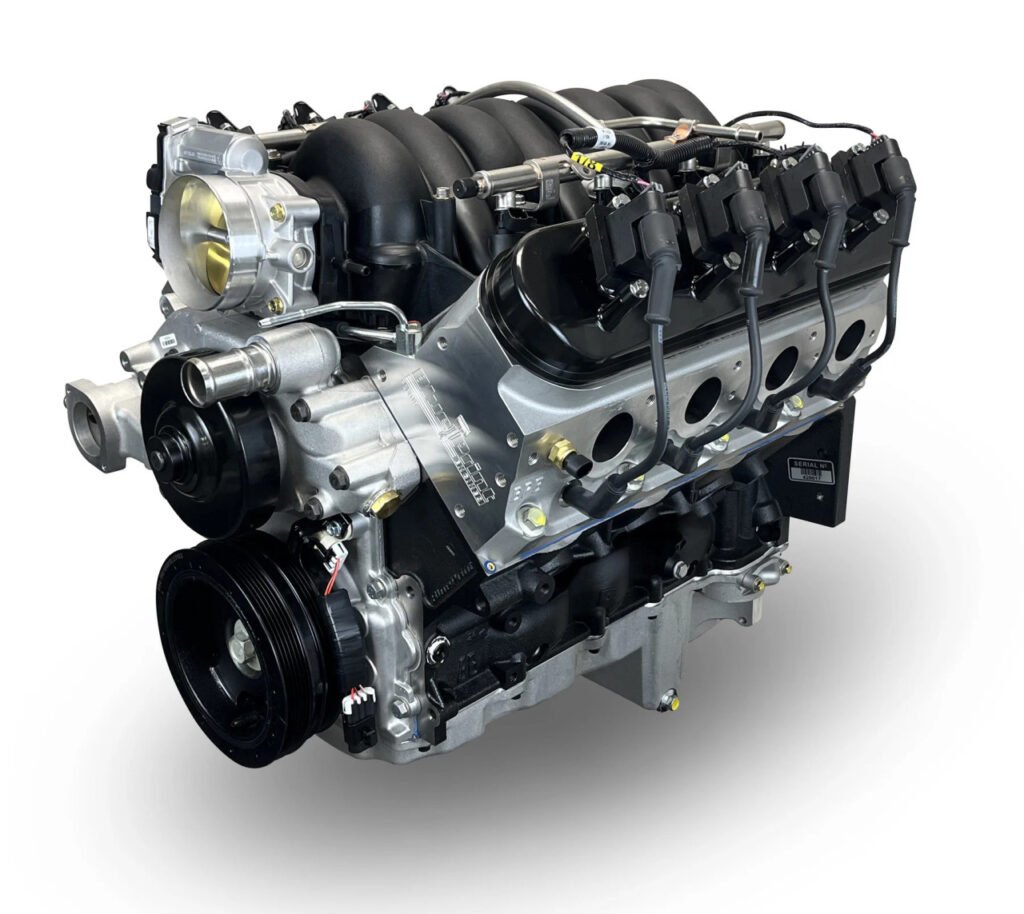
NHRA engine blueprint spec defines the required measurements and parts for Stock and Super Stock engines, ensuring fair competition. It helps maintain engine legality during NHRA inspections.
In drag racing, and especially in NHRA (National Hot Rod Association) racing, it is necessary to give a level playing field. At this point the NHRA blue print engine spec comes in. These blueprint specification provides the engine builders with a precise list of specification to be adhered to ensure that their engines meet the rules and regulations of Stock and Super Stock classes. They determine the dimensions of the engine block in every aspect, and the casting numbers, the profiles of the camshaft, and other important engine components.
When making preparations on an NHRA event, it is necessary to read and adhere to such blueprint specifications so that no engine is illegal, operates to its best and can pass the inspection without any questions. Every engine is inspected by the team of NHRA to make sure that it does not exceed these limits and failure to do so can result in disqualification or penalty.
This post will be discussing relevance of NHRA blueprint specs, how they are used in the engine building, and the specific components that are covered.

Contents
- 1 What do you Mean by an NHRA Blueprint Spec Engine?
- 2 Why Are NHRA Engine Blueprint Specs Important?
- 3 How NHRA Engine Blueprint Specifications Are Organized
- 4 Valuing NHRA Engine Blueprint Inspection
- 5 New NHRA Engine Blueprint Specs
- 6 NHRA Engine Blueprint Specs Myths
- 7 What Should be done to Make the NHRA Engine Blueprint Specs Compliant
- 8 Conclusion
What do you Mean by an NHRA Blueprint Spec Engine?
The NHRA engine blueprint spec is a detailed list of measurements, parts and tolerances, that define the legal specifications of an engine to be used in Stock and Super Stock racing in NHRA races. The reason why these specifications have been made is to ensure that all the engines installed in such classes are produced within some reasonable factory specifications. Such specifications make sure that the level of competition is balanced as any changes made cannot be applied to establish an unfair advantage.
Key Components of the Blueprint Spec
- Casting numbers: These are the figures which are stamped on the components of the engine whether they are the block or the heads and which identify that they are original and are of factory standard.
- Cylinder head dimensions: The specification involves the volume size that can be contained, valve size and port size of the cylinder heads.
- Bore and stroke: The maximum bore and stroke length is used to make the engine the correct size.
- Parts lists: Parts list of parts that can be used as aftermarket parts, including pistons, camshaft and other internal engine components.
- Engine block specifications: It entails the composition of the block, casting numbers, and other physical traits of the block.
Why Are NHRA Engine Blueprint Specs Important?
The NHRA blueprint specs have been designed to keep the engines in Stock and Super Stock classes as near to factory specifications as possible and limited changes only are allowed. Under such specs, NHRA officials can ensure that no racer will be having unfair advantage due to the assistance of the non-stock or highly modified parts. These requirements are useful in controlling spending in the sport by limiting the number of aftermarket parts and custom modifications to be undertaken.
The blueprint specs also state that all the engines are checked on compliance during the technical inspection at the NHRA events. This helps the rivals to be confident that they are entering a level playing field.
How NHRA Engine Blueprint Specifications Are Organized
The spec documents of the NHRA engine blueprint have been classified into some categories whereby they are easily referred to. These types allow searching the information that the builders and the inspectors need within a short period of time.
1. Engine Block Specifications
The dimensions of the engine block are significant such as:
- Bore size: This refers to the maximum size of the cylinder bore that defines the size of the engine displacement.
- Deck height: This is the height between the centerline of the crankshaft and the block top.
- Block casting numbers: block casting numbers are special numbers that are stamped on the block showing the source of the engine and whether it meets the stipulated specifications of the factory.
2. CHD Specifications
Cylinder head specs define:
- Valve sizes: Size of intake and exhaust valves is restricted to a maximum.
- Volume of combustion chamber: This is the volume of the combustion chamber and it aids in the determination of compression ratio.
- Casting numbers: similar to the engine block, the cylinder head castings are numbered with a year, model and type of the head.
3. Intake and Exhaust Components
Other details contained in the blue print:
- Intake manifold: The design and casting of the intake manifold.
- Exhaust manifolds: The nature and amount of the number of castings of the exhaust manifold or the exhaust headers used on the engine.
These parts must meet some size requirement to fit in their original engine design.
4. Camshaft Specifications
Camshaft specs define:
- Lift: This refers to the maximum height that the camshaft gives the valve.
- Duration: This is the amount of time that the valve remains open and this affects the performance of the engine.
- Timing: This is the moment in time when the valve will close and open relative to the position of the crankshaft.
The NHRA rules are very rigid on the camshafts that may be applied in the Stock and Super Stock engines and it does not permit any modifications that will result in an increase in the engine performance.
5. Certified Aftermarket Components
The specification blueprint contains as well:
- Pistons: There are acceptable types of pistons, with acceptable tolerances.
- Crankshafts: Data regarding the crankshafts permitted, balancing and dimensions.
- Rods: Specifications on admissible connecting rods.
These parts must be very quality so that the engine can work within the limits that are provided by factory.
Valuing NHRA Engine Blueprint Inspection
The engines used in the racing are thoroughly checked by NHRA to ensure that they fit the blueprint criteria. During this kind of inspection, race officials check the following:
1. Visual Inspection
It begins with the visual inspection of the engine by the officials. They examine that it has the right casting numbers and that all the parts are to the specification of blueprint. Any part, that is not in line with the blueprint, can result in fines or disqualification.
2. Key Components Measurement
The key measurements are made on head size of the cylinder, bore size, and the profile of the camshaft that are measured by using precision tools. The blue print requirements are compared with these values to ensure that the engine does not exceed the acceptable tolerances.
3. Teardown Inspection
In others it may require a complete overhaul of the engine. This allows the officials to examine internal components such as pistons, rods and crankshafts. Tear down check is necessary in which the compliance of the engine is doubted with the blue print specifications.
New NHRA Engine Blueprint Specs
The NHRA is continually updating the blueprint specs since technology, parts, and standards of racing change. Some of the recent developments are:
- New aftermarket parts allowances: The NHRA has updated a list of parts that are approved as aftermarket parts to ensure that new technologies and innovations in engine parts are also mentioned in the specs.
- Refinement of the dimension of cylinder head and camshaft: As the performance parts have developed, the NHRA has intervened in refining the tolerances of the camshafts and the cylinder heads to keep up with the technological advancement without rendering it too hard to compete.
- New engine block casting numbers: The alteration in the authorized casting numbers will help in keeping up with the changes in the manufacturing process so that the competitors are installing the right factory parts to their engines.
These updates render the racing competitive and make the sport developed as per the technological advancements.
NHRA Engine Blueprint Specs Myths
Many racers and builders make mistakes when interpreting the NHRA engine blueprint specs. This section will address the most common misunderstandings to help ensure you’re following the rules correctly and avoid costly errors.
1. The Confusion of Aftermarket Parts and Stock Components
Among the most common mistakes are getting the aftermarket parts that are designed to be compatible with the blueprint to be considered as unapproved changes. Just to be on the safer side, the parts that are not on the official list of acceptable parts should never be used since they can disqualify the engine.
2. Failure to Make Minor Concessions
Blueprint specifications are highly inflexible. Even a slight difference in the required size and form would make an engine be deemed as illegal yet the piece would look like that which the factory provided. It is necessary to take measures and pay attention.
3. Revisions to Specifications are Ignored
NHRA specifications are occasionally modified and racers do not follow the modifications. Another aspect that should be remembered is to keep pace with the changes and even minor changes like alteration in the engine performance or legality may have a tremendous effect on the engine performance.
What Should be done to Make the NHRA Engine Blueprint Specs Compliant
To keep in the NHRA engine blueprint specifications:
Stay informed about the new developments in the blueprint: NHRA does update the specs, so you must be aware of the latest one.
Install approved third-party parts: The parts that are installed must be those that are included in the blueprint specification to avoid installing illegal parts.
Measure: To ensure that important parts of the engine are as per the blueprint, it is always important to measure important parts of the engine like bore size and valve lift.
Discuss with NHRA tech officials: When you do not know whether a part is to the spec, one has no obligation to be afraid of asking NHRA officials to expound.
Conclusion
The NHRA spec of engines blueprint is an obligatory component in the competitive and fair drag racing of Stock and Super Stock classes. Under these specifications, the racers can make engines that are also legal, high performing and also within the NHRA standards. Winning in NHRA drag racing as a professional or amateur racer is through the blue print specification.
Following the specifications, all the racers will get equal opportunity, the sport will not lose its integrity and the penalties will not be too costly. You should never be behind on the latest updates of the blueprint, you need to make sure that your parts are of the appropriate size, and you are also supposed to make sure that your engine is compliant with all the requirements of the NHRA.
The frequently asked questions (FAQs).
What is an engine blue print spec of NHRA?
The engine has a blueprint spec of an NHRA engine a complete document that is a description of the specification of the parts used, the measurements and parts that can be used in such engines.
How often do you update NHRA engine blueprint specs?
The engine blueprint specifications are periodically announced by NHRA to reflect new technologies, changes in parts which are available, and improvements in specifications, especially with regard to performance. (nhraracer.com).
)
What is the engine blueprint spec of NHRA?
The specification blueprint guarantees that the engines are of factory standards, healthy competition exists and there are no illegal modifications that can give certain racers a competitive advantage. (classracerinfo.com).
)
Can I use aftermarket parts in my NHRA engine?
Yes, since the parts are required to be listed in the official NHRA blue print spec. other otherwise unapproved aftermarket parts can lead to disqualification. (classracerinfo.com
)
So what will become of me when my engine fails to meet NHRA blueprints?
Any engine that is not in accordance with the requirements of the NHRA blueprint will be denied the opportunity to race or pay a fine. Never forget to comply checking parts and using correct parts.


