Parking brake shoe replacement is needed when the parking brake stops holding the vehicle or makes noise. Replacing the shoes restores brake function and ensures safety.
Many car owners ignore one very important maintenance task, and that is replacing the parking brake shoes. The parking brake (or handbrake) is very important for securing the car when not in use, and the shoes are part of that system. Because they are used frequently, the shoes wear out and replacing them is important to enable the parking brake to engage properly.
If your parking brake is not holding the car in place, or you hear sounds when you use it, it is likely time to replace your parking brake shoes. This guide covers the replacement process in detail, including how the system works and how to do it for yourself.
Contents
- 1 What are Parking Brake Shoes?
- 2 Signs You Need New Parking Brake Shoes
- 3 How to Replace Parking Brake Shoes: Step by Step Guide
- 3.1 Step 1: Safety First – Get the Vehicle Up in the Air
- 3.2 Step 2: Remove the Wheels
- 3.3 Step 3: Remove the Brake Drum
- 3.4 Step 4: Examine The Parts Of The Brake
- 3.5 Step 4: Examine the parking brake components.
- 3.6 Step 5: Remove the Old Parking Brake Shoes
- 3.7 Step 6: Installing the New Parking Brake Shoes.
- 3.8 Step 7. Reassemble the Brake System
- 3.9 Step 8. Test The New Brake System
- 3.10 Step 9. Adjust the Parking Brake (if necessary)
- 4 Frequent Problems Experienced When Replacing Parking Brake Shoes
- 5 Taking Care Of Parking Brake
- 6 Frequently Asked Questions
- 7 Conclusion
What are Parking Brake Shoes?
Before going into detail about the replacement process, it is important to review what parking brake shoes are, and why they are important.
What Do Parking Brake Shoes Do?
A parking brake shoe is one part of a drum brake system. Most of the time when you drive your car, you use disc brakes, but when it comes to parking brakes, they usually use drum brakes, as they work better for keeping a car from rolling. When you pull the parking brake lever, the brake shoe presses against the drum, creating friction to keep the car from moving.
There are made from a friction material that is usually a type of organic or semi-metallic compound. Like most car parts, this material wears out, and this can also hinder the overall efficiency of the parking brake system. Eventually the shoes will need to get replaced to make the parking brake work at full capacity again.
Where Are Parking Brake Shoes Located?
Parking brake shoes are usually located inside the brake drum on the rear tires. Not all cars use drum brakes for their parking brakes, a lot use disc brakes, but many cars, especially older cars or certain rear wheel drive cars still use drum brakes. When a car has drum brakes, the shoes are inside the brake drum and when the parking brake is engaged they push against the inside surface of the drum.
Signs You Need New Parking Brake Shoes
When you notice certain signs, it is time to replace the parking brake shoes. These signs will be problems and can lead to problems with safety and being able to properly park your car. Here are some faulty brake shoe signs.
1. Parking Brake Light is Still On
When you see that the parking brake light is still on, this is usually the first sign that it may be time for a replacement. The light may be stuck on and this can happen when the shoes are all worn out to the point that the system is unable to disengage properly.
2. Parking Brake Does Not Stop Car From Moving
If you release the parking brake and the car rolls with the parking brake still engaged, this means that there is no more friction to stop the car and the shoes have worn thin. This means that it will no longer be able to generate enough pressure to stop the car from rolling. The parking brake shoes have to be replaced.
3. Strange Noises When Engaging the Parking Brake
If you hear grinding, squeaking, or scraping sounds when you engage the parking brake, the brake shoes may be worn down. Sounds like that could also mean there’s debris stuck in the brake drum. When the drum is actively being used, some of the metal parts of the shoe may rub against the drum.
4. Loose or Spongy Parking Brake
If the parking brake lever or pedal feels loose, or if it feels spongy, that could also indicate worn down shoes. When the shoes wear down, they may not engage properly, causing the brake lever or pedal to feel loose or to travel farther than usual before the brake engages.
5. Visible Wear on the Shoes
If you have access to the brake drum, you can look for worn down parking brake shoes. Out of the parking brake shoes, some will have dirty or uneven brake friction material, but to do this, you will need to take off the drum and look closer.
How to Replace Parking Brake Shoes: Step by Step Guide
Replacing the parking brake shoes can be an easy job, even if you are a beginner. Still, you have to make sure you follow the right steps to make sure everything goes back together correctly. Here’s how to do it.
Tools and Materials Needed:
- Jack and jack stands
- Lug wrench
- Socket and ratchet set
- Brake shoe kit (specific to your vehicle model)
- Brake cleaner
- C-clamp or brake tool (optional)
- Torque wrench
- Rubber mallet (for drum removal)
- Screwdrivers
- Replacement springs (if necessary)
Step 1: Safety First – Get the Vehicle Up in the Air
Before you do anything, make sure that the vehicle is parked on a flat and stable surface. Then, you are going to set the parking brake and put on your safety gloves. Get the car jack and raise the back end of the vehicle. After you do that, put the jack stands under it to hold it up securely. You should never trust a jack to hold the vehicle. Always use jack stands when you are working under a car.
Since we’re on the topic of gear setups, let’s dive into the intricacies of brake system shoes replacement, shall we?
The following steps assume you already have the necessary tools, so let’s begin.
Step 2: Remove the Wheels
With a cross wrench, remove the two back wheels, so you can access the parts of the brakes. If you are replacing the shoes on both sides, make sure to remove both wheels, and place the wheels to the side so they don’t get in the way during the repairs.
Step 3: Remove the Brake Drum
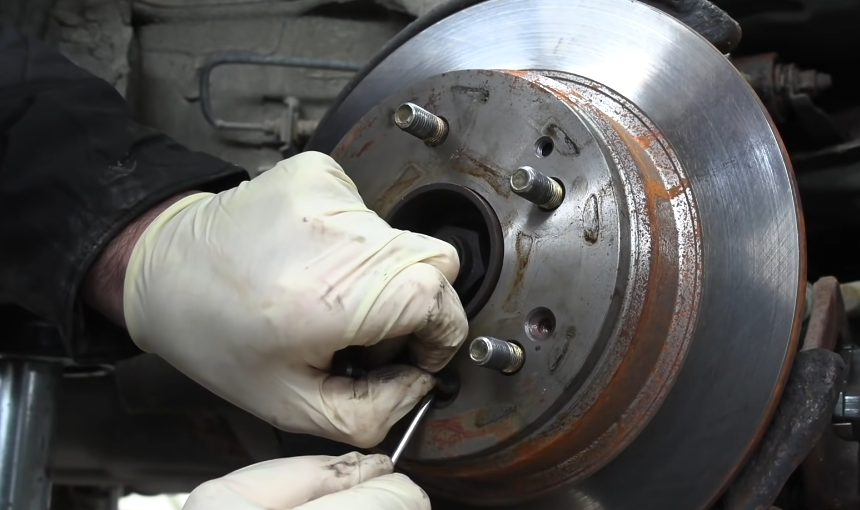
Now that the wheels have been removed, we have to get rid of the brake drum. Sometimes the drum can be stuck due to rust or debris. To loosen, use a rubber mallet and tap the edge of the drum, loosening it from the wheel hub. If the drum is still difficult to remove, you can put a tiny bit of brake cleaner or rust remover near the edges and try to remove it again in a few minutes.
Step 4: Examine The Parts Of The Brake
Once the drum is off, inspect the parts of the brake. Look on the surface of the drum and check to see if there’s any scoring or deep damage. The drum is damaged or deeply scored, it may need to be resurfaced or replaced.
Step 4: Examine the parking brake components.
At this point, take a look at the parking brake shoe, the springs, and the hardware. If any parts look burnt or ravaged, it is a good idea to replace them alongside the shoes.
Step 5: Remove the Old Parking Brake Shoes
To remove the old shoes, grab your socket wrench and disconnect any springs or hardware holding them in. You will generally come across a bunch of springs, clips, and retainers nuts that hold the shoes in place. Be careful, some of these components might be a little spunky.
When all the hardware is removed, carefully slide out the old parking brake shoes. Make sure you remember the position of the shoes, you will need to place the new shoes in the same configuration.
Step 6: Installing the New Parking Brake Shoes.
It is finally time to install the new parking brake shoes. Position the new shoes the same way the old shoes were positioned. Attach the springs and the nuts, the springs should be positioned a little jazzy. Make sure all the components are beach and check if the shoes are aligned able to move a little freely.
Step 7. Reassemble the Brake System
After you’ve placed the new brake shoes, start putting the brake system back together. Take the brake drum, and cover the new brake shoes over the hub. Put the wheels back in and tighten the lug nuts. Make sure you are within the manufacturer’s torque specifications.
Step 8. Test The New Brake System
Once everything is back in, start lowering the vehicle. When it’s back on the ground, test the new brake system. Before you start driving, engage the parking brake and test to see if the brake system holds the vehicle. When you release the parking brake, it should let the vehicle roll. Disengage the brake a few times to verify it releases smoothly.
Step 9. Adjust the Parking Brake (if necessary)
If the parking brake is too tight, or the brake is too loose, you might have some settling to do. To resolve this, you can adjust the brake cable which is stored under the vehicle, by the rear axle. Check the service manual instructions to adjust the parking brake cable as needed.
Frequent Problems Experienced When Replacing Parking Brake Shoes
It is usually quite easy to replace parking brake shoes, however, there are a number of issues that can occur during the process. Below are a few of the most common issues:
Sticky Brake Drums: Sticky brake drums can make the process of replacing parking brake shoes harder, especially if they are completely stuck. One way to try to fix this is to use a rubber mallet to crack it loose. If it is extremely stuck, applying penetrating oil or rust remover to the edge of the stuck drum can help. Just try to make sure that you aren’t damaging the drum, or any of the other parts that are close to it.
Incorrect Installation of New Brake Shoes: When you are removing the old brake shoes, pay close attention to how they are installed. New shoes need to be installed in the exact same positions and orientations as the old shoes. If this is not done, the brake shoes will not be able to hold the vehicle in place.
Worn Out Hardware and Spring Closures: While replacing parking brake shoes, you may also need to replace the old and worn out springs that are attached to the hardware closure. Worn out springs are also really important to replace, since they can cause other parts of the brake shoe to function improperly.
Old Brake Drums: If a drum looks worn with deep grooves or scoring, the drum should be replaced. If a drum is worn, a new drum shoe may cause the parking brake to fail.
Wrong Brake Shoe Alignment: Uncentered parking brake shoes cause inconsistent brake action. Confirm all shoes are centered in the drum, and that the friction material makes adequate contact with the inner drum.
Taking Care Of Parking Brake
After changing the parking brake shoe, keep the system in good shape with these tips –
- Look for signs of wear: If you see signs of wear or decreased braking power, check the parking brake shoes.
- Cleaning the brake system: Dust, dirt, and moisture decreased system efficacy. To avoid this issue, clean components regularly.
- Add lubricant: Moving parking brake parts should be regularly lubricated. Don’t add too much as grease is a dirt attractor.
- Adjusting Cable Tension: The tension on the cables for your car’s parking brake may need to be adjusted. To ensure the brake’s performance is consistent, make adjustments to the cable’s tension as needed.
Frequently Asked Questions
Here are more asked parking brake shoe replacement questions –
1. How can I tell that the parking brake shoes need to be replaced?
The parking brake may need shoes replaced if the parking brake is unable to stop the car, the brake light is on, or you can hear sounds when the brake is in use.
2. Is it possible to replace the parking brake shoes myself?
If you have the needed tools and some experience with car mechanics, you can replace your car’s parking brake shoes.
3. How much do parking brake shoes cost to replace?
Depending on the car model, the part cost can be anywhere from $50 to $150. Labor costs can then add $100 to $200.
4. How long does it take to replace parking brake shoes?
On average, replacing parking brake shoes can take anywhere from 2-3 hours. This highly varies by your skill and the car model.
5. What do I do if the parking brake isn’t holding the car?
If the parking brake isn’t holding the car, the most likely reason is the shoes have become worn and need to be replaced. You need to do an inspection and replace the shoes if that is the problem.
Conclusion
Replacing shoes on the parking brake is vital to your car’s braking system. If you are having problems with your parking brake being loose, squeaking, or not gripping the vehicle, these shoes can help. Following these guidelines can help you replace the brake shoes on your own without the expense of taking your car to a mechanic. If you are having trouble with any of the steps, make sure to ask a trained mechanic for help.