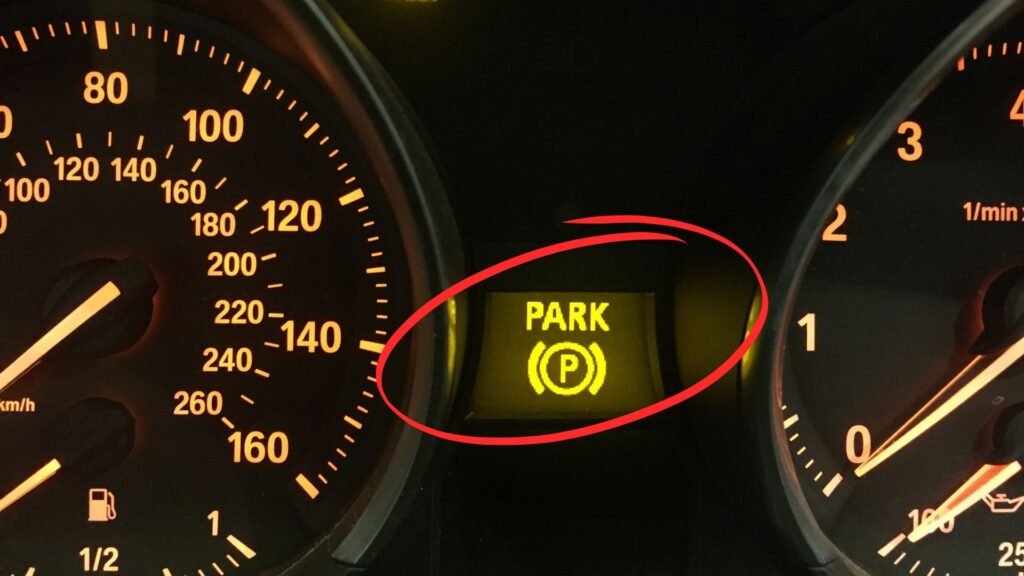
The parking brake warning light shows when the parking brake is engaged or there’s an issue with the brake system. If it stays on, check for low brake fluid or other brake-related problems.
The parking brake warning light is one of the most prevalent indicators on a car’s dashboard, yet many drivers are confused by what it means. The lights on a car’s dashboard should never be ignored, even if they seem harmless. The lights that turn on when a car is driving indicate that parts of the car are getting worn down. The brake light, also known as the parking indicator, can mean that the parking brake is engaged or that the braking system is malfunctioning.
New drivers and seasoned drivers alike should understand this light and the ramifications of ignoring it. The only thing that an engaged parking brake does is wear down brake components slowly. A malfunctioning brake system can introduce a new level of danger to driving.
This guide will explain what the parking brake light means as well as possible troubleshooting approaches and what should be done to fix the problem.
Contents
What is the Parking Brake Light?
The parking brake may warn you with a light showing a circle with a P or a car with a “!” in it. In many cars it lights up when you set the parking brake. In newer cars, it can mean something more complex, usually related to the brake system.
The parking brake light is a reminder that you need to check the system and make sure everything is operational. The parking brake is a critical part of the safety systems of a car. It stops the car from rolling when it is parked, especially on hills, and it can be used like an emergency brake in some cases.
What makes a parking brake warning light turn on?
There are many different potential issues that can cause the parking brake warning light to turn on, and each of them is unique and requires different steps to resolve.
1. Engaged Parking Brake
The parking brake warning light has the simplest explanation: the parking brake tends to stay engaged. If you start driving and the brake hasn’t automatically released, it could be due to older model vehicle features. Some vehicles do not automatically disengage without the driver releasing a lever, or step, to the brake pedal.
What You Can Do: In the case that the brake remains engaged: release the brake. Before driving, check that the parking brake lever has been released, or the pedal has been stepped on. If the warning light remains on after doing this, try pressing the brake pedal a few more times, or tap the lever gently.
2. Low Brake Fluid
Another trigger for the parking brake warning light is low brake fluid. Brake fluid operates the brake system, including the parking brake and the main hydraulic brakes, and when it’s level is low, the system malfunctions and the warning light is triggered.
How to Fix: To check the brake fluid level, look for the brake fluid reservoir under the hood and check the fluid level. If the level is low, add more fluid. Refer to your car’s owner’s manual for the correct fluid type. If you constantly have the refill the brake fluid, this might signal a leak, and your braking system should be checked by a professional.
3. Bad Brake System Parts
The brake system is made up of several different components parts, including the brake pads, brake lines, and brake calipers. If any of these parts are damaged or worn out, it can also trigger the parking brake warning light.
How to Fix: Worn brake pads or damaged lines are problems that have to be addressed either by a mechanic, and corrective actions must be completed. One of the most important things to do is to make sure you take the time to do regular braking system maintenance.
4. Bad Parking Brake Sensor or Electric Problems
Most modern cars today have an electronic control system that manages the parking brake sensors. If there is a sensor malfunction, the warning light can come on even if the brake itself does not have a mechanical problem.
How to Fix: If you think there is an electrical problem, you need to go to a mechanic that works with electronic brake systems. It can be the parking brake sensor or the parking brake wires that are bad. A qualified tech will have the special tools needed and the experience to properly diagnose and repair the issue.
5. Problems with the Parking Brake Cable
The parking brake system is usually assembled with a physical cable that connects the brake lever or pedal to the brakes. Over time, this cable can stretch, fray, or even break. With a parking brake cable that is broken or too long, it will not allow the brake to fully disengage and will cause the warning light to remain on.
How to Settle: If the parking brake cable is broken or is not functioning properly, it is required to be repaired or replaced. If the parking brake lever is loose or doesn’t engage properly, the cable may be the problem. A mechanic can examine the cable, and replace it if needed.
How To Deal With Parking Brake Warning Signs
If you get parking brake warning lights, here’s what you should do: check, step by step.
Step 1: Is the Parking Brake on
First check if the parking brake is on. Pull the brake lever or step on the brake pedal if it’s still in the “on” position. Make sure anything attached to the lever that indicates is disengaged. Some cars require you to tap the brake lever or step on the pedal to really let go.
Step 2: Check Brake Fluid
If the parking brake is off and the warning light is still on, check how much brake fluid is in the container. The warning sign may indicate that the fluid is too low. To check the fluid you need to find the brake fluid container. It’s normally under the hood, the cap should say “brake fluid” or have a brake sign on it to indicate it.
In case there is not enough fluid in the reservoir, fill it with the correct brake fluid as indicated in the manufacturer’s guide. Ensure that the reservoir is not overfilled. If the fluid levels drop consistently, it means there is a leak in the brake system that requires the attention of a professional.
Step 3: Look Over the Brake System
If both the parking brake and the brake fluid levels are good and the light is still on, there could be a more serious issue with the brakes. This could be because of worn brake pads, faulty brake lines, or problems with the brake calipers.
Your brake system needs to be examined by a certified mechanic to see if there are any issues that pose a danger. It is important to regularly inspect and maintain the brake system.
Step 4: Look Over any Possible Electrical Problems
When the parking brake is electronic, there may be a problem with the sensors or the brakes’ electrical system. If nothing is wrong with the mechanical system and the fluid levels are good, but the light is still on, it may be time to see a mechanic that works with electronic brake systems.
The wiring problems and sensors need specialized equipment to diagnose and fix.
Step 5: Look for Professional Assistance
If none of the previous steps worked, now is the time to consult a mechanic. Problems with brake systems are deep and, more often than not, require specific knowledge to tackle. Issues with brakes are a problem you shouldn’t ignore, as the problem could compromise your safety.
How to Avoid Having the Parking Brake Warning Light Come On
While some problems are unavoidable, some measures can be taken to avoid the warning light because of problems with the parking brake.
1. Routine Brake System Maintenance: The most important thing to do, and do regularly, is to maintain your brake systems. Inspect the whole systems to know if the brake pads, lines, and fluid levels are in perfect order. Most cars need a brake inspection every 12,000 to 15,000 miles, but you should check your car manual for the manufacturer’s specific recommendations.
2. Fully Release the Parking Brake: Make sure your parking brake is completely released before getting on the move. If the parking brake is still engaged, the warning light can still go off. Be careful when engaging and disengaging the parking brake so the brake system does not get damaged.
3. Replace Old Brake Parts: If your brake pads, cables, or fluid show signs of age, get them replaced. If you don’t do these repairs, you can face big problems like failing brakes and a lit parking brake warning light.
4. Don’t Use the Parking Brake Too Often: It is important to use the parking brake when you are on an incline or staying still for a long period of time, but don’t use it too frequently. Using the parking brake too often on flat land can seriously damage the system, causing big problems.
5. Be Careful How You Drive: Things like sudden braking or use of the emergency brake when it is not needed can wear the brake system out, and these are driving behaviors you should focus on changing. Also, don’t leave your car in gear or in “Park” for a long time on hills, as this can push the parking brake a lot more.
When Should You Seek Professional Help?
Some situations need immediate professional help – ignoring them could mean unsafe driving conditions.
- The warning light for parking brake stays on even after the parking brake is released.
- You notice some weird noises when you are engaging or releasing the parking brake.
- The car starts rolling even when the parking brake is on.
- You notice other sign of the brake system malfunction, like sluggish braking.
Its always best to drive safe. Any parking brake issues pose dangerous risks on the road, more so when the braking system fails when you need it the most. If the issue is persistent, ensure you have it checked by a professional.
Answers to Some Questions
Here are some FAQs about the parking brake indicator light –
1. What does it mean if the brake indicator light is on and the brake is released?
This could mean that there is insufficient brake fluid, a defective sensor, or brake system problems. You should always check the fluid and look over the brake systems.
2. Is it possible for the defective brake sensor to activate the parking brake warning light?
Definitely. Today’s cars use a lot of sensors. A defective parking brake sensor could activate the warning light.
3. What is the procedure to remove the parking brake indicator light?
Parking brake indicator light should turn off by etc, of its own when the problem is fixed. For example, if you add brake fluid or remove the parking brake. If the light continues to be on, the brake system may need to be looked over by a mechanic.
4. Is it safe to drive with the parking brake warning light on?
This will depend on the cause of the light. Malfunctioning brakes systems can cause the light to turn on, making it unsafe to drive. Always address this issue without delay.
5. How can I tell if my parking brake cable is damaged?
With a damaged parking brake cable, the lever may feel spongy, and will not engage. If you notice these problems, the cable should be checked by a professional mechanic.
Conclusion
The parking brake warning light is very important for the safety of your car, and its proper functioning. It can signal a very simple issues like the parking brake being on, or it could signal serious problems within the brake system. Ignoring the warning light could potentially compromise your braking system, and drastically increase your repair costs.
If you see the parking brake warning light, then check the brake system, brake fluid and confirm the parking brake is completely disengaged. There light is there for a reason and by ignoring it you can put you and your car in danger.