


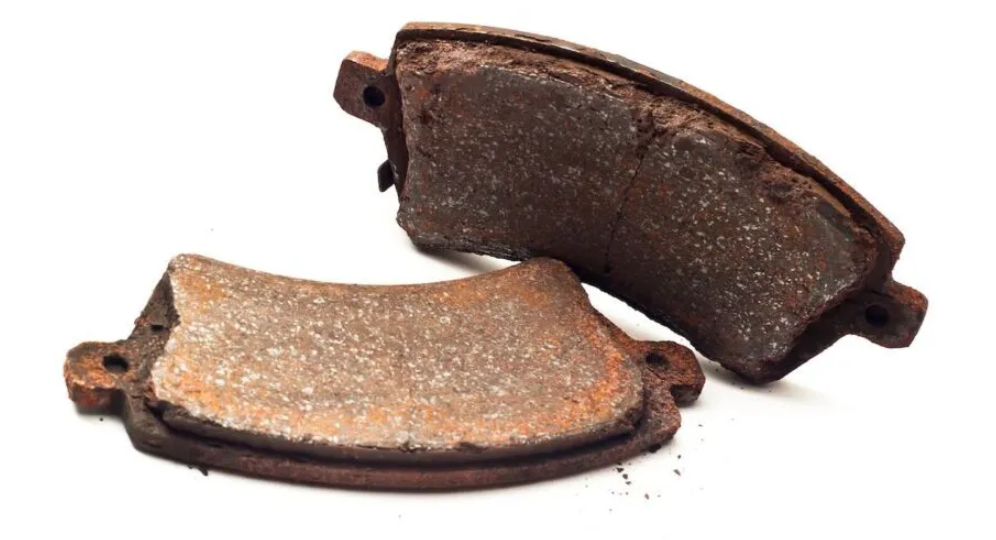
Rust on brake pads is common, especially in humid or wet conditions. While a small amount of rust is usually harmless and will wear off with use, excessive rust can reduce braking efficiency and cause noise. If the rust persists or affects performance, it’s best to have the brake pads inspected or replaced.
It is understandable that drivers may be worried about rust on their brake pads. The brake pads are the critical elements of the braking system and rust will affect their performance. The metal of the brake pads may rust due to exposure to moisture and the metal will oxidize. While a small amount of rust is acceptable, it could lead to performance issues down the road. Rust forming on brake pads is a result of several environmental elements. It may come from the driving conditions, or if the brake pads are not used enough.
In the following pages we will examine the issues related to the rust we see forming on brake pads and discuss the safety of the braking system.

Contents
Why Do Brake Pads Rust?
Rust on different metals occurs due to reaction of moisture and metals. This means that whenever brake pads come in contact with water, rust starts accumulating on the brake pads. Therefore, rust on brake pads can be an indicator of water exposure. There are many potential causes of water exposure.
This review will focus on the acceptable causes and ways to eliminate water exposure to control rust on brake pads.
1. Exposure to Moisture
Continued exposure of brake pads with different weather elements will ensure moisture exposure in almost all brake pads and will result in rust. Different conditions of weather can cause rust to build up in brake pads in almost no time. Whether it’s the car being parked in the rain, dew from the morning or salt on the roads in winter, moisture is consistent and the elements of nature will ensure rapid oxidation will occur.
Rust Formation Due To Moisture:
- Rust Formation Due To Rain and Dew: Dew and rain on the brake pads cause moisture and rapid oxidation.
- Road Salt And Moisture: Road salt pours rust on the brake pads as it mixes with moisture on the road to increase and speed up the process.
- Long-Term Wetness: The more humidity an area has, the more it will facilitate the rusting process.
2. The Car is Used Infrequently
The more infrequently a car is used, the more rust is able to accumulate on the brake pads. When driving is not done often, the brake pads do not get the opportunity to heat up, which leads to the increased levels of moisture on the brake pads. This is leading to some rust accumulation.
The reason infrequent use leads to rust:
- No Friction to Clean Off Moisture: When the brakes aren’t used, the moisture that is on the brake pads cannot be scraped away through the driving process.
- Moisture Stagnation: If the car sits in one place for an extended period of time, the moisture on the brake pads can accumulate and lead to rust.
3. Exposure to Road Salt and Dirt
If the area where a car is used regularly has salt on the roads during winter, or if the car is used often on dirt roads, the brake pads are more likely to rust out. If road salt is mixed with water, it creates a dangerous combination for all of the braking systems. Road salt increases rusting by oxidation and thus can cause rust on the brake pads and the rotor.
4. Manufacturing Defects or Poor Quality Materials
The issue could be with the manufacturing of the brake pads themselves or the pads could be made with cheaper materials. Brake pads made with less expensive materials can be more susceptible to rust, especially if the pads are untreated or improperly treated when manufactured.
Less Expensive Brake Pads:
- Less expensive brake pads may lack the rust-resistant coatings that more expensive brake pads have.
- Less expensive brake pads may corrode during normal dry conditions.
5. Brake Pads Age
The effect of time on the brake pads, regardless of condition, allows older pads to rust more because of the materials being exposed to the environment. The pads material may even be less robust to corrosion, which can then lead further to the rusting process.
How Does Rust on Brake Pads Affect Performance?
Rust on you brake pads can have many effects on your cars braking systems, making for either a small issue, or a larger safety concern.
1. Noise When Braking
Rust is almost never a good sign, and one of the first signs you will see with rust on your brake pads is more sounds. Rust on brake pads can make it so sounds squeaking, squealing and scraping occurs when the brake pads are used.
What causes rust to make sounds?
Rust making noise can be explained by a few processes;
- Metal to metal contact happens when rust forms on a friction surface of the brake pad and rotor, and leads to more noise.
- Braking is more resistive making the braking pads on the rotor more vibrate, and in turn make noise.
2. Decreased Braking Efficiency
In the early days when brake rust is fresh it may only cause a small reduction in braking ability. However in the more severe stages of rust brake performance is much more negatively affected. It will make the brake system more work by having to operate more to achieve the same amount of driving friction.
How Rust Affects the Braking System:
- Reduced Contact Area: Rust creates an uneven surface, decreasing the contact between the brake pad and rotor.
- Increased Stopping Distance: The reduced friction results in longer stopping distances, which can be dangerous in emergencies.
3. Rotor Damage
Rust on the brake pads can also get on the rotors, and left untreated, can cause pitting, scoring, or uneven wear. This leads to rotor damage, and you may experience vibrations and inefficiencies in your brake system.
4. More Expensive Repairs
If rust is left untreated for long enough, it can lead to brake repairs that are more expensive. This includes resurfacing brake rotors that are expensive to replace. Just rust is bad enough, but it can lead to brake system issues that can be costly within themselves.
Dangers of Rust on Brake Pads
A small amount of rust on brake pads is not usually dangerous, but if it is excessive, it will affect the entire braking system and performance. Ignoring brake rust will lead to performance and safety issues.
1. Safety Risks
Rust builds up on brake pads is a brake pad’s worst enemy. Any loose rust that builds on brake pads causes a brake pad to lose its stopping ability which in turn will make a driver much more likely to get into an accident. For instance, if a driver has to slam on the brakes, the rust will most likely prevent the pads from generating the stopping power needed to stop the vehicle.
2. Damage to Brake Components
Rust has the ability to spread from brake brake pads to their rotors, calipers, and even all the way up to the whole brake system. Waiting long periods for a brake pad replacement leads to more extensive brake system repairs. To avoid this, a truck owner should make regular system brake inspections.
3. Increased Repair Costs
Once the rust on brake pads spreads to other brake system components, it will cause a truck owner to have to spend a lot more money than they initially would if they had changed the brake pads in a timely manner. For instance, the vehicle owner will have to spend a significant amount of money for rotors if rust has already caused significant rotor damage. To help avoid issues, regular inspections on brake pads should be done.
Tips to Avoid Rust Accumulation on Brake Components
Tips to Avoid Rust Accumulation on Brake Components have been created to protect your braking system.
Frequent Use: High frequency use of your vehicle greatly reduces the rust formation on your brakes. Rust forms on the brakes due to the presence of moisture. The friction caused by the brakes while driving “burns out” the moisture. In this case, “burning” the moisture is beneficial. It is advised to “burn” the brakes every couple of days even if under normal driving conditions on the prescribed route.
Brake System Components: While using the brakes, it is generally recommended to use a road that is commonly salted. Exposure to road salt can cause rust to form underneath your vehicle. This rust formation can then be removed using a hose.
Concealed Storage: In case your vehicle is not likely to be used frequently, it is advised to keep it concealed and out of reach. Covering the vehicle down will minimize suboptimal conditions of high moisture and humidity to reduce rust formation on the brakes and other components.
Apply Anti-Rust Coating: Certain products help specially for brake systems to help prevent rust from forming. They help create a barrier so that moisture cannot contact the metal components.
Frequently Asked Questions
Here are some FAQs about rust on brake pads –
1. Does rust on brake pads cause brake failure?
Rust usually does not lead to total brake failure, but it can cause the brakes not to work as effectively, and it can make noise.
2. What is the process to get rust off my brake pads?
After driving and using the breaks, slight rust will likely wear off. If the rust is more severe, you will likely need to get the brake pads replaced, or get a professional to clean them.
3. Is brake pad rust a thing?
Rust on brake pads is a thing, especially when the car is in a humid area, or the car has not been moved in a long time.
4. What to do to ensure brake pad rust does not happen?
To ensure brake pad rust does not happen, ensure that the brake system is clean, and the vehicle is stored in a dry area.
5. Should I change brake pads that are rusty?
If the rust is insignificant, then you can wait and see if the rust comes off. However, if rust is from a brake system that has worn out, then you may have to consider replacing it.
Final thoughts
Rust is something that a lot of car owners have to deal with and, while in many cases, it is something that isn’t serious. Oftentimes, small amounts of rust can be harmless and with the pads moving it’ll most likely come off. On the other hand, if the rust is too heavy, it can wear out the components of the anti-lock braking system, it can also compromise the system’s braking performance and put you at the risk of having to deal with costly repairs.
It’s factors such driving the car, maintenance and inspections that determine if rust will be a major issue. It may also be indication of larger problems to come. Persistent rust and reduced braking can be serious and seeking out a certified mechanic for a check-up is recommended. This can help eliminate problems in the future.


