


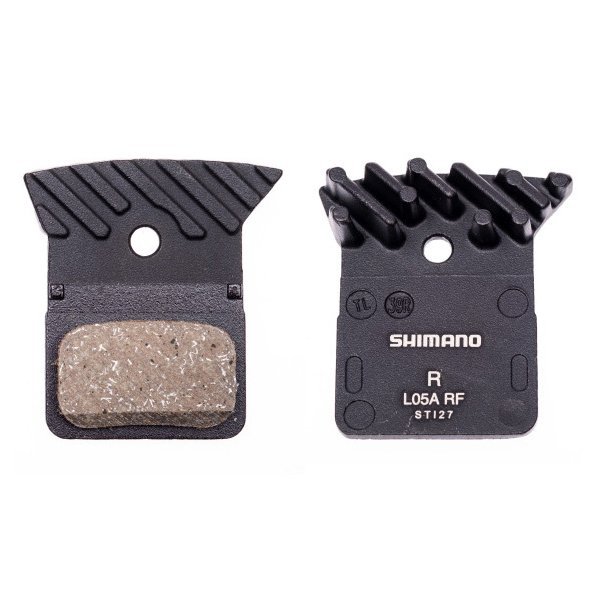
Shimano brake pad compatibility chart helps match the right brake pads to your Shimano calipers for optimal performance and safety. It ensures proper fit based on pad shape and caliper type.
One of the most important parts of the bike is the brake system. Without reliable brakes, any ride can become dangerous, regardless of how smooth you think the ride is. Shimano makes some of the best hydraulic disc brakes on the market, but the disconnect between the brake system and the brake pads can be frustrating for customers. This becomes even more troubling when you consider the lack of clarity on the Shimano brake pad compatibility chart and how it makes brakes able to perform more efficiently, put, and how some brakes can disconnect you from the most effective brakes for you.
In this article, I will:- Explain the Shimano brake pad compatibility chart- Give tips on selecting the best brake pads based on your Shimano brake system and your style of riding- Discuss utilitarian differences between the different brake pads Shimano makes and the different brakes Shimano makes.

Contents
- 1 Shimano Brake Pad Compatibility Chart
- 2 Shimano Brake Pad Families and Their Compatibility
- 3 Shimano Brake Pad Materials and Compounds
- 4 How to Choose the Right Shimano Brake Pads
- 5 Practical Tips for Maintaining Shimano Brake Pads
- 6 Frequently Asked Questions
- 7 Conclusion
Shimano Brake Pad Compatibility Chart
Shimano makes more than one family of the disc brake systems, and each of these families has different requirements for optimally functioning brake pads. The Shimano brake pad compatibility chart is one of many resources to help you make sure you have the right pads for the right Shimano brake calipers to assure you have the right fit, right performance, and right safety.
Brake Pad Shape and Caliper Matching
The Shimano brake pad compatibility chart is divided into different families based on pad shape and caliper type. These families include:
- D/H/N-type pads (4-piston calipers)
- G/J-type pads (2-piston MTB calipers)
- K/L-type pads (road and gravel calipers)
- B-type pads (entry-level and mixed-use)
Each of these pad families is designed to work with specific Shimano brake systems and calipers, and each one offers distinct performance characteristics, such as braking power, noise level, and durability.
Shimano Brake Pad Families and Their Compatibility
Let’s take a deeper look at the Shimano brake pad families and their specific compatibility with Shimano brake systems. Each pad type has been engineered to fit specific Shimano calipers, ensuring optimal braking performance.
1. D‑Type, H‑Type, and N‑Type Pads (4-Piston MTB Calipers)
These types of brake pads are primarily used for Shimano’s 4-piston hydraulic calipers, which are found on high-end mountain bikes, especially those designed for aggressive riding styles like downhill, enduro, and freeride.
- Caliper Compatibility: These pads are compatible with Shimano XTR, XT, SLX, Saint, and Zee 4-piston calipers.
- Usage: Ideal for extreme trail riding, downhill racing, and freeride biking.
These pads are designed to withstand the intense forces and heat buildup that occur when riding aggressively. For instance, the D-type pads are larger in size compared to H-type and N-type pads, allowing them to handle more intense braking.
- Common Pad Codes: D02S, D03S, H03A, H03C, N03A, N04C.
Advantages of D/H/N-Type Pads:
- High Power: These pads provide excellent braking power, which is essential for aggressive cycling disciplines.
- Improved Heat Dissipation: Many models include Ice Technologies fins that help to reduce heat buildup and brake fade, especially during long descents.
- Longer Lifespan: The design of these pads allows for durability in demanding conditions, reducing the need for frequent replacements.
2. G‑Type and J‑Type Pads (2-Piston MTB Calipers)
These brake pads are used with 2-piston hydraulic calipers and are more common on mid-range mountain bikes that see less aggressive use compared to 4-piston systems.
- Caliper Compatibility: These pads are used with Shimano Deore, SLX, and some earlier versions of XT and Saint calipers.
- Usage: Suitable for trail riding, cross-country biking, and light mountain biking.
While the G-type is the more modern option, the J-type was used on older Shimano brake models. These pads are great for less aggressive riding and general trail riding, providing good stopping power without being overly aggressive.
- Common Pad Codes: G04S, G04Ti, G03S, G03A, J04C, J03A.
Advantages of G/J-Type Pads:
- Moderate Braking Power: These pads offer solid performance for less demanding cycling conditions.
- Quieter Operation: Many G/J-type pads are available with resin (organic) compounds, making them quieter than their metal counterparts.
- Reliability: Excellent for regular trail riders and those using their bikes for commuting or mixed riding conditions.
3. K‑Type and L‑Type Pads (Road/Gravel)
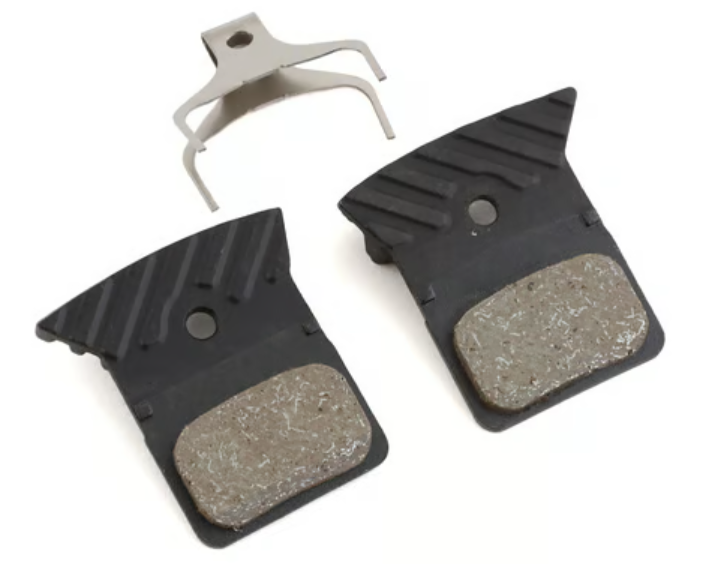
These brake pads are narrower and designed specifically for road and gravel bikes. They’re used on flat-mount calipers that are common in Shimano’s road and gravel bike lineup.
- Caliper Compatibility: These pads are used with Shimano Dura-Ace, Ultegra, 105, and GRX disc brakes.
- Usage: These pads are perfect for road cyclists and gravel riders who need smooth, reliable braking for long-distance riding.
These pads are engineered to provide smooth braking on asphalt and gravel roads, which is ideal for cyclists who need a consistent, low-maintenance braking experience.
- Common Pad Codes: K03S, K03Ti, K04S, K04Ti, L03A, L04C, L05A.
Advantages of K/L-Type Pads:
- Superior Modulation: These pads are well-suited for riders who prioritize smooth, predictable braking performance on the road.
- Lightweight Construction: K/L-type pads are designed to minimize weight without sacrificing performance.
- Optimal for Road and Gravel: These pads provide consistent stopping power across mixed road conditions and are less prone to fading.
4. B‑Type Pads (Entry-Level and Mixed Use)
These are the most basic Shimano brake pads, typically found in entry-level bikes or as part of Shimano’s more affordable braking systems.
- Caliper Compatibility: B-type pads work with Shimano MT200, MT400, and MT500 brake calipers.
- Usage: Best suited for entry-level mountain bikes, urban bikes, and light trail riding.
B-type pads are designed for casual riders or those who are new to mountain biking. They offer good performance without the high cost associated with more advanced pads.
- Common Pad Codes: B03S, B05S.
Advantages of B-Type Pads:
- Affordable: B-type pads are generally the most affordable option, making them ideal for entry-level cyclists.
- Quiet and Smooth: Resin pads in this family provide smoother braking and quieter operation.
- Good for Beginners: These pads provide reliable braking for casual or beginner riders who don’t require high-end performance.
Shimano Brake Pad Materials and Compounds
Shimano offers brake pads in several materials, with the choice of material influencing braking performance, noise, and longevity.
Resin (Organic) Pads:
- Quiet Operation: Resin pads are often preferred for their quieter braking.
- Smooth Braking: These pads deliver smooth and predictable braking, making them suitable for general cycling.
- Ideal for Dry Conditions: Resin pads work best in dry conditions and are less durable in wet or muddy environments.
Metal (Sintered) Pads:
- More Durability: Metal pads last longer and offer stronger braking power.
- Excellent for Wet Conditions: These pads perform well in wet, muddy, or harsh environments, making them ideal for enduro or downhill cycling.
- More Noise: Metal pads tend to be louder than resin pads, especially during braking.
Composite Materials:
Shimano’s higher-end pads often feature Ice Technologies fins or Titanium backing, helping to reduce heat buildup and improve heat dissipation, particularly during long, fast descents.
How to Choose the Right Shimano Brake Pads
Choosing the right brake pads from the Shimano brake pad compatibility chart is important for your riding style and performance. Here’s how to do it:
1. Identify the Brake Caliper Model
First, find out the model of the Shimano brake caliper installed on your bike. Shimano typically stamps the model number directly on the caliper (e.g., BR‑M8120, BR‑R9270).
2. Match the Pad Type with the Brake Caliper
Use the Shimano brake pad compatibility chart to find the correct pad shape for your caliper. This will ensure that the pad fits and performs properly.
3. Select the Right Material
Consider the riding conditions and your riding style. If you’re riding in wet conditions or tackling aggressive trails, you may prefer sintered (metal) pads. For road cycling or gravel riding, resin pads may be more appropriate for smooth, quiet braking.
4. Verify Compatibility with Rotor Size
Some brake pads are designed for specific rotor sizes (e.g., 160mm, 180mm). Make sure the pads you select are compatible with the size of the rotors on your bike.
Practical Tips for Maintaining Shimano Brake Pads
Shimano brake systems can last for years, but not without maintenance, especially brake pads. Here are some maintenance tips to help you extend the life of your brake pads:
- Clean Your Pads Regularly: Your pads should always be clean. Clean pads help your brakes perform to their maximum potential. Debris can pad material and ultimately lead to decreased braking and uneven wear and braking. Read the article about How to Clean Brake Pads at Home Like a Pro.
- Check Pad Thickness: The pads will wear down over time, so you should always be checking your pads for appropriate thickness. If you find your pads are too thin, replace them, as they will not be able to perform their function properly.
- Monitor Rotor Condition: Less rotation leads to better braking pads. If you see your brakes are a little scratched and/or warped, be sure your brakes are even. This will lead to better pad wear and brake use.
- Avoid Overheating: Overheated brakes will lead to poor braking. If your brakes are no longer working as they should, you should consider gaining new pads to help your brakes not overheat. You can add new pads to help your brakes not overheat.
Frequently Asked Questions
Here are some FAQs about Shimano brake pad compatibility chart –
1. What is the Shimano brake pad compatibility chart?
The Shimano brake pad compatibility chart shows which pads fit which Shimano brake calipers based on pad shape and brake model.
2. Can I use any Shimano brake pads with my Shimano brakes?
No, Shimano brake pads are specific to pad shape and caliper type. Use the compatibility chart to find which ones fit your brake system.
3. What are the differences between resin and sintered Shimano brake pads?
Resin pads are quieter and smoother but less durable, which means they are only suitable for drier conditions. Sintered pads last longer and are better in wet or muddy conditions.
4. How do I know which Shimano brake pads fit my bike?
Find the model number on your brake caliper and use it to guide you on the Shimano brake pad compatibility chart to find the right pad shape and type. (shimano.com)
5. Are Shimano brake pads interchangeable with other brands?
No, Shimano brake pads are for the brand’s calipers only. Other brands will lead to false braking or total incompatibility.
Conclusion
For any cyclist with Shimano brakes, the Shimano brake pad compatibility is the centrally resource.
Regardless of whether you ride a mountain bike, road bike, or gravel bike, proper pad fitting is essential for your safety and performance. Knowing the different families of brake pads and their correlation with Shimano brake calipers, will assist you with ease in choosing the right pads for your requirements. Regular maintenance, right pad choice, and compatibility checks, and your Shimano brake system should work perfectly in providing you the required braking force.
Picking the right Shimano brake pads means you will enjoy safer and more efficient rides. Whether you’re a beginner cyclist or someone who has been in the activity for years, knowing how to use the Shimano brake pads compatibility chart will enable you to keep your bike at its best for a longer duration.


