


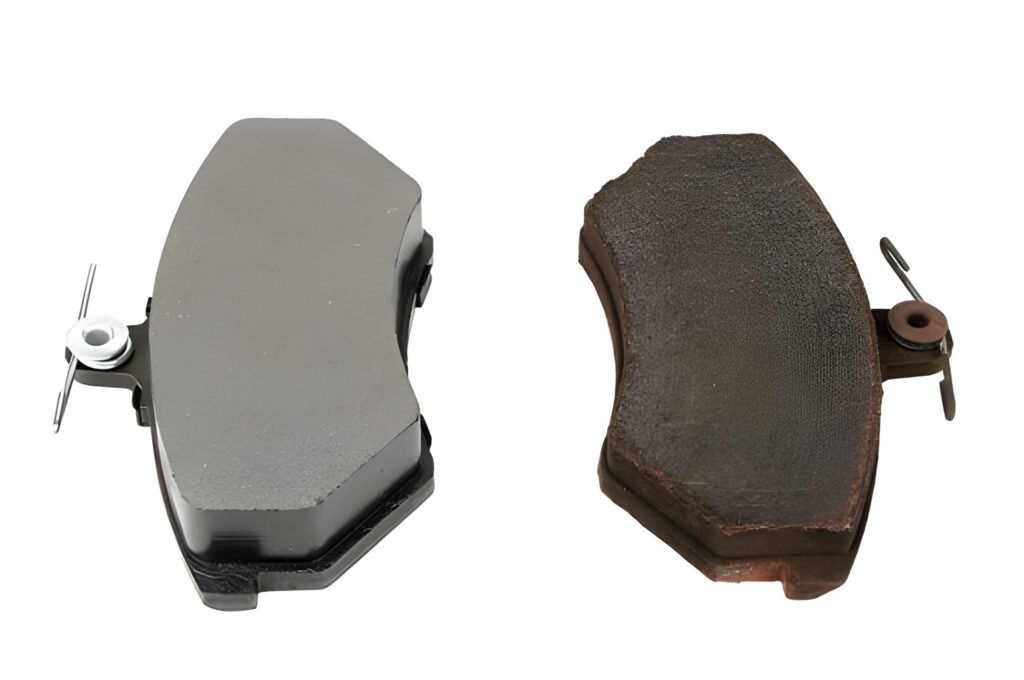
What are brake pads made of? Brake pads are made from organic materials, semi-metallic metals, or ceramics. These materials affect noise, heat resistance, and braking performance.
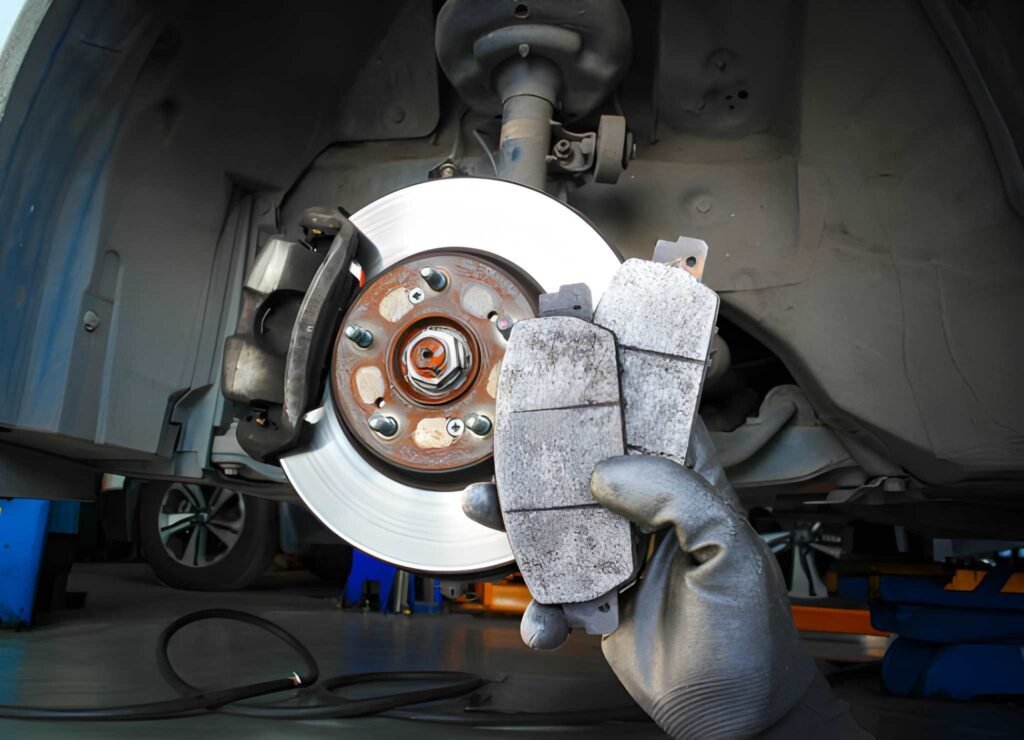
Every car has important parts that help it function properly. One of these parts is the brake pads. Brake pads create heat by rubbing against the wheel, like rubbing hands together to generate warmth. This friction stops the wheels from spinning and helps the car come to a stop. Knowing what brake pads are made of helps you understand how they work.
The materials used in brake pads determine how well they stop the wheels, how long they last, their cost, and the sounds they make. Brake pads are made of different materials, each with its own pros and cons.
This guide will help car owners understand brake pads and how to choose the best ones for safe and effective braking.

Contents
What Are Brake Pads Made Of?
When it comes to the parts of brake pads, the materials involved include brake friction materials, a backing plate, and a few additives. Each one of these materials is chosen based on how well it can endure high temperatures, how long it will last, and depending on how well it lasts, it can be used to reduce noise and hopefully help save some money. Knowing which materials are used to make the brakes will help a person to choose wisely if the brake pads should be replaced or if the brake pads should be upgraded.
1. Organic Brake Pads (Non-Asbestos Organic, NAO)
Organic brake pads, or Non-Asbestos Organic (NAO) brake pads, are made primarily from a blend of natural materials. Thes pads use a combination of:
- Kevlar: a synthetic material known for strength and heat resistance.
- Rubber: Used to provide flexibility, and smooth braking. Also helps to reduce noise.
- Glass: fine glass fibers help to reinforce the structure and help improve durability.
- Resins: These bind the other materials together and help (or hinder, depending on the desired effect) to contribute to the friction properties of the pads.
- Other Organic Materials: Other times, in place of glass, fibers from plants such as cellulose or carbon are used.
The Benefits of Organic Brake Pads:
- Quieter Rotors: Organic pads tend to muffle the noise produced by the brake pads and so are better for quiet braking.
- Less Wear on the Rotor: Because organic pads are softer, and less wear is experienced by the brake rotors.
- More Environmentally Friendly: Newer pads are becoming more organic and renewable materials.
Disadvantages of Organic Brake Pads:
- Lower Heat Resistance: Organic pads have a lower heat tolerance compared to metallic or ceramic brake pads, which can lead to brake fade under extreme conditions.
- Faster Wear: Organic pads wear out more quickly than other materials, especially in heavy-duty driving situations like towing or high-performance driving.
- Reduced Fade Resistance: Organic pads are less heat resistant, and so in extreme conditions tend to suffer from brake fade.
2. Semi-Metallic Brake Pads
Semi-metallic brake pads are made from a mix of metal and other materials. They are one of the most common types of brake pads used in vehicles today and typically contain the following components:
- Steel: Steel is the primary material used in semi-metallic pads. It adds strength and durability to the pad, making it resistant to wear and heat.
- Copper: Copper enhances the heat-dissipating properties of the pad, helping maintain performance at high temperatures.
- Iron: Adds to the strength and structure of the pad.
- Graphite: Used as a lubricant to reduce friction and noise.
- Resins: These bind the various metal and non-metal materials together.
Advantages of Semi-Metallic Brake Pads:
- Durability: The metal components of the brake pads make them durable and resistant to wear.
- Excellent Heat Resistance: Semi-metallic pads can handle high temperatures, making them ideal for performance vehicles or heavy-duty driving situations.
- Superior Braking Performance: They provide excellent stopping power, especially under high stress and heavy braking.
Disadvantages:
- Noise: Especially when new, semi-metallic brake pads can be squeaky and noisy, and some drivers find that annoying.
- More Abrasive: Compared to organic pads, semi-metallic pads increase the wear and tear of the brake rotors.
- Less Comfortable Ride: Semi-metallic pads can be rougher in terms of ride comfort since they’re more prone to create jolts when braking.
3. Ceramic Brake Pads
Ceramic brake pads are one of the most common types of brake pads found in today’s vehicles. Ceramic brake pads are made from a mixture of several materials:
Ceramic Fibers: Used to make the pads lightweight, strong, and durable.
Copper: The friction and heat-dissipating features of the pads can be improved by adding copper.
Resins: Used to bind the ceramic and metal components.
Glass: Fibers are used to enhance the strength of the pads.
Advantages of Ceramic Brake Pads:
- Quieter Operation: The ceramic pads make the least amount of noise when braking.
- Low Dusting: Unlike semi-metallic brake pads, ceramic brake pads make less brake dust, keeping your wheels cleaner.
- Longer Lifespan: Due to a more durable structure/chemical formulation, ceramic brake pads outlast organic and semi-metallic pads.
- Better Heat Resistance: No matter the driving conditions, ceramic pads function well due to their remarkable heat resistance.
Disadvantages:
- Higher Cost: Out of the three types (organic, semi-metallic, ceramic), ceramic brake pads are the most expensive.
- Lower Braking Power in Extreme Conditions: Unlike most types of pads, there are better options than ceramic for heavy duty vehicles/high performance applications.
- Harsher on Rotors: Over time, ceramic pads may wear down your vehicle’s brake rotors more than other types of pads.
4. Low Metallic NAO Pads
Low metallic NAO pads are a variation of organic brake pads. These pads are made with small amounts of metal mixed with organic materials, typically including:
- Small Metal Shavings: The metal content increases the pad’s heat resistance and durability.
- Natural Fibers: These include materials like Kevlar, glass, and carbon fibers.
- Resins: Used to bond the materials together.
Advantages of Low Metallic NAO Pads:
- Better Heat Resistance: The small amounts of metal improve heat dissipation, making these pads perform better under higher temperatures than traditional organic pads.
- Moderate Noise Levels: These pads tend to be quieter than full metallic pads, while still offering decent braking performance.
Disadvantages:
- More Dust: These pads produce more brake dust than ceramic pads, leading to dirty wheels.
- Faster Wear: They wear out faster than semi-metallic and ceramic pads, although they are more durable than organic pads.
5. Carbon Composite Brake Pads
Carbon composite brake pads are typically used in high-performance vehicles, such as racing cars. These pads are made from:
- Carbon Fibers: Known for their lightweight and strong properties.
- Ceramic Materials: Often incorporated to improve heat resistance and performance at high temperatures.
- Other Additives: Various other materials are used to fine-tune the braking performance.
Advantages of Carbon Composite Pads:
- Excellent Performance in High Temperatures: Carbon composite pads perform exceptionally well under extreme conditions, such as racing and track driving.
- Superior Braking Power: These pads provide outstanding stopping power, especially in performance vehicles.
Disadvantages:
- Limited Use: These pads are designed for high-performance vehicles and are not suitable for regular passenger vehicles.
- Expensive: Carbon composite brake pads are the most expensive brake pads on the market, which makes them less accessible for daily drivers.
The Effects of Different Brake Pad Materials on Braking Performance
The performing of braking in the vehicle directly correlates to the material that the brake pads entail. The influence brake pad material has on aspects of braking performance are the following:
1. Heat Dissipation
The composition of brake pads determines the performance of the pads. Most brake pads consist of semi-metallic and ceramic materials because of their phenomenal performance at elevated temperatures and are suitable for high-performance and high-duty vehicles. Contrarily, pads that are made of organic materials tend to lose their effectiveness and fail under high heat.
2. Noise and Vibration
The organic and ceramic pads are seen to operate in a more silent manner as opposed to the semi-metallic pads that operate in more noise and vibration especially when for example the pads are new. If for instance, you need to have a more silent riding experience, you will tend to prefer the ceramic pads as they are the best of the bunch.
3. Wear and Tear
Attributable to their higher braking performance characteristics, organic pads tend to fail at the minimal time. Of the three materials and for this reason, ceramic pads tend to last more than the others in terms of wear and tear. The downside of semi-metallic materials is that in brake the rotors more aggressively than the organic pads.
4. Relation with Cost
Ceramic pads are more expensive relative to the other materials because they possess more advanced brake performance materials. Organic pads protonated to lower prices than for example semi-metallic pads.
Frequently Asked Questions
Here are some FAQs about brake pad materials –
1. What type of brake pads is best for daily driving?
Ceramic brake pads are the most recommended for daily driving, as they are long lasting and operate quietly.
2. Do semi-metallic brake pads wear out rotors faster?
Unlike ceramic and organic pads, semi-metallic brake pads are known to wear out brake rotors significantly faster.
3. What is the lifespan of ceramic brake pads?
Generally, ceramic brake pads have the longest lifespan of the 3 main types of brake pads (ceramic, organic, semi-metallic) and can last 50,000 miles and sometimes longer.
4. Can normal cars use carbon composite brake pads?
No, carbon composite brake pads can only be used on high-performance vehicles and racing vehicles because of their pricing and performance specification.
5. Are organic brake pads made from natural materials?
Yes, organic brake pads utilize natural materials. For this reason, they are more eco-friendly than semi-metallic and ceramic brake pads.
Conclusion
When contemplating the composition of your brake pads, consider the material that best fits your driving habits, type of car, and pricing. Instead, consider your driving habits, the type of car you drive, and your price. If you prefer to drive quietly, you may want to consider organic pads, which also have environmentally-friendly materials. If you have a high-performance car that requires heavy-duty driving, then you may want to consider semi-metallic pads.
For your everyday driving, ceramic pads are great because they last a long time and can resist high temperatures. Carbon composite pads can also be used, but are designed for racing only and cannot be used on a regular basis.


