A naturally aspirated engine draws air into the combustion chamber using atmospheric pressure, without any turbochargers or superchargers. It relies on natural airflow for combustion.
What does naturally aspirated engine mean? A naturally aspirated engine is one where air is drawn into the engine naturally, using the force of atmospheric pressure. The engine relies solely on the vacuum created by the piston’s downward motion during the intake stroke to pull air and fuel into the combustion chamber. Unlike turbocharged or supercharged engines, which use forced induction to compress more air into the cylinders, naturally aspirated engines work with the air pressure already present in the environment.
Naturally aspirated engines have been around for as long as automobiles have existed. Even as forced induction engines, like those equipped with turbochargers, have become more popular for their performance benefits, naturally aspirated engines continue to be a preferred choice for many due to their reliability, simplicity, and smooth power delivery.
Contents
- 1 What is a Naturally Aspirated Engine?
- 2 Key Characteristics of Naturally Aspirated Engines
- 3 Naturally Aspirated vs. Turbocharged Engines
- 4 Advantages of Naturally Aspirated Engines
- 5 Disadvantages of Naturally Aspirated Engines
- 6 Applications of Naturally Aspirated Engines
- 7 Frequently Asked Questions
- 8 Conclusion
What is a Naturally Aspirated Engine?
A naturally aspirated engine is an internal combustion engine that relies entirely on atmospheric pressure to intake air into the combustion chamber. Unlike turbocharged or supercharged engines, naturally aspirated engines do not use mechanical devices to force air into the engine. Instead, the air is drawn in naturally as the piston moves downward during the intake stroke. This process, which happens because of the vacuum created by the piston, is what powers the engine and enables it to generate the necessary power for the car to move.
A key characteristic of a naturally aspirated engine is its simplicity. With no need for turbochargers, intercoolers, or superchargers, these engines have fewer parts and simpler designs, making them easier to maintain. However, they also have some limitations in terms of power output compared to forced induction engines.
How Does a Naturally Aspirated Engine Work?
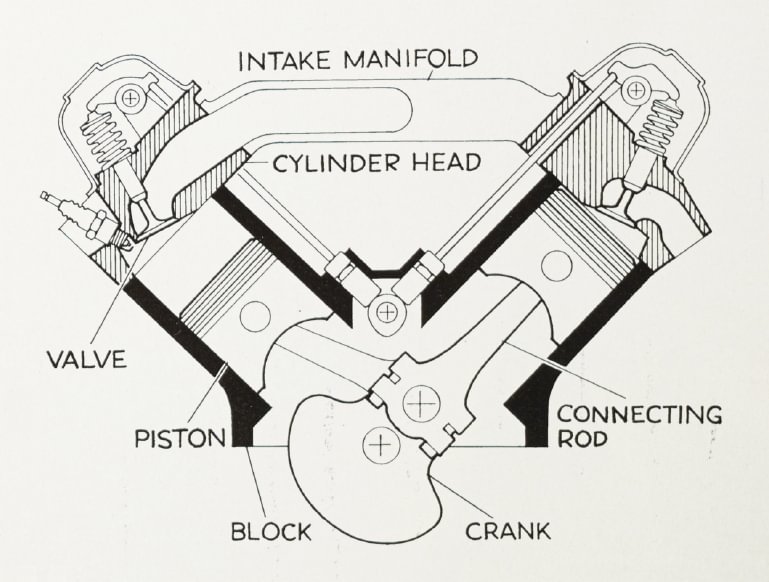
The basic operating principle of a naturally aspirated engine is relatively straightforward. When the engine’s piston moves down during the intake stroke, it creates a vacuum in the combustion chamber. This vacuum draws in a mixture of air and fuel from the environment through the intake valve. The engine’s valves are responsible for controlling the entry of air and fuel into the chamber and the exit of exhaust gases from the chamber.
Once the air-fuel mixture is inside the cylinder, the piston moves upward during the compression stroke, compressing the mixture. Afterward, the spark plug ignites the compressed mixture during the combustion stroke, generating the force needed to drive the piston downward. The exhaust stroke then expels the spent gases, and the cycle begins again.
In this system, no external force is used to push more air into the combustion chamber, meaning the engine relies on the natural flow of air.
Key Characteristics of Naturally Aspirated Engines
Naturally aspirated engines have several key features that set them apart from other types of engines, particularly turbocharged and supercharged engines. These features include:
1. Simplicity
Naturally aspirated engines are mechanically simpler because they do not rely on external devices like turbochargers or superchargers to compress air into the cylinders. This simplicity leads to fewer moving parts, which makes the engine easier to maintain and repair. The lack of forced induction components means fewer things can go wrong, which can enhance the engine’s reliability and longevity.
2. Throttle Response
Naturally aspirated engines are known for their immediate and direct throttle response. When you press the gas pedal, the engine responds instantly because there is no delay or turbo lag, which is common in turbocharged engines. This provides a smooth and predictable driving experience, especially when acceleration is required immediately.
3. Linear Power Delivery
In a naturally aspirated engine, power is delivered linearly as the engine RPM increases. Unlike turbocharged engines, which can have an unpredictable surge of power when the turbo kicks in, naturally aspirated engines provide a steady increase in power. This makes them ideal for those who prefer a more gradual and predictable acceleration.
4. Reliability
With fewer parts and a simpler design, naturally aspirated engines often have better reliability than their forced induction counterparts. They are less likely to experience problems related to turbochargers or superchargers, and they tend to require less maintenance overall.
5. Fuel Efficiency
Although not as efficient as turbocharged engines in terms of extracting power from a small engine displacement, naturally aspirated engines tend to have better fuel efficiency at lower engine speeds. Without the need to pump more air into the engine, the engine runs more efficiently at cruising speeds.
Naturally Aspirated vs. Turbocharged Engines
While naturally aspirated engines are common in many vehicles, they are often compared with turbocharged engines. Both types of engines have their pros and cons, and each one offers unique advantages depending on the vehicle’s design and performance requirements.
Naturally Aspirated Engine
A naturally aspirated engine operates without the use of turbochargers or superchargers to force extra air into the combustion chamber. Instead, it relies on atmospheric pressure to draw air into the engine, providing a simpler, more straightforward design.
- Simplicity: No turbocharger or supercharger means fewer components, lower repair costs, and increased reliability.
- Throttle Response: Immediate and linear power delivery without any turbo lag.
- Power Output: Naturally aspirated engines tend to produce less power than turbocharged engines of the same displacement.
- Fuel Economy: Fuel efficiency can be comparable, but it is usually better at lower speeds and steady cruising.
- Maintenance: Easier to maintain due to fewer moving parts.
Turbocharged Engine
- Increased Power: Turbocharged engines use forced induction to push more air into the engine, resulting in greater power output.
- Turbo Lag: There is often a delay in power delivery because the turbocharger needs time to spool up.
- Fuel Efficiency: Turbo engines are typically more fuel-efficient than naturally aspirated engines when under load.
- Complexity: Turbocharged engines are more complex, with additional components like intercoolers, wastegates, and oil lines.
Naturally aspirated engines have the advantage of being simpler and more predictable, while turbocharged engines provide more power for less engine displacement. The choice depends on the driving experience you desire and whether you prioritize smooth, reliable power or high-performance output.
Advantages of Naturally Aspirated Engines
Naturally aspirated engines offer several benefits due to their simple and reliable design. They provide smooth, predictable power delivery and tend to be more durable with fewer components that can fail.
1. Reliability
Because naturally aspirated engines don’t have as many moving parts or complex systems like turbochargers, they tend to be more reliable. There’s less risk of mechanical failure, which means lower maintenance costs and fewer trips to the mechanic.
2. Smooth Power Delivery
Unlike turbocharged engines, which can have a surge of power when the turbo kicks in, naturally aspirated engines offer smooth and consistent power delivery. This makes them easier to drive, especially for beginners or those who prefer a more predictable experience.
3. Low Maintenance Costs
With fewer parts to worry about, naturally aspirated engines are typically cheaper to maintain and repair. There’s no turbo to fail, and no intercoolers to clean. This simplicity means a naturally aspirated engine can last longer and require fewer repairs over its lifespan
4. Better Throttle Response
One of the most notable benefits of naturally aspirated engines is their immediate throttle response. There’s no turbo lag, so acceleration is more direct and responsive. This makes them particularly fun to drive, especially in smaller, sportier vehicles.
5. Fuel Economy at Low Speeds
At cruising speeds or light loads, naturally aspirated engines tend to offer better fuel efficiency compared to turbocharged engines. Since there’s no need to pump extra air into the engine, they operate more efficiently during steady driving.
Disadvantages of Naturally Aspirated Engines
While naturally aspirated engines have many benefits, they come with certain drawbacks. These engines typically offer lower power output and can be less efficient compared to turbocharged or supercharged engines.
1. Lower Power Output
One of the biggest drawbacks of naturally aspirated engines is their relatively lower power output. Without the ability to force extra air into the engine, naturally aspirated engines are limited in how much power they can produce. This can make them less appealing for performance vehicles.
2. Performance Limitations
While naturally aspirated engines are reliable, they can be less powerful compared to turbocharged or supercharged engines of similar size. This means that if you want more power, you’ll need to increase engine displacement, which can impact fuel efficiency.
3. Power Loss at High Altitudes
Naturally aspirated engines struggle with power loss at high altitudes, where there’s less oxygen in the air. Without forced induction, the engine cannot draw in enough air to perform efficiently, leading to a decrease in power output.
Applications of Naturally Aspirated Engines
Naturally aspirated engines are often used in a variety of car types. They are especially common in:
- Daily commuters: Vehicles like sedans and hatchbacks benefit from the simplicity and reliability of naturally aspirated engines.
- Performance cars: Many high-revving sports cars, like those from Porsche, Ferrari, and Toyota, still use naturally aspirated engines for their smooth and responsive power delivery.
- Motorcycles and smaller vehicles: Smaller vehicles, like motorcycles and compact cars, benefit from the simplicity and lightweight nature of naturally aspirated engines.
Related Article
4 Different Strokes of an Engine
How Many Strokes Are in a 2 Cycle Engine?
What are the Strokes of a 4 Cycle Engine
Frequently Asked Questions
Here are some FAQs about naturally aspirated engines –
1. What does naturally aspirated engine mean?
A naturally aspirated engine is an internal combustion engine that relies on atmospheric pressure to intake air, without the aid of turbochargers or superchargers.
2. How does a naturally aspirated engine work?
The engine uses the piston’s downward motion to create a vacuum, drawing air and fuel into the combustion chamber for combustion.
3. What are the advantages of a naturally aspirated engine?
Naturally aspirated engines are simpler, more reliable, and provide smoother throttle response without turbo lag.
4. Are naturally aspirated engines less powerful?
Yes, naturally aspirated engines typically produce less power than turbocharged or supercharged engines of the same size due to the absence of forced air intake.
5. Do naturally aspirated engines perform poorly at high altitudes?
Yes, naturally aspirated engines lose power at high altitudes because there is less oxygen in the air to fuel the combustion process.
Conclusion
What does naturally aspirated engine mean is an engine that uses the power of atmospheric pressure to intake air into the combustion chamber for fuel combustion. These engines offer several advantages, including simplicity, reliability, and smooth throttle response. While they may lack the raw power output of turbocharged engines, their smooth, predictable power delivery makes them popular among enthusiasts who appreciate a more natural driving experience.
As technology continues to evolve, naturally aspirated engines remain a strong contender for those who value the balance between performance and simplicity.