


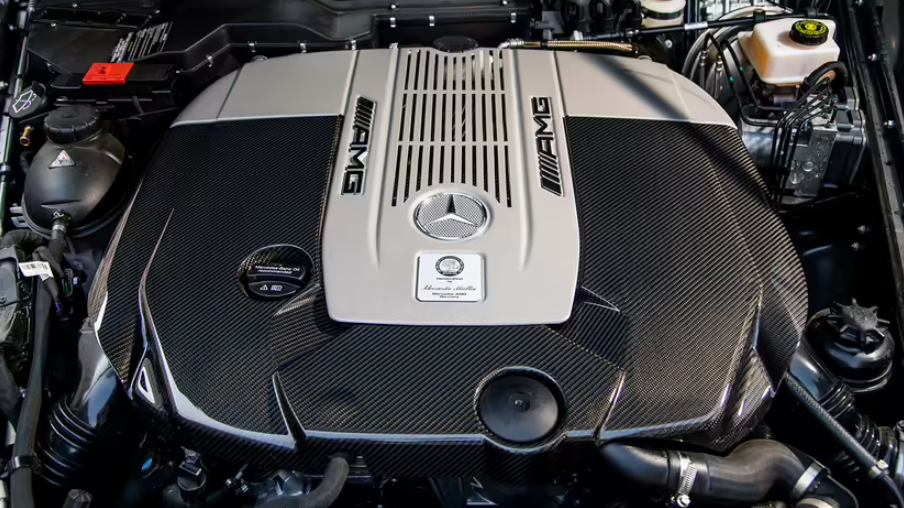
What does CC mean in engines? It stands for cubic centimeters, which measures the engine’s displacement or the total volume of all cylinders combined. A higher CC generally means more power and torque, while a lower CC often results in better fuel efficiency.
The term ‘CC’ in terms of a car engine signifies a measurement of the engine’s overall size as well as the potential performance of the engine. CC means cubic centimeters. This means car engine’s cylinders in one complete cycle of the engine. This measurement, in turn, correlates with the car engine’s ability to generate power thereby affecting a car’s fuel efficiency, acceleration, and overall driving dynamics.
This article will explain to the reader what CC means in terms of car engines and how these CC measurements affect the performance of the car. This article will also inform the reader how the size of an engine ultimately influences the driving experience. This will give a better understanding and knowledge to the reader when having to choose a car.

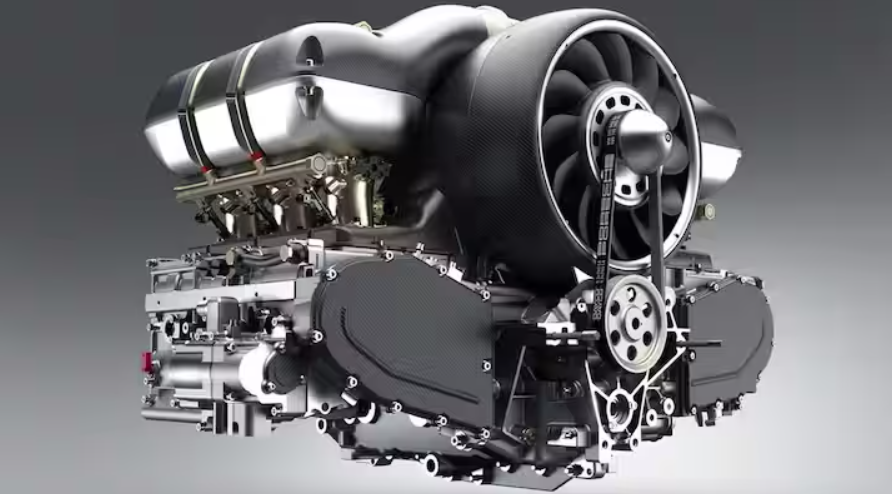
Contents
What does Engine Displacement Mean?
The engine displacement refers to the total volume of air and fuel that can be drawn to the combustion chamber of an engine in one complete cycle. It is calculated in units of CC (cubic centimeters) or liters and is an important specification when determining the tradeoffs to be made with the performance capabilities of a vehicle. Higher engine displacements will give you an overall better performance since the engine will be able to burn bigger fuel and air mixtures more is more energy.
Why is Displacement so Important?
When an engine dispalces more CC, it means it can burn a lot more fuel and air mixture, and because of that create more combustion which translates to more power. This means that with a bigger engine you will get more gains in terms of torque and horsepower, which will give you a better acceleration and performance of the vehicle. It is important to note that smaller engines with less CC’s will usually give you better fuel efficiency, but engine power will be sacrificed.
How Are CCs Determined in Engines?
The CC of the engine is determined using the measurements of the engine cylinders. The CC is determined using the following formula:
Volume=π×(radius)2×stroke
- Radius: This refers to the bore, which is the diameter of the cylinder.
- Stroke: The distance the piston travels inside the cylinder.
This formula allows manufacturers to calculate the total volume of air and fuel mixture the engine can take in and combust during each cycle. The CC measurement will then give the total volume of all the cylinders combined.
As an example, the total engine displacement of 2.0L engine (2000CC) is 2000 cubic centimeters. This means that the engine has the capacity of combusting a maximum of 2000 CC of air and fuel mixture in all the cylinders.
What Does An Engine’s CC Mean?
An engine’s CC can greatly impact its performance. Generally, a high engine CC means more power. However, this is not always true. Things like the engine’s design, the presence of a turbo, and fuel saving design features can also affect performance. Here We’ll discuss the major aspects affected by CC.
1. Power and Torque
Engine displacement has a large impact on power and torque. Engine displacement means the total volume of all the engine’s cylinders. Higher CC means increased power and torque.
An engine’s power is its ability to perform work, measured over a specific time period. An engine with a high displacement has a higher power and thus more horsepower (hp).
The engine’s torque is the rotational force the engine produces. It determines the vehicle’s acceleration and how much load it can pull. If an engine can produce a lot of torque, it can help the vehicle to tow a lot of weight. This is the reason why large engines are used in trucks and SUVs.
2. Fuel Efficiency
It might seem odd, but larger engines with more CCs don’t always have worse fuel efficiency. While larger engines burn more fuel, new technologies like turbocharging and hybrid systems have improved their efficiency. These advancements allow larger engines to sometimes be more fuel-efficient than smaller ones. However, smaller engines are typically more fuel-efficient due to their lower energy demands.
3. Acceleration and Top Speed
Generally speaking, larger engines have better acceleration and can reach higher top speeds. This is because they are able to generate more power, and get to a higher speed, more quickly. Performance cars like sports cars or high-performance sedans have large engines, like 3.0L to 5.0L V6 or V8, which allow for rapid acceleration and high top speeds. Smaller engines are usually better for city driving because they would take more time to accelerate out of the larger engine speeds the best.
4. Impact on emissions and the environment
Consider the emissions. Bigger engines are likely to burn up more fuel and therefore, they are likely to burn more fuel. A lot of the world is also more strict on the size of the engine due to the larger engines. In comparison, smaller engines, more so, those in hybrid and electric cars, are more environmentally friendly and tend to have lower emissions.
Types of Engines and Their CC Range
The engine CC of vehicles varies with the type of vehicle. Here is a breakdown of the engine size of different vehicles.
1. Motorcycles
Motorcycles have varied engine size ranging from 50 CC to 1800 CC. Smaller motorcycles and scooters range from 50 CC to 250 CC. This range is fuel efficient and is enough for everyday commuting. Bigger motorcycles, also known as cruisers or touring motorcycles can have engines upwards of 1000 CC. This engine size provides greater speed and power for long-distance rides.
2. Cars
The engine size of cars is usually in the range of 1000 CC to over 6000 CC. The engines of small cars, such as hatchbacks and sedans, typically range from 1000 CC to 1600 CC. However, their engines increase in size to the range of 2000 CC to 5000 CC when it comes to bigger sedans, SUVs, and sports cars. Performance luxury cars also have bigger engines that even exceed 5000 CC.
3. Trucks and Commercial Vehicles
Heavy-duty trucks and commercial vehicles typically come with bigger engines that are greater than 6000 CC. These engines are designed to carry heavy loads, tow trailers, and work in tasks that require high demand. An example of a large commercial vehicle is the Ford F-350 or RAM 3500 which have engines ranging from 6000-8000 CC with high torque to tow.
Pros and Cons of Big Engines
Big engines have multiple pros and cons that can affect a driver in threes ways; vehicle performance, gas mileage, and vehicle repairs. Here are some pros and cons to look at to decide if a big engine is the choice for you.
Pros of Big Engines
Big engines can offer a driver a lot of benefits that are mainly centered around improving their performance and power. Here are some specifics regarding the benefits of having a big engine in your vehicle.
- More Power and Torque: Bigger engines build more power and torque. This makes cultivating fast acceleration easy, as well as providing performance driving and towing abilities.
- More Performance: Big engines in super cars and performance vehicles allow the driver to have a top speed, faster acceleration, and better overall performance.
- More Ability: Bigger engines in trucks and larger vehicles help to control their towing and load capacity, allowing them to be more functional.
Cons of Big Engines
Recently, building more power in an engine gives the driver control of performance and costs. Here are some disadvantages of having a big engine.
- Higher Fuel Costs: Because larger engines are designed to produce more power, they typically use more fuel, particularly when driving in urban areas.
- Greater Environmental Impact: Because larger engines burn more fuel, they produce more emissions, which in certain countries may require compliance with additional fuel emission standards.
- More Frequent, More Expensive Repairs: Because larger engines typically require more components for compliance with additional fuel emission standards, they may require more complex, expensive parts.
What is the relationship between CC and Car Type?
Knowledge about what CC means in engines helps to compare vehicle performance across various categories.
1. Small Cars (1000 – 1600 CC)
To maximize both fuel economy and driving power, small cars, such as the Honda Civic and the Toyota Yaris, typically have about 1000 – 1600 CC engines. Although they may have pretty low power, they are great for urban driving, and also help to minimize fuel expenditures.
2. Midsize Sedans (1600 – 2500 CC)
Midsize sedans, such as the Toyota Camry and the Honda Accord, have engines that fall within the range of 1800 – 2500 CC. They provide a really good balance of power and fuel efficiency to urban driving, intercity driving, and highway driving.
3. High-performance Cars (3000-5000CC)
Cars such as Chevrolet Camaro and Ford Mustang have engines between 3000 and 5000 CC. These engines generate higher horsepower and torque as compared to other engines and cater to enthusiasts with a need for speed.
4. Trucks and SUVs (4000-8000 CC)
Trucks such as Ford F-150 and RAM 1500 have engines between 4000 and 8000 CC. These trucks are equipped with bigger engines because they need to perform heavy-duty jobs such as towing and hauling, and even going off-road.
Frequently Asked Questions
Here are some FAQs about the cc mean in engines –
1. Does higher CC mean better performance?
Yes. This is because larger CC means more power, torque and performance. The larger the engine the more fuel and oxygen it will consume.
2. Is a smaller engine with less CC more fuel efficient?
Yes. Most of the time, smaller engines have higher efficiency and consequently consume less fuel. This means they will be more efficient when driving within the city or when making short trips.
3. Can a smaller engine outperform a larger one?
Advancements such as turbo- and hybrid technology have made smaller engines outperform larger ones because of the added fuel efficiency and without compromising performance.
4. How is engine CC different from horse power?
CC stands for engine displacement, while horse power is power output. The amount of horse power within an engine is dependent on its CC and many other factors.
5. What engine CC should I choose for a daily driver?
Engines between 1000-2000 CC are best suited for daily driving. They provide a balance between fuel efficiency and adequate power for daily commuting.
Conclusion
CC greatly impacts a vehicle’s power, performance, and efficiency. A higher CC allows more fuel and air to combust, producing more power and torque. This means faster speeds, but also higher fuel consumption and emissions. Smaller engines are more fuel-efficient and produce fewer emissions but lack the power for tasks like off-roading or towing.
Knowing engine CC helps determine the right engine for your needs, whether it’s for daily commuting, performance, or towing. When buying a new car, knowing the right CC size ensures the best fit for your driving requirements.


