The McLaren F1 road car uses a 6.1-liter BMW V12 engine, while McLaren’s Formula 1 cars are powered by a 1.6-liter V6 hybrid turbocharged engine from Mercedes-AMG.
The McLaren F1 name carries significant weight in both road car and motorsport history. The engine behind each version of the F1 plays a crucial role in its overall performance, whether it’s achieving record-breaking top speeds on the road or delivering championship-winning power on the race track.
For the McLaren F1 road car, the choice of engine was a big part of what made the car so special. The iconic BMW V12 engine powered the F1 road car, offering raw power and a unique sound that made it one of the fastest cars ever built. In contrast, McLaren’s Formula 1 race cars have been powered by a variety of engines, most notably those supplied by Mercedes-AMG in recent years. Each of these engines serves a different purpose, one for road-going thrills and the other for the intense, high-performance demands of Formula 1 racing.
In this article, we will answer what engine does McLaren F1 use and delve into the specifics of these groundbreaking powerplants that define the McLaren legacy.
Contents
- 1 What Engine Does the McLaren F1 Road Car Use?
- 2 How the BMW V12 Worked in the McLaren F1 Road Car
- 3 What Engine Does McLaren F1 Use in Formula One?
- 4 Why McLaren Uses Mercedes Engines
- 5 The Evolution of McLaren’s Formula 1 Engines
- 6 McLaren F1 and its Power Unit Legacy
- 7 Comparing McLaren F1 Engines: Road vs. Racing
- 8 Frequently Asked Questions
- 9 Conclusion
What Engine Does the McLaren F1 Road Car Use?
The McLaren F1 road car features an iconic engine that played a important role in its success as one of the fastest and most groundbreaking supercars of the 1990s. This section dives into the specific engine choice that powers this legendary machine and why it was the perfect fit for such a high-performance vehicle.
The BMW S70/2 V12 Engine: A Masterpiece of Engineering
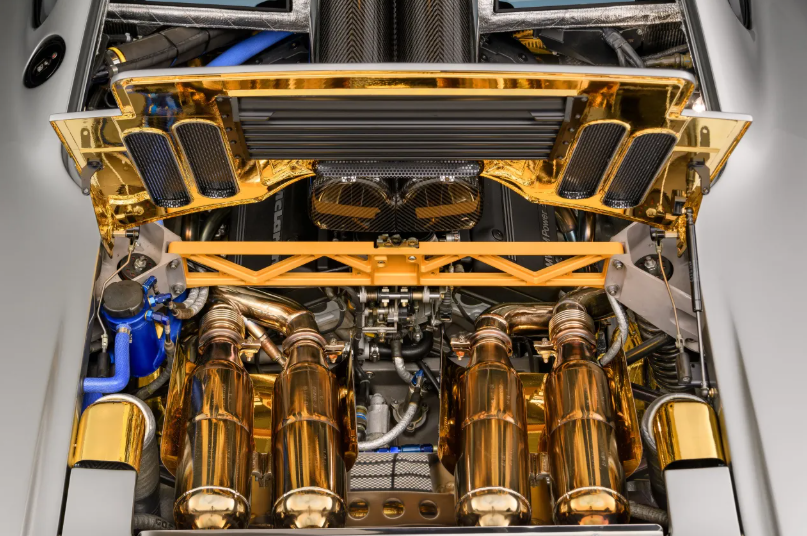
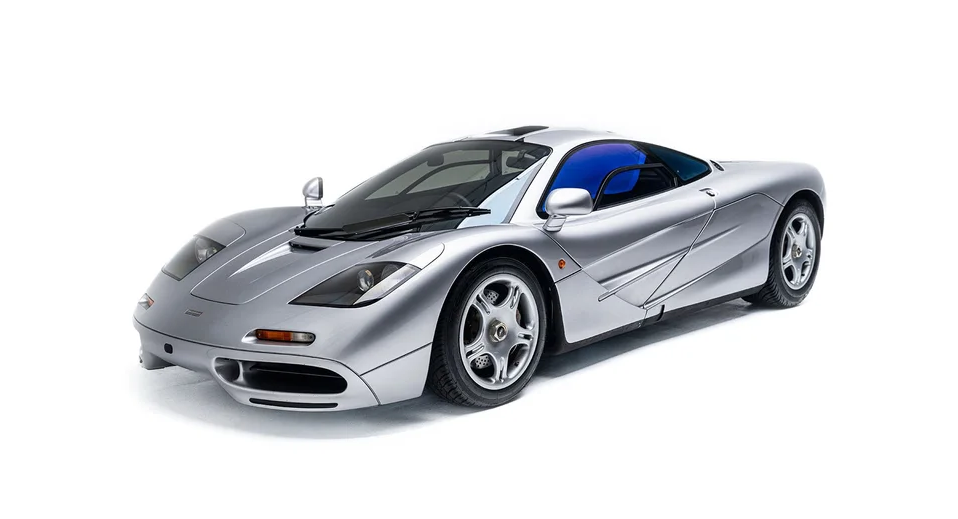
When the McLaren F1 was released in 1993, it redefined what a supercar could be. At the heart of the F1 road car was a remarkable engine: the BMW S70/2 V12. This engine was custom-designed by BMW’s M Division specifically for McLaren’s road car, ensuring that it had the power, reliability, and performance required to meet McLaren’s high expectations.
Engine Specifications:
- Engine Type: Naturally aspirated V12
- Displacement: 6.1 liters
- Horsepower: 627 hp (465 kW) at 7,400 rpm
- Torque: 480 lb-ft (651 Nm) at 5,600 rpm
- Compression Ratio: 10.5:1
- Redline: 7,500 rpm
- Top Speed: 240 mph (386 km/h)
- 0-60 mph (0-100 km/h): 3.2 seconds
The BMW S70/2 V12 engine powered the F1 road car to speeds and performance metrics that were unheard of at the time. With 627 horsepower, the McLaren F1 could achieve a top speed of 240 mph, making it the world’s fastest production car until the late 1990s.
The Engineering Behind the Engine
The engine was designed with performance and reliability in mind. BMW’s M Division, which had experience designing high-performance engines for motorsport, built a lightweight, high-revving, naturally aspirated engine. This made the McLaren F1 one of the few supercars at the time to eschew turbocharging or supercharging, instead relying on the raw power and efficiency of the V12. This gave the F1 a unique driving experience, marked by a sharp throttle response and an intoxicating sound as the engine revved all the way to 7,500 rpm.
The naturally aspirated engine was ideal for the F1’s lightweight, carbon-fiber chassis, which maximized the car’s performance capabilities without relying on forced induction. The result was a thrilling driving experience, with linear power delivery and excellent top-end performance.
How the BMW V12 Worked in the McLaren F1 Road Car
The BMW S70/2 V12 engine worked in perfect harmony with the McLaren F1’s carbon fiber structure. The lightweight build of the car, combined with the smooth power delivery of the engine, made it one of the most exciting and capable supercars ever made.
Why McLaren Chose the V12 Engine
McLaren could have chosen a variety of engine configurations for the F1. However, Gordon Murray, the chief engineer behind the McLaren F1, was determined to create a supercar that would be unmatched in speed and handling. He chose the BMW S70/2 V12 engine because of its smooth and linear power delivery, high revving capabilities, and extraordinary performance characteristics. McLaren also wanted an engine that would complement the F1’s lightweight design and provide a driving experience unlike any other.
Performance and Innovation
The combination of BMW’s V12 and McLaren’s lightweight carbon-fiber chassis was truly groundbreaking. The F1 road car weighed only 2,500 lbs (1,130 kg), and thanks to the high-performance engine, it was able to accelerate from 0-60 mph in just 3.2 seconds. This made the McLaren F1 not only one of the fastest cars of its time but also one of the most technologically advanced.
The F1’s top speed of 240 mph was achieved through a combination of aerodynamics, lightweight materials, and, of course, the performance of the V12 engine. Its smooth, naturally aspirated power delivery allowed for unmatched performance on the open road.
What Engine Does McLaren F1 Use in Formula One?
The McLaren F1 racing team has seen a variety of engine suppliers over the years, from Ford Cosworth to Honda, to Mercedes-AMG, which has been McLaren’s primary engine supplier since 2015. The decision of what engine McLaren uses in Formula One is influenced by the performance needs of the team, the technological advancements in engine design, and strategic partnerships.
The Mercedes-AMG F1 Power Unit
As of the 2021 season, McLaren is using Mercedes‑AMG F1 power units. These hybrid turbocharged engines have been dominant in Formula 1, helping Mercedes win multiple constructors’ and drivers’ championships.
Specifications of the Modern Formula 1 Engine:
- Engine Type: 1.6-liter V6 turbocharged hybrid
- Power: Over 1,000 hp (combined engine and hybrid energy recovery system)
- Fuel Type: Hybrid fuel
- Energy Recovery System (ERS): Recovering energy from braking and heat to assist with acceleration
- Maximum RPM: Around 15,000 rpm
The Mercedes-AMG F1 power unit is a highly complex and efficient engine system that combines a turbocharged V6 engine with an energy recovery system (ERS). This system allows McLaren’s Formula 1 cars to recover energy under braking and use it for extra acceleration, improving efficiency without compromising speed. The hybrid turbo system helps the car achieve peak performance while also adhering to the fuel and energy regulations set by the FIA.
Why McLaren Uses Mercedes Engines
The decision for McLaren to use Mercedes power units began in 2015. Prior to that, McLaren had used engines supplied by Honda. However, the Mercedes engine offered significant improvements in reliability, performance, and efficiency, prompting McLaren to switch suppliers. Mercedes has been an incredibly successful engine supplier in Formula 1, with McLaren now benefiting from the cutting-edge technology Mercedes brings to the table.
The hybrid turbocharged V6 engines are particularly efficient, providing power output that exceeds 1,000 horsepower, a figure that ensures McLaren can remain competitive on the track.
The Evolution of McLaren’s Formula 1 Engines
McLaren’s Formula 1 engine history has been marked by a series of partnerships with top-tier manufacturers, each contributing to the team’s success on the track. This section explores how McLaren’s engine choices evolved over the years and how these changes have influenced their competitive performance in Formula 1.
1. Ford Cosworth Engines (1960s-1980s)
In the early years of McLaren, the team used Ford Cosworth engines in their cars. These engines helped McLaren establish a foothold in Formula 1. Ford’s partnership with McLaren in the 1970s was key in bringing the team to the top of Formula 1.
2. TAG‑Porsche Engines (1984-1987)
The partnership between McLaren and Porsche in the mid-1980s saw McLaren using TAG‑Porsche turbocharged engines, which helped them win several Constructors’ and Drivers’ Championships.
3. Honda Engines (1988-1992)
McLaren’s collaboration with Honda in the late 1980s was one of the most successful in F1 history. Honda engines helped McLaren win multiple titles with Ayrton Senna and Alain Prost at the helm.
4. Renault Engines (2005-2009)
McLaren also had a partnership with Renault in the mid-2000s. The team used Renault engines while fighting for titles with drivers like Fernando Alonso.
McLaren F1 and its Power Unit Legacy
McLaren’s choice of engines, both in the F1 road car and in Formula One racing, has always been driven by the need for exceptional performance. Whether choosing the BMW V12 for the road car or the Mercedes-AMG hybrid V6 for Formula 1, McLaren has always sought to push the limits of technology and performance.
In both the McLaren F1 road car and the Formula 1 cars, the engine is the heartbeat of the vehicle, providing the necessary power, efficiency, and performance. The choices McLaren made in engine design are critical to understanding why McLaren F1 is a part of automotive and motorsport history.
Comparing McLaren F1 Engines: Road vs. Racing
The engines that power the McLaren F1 road car and its Formula 1 race cars are designed for very different purposes, yet both exemplify cutting-edge engineering. In this section, we will compare the specifications and performance of the road car’s V12 engine with the hybrid turbocharged V6 used in McLaren’s F1 race cars.
| Feature | McLaren F1 Road Car | McLaren F1 Racing Car |
|---|---|---|
| Engine Type | 6.1L BMW S70/2 V12 | 1.6L Hybrid V6 Mercedes-AMG |
| Displacement | 6.1L | 1.6L |
| Power Output | 627 hp | 1,000+ hp (combined) |
| Top Speed | 240 mph | 330+ km/h (race speed) |
| Hybrid System | No | Yes |
| Maximum RPM | 7,500 rpm | 15,000 rpm |
Related Article
What Engine Is Audi Using in F1?
What Engine is Cadillac Using in F1
Frequently Asked Questions
Here are some FAQs about mclaren f1 engine –
1. What engine does McLaren F1 use in its road car?
The McLaren F1 road car uses the BMW S70/2 V12, a naturally aspirated 6.1‑liter engine that produces around 627 hp.
2. What engine does McLaren use in Formula 1?
As of 2021, McLaren uses Mercedes‑AMG hybrid V6 engines, which feature a 1.6-liter turbocharged engine paired with a hybrid energy recovery system.
3. Why did McLaren switch to Mercedes engines?
McLaren switched to Mercedes engines in 2015 for improved reliability, performance, and efficiency after a challenging period with Honda engines.
4. How much power does McLaren F1’s road car engine produce?
The BMW S70/2 V12 engine in the McLaren F1 produces around 627 horsepower and allows the car to reach a top speed of 240 mph.
5. What is the top speed of a McLaren Formula 1 car?
Modern McLaren Formula 1 cars can reach speeds of 330 km/h or more, depending on the circuit and race conditions.
Conclusion
So, what engine does McLaren F1 use? The McLaren F1 road car uses the legendary BMW S70/2 V12 engine, a powerhouse that helped the car break speed records and redefined supercar performance in the 1990s. On the other hand, McLaren’s modern Formula 1 cars are powered by Mercedes‑AMG hybrid turbocharged V6 engines, which combine efficiency and immense power, helping the team compete at the highest levels of motorsport.
Both of these engines are marvels of engineering, though they serve very different purposes: one for world‑shattering speed on the road, and the other for unmatched performance on the racetrack. Through both, McLaren continues to push the boundaries of what is possible in automotive engineering.