What engine is Audi using in F1? Audi is using a 1.6-litre V6 turbocharged hybrid power unit for the 2026 Formula 1 season. The engine combines a high-performance internal combustion system with a powerful MGU-K electric hybrid system and runs on 100% sustainable fuel.
Knowing the engine Audi is using in F1 means looking at today’s hybrid powertrain technology in the sport. Audi has developed its own 1.6‑litre V6 turbo hybrid power unit specifically for use in the 2026 Formula 1 season. This engine is paired with advanced energy recovery systems and sustainable fuel technology. Audi’s engine design reflects both the sport’s technical direction and the automaker’s goals for road‑car technology transfer and racing success.
Contents
- 1 What Engine Is Audi Using in F1?
- 2 The Heart of Audi’s F1 Engine
- 3 What Does the Hybrid System Do?
- 4 How the Engine Fits Into the Audi R26 Car
- 5 Engine and Sustainability
- 6 Comparing Audi’s Engine With Others
- 7 Where Audi Builds its Engine
- 8 How the Power Unit Performs on the Track
- 9 Why This Engine Matters
- 10 Frequently Asked Questions
- 11 Conclusion
What Engine Is Audi Using in F1?
Audi’s entrance into Formula 1 has sparked huge interest in the racing world. Many people ask one question again and again: what engine is Audi using in F1 for the 2026 season? The answer reveals a new era of hybrid power, cutting‑edge engineering, and ambitious goals.
Audi hasn’t just joined F1. It has built a brand‑new engine and hybrid system from scratch that fits the latest Formula 1 rules. These rules push greater electric power, sustainability, and performance. Audi’s power unit showcases both the sport’s high‑tech future and the brand’s deep motorsport heritage.
The Heart of Audi’s F1 Engine
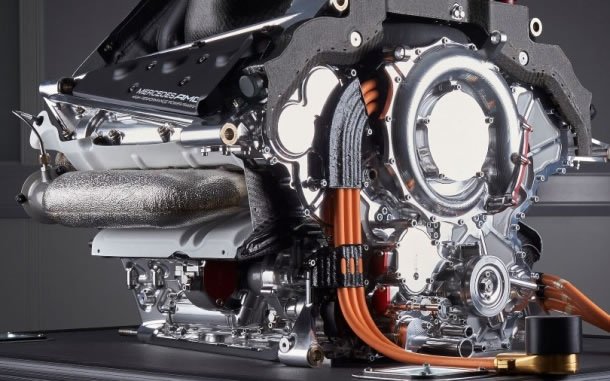
At the core of the engine Audi is using in F1 is the Audi V6 hybrid Formula One power unit. It’s known internally as the Audi AFR 26 Hybrid and was developed entirely by Audi Formula Racing GmbH in German.
Audi’s power unit is powerful and efficient. It uses both an internal combustion engine (ICE) and a hybrid electric system. The combination allows it to produce close to 1,000 horsepower while meeting strict modern rules.
Core Power Unit Specs
Here’s a clear look at the key specs of the engine Audi is using in F1:
- Name: Audi V6 hybrid Formula One power unit (also called AFR 26 Hybrid)
- Manufacturer: Audi Formula Racing GmbH
- Configuration: 1.6‑litre V6 turbocharged hybrid
- Cylinder Angle: 90°
- Internal Combustion Power: ~400 kW (~540 bhp)
- Electric Motor Power (MGU‑K): ~350 kW (~470 bhp)
- Total Output: ~750 kW (~1,000 hp)
- Hybrid Batteries: High‑capacity lithium‑ion cells
- Fuel type: 100 % advanced sustainable fuel
This architecture matches the new 2026 F1 power unit regulations, which aim to increase hybrid performance and push sustainability goals.
What Does the Hybrid System Do?
When people ask about engine Audi is using in F1, they are often curious about the hybrid part of the engine. The hybrid system is one of the biggest changes in modern F1.
In the past, Formula 1 power units had two motor‑generator units: MGU‑K and MGU‑H. The MGU‑K recovers energy from braking. The MGU‑H recovered heat from the exhaust turbine. For 2026, the MGU‑H has been removed from all F1 engines, including Audi’s.
Why Is the MGU‑H Removed?
The FIA removed the MGU‑H to reduce complexity and cost. It also helps new manufacturers like Audi enter the sport with less technical risk.
Instead, the focus is on the MGU‑K system, which converts the energy under braking back into electricity. That energy can then power the car or store in the battery until needed.
Hybrid Power Balance
The 2026 rules push engines toward a 50/50 split between internal combustion power and electric power. That means the hybrid portion is almost as important as the gasoline engine itself.
This is a big shift. In earlier F1 eras, electric boost was usually a smaller part of total power. Now, electric power can significantly affect speed, torque, and acceleration.
How the Engine Fits Into the Audi R26 Car
The power unit Audi is using in F1 sits inside the Audi R26, the team’s first full Formula 1 car. The R26 was developed to meet the new regulations in every detail, including aerodynamics, safety, fuel, and drivetrain integration.
The engine’s placement follows the classic F1 layout — mid‑rear mounted. This layout keeps the car balanced and improves handling at high speed.
The gearbox and other drivetrain parts are integrated closely with the hybrid system. This helps deliver power smoothly to the rear wheels at over 15,000 rpm.
Engine and Sustainability
One of the biggest stories around the engine Audi is using in F1 isn’t just performance — it’s sustainability.
From 2026 onward, all Formula 1 cars must run on advanced sustainable fuels. These fuels are designed to reduce net carbon emissions and align F1 with global environmental goals.
Audi partnered with bp beginning in 2022 to develop suitable fuels for F1. These fuels are not fossil petrol. They come from sustainable sources such as carbon capture, municipal waste, and non‑food biomass.
This makes the Audi engine and all F1 engines part of the sport’s plan to reach net zero carbon by 2030.
Comparing Audi’s Engine With Others
All F1 teams use a 1.6‑litre V6 hybrid turbo engine in 2026. The main difference is in how teams balance and tune the system.
Compared with some competitors:
- Mercedes: Long history of power unit success and refinement.
- Ferrari: Strong in combustion efficiency and heat management.
- Red Bull Ford: New partnership aiming to blend aero and engine fast.
- Honda (with another team): Known for high‑revving engines and good hybrid response.
Audi’s approach leans into a balanced hybrid power split, focusing equally on electric boost and internal combustion torque. This helps match both power and efficiency targets.
Because of the removal of the MGU‑H system, all teams — including Audi — now focus on MGU‑K and battery strategy to win races.
Where Audi Builds its Engine
Audi’s F1 engine is developed at the Audi Competence Centre Motorsport in Neuburg an der Donau, Germany. This facility was chosen because it allows full control over design and testing.
Audi is one of the few manufacturers that builds every major aspect of its engine in‑house — from the combustion components to the hybrid electronics. It also develops the gearbox that works with the hybrid system.
This level of vertical integration is rare in F1 and shows Audi’s long‑term commitment to success in motorsport.
How the Power Unit Performs on the Track
Audi’s engineers have already tested the engine extensively on test benches and in simulated race conditions. This early test program is vital to make the engine reliable and competitive when race weekends begin.
Performance in real races is expected to improve year by year. In its first season, Audi aims to understand the engine’s behaviour fully and gather data. This data will help improve power delivery, reliability, and overall race pace.
Because the engine Audi is using in F1 is so new, it will likely evolve throughout the season and into 2027 and beyond as engineers refine both hardware and software.
Why This Engine Matters
This engine represents more than raw power. It shows how Formula 1 is evolving. The sport is focusing on sustainability, real‑world relevance, and high performance. The hybrid system in Audi’s engine is closer to the tech in roadcars and future performance vehicles than ever before.
Audi’s decision to build its own power unit shows a commitment to both racing success and technology transfer between racing and production vehicles.
Frequently Asked Questions
Here are some FAQs about engine Audi using in F1 –
1. What type of engine is Audi using in Formula 1?
Audi is using a 1.6‑litre turbocharged V6 hybrid power unit with a strong electric system (MGU‑K).
2. Is the Audi F1 engine electric?
No. It is a hybrid. It uses both a combustion engine and an electric motor.
3. Where is the Audi F1 engine developed?
The engine is developed at Audi’s motorsport facility in Neuburg an der Donau, Germany.
4. What fuel does the Audi F1 engine use?
It uses 100 % advanced sustainable fuel to meet 2026 regulations.
5. How powerful is the Audi F1 power unit?
It produces around 750 kW (~1,000 hp) from both combustion and electric power combined
Related Article
What Engine is Cadillac Using in F1
Conclusion
To summarize, Audi is using in F1 in 2026 is the Audi V6 hybrid Formula One power unit — a 1.6‑litre turbocharged V‑6 with a powerful MGU‑K hybrid system. It produces around 1,000 horsepower total, with about half of the power from the electric system. The engine runs on 100 % advanced sustainable fuel and meets the new 2026 rules that push sustainability and hybrid performance.
This power unit marks a major step for Audi into the top level of motorsport. It blends tradition with the future and will form the heart of Audi’s journey in Formula 1 for years to come.