


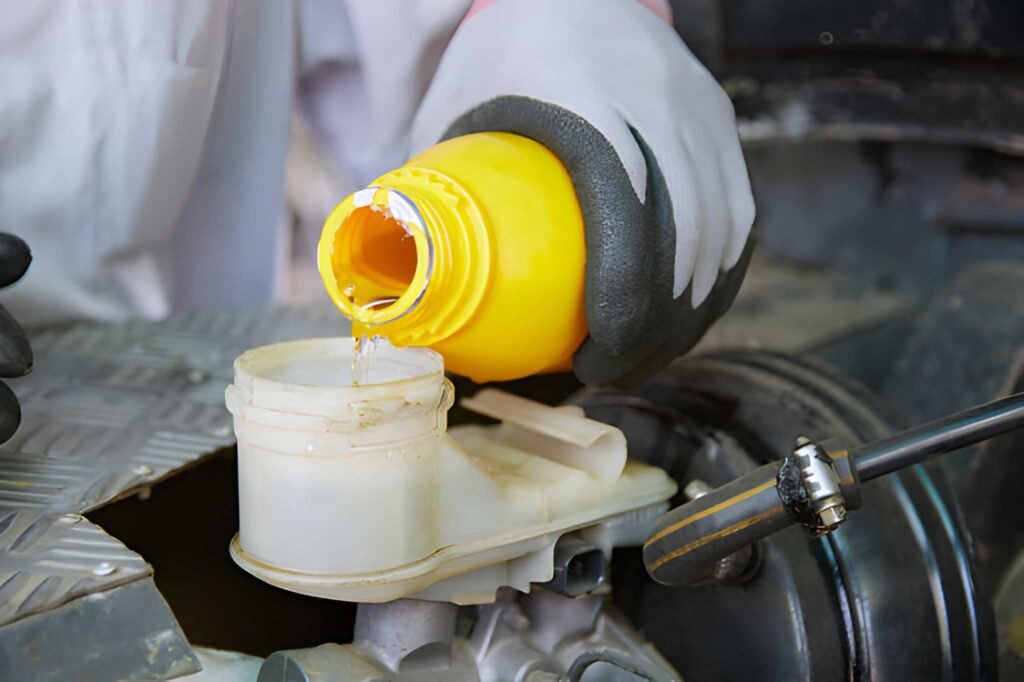
What happens if you don’t change brake fluid is that it can cause poor braking performance, brake fade, and even brake failure. Moisture absorption reduces its effectiveness, compromising the braking system.
There are many different elements that make a car function, and the brake fluid is one of the most crucial components. It helps the car stop by transferring the force from the brake pedal to the components of the brake. It’s completely basic for brake fluid to collect the moisture from the air. This creates big problems for the braking system because of the absorption. Edges of the system can become dangerous to the driver, and the problems can be costly to repair.
In the following article, we’ll discuss the problems that can arise from brake fluid absorption, the effects of not getting a fluid flush, and the most recommended times to change brake fluid.
Contents
Negative Changes in Brake System Fluid
Over time, moisture from the air and contamination degrade brake fluid. Since fluid IS hygroscopic, it attracts moisture from the air, which causes the brake lines to take in fluid. This creates various problems, including the following:
The fluid absorbs the moisture and lowers the fluid’s boiling point, which causes the fluid to temporarily vaporize and result in brake system failure. This phenomenon is known as brake fade.
The condensation within fluid can also cause corrosion within the system of master cylinder, brake lines, and the brake calipers. Corrected parts may start to leak and result in brake system failure.
Lastly, fluid can get older and contaminated. Debris, metal fragments, and dirt can get into the fluid and clog the braking systems lines, negatively impacting the braking systems.
What Happens If You Don’t Change Brake Fluid?
Neglecting maintenance on your brake fluid can cause your vehicle to have several issues that affect the performance of the vehicle’s braking system. Here are some of the risks associated with not maintaining your brake fluids.
1. Deteriorating Braking Efficiency
One of the most noticeable effects of old brake fluid is that it slows down the response time of a vehicle’s braking system. Old brake fluid becomes contaminated with moisture and the fluid levels drop causing a loss of braking pressure which can cause a delay when pressing down on the brake pedal. This can increase the time it takes to stop the vehicle which can be especially dangerous while driving fast or in situations that require the brakes to be engaged heavily.
Brake fluid is designed to create and maintain hydraulic pressure in order to allow your vehicle to stop on a dime. If the brake fluid becomes contaminated, that pressure will be lost making the vehicle harder to stop. This could also cause the brake pedal to become unresponsive or have a spongy feel when pressed down.
2. Brake Fade
Another common braking problem is known as brake fade. As the braking system is applied, the system builds heat. This happens due to the evaporation of brake fluid. Brake fluid boils, when moisture is trapped in the fluid, and the boiling point is lower than usual. The fluid turns to gas, and gas cannot transmit pressure, which leads to a decrease in the braking system’s power.
Repeated braking and heavy pressure caused by the driver is how brake fade occurs. The driver may face these situations when descending a steep hill or when suddenly braking during an emergency. Brake fade is a problem because the driver may think the system is less responsive when it is leading to brake failure.
3. Spongy or Soft Brake Pedal
If a brake pedal feels spongy, it is probably a sign the brake fluid needs to be changed. A brake pedal may feel softer due to air and/or moisture entering the brake lines. The loss of a cohesive brake fluid due to contamination moister in the system, results in a pedal lose firmness and a delay in braking engagement.
Inexpensive brake fluid and moisture contamination can increase the chances of a brake pedal becoming easier to push. Because the brake fluid can become contaminated, it can absorb moisture, compromising the entire brake system, and causing the pedal to feel softer.
Related Article
Brake Pedal Goes to Floor
Hard Brake Pedal Troubleshooting
4. Rust on Parts of the Brake System
If brake fluid is not replaced regularly, it can lead to the parts of the brakes, including the brake lines, calipers, and master cylinder, to become corroded. Moisture in the brake fluid can become more and more thick, due to the rusting process, which can lead to a breakdown of the entire braking system.
If certain brake parts get corroded, major leaks can happen and the overall braking power can decrease. This is especially true if the brake lines become corroded, which can lead to a total loss of braking. This can be very pricey to fix and can even be dangerous on the road.
5. Total Brake System Failure
Total brake system failure is possible if brake fluid is never changed, and it’s one of the most serious possible consequences. If too much debris accumulates in the fluid, the system’s critical components can be damaged and failure can result. And, when fluid is neglected, it can cause brake line or master cylinder leaks that result in the loss of hydraulic pressure. If the braking system loses pressure, effective stopping is impossible, creating huge safety issues.
Such incidents of complete brake system failure don’t occur very often, but can after too much neglect of the fluid. Avoiding brake system failure requires you change the brake fluid regularly.
Frequently Asked Questions
Here are some FAQs about not changing brake fluid –
1. Can old brake fluid cause brake failure?
Yes. Old brake fluid may cause brake failure. When the moisture content in the fluid increases, the system’s efficiency decreases. This could lead to spongy pedals, brake fade, or even complete brake failure over time.
2. How can I tell if my brake fluid needs changing?
If your brake fluid turns dark, or if the brake pedal feels soft or spongy, or if the braking feels less powerful, it’s time to replace the brake fluid.
3. Is it safe to drive with old brake fluid?
No, it’s not safe. While the car may stop, it may also experience brake fade or even fail completely. This is why old brake fluid should be replaced periodically.
4. Can I just top off the brake fluid instead of changing it?
No. Topping off the brake fluid is not a viable option. Brake fluid needs to be completely flushed and replaced, as the fluid degrades over time.
5. How much would it be to change brake fluid?
Depending on your vehicle make, model, and type of brake fluid, plus your service center labor charges, changing brake fluid costs anywhere from $70 to $120.
Conclusion
To sum up, there are many repercussions of not changing brake fluid, which include inefficient braking, brake fade, corrosion, and critical brake failure. In order to keep the braking system functioning efficiently, it is necessary to do periodic brake fluid flushes. Don’t just wait for issues to appear! Instead be proactive and change your brake fluid as frequently as your vehicle manufacturer suggests. This will prevent expensive issues from developing and allow your car to stay at its best for many years.


