


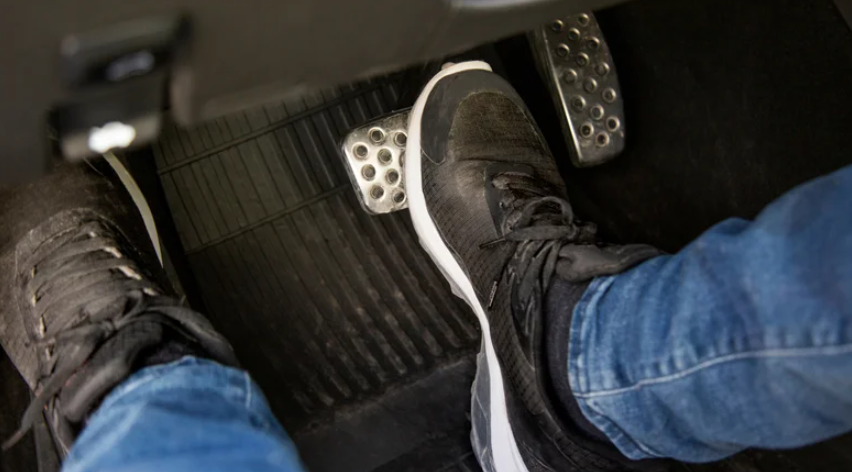
Engine braking is a technique where the vehicle’s engine slows it down by using its built-up resistance, instead of relying solely on the brake system. It helps reduce brake wear, maintain control on steep declines, and can improve fuel efficiency in some cases.
When a driver chooses to not use the vehicle’s braking system to slow down the vehicle, instead using the engine’s braking system, this is called engine braking. This is a common practice for those using either a manual or automatic vehicle transmission. This is a common practice that has a number of advantages. It can lead to less wear on the vehicle’s braking components, help gain more control of a vehicle on a steep decline, and can even save some gas.
Though this may seem complex, it is actually quite simple and is one of the most beneficial parts of driving, especially for long declines to help save on the wear of the brakes. The aim of therefore this guide is to detail the benefits of engine braking, when to use it, the different mechanics for different transmissions, and how to get the most of this practice.

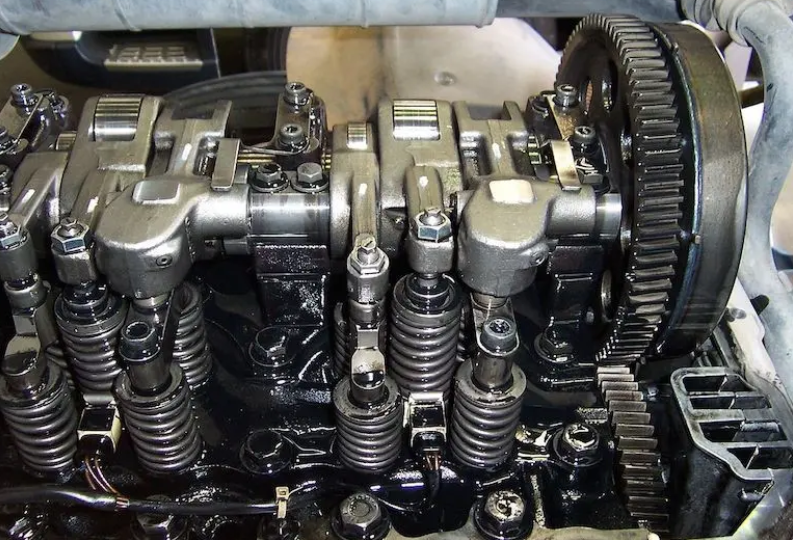
Contents
How Does Engine Braking Work?
Have you ever been on a hill and noticed when you didn’t have to use your brakes? Did you wonder why? Engine braking is a pretty nifty features on most vehicles.
1. Throttle Control
This is a pretty simple concept, and you might have already figured it out. When you stop accelerating, what you would feel if you were to press on the brake, you will feel the car lose momentum. The stopping power isn’t from the brakes but rather from the engine decelerating.
2. Compression Resistance
Have you ever been in a car where the engine sounds like it is racing? It can be pretty annoying to listen to but it isn’t just a symptom of the car, it is actually causing you to slow down. When the engine is running fast it creates a lot of compression and drag, that can act like a brake to slow you down.
3. Transmission Engagement
If you drive a manual car, you can probably remember some times where you placed your car in a lower gear. That is a classic example of how engine braking can be used to your advantage. It will cause the engine to be at a much higher RPM and the vehicle to be at a much lower speed, and that will cause the engine to create a lot more resistance.
For an automatic car, the engine braking is done for you, and for that reason, you can drive in much higher gear than you would be able to in a manual car, so that you have less engine braking.
4. Braking Efficiency
The vehicle slows down with the help of engine resistance, and with this, the driver does not have to apply the brakes, which helps to extend the braking system’s life. This situation is most beneficial in cases of repeated braking, where the driver risks experiencing brake fade as the brake elements become too hot.
Engine Braking in Manual vs Automatic Transmissions
A brake system’s functionality will vary depending on what type of vehicle it is. Engine braking is no different in that it depends on the type of transmission the vehicle has.
Manual Transmission
Drivers of manual vehicles have the most control over engine braking. In cases of descending slopes, or in cases where a reduction in speed is desired, the driver can downshift to a lower gear, increasing the vehicle’s RPM and the engine’s resistance. Control over downshifting gives the driver more options for maximizing engine braking, which is especially beneficial in manual vehicles.
For instance:
First Gear: Ideal for extreme declines, as it gives the most resistance.
Fifth Gear: Ideal for highway driving, as it gives the least resistance.
When you downshift your vehicle, the engine has to work to compress the air inside the engine’s cylinders rather than moving the vehicle, which provides resistance to the motion of the vehicle, helping the vehicle to slow down.
2. Automatic Transmissions
Modern automatic transmissions have engine braking built into them. Most modern automatic transmissions are designed to automatically downshift when you take your foot off the gas pedal. This is similar to manual cars, but is less noticeable. In automatic cars, they may have a “sport” mode or “manual” mode which allows the driver to downshift, actively engaging engine braking.
Some automatic transmissions have specific settings when going down hills such as “L” (Low Gear) or “2.” These settings will keep the vehicle in a lower gear which will increase the engine resistance to help slow the vehicle down.
3. CVT (Continuously Variable Transmission)
With a CVT, traditional engine braking means a different thing as most CVT vehicles do not require traditional gears. Instead, they implement a use case of a belt system that changes the ratio of the belt as they drive. So, when they are trying to simulate engine braking, they increase the resistance of the belt system as the vehicle is trying to slow down. It is more of a simulation to the engine braking of the other vehicles, but it is, to be more specific, a much less direct engine braking.
When to Use Engine Braking
Knowing what is engine braking is not enough, a driver should also know when to do a specific engine braking procedure. For instance, in the following situations, it is an added relief due to the added safety it gives. Also, it increases the life of the brakes by reducing wear on the braking system.
1. Long Downhill Slopes
When driving downhill, constant use of the brake pedal can lead to brake fade (the brakes lose their effectiveness due to overheating). With engine braking, you can go down without the worry of brake fade as it uses the engine’s resistance to help keep the vehicle within the designated speed range. This means that the driver can maintain a consistent speed without having to brake all the time.
2. Significant Brake Wear
When using the throttle to let the car decelerate, wear on brakes and pads is less. Engine braking means you are applying the brakes less often, which means the brakes will last longer.
3. Sudden Loss Of Control
There is a sudden loss of control with icy roads and sudden braking as the wheels could lock. Using the throttle as a brake is more level and is better than pedal brakes. Also, braking is more useful and safer when using engine brakes.
4. Engine Brake and Fuel Consumption
Fuel consumption is improved on some modern vehicles. Many modern vehicles, especially hybrids, are designed to stop fuel consumption while decelerating. Known as fuel cut-off, this retains fuel when the car is coasting to a halt.
5. Towing
Engine braking is useful because it helps you keep control of the vehicle and load when going down very steep hills. If you are towing a trailer or have a big load, the brakes can lose their effectiveness and become really hot from the heavy load. To help prevent this, you can use engine braking.
Benefits of Engine Braking
What are the advantages of engine braking? Here are four benefits of engine braking.
- Cause Less Wear on Brakes: One of the primary benefits of engine braking is less reliance of the brake system. Heavy and constant use of the brake pads leads them to be worn down quicker, meaning the brakes need to be replaced much sooner, which leads to increased costs of maintenance. However, engine braking helps to save the brake pads and rotors from having to be replaced as frequently by helping to do the work of braking.
- Increase Driver Control: Engine braking helps to give the driver greater control of the vehicle, but even more so in slippery and steep descend situations. Engine braking helps to keep the vehicle more stable by slowing the vehicle down without using the brakes, which helps to prevent the vehicle from skidding and helps to prevent the wheels from locking.
- Increase Safety: There are more uses of engine braking than the ones that have already been discussed. One of the benefits is avoiding the brake system losing some or all of its braking power due to the brake system overheating. Additionally, Engine braking helps to smooth the deceleration in emergency situations.
- Contributes to Longer Life of Vehicle: Less dependence on brake pads results in engine braking helping to prolong the braking system. Because of less reliance on the brake pads, all components of the braking system experience less wear and tear.
- Fuel Efficiency in Certain Vehicles: In the case of hybrid cars and some modern vehicles equipped with fuel-saving technologies, engine braking is said to enhance fuel efficiency. Since the vehicle decelerates with fuel braking, the car consumes less fuel when slowing down, thereby increasing efficiency in terms of miles per gallon.
Disadvantages of Engine Braking
Engine braking is beneficial in a number of contexts, but it does have its limitations.
- Not a Substitute for Emergency Braking: Although engine braking is effective, it does not replace the need to use emergency brakes. Whenever a quick stop is required, emergency brakes should be used.
- Risk of Engine Strain: Although the engine will have to work harder to decelerate the vehicle, excessive engine strain will occur. If proper techniques are not used, such as downshifting too aggressively, excessive strain on the engine will occur.
- Learning for New Drivers: New drivers, especially those with limited experience in manual transmissions, may find that it is extremely difficult to use engine braking in a smooth manner. Learning how to downshift so that the car does not jerk is a skill that takes practice, as is engine braking without causing excessive strain to the engine.
- Restrictions with Automatic Cars: Although some newer automatic cars do attempt to simulate engine braking, they often tend to do so much less compared to cars with manual transmissions. In automatic cars, especially older ones that lack manual shift options, some drivers feel less control over the engine braking.
Engine Braking vs Traditional Braking
Engine braking and traditional braking serve the same purpose — to slow down a vehicle — but they achieve this in different ways. Let’s compare them:
| Feature | Engine Braking | Traditional Braking |
|---|---|---|
| Mechanism | Uses engine resistance | Uses brake pads and rotors |
| Heat Generation | Low | High |
| Wear on Components | Reduced brake wear | Causes wear on pads and rotors |
| Control on Descents | Good | Good, but risks brake overheating |
| Emergency Stops | Limited | Strong and quick |
While traditional braking is essential for quick stops, engine braking is highly effective for controlled deceleration over long distances and minimizing wear.
How to Use Engine Braking
Here is how to use engine braking correctly.
1. In Manual Transmission Cars
To use engine braking in a manual vehicle:
- Stop pressing the accelerator: This will allow the vehicle to be slowed down by the engine’s resistance.
- Shift to a lower gear: The lower the gear, the more resistance the engine will provide.
- Stay in control: Use the engine braking effect to slowly bring the vehicle to a stop without using the brake.
2. In Automatic Transmission Cars
In an automatic vehicle,
- Stop pressing the accelerator: This usually causes a downshift to simulate engine braking in most modern cars.
- Put the car in sport or low mode: This may allow for some manual control in certain automatic cars by enabling a lower gear, which will increase engine braking.
3. In Hybrid Vehicles
In hybrids, engine braking works almost the same as in traditional vehicles, but may involve the aid of the electric motor to help slow down the vehicle. Most hybrids will combine engine braking with regenerative braking to convert kinetic energy into electricity to recharge the battery.
Frequently Asked Questions
Here are some FAQs about what is engine braking –
- What does it mean to engine brake and what does it do?
Engine brake is a technique that involves the car engine’s internal mechanisms to slow the vehicle. Engine braking minimizes brake wear and helps the driver maintain vehicle control, especially during wet driving conditions.
- Can engine braking hurt the engine?
No, engine braking should not hurt the engine. But, if excessive and aggressive downshifting occurs at high speeds can put excess strain on an engine.
- Can you do Engine braking on an automatic car?
Yes, most new automatic transmissions perform Engine braking automatically on their own by doing a downshift when the driver takes their foot off the gas and decelerates.
- Is braking the same thing as engine braking?
No. Engine braking is when the engine of a car uses its internal resistance to slow and halt the vehicle. Whereas, braking is when a car uses its brake pads and rotors to create friction and slow and stop the vehicle.
- Is it true that engine braking is good for fuel consumption?
Yes, in particular models of cars like hybrids, and new designed models, engine braking is good for fuel consumption as it helps in the deceleration of the vehicle by automatically cutting the fuel supply.
Conclusion
To sum up, what is engine braking? Engine braking uses the engine’s built-up resistance to slow the vehicle. This method is valuable because it reduces brake replacement frequency, helps maintain control on steep declines, and can lower fuel costs. Engine braking is not a substitute for emergency braking and should not be used as such. However, it is a useful technique that can make driving safer and more cost-effective. Engine braking can improve your driving experience and extend the life of the brake system.


