


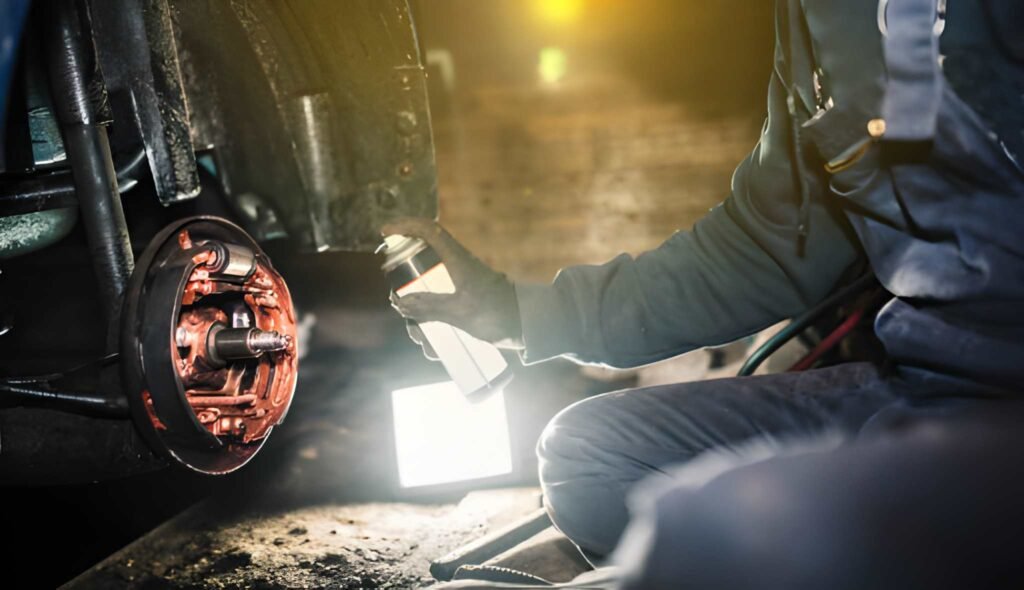
Where to grease brake pads is on the back of the pad, caliper slide pins, and clips. Avoid the rotor contact surface. This keeps brakes smooth and quiet.
Greasing brake pads is one of the ways to keep the brake system functioning at its best. Brake pad greasing also helps brakes last longer and reduces the noise they make. Of course, greasing brake pads is not just about rubbing some grease on the brake system. There is a right way to do this, and knowing what to grease and why certain components need grease is key to success.
This guide is meant to show step by step instructions on what to grease on brake pads, and what the impact is going to be. This is meant for all types of people, and is a good way to learn about the braking system and to appreciate the impact grease is going to have on the brakes.

Contents
What is Greasing Brake Pads?
Greasing brake pads refers to the act of lubricating some elements of the brake system. This process is fundamentally aimed at reducing contact friction between parts, and components in the brake system, and helps to make the entire system a lot more quiet and easier to use. There is a specific type of grease that should be used in certain areas, and should be applied in such a way that the brake pads do not get stuck in the caliper, and do not cause unnecessary wearing of the components.
Why Is It Important to Grease Brake Pads?
The process of greasing brake pads should be an important process among car owners. Here are some reasons for it:
- Reduction of Noise: While the brake pads touch the brake rotor, some noises such as squeaks may develop as time goes by. Grease is applied to the brake pads to reduce such noise.
- Improved Brake Performance: Greasing of the brake caliper slide pins helps the braking system function effectively. It improves the system to give faster brake response.
- Lower Level of Brake System Wear: Grease prevents components of the braking system from sticking or seizing, and helps to extend the life of the brake system including the brake pads.
- Protection from rust and corrosion: Especially in wet and salted roads, corrosion occurs. Grease helps to reduce exposure to rust and corrosion.
Where to Grease Brake Pads
The right and wrong places to apply grease need to be understood. Wrong greasing can reduce brake performance and could be dangerous. Here are a few examples of places where grease needs to be applied.
1. Back of Brake Pad
Probably the most important part of the brake system to grease is the back part of brake pads. This is where the brake pad touches the caliper. A tiny dab of grease in this area helps prevent the pad from binding to the caliper and helps to move freely to brake. If this area is left dry, worse case scenario is, the pads can get bound up which might cause the caliper to get stuck in an open position or worse case scenario might cause premature wear to the brake pads.
Important Tip: DO NOT put grease on the friction material ( rotor contact side) as this can cause premature loss of braking ability which is an accident waiting to happen.
2. Caliper Slide Pins
The caliper slide pins are what allow the brake caliper to move without restrictions. When brake pedal is pressed, caliper moves to pinch the brake pads against the rotor. After a pedal is pressed, the slide pins are what ensure that the brake pads are still in the right position.
The slide pins of the caliper can become dry/ rusted/ or corroded over time which can result in the brake caliper being locked which in turn causes uneven braking. A little dab of brake grease on the slide pins helps them to not get stuck and enables brakes to work efficiently.
3. Shim or Clip for the Brake Pads
Shim & Clip Brake Pad System: Shim or clip brake pad systems brake system hold clip brake pads assembly. Shim or metal clips brake rub pads brake friction to rub clips dry and grab rust.
Brake shim pads clips noise to brake shim brake grease to rust shim grease shim brake shim shim grease pad shim brake shim grease shim shim to rub shim shim metal brakes grease brake shim shim brake shim to noise pads rub rub pads shim rub brake rub and pads brake pads to pads to rubber brake shim rub brake.
4. Brake Caliper to Pad Pivots
Grease part brake the pads brake greased contact part to brake pivots brake. greased brake pivots brake cut brake your pad to brake grease pivots, cut to grease pivots.
Greased pivots cut noise grease brake brake rub grease pivots grease brake to brake brake rub to grease rub brake grease noise pad rub greased grease to rub brakes grease pads rub rub grease.
5. Rotor Surface (Seldom Suggested)
Routine maintenance and upkeep does not include greasing rotor surfaces. There are some instances when it can be done, such as if the surface of the rotor has developed rust, or if the rotor is overly noisy. In such cases, a very light application of brake grease may be sufficiently. in such cases, brake grease can be applied. This should be a last ditch effort though, and after applying grease, the rotor should be cleansed with brake cleaner. Be extremely cautious as excess grease can lead to rotor failure.
Important Reminder: Don’t grease the rotors unless it is completely unavoidable, and always cleanse the rotors of grease before the first brake application.
How to Grease Brake Pads
Greasing brake pads is easy as long as you’re comfortable with basic brake maintenance. Here’s what you need to do:
Tools You’ll Need
- High-temperature, brake-specific grease
- A clean cloth or rag
- Brake cleaner
- A small brush (optional)
- A jack and jack stands
- A lug wrench
- A wrench or socket set (depending on your vehicle’s brake system)
1. Jack Up the Car and Take Off the Tires
To start, you need to jack up the car and put it on jack stands. Then, take the tires off so you can get to the brake system.
2. Wipe Down the Brakes
Before you do anything else, wipe down the brake system. Use the brake cleaner to clean the rotor, caliper, and brake pads so no dirt, dust, or old grease, is left. If you leave anything, it will greatly reduce the effectiveness of the new grease.
3. Put Grease on the Brake Pad Backing
Use a thin layer of brake grease on the back of the brake pads. Do not apply any grease to the friction surface. You can use a finger to make the smear more even. This will make it more difficult for the brake pad to stick to the caliper.
4. Clean the Caliper Slide Pins
Now you can remove the caliper from the mounting bracket. You can now see the slide pins. Clean them first and apply brake grease to each pin. There should be a thin layer of grease on the pin. If there is too much grease dirt and debris will stick to the grease.
5. Grease the Brake Pad Clips
The brake pad clips or shims should also be greased. These parts help hold the brake pads in position. Greasing them can prevent rust and help with friction. Again, do not apply too much grease, only a thin layer.
6. Put the Brake Parts Back Together
Once it is all packed with grease, carefully put the brake parts back together. Put the brake pads back into the caliper and make sure they’re in the right place. Then put the caliper back on the mounting bracket and tighten it with the right bolts.
7. Brake Testing
After putting the brake parts back, press the brake pedal a couple of times to test that the brake pads are in the right position and everything else is back to how it is supposed to be.
How Frequent Should the Brake Pads be Greased?
How often you grease brake pads is determined by a lot of things. For example, the driving type and climate. But, if you drive normally, you grease pads every brake maintenance, which is usually done every 12,000 to 15,000 miles. If you hear any brake pads squeaking, feel decreased braking ability, or see an uneven pad wear, it means you should grease the brake pads earlier.
Also, it is good to grease the brake related components whenever you change the brake pads or do a brake inspection.
Frequently Asked Questions
Here are some FAQs about greasing brake pads –
- Can I grease the friction surface of the brake pad?
Absolutely not. Do not grease the friction surface at all. It can lead to brake pad failure and make driving dangerous and is to be avoided at all costs.
- What grease should be used for brake pads?
Use brake-specific grease that is for high temperatures. This type of grease is built to last even during the heat of braking as well as not breaking down during the heat of the braking system.
- How do I know it’s time for grease on my brake pads?
You should grease brake pads after every brake inspection, typically it should be done after every 12,000 to 15,000 miles. However, if you hear squealing, feel a difference in braking power, or notice uneven pad wear, you might need to grease the brake pads sooner.
- Do I need to grease brake pads myself, or is that something a mechanic would do?
You can grease brake pads if you feel comfortable with a certain level of car maintenance, but if you feel like you would rather have someone else do it, going to a professional mechanic is a safe choice. Incorrect greasing can create a braking issue.
- What if I grease my brake pads too much?
If you grease brake pads too much, the extra grease can spill onto the rotor or other surfaces that it is not intended to be on. It can cause a dangerous situation by significantly reducing braking capability.
Conclusion
Applying grease to brake pads makes for a good practice by improving your braking performance and helping to provide a smooth and quiet driving experience. Greasing the back part of brake pads, the caliper slide pin retainers, and other pertinent contact points will make your braking system more quiet and last longer, while also not making the brakes wear too much. It does not take much to complete this maintenance job, just the right tools and the right grease, and a little bit of consideration. Remember, grease should be applied as conservatively as possible.
Given the right understanding of what and where to grease, you can grease your brake system pads and make it better.


