


Which engine has more power? The Koenigsegg Gemera HV8 holds the record with a combined total of 2,269 horsepower from its twin‑turbo V8 and hybrid system. Electric motors in cars like the Lotus Evija also generate impressive power, with the Evija producing 2,000 horsepower from its four electric motors.
When people ask which engine has more power, the answer is complex. Engine power isn’t just about a single metric; it involves a balance between horsepower and torque, both of which affect vehicle performance differently. Horsepower is what most car enthusiasts think of when they hear “power,” but torque plays a huge role in how a car performs, especially in terms of acceleration and towing capacity.
In this guide, we will explore the science behind engine power, how it’s measured, and what factors influence it. From high-performance sports cars to hybrid vehicles, understanding these concepts will allow you to evaluate and compare the engines of modern cars effectively. By the end of this article, you’ll be able to determine which engines have the most power and why it matters.
Contents
- 1 What Does Engine Power Really Mean?
- 2 Key Engine Types and Their Power Outputs
- 3 Electric vs. Gasoline: What Has More Power?
- 4 What Matters More: Torque or Horsepower?
- 5 Which Engine Has the Most Power in Regular Vehicles?
- 6 How to Compare Engines: Key Metrics to Consider
- 7 Frequently Asked Questions
- 8 Conclusion
What Does Engine Power Really Mean?
In automotive terms, engine power typically refers to a combination of horsepower and torque, which work together to give a vehicle its overall performance characteristics.
Horsepower
Horsepower is a measure of how much work an engine can do over time. The term was coined by James Watt in the 18th century to compare steam engines to horses. Horsepower is calculated based on the engine’s ability to perform work at a given rate and is directly tied to the engine’s rpm (revolutions per minute).
The formula for calculating horsepower is:Horsepower=Torque×RPM5252\text{Horsepower} = \frac{\text{Torque} \times \text{RPM}}{5252}Horsepower=5252Torque×RPM
For example, if an engine has 400 lb-ft of torque at 4,000 rpm, its horsepower will be:Horsepower=400×40005252=304.5 hp\text{Horsepower} = \frac{400 \times 4000}{5252} = 304.5 \, \text{hp}Horsepower=5252400×4000=304.5hp
Horsepower is a crucial metric when evaluating top speed and overall performance in sports cars and supercars. However, it’s important to note that horsepower alone doesn’t give a full picture of engine power.
Torque
Torque, on the other hand, is the force that the engine generates to rotate the wheels. It’s responsible for acceleration and how quickly the car can speed up from a stop. In general, higher torque means better low‑end power, which is crucial for quick launches and towing heavy loads. Torque doesn’t necessarily increase top speed, but it plays a vital role in performance at lower speeds.
For instance, when you’re starting from a complete stop, a car with higher torque will get you moving quicker than one with a higher horsepower number but lower torque. Torque is especially important for trucks and vehicles designed for towing or off-roading.
Key Engine Types and Their Power Outputs
Now that we understand what horsepower and torque mean, let’s take a look at various engine types and configurations that generate high power. We will examine engines across sports cars, supercars, trucks, and hybrids, showing which powertrains are currently leading the industry.
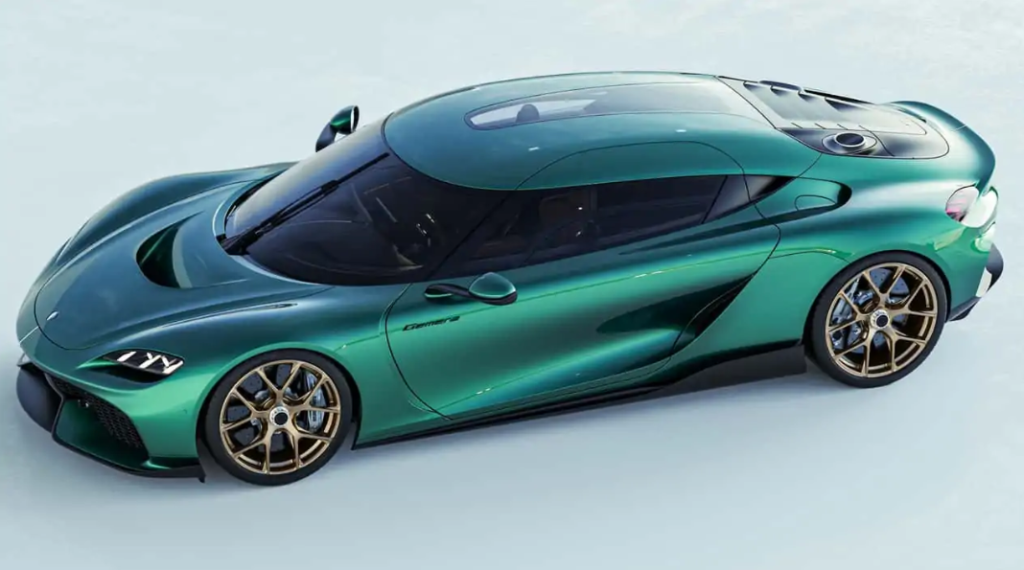
1. Koenigsegg Gemera HV8
The Koenigsegg Gemera is a hybrid supercar with an astounding 2,269 horsepower produced by its combination of a twin‑turbo V8 and three electric motors. The V8 engine alone contributes 1,500 horsepower, while the hybrid system adds even more power. The Gemera is an example of a cutting-edge hybrid engine combining both internal combustion and electric motor technology.
- Horsepower: 2,269 hp
- Torque: 2,028 lb-ft
- Engine Type: 5.0‑liter twin‑turbo V8 hybrid
The Koenigsegg Gemera is an example of the future of high‑power hybrid engines, blending traditional performance with sustainable technology.

2. Hennessey Venom F5
The Hennessey Venom F5 is another hypercar that boasts incredible engine power. Its 6.6‑liter twin‑turbo V8 engine is capable of producing 1,817 horsepower and over 1,190 lb-ft of torque, making it one of the most powerful internal combustion engines in the world.
- Horsepower: 1,817 hp
- Torque: 1,190 lb-ft
- Engine Type: 6.6‑liter twin‑turbo V8
The Venom F5 aims for a top speed over 300 mph, and its immense power output ensures it can achieve these insane speeds. This engine demonstrates how turbocharging technology can help a vehicle reach unimaginable levels of performance.
3. Bugatti Chiron Super Sport 300+
The Bugatti Chiron Super Sport 300+ features a quad‑turbocharged 8.0‑liter W16 engine that produces 1,577 horsepower. Known for its top speed, the Chiron’s engine provides an exceptional combination of power and smoothness, propelling it to speeds beyond 300 mph.
- Horsepower: 1,577 hp
- Torque: 1,600 lb-ft
- Engine Type: 8.0‑liter quad‑turbo W16
The Bugatti Chiron represents one of the most extreme examples of pure horsepower, combining both luxury and extreme performance.
4. Lotus Evija (Electric Powerhouse)
The Lotus Evija represents the incredible power that electric motors can generate. With four electric motors powering each wheel, the Evija produces a combined total of 2,000 horsepower and 1,700 lb-ft of torque.
- Horsepower: 2,000 hp
- Torque: 1,700 lb-ft
- Engine Type: Electric (four electric motors)
While the Evija is electric, its impressive output shows how electric motors can offer immediate torque and unmatched power at high speeds.
5. Aston Martin Valkyrie Cosworth RA V12
The Aston Martin Valkyrie is powered by a naturally aspirated Cosworth RA V12 engine, which delivers 1,000 horsepower and revs up to an incredible 11,100 rpm. While not as powerful in terms of peak horsepower as some of the other hypercars, its power-to-weight ratio and high-revving nature make it one of the most exciting engines on the track.
- Horsepower: 1,000 hp
- Torque: 546 lb-ft
- Engine Type: 6.5‑liter naturally aspirated V12
The Valkyrie’s V12 engine is a nod to classic performance, offering raw power without any forced induction, making it a unique and exciting engine in the hypercar world.
Electric vs. Gasoline: What Has More Power?
When considering which engine has more power, it’s important to note the difference between electric and combustion engines. Historically, gasoline engines have been the go‑to for high‑performance vehicles, but electric engines have started to close the power gap and, in some cases, exceed it.
Electric Motors
- Instant Torque: Electric motors provide immediate torque from a standstill, meaning vehicles with electric powertrains can often accelerate quicker than traditional gasoline engines.
- Efficiency: Electric engines are incredibly efficient, with fewer moving parts and no need for a complex transmission to transfer power.
Gasoline Engines
- Higher Horsepower: Traditionally, internal combustion engines (ICE) produce higher horsepower figures, particularly in larger V8s or supercharged engines. These engines excel at top speed and high-end power.
- Fueling and Infrastructure: Gasoline engines can be refueled quickly, whereas electric vehicles require charging, which can take longer, especially with large battery packs.
What Matters More: Torque or Horsepower?
When you compare which engine has more power, it’s essential to understand how torque and horsepower affect real-world performance. While horsepower gets a lot of attention in discussions of engine power, torque plays a huge role in acceleration and towing.
- Torque is most noticeable at low rpm and affects how quickly the car accelerates, especially from a stop.
- Horsepower determines the vehicle’s ability to maintain speed at higher rpms and affects top-end performance.
In high-performance cars, a balance of both is needed: horsepower for speed and torque for quick acceleration.
Which Engine Has the Most Power in Regular Vehicles?
While hypercars often take the spotlight for pure power, there are plenty of vehicles in the mainstream market that feature very powerful engines. Here are a few examples:
1. Chevrolet Corvette ZR1
The Corvette ZR1 uses a 6.2L supercharged V8 engine that produces 755 horsepower and 715 lb-ft of torque. This engine offers fantastic acceleration, making the ZR1 one of the most powerful American sports cars.
- Horsepower: 755 hp
- Torque: 715 lb-ft
- Engine Type: 6.2L supercharged V8
2. Dodge Challenger SRT Demon
The Dodge Challenger SRT Demon boasts a 6.2L supercharged V8, producing a staggering 840 horsepower and 770 lb-ft of torque. It was engineered for straight-line speed, making it one of the most powerful cars available.
- Horsepower: 840 hp
- Torque: 770 lb-ft
- Engine Type: 6.2L supercharged V8
How to Compare Engines: Key Metrics to Consider
When comparing which engine has more power, keep the following factors in mind:
1. Horsepower
Higher horsepower means faster acceleration and higher top speed. It’s crucial for performance vehicles that focus on speed.
2. Torque
Torque determines how quickly a vehicle can accelerate from a stop. This is especially important for trucks, SUVs, and performance cars that need to pull heavy loads or launch quickly.
3. Engine Type
The type of engine—whether naturally aspirated, turbocharged, supercharged, or hybrid—affects how the power is delivered and what kind of performance to expect.
Frequently Asked Questions
Here are some FAQs about most powerful engine –
1. Which engine has the most horsepower?
The Koenigsegg Gemera HV8 currently holds the record for the most powerful production engine, producing over 2,000 horsepower.
2. Does a higher horsepower engine always mean faster?
Not always. While higher horsepower helps top speed and high‑rpm performance, torque, weight, and drivetrain also play key roles.
3. Which is better: electric or gasoline engines?
Electric engines provide instant torque and high efficiency, but gasoline engines offer more power for top speed and are still more common in high-performance vehicles.
4. How much horsepower does a normal car engine have?
Most regular cars have engines producing between 100–300 horsepower, with sports cars typically exceeding 400 horsepower.
5. Can a hybrid engine have more power than a traditional engine?
Yes, hybrids combine electric motors with combustion engines, often resulting in higher total horsepower, like in the Porsche 918 Spyder.
Conclusion
So, which engine has more power? The answer depends on how we define power. For sheer horsepower, hypercars like the Koenigsegg Gemera HV8 and Hennessey Venom F5 lead the pack. However, torque, especially in electric and hybrid systems, plays a crucial role in acceleration. Whether you’re looking for a high-performance sports car or a family vehicle, understanding how power works is essential in choosing the right engine.
Modern engines are pushing the limits of what’s possible, especially with the rise of hybrid and electric powertrains that offer instant torque and high efficiency. Still, internal combustion engines continue to dominate in terms of raw horsepower, ensuring that traditional engines remain at the forefront of performance cars. Whether you prioritize horsepower, torque, or efficiency, understanding these factors will help you make a better choice when comparing engines.


