


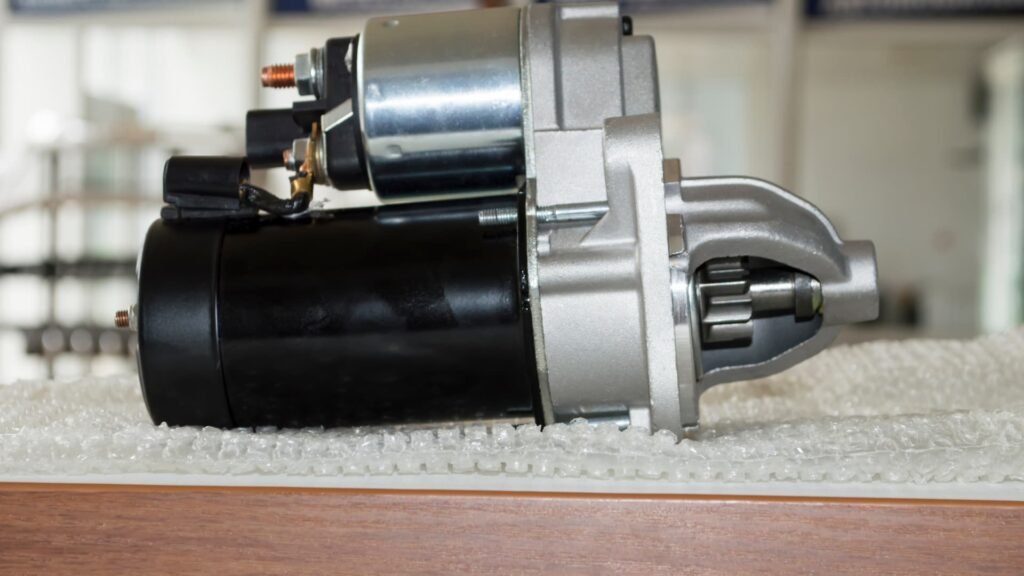
Will the engine turn over if the starter is bad? No, a failed starter typically prevents the engine from rotating because the mechanical link between the battery and the crankshaft is broken. You will usually hear only a single click or total silence instead of the engine cranking.
The starter motor is the unsung hero of your vehicle’s ignition system, acting as the bridge between your battery’s electrical energy and the engine’s mechanical movement. In simple terms, it is a powerful electric motor that provides the initial physical force required to spin the engine’s internal components until the process of internal combustion can take over.
When you turn your key or push the start button, a high-voltage signal travels to this motor, which then mechanically engages the engine. However, when this component fails, the vital link between your battery and your engine is severed, and the engine may not turn over if the starter is bad. It is a frustrating experience that often leaves drivers stranded. While a dead starter is a common culprit, other electrical issues—like a drained battery, blown fuses, or corroded wiring—can often mimic the symptoms of a starter failure, making accurate diagnosis essential for any car owner.
Contents
- 1 What Does “Turn Over” Mean?
- 2 How the Starter Works
- 3 Common Signs of a Bad Starter
- 4 Will the Engine Turn Over if the Starter is Bad?
- 5 Other Causes of No Turnover
- 6 How to Diagnose a Bad Starter
- 7 Partial Starter Failure
- 8 Step-by-Step Troubleshooting Guide
- 9 Starter Replacement Cost and Effort
- 10 Maintenance Tips to Avoid Starter Problems
- 11 Safety Tips for Beginners
- 12 Frequently Asked Questions
- 13 Conclusion
What Does “Turn Over” Mean?
Knowing automotive terminology is the first step toward diagnosing a vehicle that won’t start properly. For those new to DIY car repair, “turn over” is a term that describes the mechanical rotation of the engine’s crankshaft.
When you attempt to start your car and hear that rhythmic “rur-rur-rur” sound, that is the engine turning over. It is vital to understand the difference between cranking and running. Cranking (turning over) is the act of the starter motor physically forcing the pistons up and down. Running (firing) is what happens when the spark plugs ignite the fuel, allowing the engine to stay in motion on its own power. If your engine will not turn over, it means the starter isn’t even beginning the process, and the car remains completely silent or makes a faint clicking noise.
How the Starter Works
The starter motor relies on a precise sequence of electrical and mechanical events to function correctly. By understanding this process, you can better identify which part of the system is failing when your car remains stationary.
Starter Motor Basics
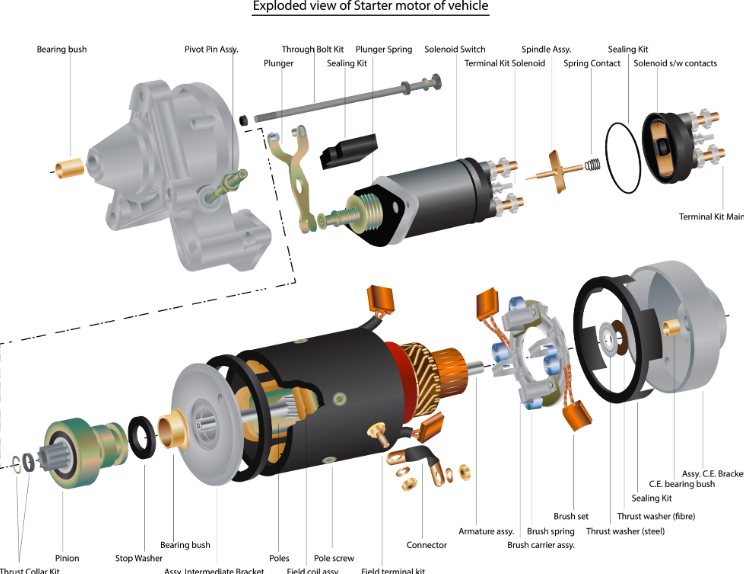
The starter is a dedicated electric motor designed for short bursts of high-torque power. When you initiate the ignition, the battery sends a massive surge of current to the starter solenoid, which acts as a heavy-duty relay to close the circuit

Engaging the flywheel
The starter doesn’t just spin in place; it must physically connect to the engine to be effective. Inside the starter, a small gear known as the pinion gear is pushed forward by the solenoid to mesh with the teeth of the flywheel, a large disk bolted to the back of the engine’s crankshaft.
Electrical and mechanical dependencies
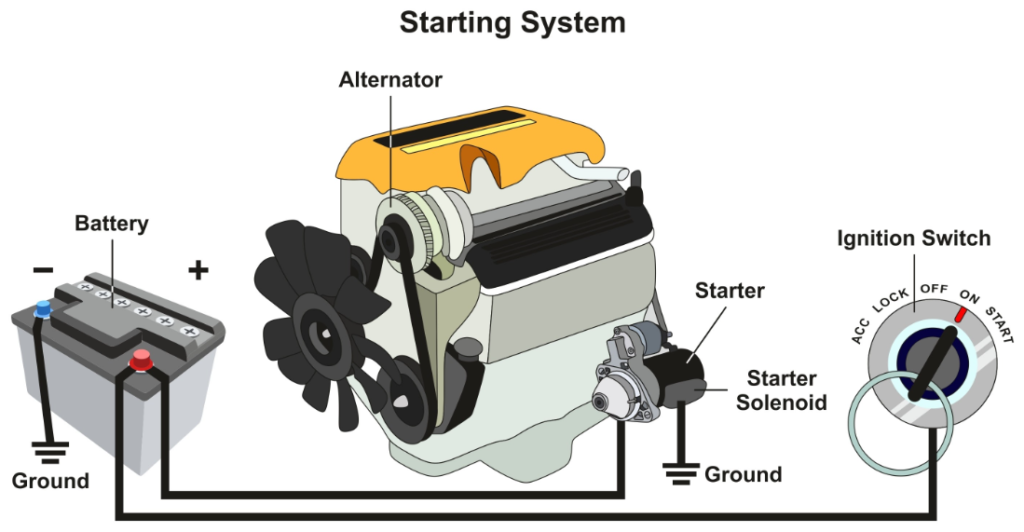
For the engine to turn over, a perfect “handshake” must occur between the electrical and mechanical systems. The battery must provide 12.6 volts, the ignition switch must send a “start” signal, and the solenoid must mechanically bridge the gap to rotate the motor.
Common Signs of a Bad Starter
Recognizing the early warning signs of a failing starter can save you from being stranded in a parking lot. Here are the most frequent symptoms that indicate your starter is reaching the end of its life.
No crank or engine noise
This is the most obvious sign of a total failure. You turn the key, and while the dashboard lights may come on, the engine remains dead silent, indicating no electrical communication with the motor.
Clicking sounds
A single, loud “clack” often means the solenoid is engaging the gear, but the motor lacks the electrical strength to spin. Rapid-fire clicking usually points toward a battery that is too weak to hold the connection.
Whirring without engine movement
If you hear a high-pitched “zing” or whirring sound, the starter motor is spinning internally, but the pinion gear has failed to extend and grab the flywheel.
Slow cranking
If your engine sounds like it is struggling to move—turning over very slowly and painfully—it may be a sign of high internal resistance in the starter. This “labored” sound is a classic indicator of a dying motor.
Intermittent starting
Sometimes the car starts perfectly, and other times it requires five tries. This is often caused by “dead spots” on the starter’s internal armature that only allow a connection when the motor stops in a specific position.
Will the Engine Turn Over if the Starter is Bad?
The answer to this question depends largely on the severity and type of the failure occurring within the component. In most cases, a bad starter prevents the engine from turning over entirely, though there are exceptions.
In a complete failure, the engine will absolutely not turn over because the mechanical connection is never made or the motor is seized. However, in a partial failure, the starter may have enough strength to move the engine slightly but not enough to reach the RPMs required for the engine to fire. Heat is a major factor here; a starter may work fine when the engine is cold but fail to turn the engine over once the car has been driven and the metal components have expanded.
Other Causes of No Turnover
It is easy to misdiagnose a starter problem because several other components can produce the exact same symptoms. Before you replace the starter, ensure you have ruled out these common electrical culprits.
- Weak or dead battery: The most frequent cause of a no-start condition; always test your voltage first.
- Corroded or loose connections: Ensure the thick cables on the battery and starter are tight and free of oxidation.
- Faulty ignition switch: If the switch inside your steering column is broken, the signal to start never reaches the motor.
- Neutral safety switch: Your car will not turn over if the computer thinks it is in “Drive” or “Reverse” for safety reasons.
How to Diagnose a Bad Starter
Diagnosing a starter is a process of elimination that starts with the simplest possibilities. Follow these steps to determine if the motor is truly at fault.
- Listen for sounds: A click points to the solenoid; silence points to a delivery issue like a fuse or battery.
- Check battery voltage: Use a multimeter to ensure you have at least 12.4 to 12.6 volts.
- Inspect cables: Look for green or white corrosion on the terminals that might be blocking the flow of electricity.
- The Tap Test: Gently tap the starter body with a hammer while someone else turns the key to jar the internal brushes back into contact.
- Professional testing: Most auto parts stores will bench-test your starter for free if you remove it and bring it in.
Partial Starter Failure
A partial failure is often more deceptive than a total failure because it is inconsistent and unpredictable. This type of failure often presents as a mechanical struggle rather than a total electrical blackout.
This often manifests as heat soak, where the starter becomes less efficient as it gets hot from engine proximity. You might drive to the store without an issue, but when you try to leave, the engine won’t turn over until the car sits for 30 minutes and the starter cools down. This is a clear sign that the internal windings of the motor are degrading.

Step-by-Step Troubleshooting Guide
If you are currently stuck in your driveway, this troubleshooting sequence will help you narrow down the problem quickly. Start from the battery and work your way toward the starter motor.
- Check the Battery: Turn on your headlights; if they dim significantly when you try to start the car, the battery is the likely culprit.
- Inspect Terminals: Wiggle the battery cables to ensure they are tight enough to provide the massive amperage needed for starting.
- Try Jump-Starting: If the car starts with a jump, your starter is perfectly fine, and you simply need a new battery or alternator.
- Listen: If you hear the motor spinning but the engine isn’t moving, the starter’s Bendix drive is physically broken.
- Seek Professional Testing: If the engine still won’t turn over, the starter should be pulled for a professional load test.
Starter Replacement Cost and Effort
Replacing a starter is a standard repair that varies in difficulty depending on where the manufacturer decided to hide the motor. Here is what you can expect in terms of financial and physical effort.
- Parts: A new or remanufactured starter typically costs between $80 and $350.
- Labor: Mechanics usually charge 1 to 3 hours of labor, which can add $150 to $450 to the total bill.
- DIY Effort: Replacing a starter is a “Level 2” DIY task. While the bolts are usually easy to find, you may need to work in tight spaces or remove other components to gain access.
Maintenance Tips to Avoid Starter Problems
While starters are generally “wear and tear” items, you can extend their lifespan by taking care of the rest of your electrical system. Prevention is always cheaper than a tow truck and a repair bill.
- Battery Care: A weak battery forces the starter to draw more current, which creates excessive heat and shortens its life.
- Clean Terminals: Keep connections free of corrosion using a wire brush and terminal protector spray.
- Avoid Repeated Starts: Don’t crank the engine for more than 10 seconds at a time to avoid burning out the motor.
- Listen for Sounds: Address any new grinding or clicking sounds immediately before the part fails completely.
- Prompt Replacement: Replace the starter as soon as it shows signs of slow cranking.
Safety Tips for Beginners
Working on a car’s electrical system requires specific safety precautions to avoid injury or damage to the vehicle’s computer. Always prioritize safety before reaching for your tools.
- Disconnect the Battery: Always remove the negative (black) cable first to prevent accidental electrical shorts.
- Wear Protection: Starters are often located under the car where dirt, rust, and grease can fall into your eyes.
- Avoid Moving Parts: Ensure the car is in Park and the emergency brake is securely engaged before working.
- Seek Help: If the starter is located in a complex area like under the intake manifold, consider hiring a professional.
Related Article
Starter Too Far Away from Flywheel
9 Tooth vs 11 Tooth Starter
Remote Car Starters Installed
Frequently Asked Questions
Here are some FAQs about bad starter –
1. Can a bad starter make the engine turn slowly?
Yes. Internal wear or failing bearings can cause the starter to struggle against the engine’s compression, resulting in a very sluggish crank.
2. Does clicking always indicate a bad starter?
No. Clicking is often the sound of a solenoid trying to engage with insufficient power from a dying battery.
3. Will a car start with a partially failing starter?
It might start occasionally, but it is unreliable. It will eventually fail completely, often when the engine is hot.
4. How long does it take to replace a starter?
On most common vehicles, a professional can complete the job in about 1 to 2 hours.
5. Is starter replacement expensive?
It is considered a mid-range repair, usually ranging from $250 to $600 including parts and labor.
Conclusion
In summary, your engine will not turn over if the starter is bad and has reached a state of total failure. Because the starter is responsible for the mechanical “kick” that brings your engine to life, a malfunction here stops the entire ignition process in its tracks. However, remember to check your battery and wiring first, as these often cause identical symptoms. Keeping your electrical connections clean and your battery healthy is the best way to ensure your starter remains reliable for years to come.


