


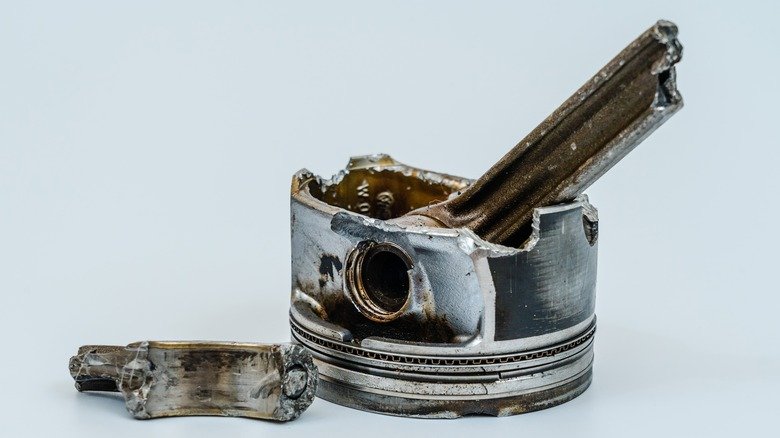
Will motor flush fix hydrolocked engine? No, a motor flush cannot fix a hydrolocked engine; the liquid must be removed manually, and internal damage checked.
Engine hydrolock is a catastrophic event that occurs when liquid enters the combustion chamber. Since liquids do not compress, the rising piston hits a solid wall, leading to immediate mechanical failure. Many vehicle owners look for a quick remedy and ask, “will motor flush fix hydrolocked engine?”
A motor flush is designed to dissolve sludge and carbon deposits in the oil system. It uses detergents to clean internal surfaces during an oil change. However, hydrolock involves structural damage to metal components like connecting rods and pistons.
This guide will explain why a chemical cleaner cannot fix bent or broken metal parts. Knowing the difference between chemical cleaning and mechanical repair is important for every car owner facing this expensive problem.
Contents
- 1 The Fundamental Mechanics of an Internal Combustion Engine
- 2 The Physics of Incompressibility
- 3 What Exactly is Engine Hydrolock?
- 4 Defining a Motor Flush
- 5 Will Motor Flush Fix Hydrolocked Engine?
- 6 The Anatomy of Hydrolock Damage
- 7 The Scientific Composition of Motor Flushes
- 8 Why Diesel Engines Suffer More
- 9 Diagnostic Procedures for Hydrolock
- 10 The Economic Reality of Repairs
- 11 Insurance and Hydrolock
- 12 Why Do People Think Motor Flush Works?
- 13 Long-Term Effects of Ignoring Hydrolock
- 14 The Proper Way to Use Motor Flush
- 15 Step-by-Step Prevention of Hydrolock
- 16 Professional Tool Kit for Hydrolock
- 17 Is It Ever Worth Repairing?
- 18 Frequently Asked Questions
- 19 Conclusion
The Fundamental Mechanics of an Internal Combustion Engine
To understand if a motor flush will fix a hydrolocked engine, one must first understand how an engine works. A standard car engine follows the four-stroke cycle. These strokes are intake, compression, power, and exhaust. During the intake stroke, the piston moves down. It pulls a mixture of air and fuel into the cylinder. In the compression stroke, the piston moves up. It squeezes the air-fuel mixture into a very small space. This compression is possible because air is a gas. Gases are highly compressible.
The spark plug then ignites the compressed mixture. This creates an explosion that pushes the piston back down. This is the power stroke. Finally, the exhaust stroke pushes the spent gases out of the engine. This cycle repeats thousands of times per minute. Every component must move with perfect timing. The connecting rod holds the piston to the crankshaft. It converts the up-and-down motion into rotation. This rotation eventually turns the wheels of the car.
The Physics of Incompressibility
Physics plays a major role in engine failure. Gases like air have a lot of space between molecules. When a piston pushes on air, the molecules move closer together. This builds pressure and heat. Liquids like water or coolant are different. They are incompressible. This means the molecules are already packed tightly. They cannot be squeezed into a smaller volume.
If a liquid fills the combustion chamber, the piston cannot reach the top of its stroke. The crankshaft is still turning with great force. It tries to force the piston upward. The liquid resists this force completely. This creates a “hydrostatic lock.” The energy must go somewhere. Usually, it goes into deforming the metal parts of the motor. This is why the question “will motor flush fix hydrolocked engine” is based on a misunderstanding of physics. A chemical cannot change the fact that metal has been bent by hydraulic pressure.
What Exactly is Engine Hydrolock?
Hydrolock happens when a liquid enters the intake system. This liquid then flows into the cylinders. The most common liquid is water from a deep puddle. However, other liquids can cause it too. A leaking head gasket can fill a cylinder with coolant. A stuck fuel injector can fill a cylinder with gasoline. Even a failed turbocharger can leak oil into the intake.
Once the liquid is inside, the engine is in danger. If the engine is running at high speed, the damage is instant. If the engine is at idle, it might just stall. But even at low speeds, the forces are immense. The engine essentially hits a wall made of water. This stops the rotation of the crankshaft immediately. The sudden stop causes stress throughout the entire drivetrain.
Defining a Motor Flush
A motor flush is a chemical product. It is usually a blend of solvents and high-strength detergents. Its purpose is to clean the oiling system. Over time, engine oil breaks down. It leaves behind a thick, gooey substance called sludge. It also leaves hard carbon deposits called varnish. These deposits can clog oil passages. They can make the engine run hotter and less efficiently.
To use a flush, a person adds the chemical to the old oil. The engine idles for about ten to fifteen minutes. The chemical circulates through the oil pump, the galleries, and the crankcase. It breaks down the sludge so it can drain out with the old oil. It is a maintenance tool. It is meant to prevent problems, not fix broken hardware. It stays in the oil system and never enters the combustion chamber where hydrolock occurs.
Will Motor Flush Fix Hydrolocked Engine?
The answer is a definitive no. A motor flush will not fix a hydrolocked engine because the two things exist in different parts of the motor. A motor flush works in the lubrication system. Hydrolock happens in the combustion system. These systems are separated by the piston rings. Furthermore, a motor flush is a liquid cleaner. It has no power to straighten a bent steel rod.
When an engine is hydrolocked, the damage is physical. Imagine a bent spoon. No amount of soap or degreaser will make that spoon straight again. The same logic applies to an engine. If the connecting rod is bent even a fraction of a millimeter, the engine will not run correctly. It will have a “knock” or it will seize entirely. Using a motor flush in this situation is a waste of money. It may actually make things worse by thinning the oil during a time when the engine is already struggling.
The Anatomy of Hydrolock Damage
When a person asks if a motor flush will fix a hydrolocked engine, they should look at the internal damage. The forces involved in hydrolock can destroy an engine block.
1. Bent Connecting Rods
The connecting rod is the most common victim. It is the link between the piston and the crank. When the piston stops moving but the crank keeps turning, the rod must bend. A bent rod changes the piston height. This leads to a loss of compression. It also causes the piston to hit the crankshaft counterweights in some cases.
2. Cracked Pistons
Pistons are usually made of aluminum. While strong, they are brittle compared to steel. The pressure of hydrolock can crack the top of the piston. It can also shatter the “lands” where the rings sit. A cracked piston will cause the engine to burn oil and lose power.
3. Damaged Crankshaft Bearings
The force of the impact is transferred to the bearings. These are thin shells of soft metal that allow the crank to spin. Hydrolock creates a massive “shock load.” This can flatten the bearings or scar the crankshaft surface. This leads to low oil pressure and eventual engine seizure.
4. Blown Head Gaskets
The extreme pressure inside the cylinder must escape. Sometimes it forces its way past the head gasket. This creates a leak between the cylinder and the cooling system. While a head gasket can be replaced, it is usually the least of the problems in a hydrolocked motor.
5. Cracked Engine Blocks
In the worst cases, the rod snaps. The broken end of the rod then swings around like a hammer. It can punch a hole right through the side of the engine block. This is known as “throwing a rod.” If this happens, the engine is unrepairable.
The Scientific Composition of Motor Flushes
To further answer if a motor flush will fix a hydrolocked engine, we should look at what is inside the bottle. Most engine flushes contain aromatic hydrocarbons. These are powerful solvents like kerosene or mineral spirits. They also contain calcium-based detergents. These chemicals are designed to keep particles in suspension.
When these chemicals enter the oil pan, they thin the oil. This allows the oil to penetrate small crevices. It washes away the sludge that builds up behind piston rings. It cleans the hydraulic valve lifters. But these chemicals have no effect on water. In fact, most motor flushes are not designed to mix with water at all. If water is in the cylinders, the flush will simply sit in the oil pan below it. It cannot reach the problem area. Even if it did reach the combustion chamber, it is just another liquid. Adding more liquid to a hydrolocked cylinder would actually make the compression problem worse.
Why Diesel Engines Suffer More
Hydrolock is even more dangerous for diesel engines. Diesel engines operate at much higher compression ratios than gasoline engines. A typical gas engine might have a ratio of 10:1. A diesel engine can be 20:1 or higher. This means there is very little “extra” space in a diesel cylinder.
Because of this tight space, even a small amount of water causes total destruction. Diesel components are also heavier. When a heavy diesel piston hits water, the momentum is massive. This often leads to the engine block splitting in half. For a diesel owner, asking “will motor flush fix hydrolocked engine” is a very expensive mistake to make. The only solution for a diesel hydrolock is a complete rebuild or replacement.
Diagnostic Procedures for Hydrolock
If a vehicle stalls in water, do not try to restart it. This is the moment where most damage occurs. Instead, a specific diagnostic path must be followed.
Step 1: The Spark Plug Removal
A mechanic will first remove all the spark plugs (or glow plugs in a diesel). This opens the combustion chambers to the outside air. With the plugs removed, the cylinders are no longer sealed.
Step 2: Manual Rotation
The mechanic will use a large wrench on the crankshaft pulley. They will try to turn the engine by hand. If the engine turns easily, the liquid might spray out of the spark plug holes. This is a good sign. It means the engine is not seized. If the engine hits a hard stop even with the plugs out, a metal part is likely bent.
Step 3: Borescope Inspection
A borescope is a tiny camera on a flexible wire. The mechanic inserts it into the spark plug hole. This allows a view of the top of the piston and the cylinder walls. They look for “witness marks.” These are shiny spots where a bent rod has forced the piston to rub against the wall. They also look for standing water or physical cracks.
Step 4: The Compression Test
Once the water is out and the plugs are back in, a compression test is done. Each cylinder is tested to see how much pressure it can build. If one cylinder has lower pressure than the others, the rod is likely bent. This rod is now shorter than it should be. It cannot push the piston high enough to create full compression. At this stage, it is clear that a motor flush will not fix a hydrolocked engine. The compression loss is a physical height issue.
The Economic Reality of Repairs
The cost of fixing a hydrolocked engine is often more than the value of the car. This is why many vehicles are “totaled” by insurance companies after a flood.
Option A: The Partial Rebuild
If only one rod is bent, it is possible to replace just that part. However, this still requires taking the entire engine apart. The cylinder head must come off. The oil pan must come off. The piston must be pulled out from the top. This involves many hours of labor. In a modern shop, labor can cost $150 per hour. A partial rebuild can easily cost $3,000.
Option B: The Used Engine Swap
Often, it is cheaper to buy an engine from a salvaged vehicle. This is called a “junk yard motor.” A mechanic can swap the engines in a few days. This usually costs between $2,000 and $4,000. It is often the fastest way to get back on the road.
Option C: The Remanufactured Engine
This is a “zero-mile” engine. Every part is new or cleaned to factory standards. This is the most expensive option. It can cost $5,000 to $10,000. This is usually only done for classic cars or very expensive trucks. None of these options involve a motor flush. It is simply not part of the repair vocabulary for hydrolock.
Insurance and Hydrolock
Will insurance cover a hydrolocked engine? Usually, yes, if the owner has “comprehensive” coverage. This covers “acts of God” like floods. However, if the driver intentionally drove into deep water, the claim might be denied. Insurance adjusters look for signs of “cautious operation.”
The adjuster will check the air filter. If the filter is soaked with water, it proves the engine sucked in liquid. They will not care about a motor flush. In fact, if an owner tells the insurance company they tried to use a motor flush to fix it, the company might think the owner was trying to hide the damage. It is always better to be honest with the insurance company. Let the professionals handle the claim.
Why Do People Think Motor Flush Works?
The myth that a motor flush will fix a hydrolocked engine comes from a confusion of terms. Some people confuse “hydrolock” with “carbon lock.” Carbon lock happens when thick carbon deposits prevent an engine from turning. In very rare cases, a strong chemical soak can dissolve that carbon.
Others confuse it with a “seized” engine caused by old oil. If an engine is stuck because of sludge, a flush might help loosen it. But water is not sludge. Water does not stick to parts; it destroys them. The internet is full of “miracle cures” for cars. Most of them are fake. A person should always trust mechanical engineering over a bottle of chemicals.
Long-Term Effects of Ignoring Hydrolock
What happens if a person drains the water and the engine starts? Some people think they “got lucky.” They might buy a motor flush to “clean out the rest.” This is a dangerous gamble.
Even if the engine runs, a slightly bent rod creates stress. This stress will eventually lead to metal fatigue. The rod might snap six months later while driving on the highway. This can cause a high-speed accident. Also, water causes rust. If water sat in the cylinders for even a few days, the cylinder walls will have rust pits. These pits will eat the piston rings. The engine will start smoking and losing oil. There is no such thing as a “minor” hydrolock. It is a permanent injury to the machine.
The Proper Way to Use Motor Flush
Since we know that a motor flush will not fix a hydrolocked engine, when should it be used? It should be used as a preventative measure. If an engine has a history of missed oil changes, a flush is a good idea. It should be used every 50,000 miles to keep the internals shiny.
Always follow the instructions on the bottle. Never drive the vehicle with the flush inside. The reduced lubrication can damage the turbo or the bearings. Use it, drain it, and replace the filter. This is how the product was designed to work. Using it for anything else, like fixing a flood-damaged engine, is a misuse of the product.
Step-by-Step Prevention of Hydrolock
Avoiding the problem is much better than trying to fix it.
- Turn Around, Don’t Drown: Never drive through water if the depth is unknown. If the water reaches the bottom of the doors, it is too deep.
- Watch the “Bow Wave”: If a person must drive through shallow water, go slowly. Driving fast creates a wave in front of the car. This wave can be pushed into the air intake.
- Install a Snorkel: Off-road vehicles often have a “snorkel.” This moves the air intake to the roof of the car. This is the only way to safely drive through deep water.
- Check Seals: Ensure the airbox is sealed correctly. A loose clip on the air filter housing can let water bypass the filter.
- Maintain the Cooling System: A failed head gasket can cause “internal” hydrolock. Change the coolant every two years to prevent gasket corrosion.
Professional Tool Kit for Hydrolock
When a mechanic deals with this issue, they use:
- Compression Gauge: To check cylinder health.
- Leak-Down Tester: To see where air is escaping.
- Torque Wrench: To rebuild the engine correctly.
- Micrometers: To measure if a rod is bent.
- Borescope: To see inside without taking it apart. Note that a bottle of flush is not on this list. It is not a repair tool.
Is It Ever Worth Repairing?
For a cheap car, the answer is no. If a car is worth $2,000 and the repair is $3,000, it is a total loss. For a new truck worth $50,000, it is worth the repair. But it will never be “like new” unless the engine is replaced. A repaired hydrolock engine often has long-term reliability issues. It is usually better to trade the vehicle in after a professional repair is done.
Frequently Asked Questions
Here are some FAQs about the
1. Can I just leave the spark plugs out to let the water evaporate?
No, evaporation is too slow. While the water sits there, it will cause the iron cylinder walls to rust. This rust creates a rough surface that will destroy the piston rings as soon as the engine starts. You must remove the water manually and then spray a fogging oil into the cylinders to prevent corrosion.
2. What if I only went through a small puddle and the engine stalled?
Even a small amount of water can cause damage. The engine stalls because it cannot complete the compression stroke. You should still remove the spark plugs and check for water. Do not assume the engine is fine just because the puddle was small. It only takes a few tablespoons of water to lock a cylinder.
3. Does a motor flush help remove the water from the oil pan?
A motor flush is not necessary for this. The best way to remove water from the oil pan is to drain the oil completely. Since water sits at the bottom, it will come out first. You should then “flush” the pan with cheap, fresh oil to wash out any remaining droplets before putting in high-quality oil and a new filter.
4. Will a hydrolocked engine turn over at all?
Usually, no. When you turn the key, you will hear a single “click” or a “thud.” This is the starter motor trying to turn the engine and failing. If you keep holding the key, you might burn out the starter motor or blow a high-amp fuse. If the engine doesn’t turn, stop immediately.
5. Is hydrolock covered under a basic car warranty?
No, a standard manufacturer warranty covers defects in materials and workmanship. Driving through deep water is considered “outside influence” or “misuse.” Unless you can prove the water entered because of a factory defect, the warranty will not pay for the repair. This is an insurance matter, not a warranty one.
Conclusion
In summary, the answer to “will motor flush fix hydrolocked engine” is a clear and final no. Hydrolock is a mechanical tragedy. It involves the crushing and bending of heavy metal parts due to the incompressibility of water. A motor flush is a maintenance chemical meant for cleaning sludge and oil deposits. It has no physical or chemical property that can repair a bent connecting rod or a cracked engine block.
While motor flushes are excellent for keeping a healthy engine clean, they are useless in the face of structural failure. If an engine has swallowed water, the only solution is a professional mechanical intervention. This usually means a complete engine teardown or a total replacement. Car owners should focus on prevention by avoiding deep water and maintaining their cooling systems. Do not be fooled by quick-fix chemicals. When it comes to hydrolock, physics always wins over chemistry.


