The 5.3L LS is a 323-cubic-inch (5.3L) V8 GM small-block engine in production since 1999, used across Chevy, GMC, and Cadillac trucks, SUVs, and performance builds, with factory output ranging from 270 to 365 horsepower depending on generation.
The 5.3L LS is one of the most ubiquitous V8s on American roads, powering everything from family haulers to off-road rigs and resto-modded classics. Whether you’re shopping for a used Silverado, planning an engine swap, or troubleshooting a recurring issue on your daily driver, accurate 5.3 LS engine specs are non-negotiable for making informed decisions.
This guide breaks down core specifications, generation differences, and real-world context to help you get exactly what you need, no fluff.
Contents
5.3 LS Engine Specifications
All 5.3L LS variants share a common core architecture, with small adjustments across generations to meet changing emissions and performance goals. All are 90-degree V8s with a 4.4-inch bore and 3.66-inch stroke, for a total displacement of 323 cubic inches (5.3 liters).
Gen III and Gen IV models use cast iron blocks for durability, while Gen V (LT) variants switch to aluminum for weight savings. All generations use two-valve-per-cylinder pushrod valvetrains, a design that prioritizes low-end torque and simplicity over high-revving power.
Factory compression ratios range from 9.5:1 on early Gen III truck models to 11.0:1 on high-output Gen V variants.
Generation-by-Generation Spec Differences
While the core 5.3L design stayed consistent, GM made meaningful updates to output, fuel system, and block strength across its three production generations. Below are the key specs for each generation, broken out by model year range and application focus.
Gen III (LS, 1999–2007)
The original 5.3L LS launched as a more efficient alternative to GM’s larger 5.7L Vortec V8, with output ranging from 270 hp in base half-ton trucks to 315 hp in the high-performance Silverado SS. All Gen III models use cast iron blocks, port fuel injection, and a 4L60E or 4L80E 4-speed automatic transmission in most applications.
Common failure points for this generation include cracked plastic intake manifolds and worn lifter bores on high-mileage examples.
Gen IV (LS, 2007–2014)
Gen IV 5.3L models saw a bump to 300–365 hp, thanks to revised cylinder heads, longer duration camshafts, and improved fuel injection tuning. GM introduced aluminum block options for half-ton 1500 trucks to cut weight, while heavy-duty applications retained cast iron for maximum durability.
This generation also added Active Fuel Management (AFM, later called Displacement on Demand) to shut down half the cylinders under light load for improved fuel economy, a feature that carries over to Gen V.
Gen V (LT, 2014–Present)
The Gen V 5.3L, marketed under GM’s LT engine family, switched to direct fuel injection, an aluminum block, and a higher-revving design that pushes output to 355–365 hp and 383–410 lb-ft of torque in most trims. AFM remains standard, with later models adding a start-stop system for city driving fuel savings.
The LT 5.3 also has a stronger rotating assembly that handles more boost for mild performance builds with minimal internal work.
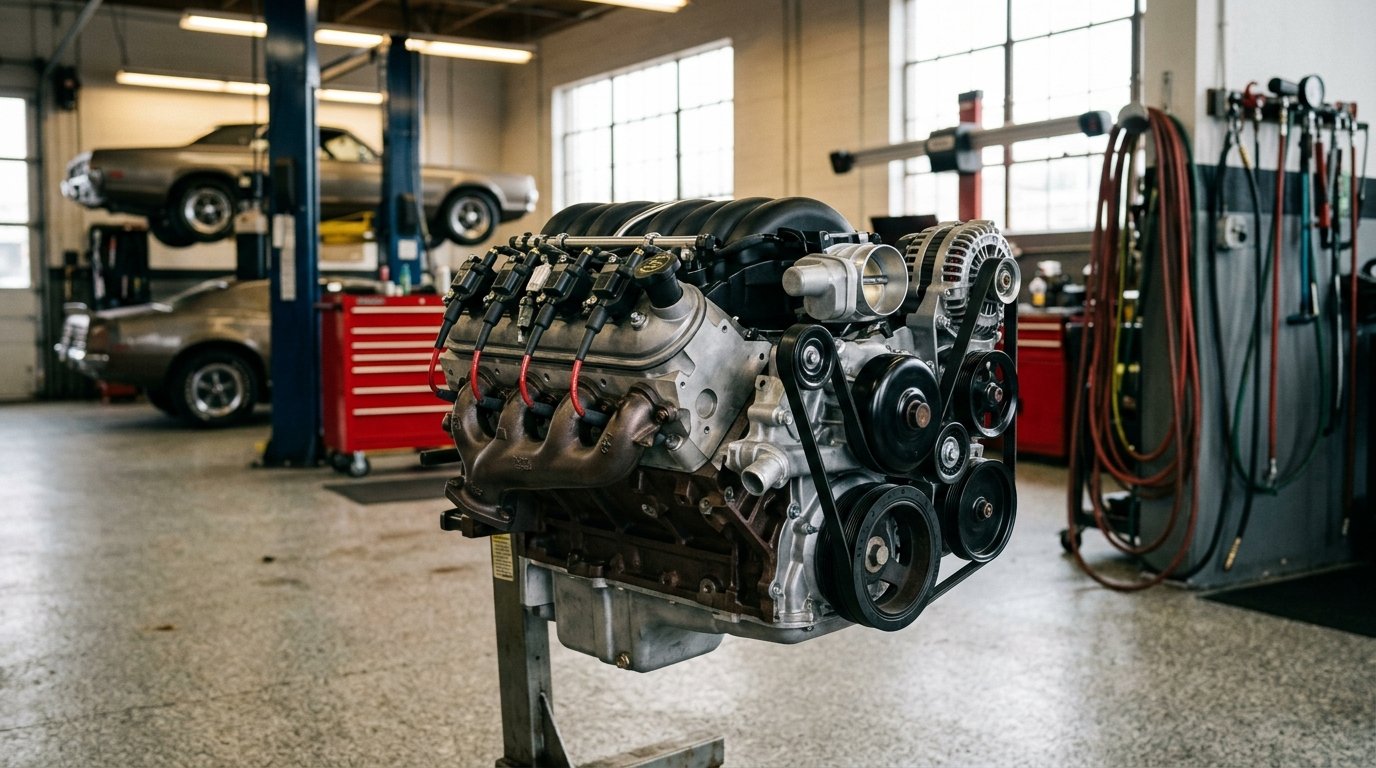
The table below breaks down key output and design differences across all three 5.3L LS generations for quick reference.
Common Use Cases and Performance Context
The 5.3L LS’s flexible design makes it a fit for a wide range of vehicles and builds, with specs shifting to match its intended role. In stock form, the 5.3L is perfectly suited for daily driving, light towing, and family hauling, with enough low-end torque to handle a 6,000–8,000 lb trailer in most half-ton truck applications.
For performance builds, the 5.3L’s overbuilt cast iron block (on Gen III/IV models) can handle 600+ hp with internal upgrades like forged pistons, a stronger camshaft, and supporting fuel system modifications. Even stock LT 5.3L variants can see 50–75 hp gains from bolt-on upgrades like a cold air intake, custom tune, and cat-back exhaust, no internal work required.
Boosted builds using turbochargers or superchargers can push output to 800+ hp with extensive internal reinforcement, though most daily-driven 5.3Ls stay under 500 hp for reliability.
If you’re building a high-horsepower 5.3L LS, start with a forged rotating assembly before adding boost. The stock cast pistons and connecting rods are only rated for roughly 500 hp on naturally aspirated builds, and will fail quickly under forced induction.
Key Service and Compatibility Specs
Beyond core performance numbers, these service and compatibility specs are critical for maintenance, repairs, and build planning. All 5.3L LS variants use a 1-8-7-2-6-5-4-3 firing order, a standard across all GM LS and LT small-block V8s.
Most Gen III and Gen IV 5.3Ls take 5W-30 synthetic motor oil, with a 6-quart capacity including filter; Gen V LT variants often call for 0W-20 synthetic oil for improved cold-weather fuel economy. Spark plug replacement intervals range from 60,000 to 100,000 miles depending on generation and model, with AC Delco platinum or iridium plugs recommended for most applications.
For owners modifying their 5.3L, the engine’s 4-bolt main cap design (on most cast iron block variants) provides a solid foundation for high-horsepower builds, with aftermarket support for upgraded main studs and girdles available for extreme power levels.
How to Confirm Your 5.3 LS Generation
If you’re shopping for parts or planning repairs, confirming your engine’s generation is the first step to getting compatible components. There are two quick ways to identify your 5.3L without tearing apart the engine bay.
Check the Engine Bay ID Tag
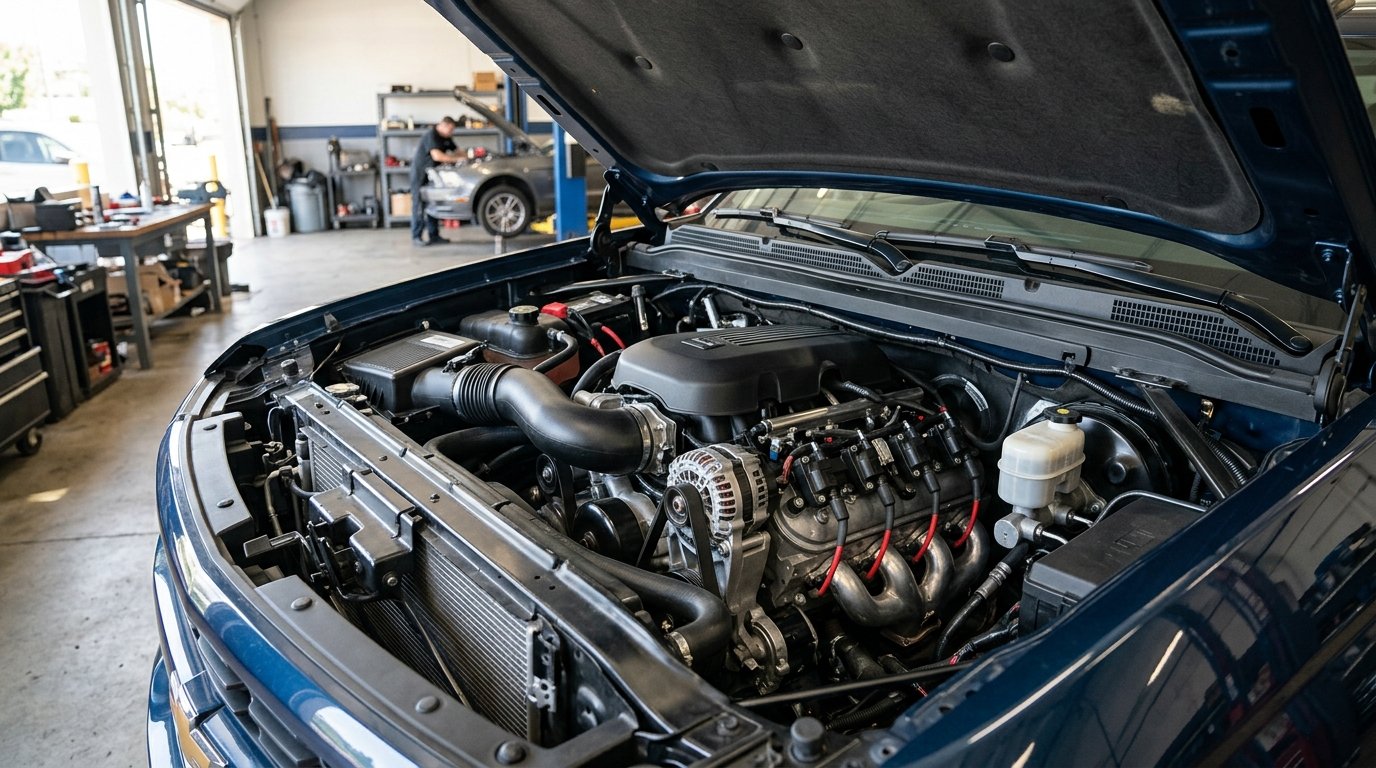
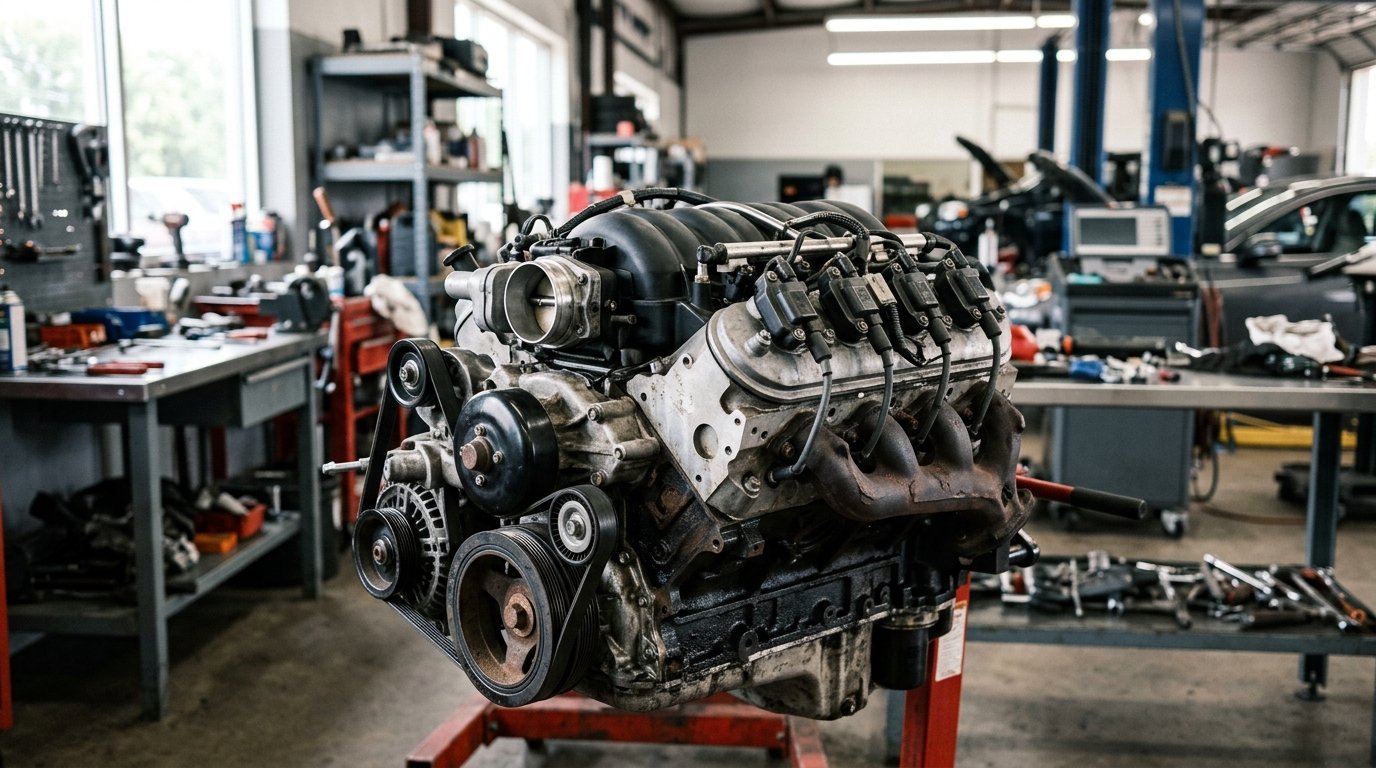
Every GM vehicle has a metal ID tag riveted to the engine block, usually on the front passenger side of the block near the transmission bell housing. The tag will list the engine code, displacement, and production date; for 5.3L engines, look for codes like LM, LMF, or LH for Gen III/IV, or LT1 for Gen V variants.
Decode the VIN
Your vehicle’s 17-digit VIN, found on the driver’s side dashboard and door jamb, includes an engine code in the 8th position. For example, a VIN with an “L” in the 8th position indicates an LS-based engine, while a “T” indicates an LT-based engine.
You can cross-reference this code with GM’s official VIN decoder or a trusted owner’s forum for exact generation details.
Frequently Asked Questions
Below are answers to the most common questions about 5.3 LS engine specs and ownership.
Q: What vehicles use the 5.3 LS engine?
A: The 5.3L LS has powered Chevy Silverado, GMC Sierra, Tahoe, Yukon, Cadillac Escalade since 1999, remaining in production for 2024 GM full-size trucks and SUVs.
Q: What is the firing order for a 5.3 LS?
A: The 5.3L LS uses a 1-8-7-2-6-5-4-3 firing order shared across all LS and LT small-block V8s, ensuring smooth operation and balanced crankshaft rotation.
Q: What is the oil capacity for a 5.3 LS?
A: With a filter change, the 5.3L LS holds 6 quarts of 5W-30 synthetic motor oil. Always check your owner’s manual for model-specific oil weight requirements.
Q: Is the 5.3 LS a reliable engine?
A: Yes, the 5.3L LS is widely considered one of GM’s most reliable V8s, with many examples exceeding 250,000 miles with proper maintenance. AFM lifter issues are common on 2007–2018 models.
Q: What is the difference between LS and LT 5.3 engines?
A: The LT 5.3 (Gen V) uses direct injection and an aluminum block, with higher output than the older port-injected LS (Gen III/IV), and a stronger rotating assembly for high-power builds.
Q: What spark plugs does a 5.3 LS use?
A: Most 5.3L LS engines use AC Delco 41-103 spark plugs gapped to 0.060-inch; Gen V LT variants use 41-110 plugs gapped to 0.040-inch. Confirm with your owner’s manual.
Conclusion
The 5.3L LS is a workhorse engine for a reason: its simple, overbuilt design makes it easy to maintain, modify, and rely on for daily driving, towing, and performance use.
Whether you’re picking up a used GM truck or planning a budget build, knowing core 5.3 LS engine specs helps you avoid compatibility headaches and make smart upgrade choices.
For the most accurate model-specific details, always reference your owner’s manual or a factory service guide for your exact vehicle year and trim.