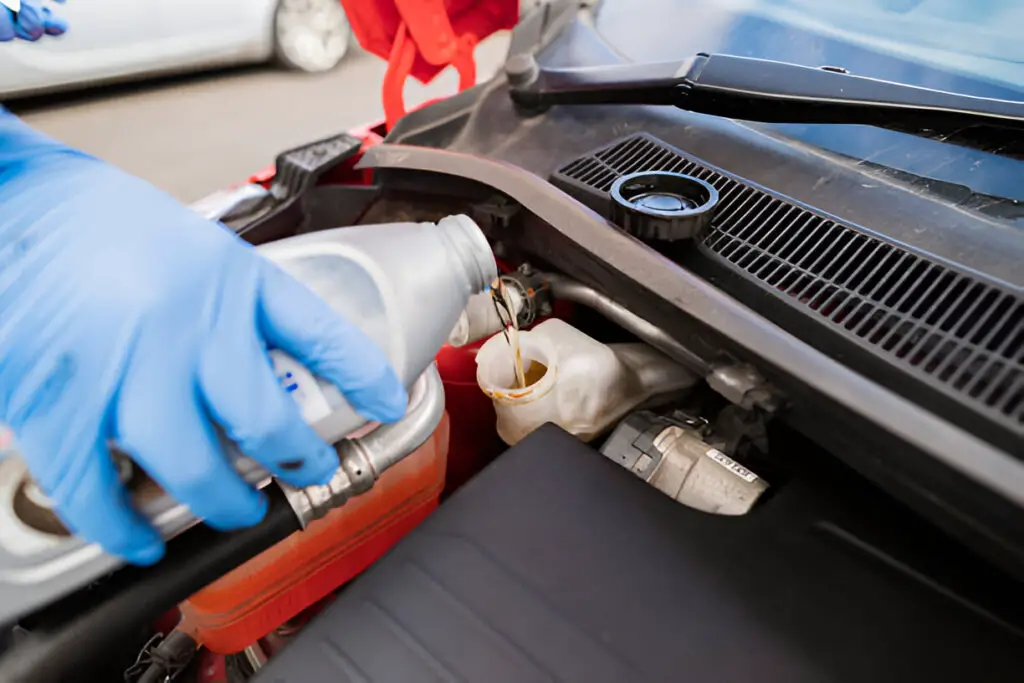
Brake Fluid Wet Vs Dry Boiling Point: The Key to Brake Fluid Safety
Brake fluid has two boiling points: the dry boiling point, which applies to fresh, uncontaminated fluid, and the wet boiling […]

Brake fluid has two boiling points: the dry boiling point, which applies to fresh, uncontaminated fluid, and the wet boiling […]
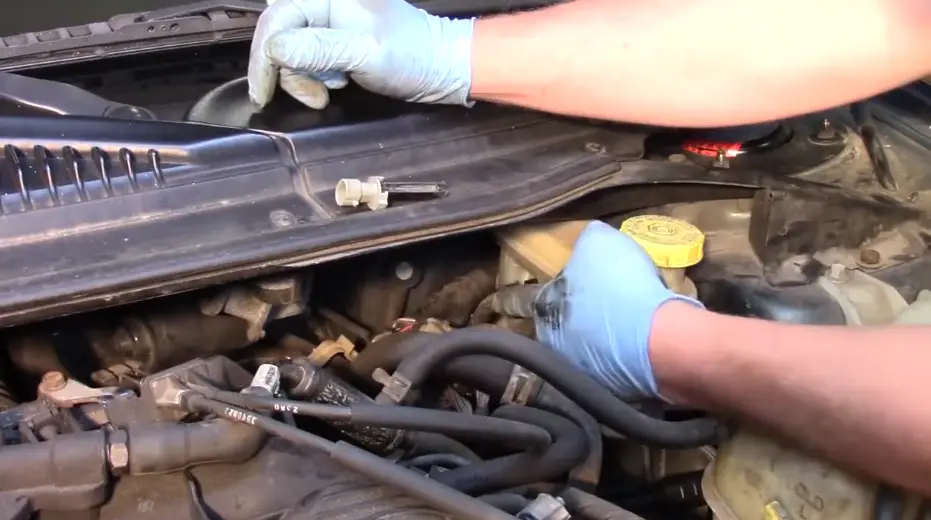
Replacing a faulty brake fluid sensor ensures accurate monitoring of brake fluid levels and maintains braking safety. The process involves
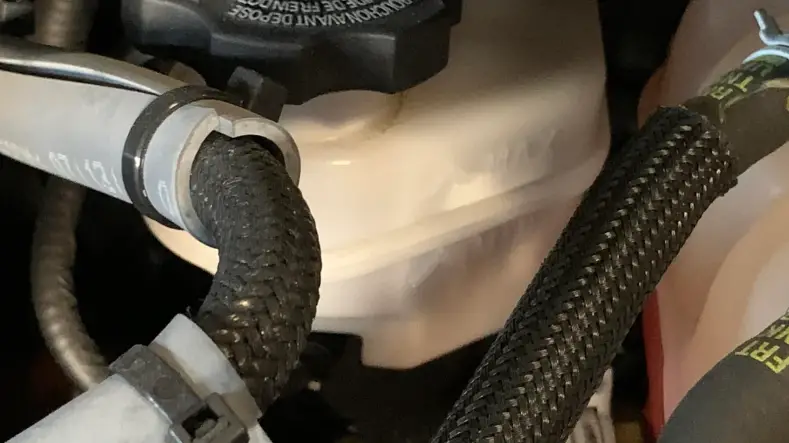
A brake fluid reservoir emptying can result from leaks in the brake lines, worn seals, or damaged master cylinders. This
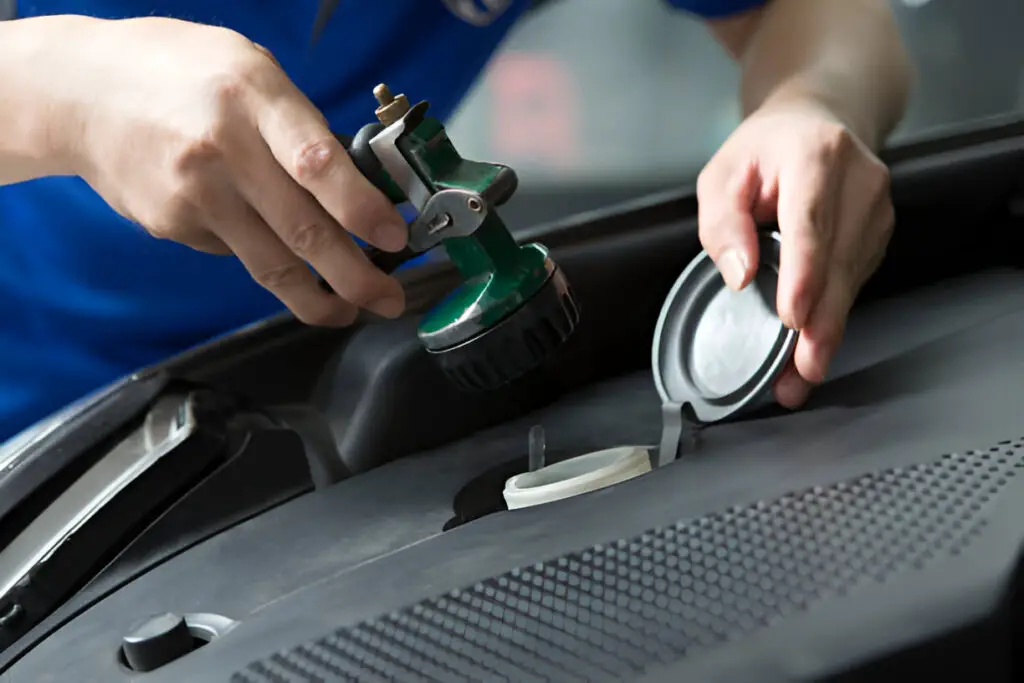
Brake fluid can swell rubber seals if the fluid is incompatible with the seal material. Glycol-based fluids work with EPDM
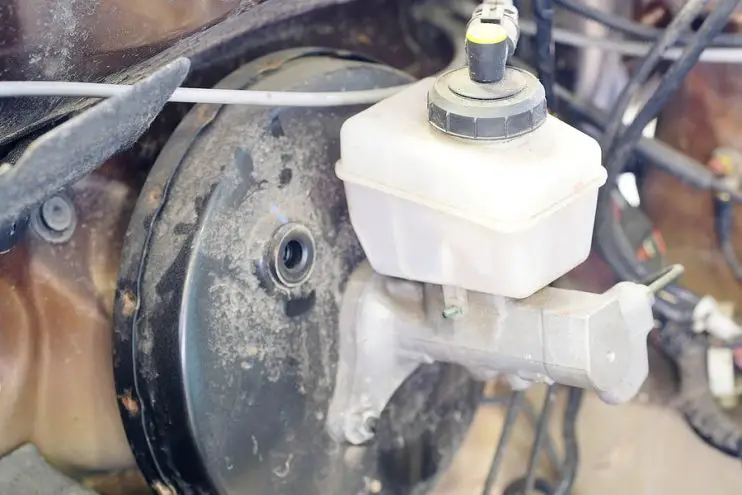
Brake fluid not returning to the master cylinder can cause dragging brakes and overheating. Common causes include a faulty master
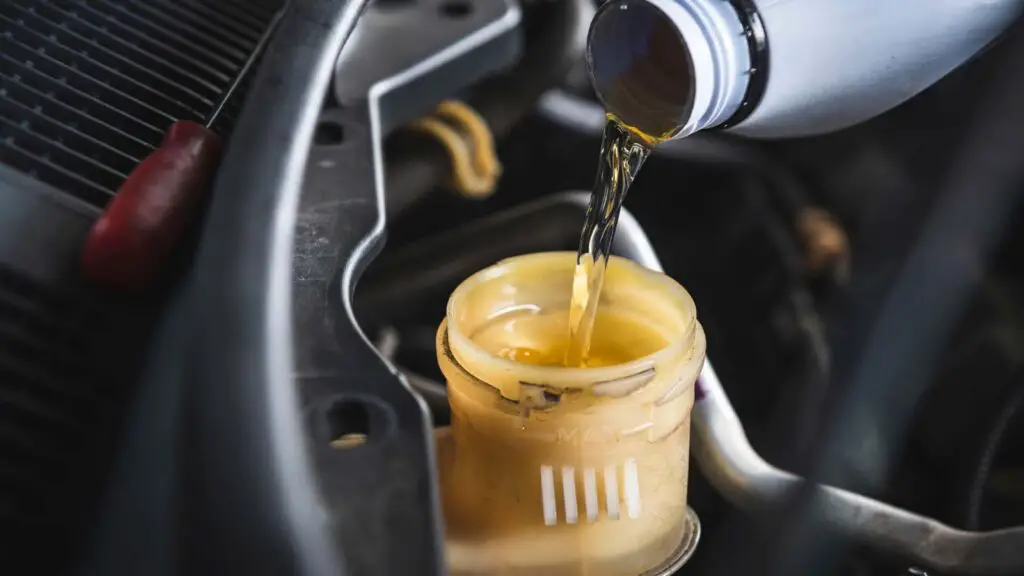
DOT 5 is silicone-based, moisture-resistant, and ideal for classic or infrequently driven vehicles. DOT 5.1 is glycol-based, offers better performance
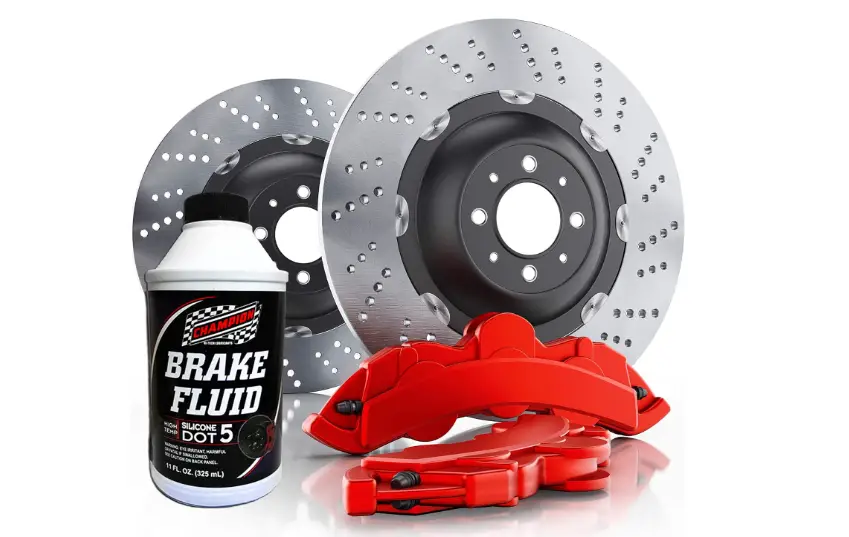
DOT 5 brake fluid, a silicone-based option, can cause issues like incompatibility with other fluids, poor ABS performance, and a
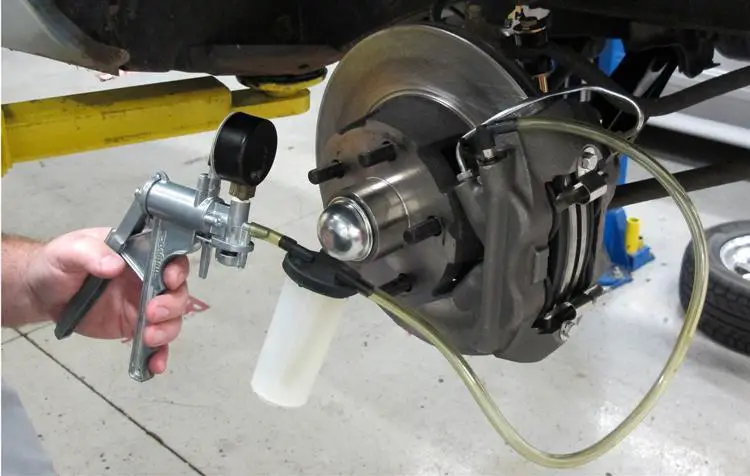
If no brake fluid comes out when bleeding, check for a clogged bleeder valve, blocked brake lines, or a faulty
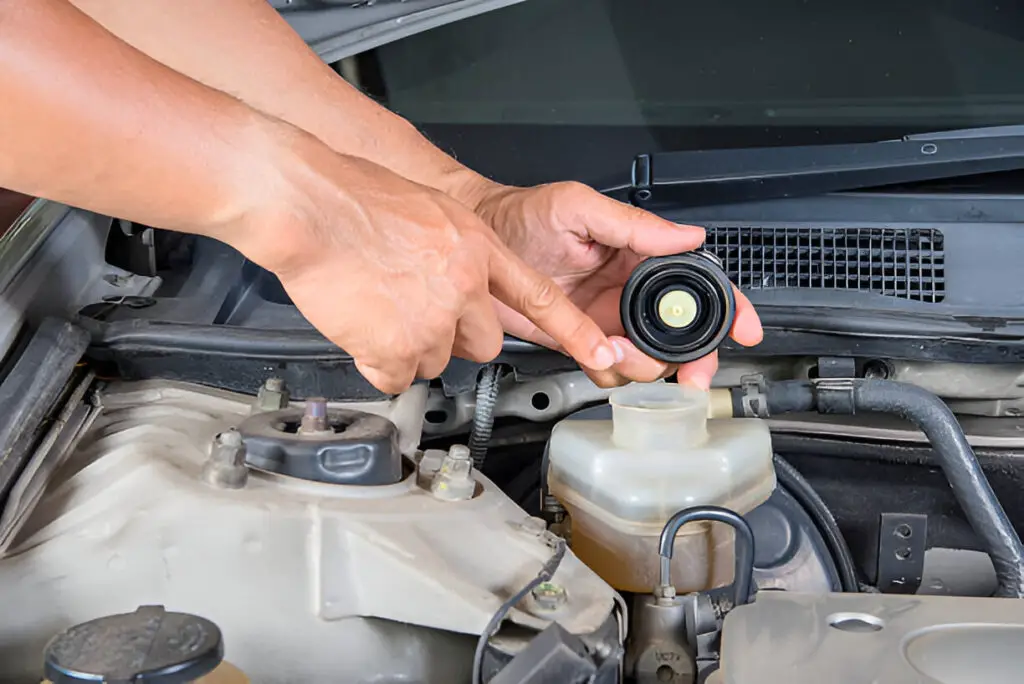
Yes, brake fluid is hygroscopic, meaning it absorbs moisture from the air over time. This property can lower the fluid’s